
Surrey Snow Removal Bylaw: What Commercial Property Owners Must Know | Invictus Snowfighters

Brad Caton • October 19, 2026

Share this article

If you manage a commercial, industrial, or multi-family property in Surrey, BC, the City's snow removal rules are not a suggestion — they're written into Bylaw No. 13007, and they carry a daily fine for every day a sidewalk stays uncleared. Most property managers know "clear the walkway" is expected. Fewer know the exact deadline, who the obligation actually falls on, or what happens after a neighbor or passerby reports it. That gap is where fines and, worse, slip-and-fall claims tend to start.

This guide walks through what Surrey's snow removal bylaw actually says, how the City enforces it, and what a commercial property should have in place before the first snowfall — not after.

What Surrey's Snow Removal Bylaw Actually Requires

The requirement sits in Section 80 of the City of Surrey's Highway and Traffic Bylaw No. 13007. Section 80(1) states that "every owner or occupier of commercial, industrial or multi-family dwelling premises shall remove all snow and ice from any sidewalk or walkway bordering such premises not later than 1000 hours on the day following the snowfall, on every day except a holiday as defined in the Interpretation Act." Section 80(2) sets the same 10:00 a.m. next-day deadline for single-family and duplex residential properties.

Two details in that wording matter more than they first appear. First, the obligation covers "any sidewalk or walkway bordering" the property — the bylaw's text is about the pedestrian path, not the parking lot or drive aisle. Second, the clock resets every day it snows: the deadline is 10:00 a.m. "on every day except a holiday," which is a recurring obligation for the length of a storm, not a single overnight task.

Why "10:00 A.M. the Day Following the Snowfall" Trips Up Commercial Properties

Residential owners tend to interpret the deadline literally: it snowed, so shovel by 10 the next morning. Commercial and multi-family properties run into a different problem — coverage. A single-family driveway takes one person a few minutes; a commercial frontage, a multi-building complex, or a mixed retail block can mean hundreds of linear feet of sidewalk, cleared before tenants, staff, and customers start arriving for the day. If a property relies on a maintenance crew that also handles landscaping or general upkeep, snow clearing competes with every other item on that crew's list on the one morning it matters most.

The bylaw doesn't grant an exception for property size or portfolio complexity. A five-building commercial park has the same 10:00 a.m. deadline as a single storefront. That's the reason property managers who oversee multiple Surrey addresses generally move to a dedicated snow and ice contractor rather than folding it into a landscaping contract — the response time math simply doesn't work otherwise once a property crosses a certain size.

What Counts as "Commercial, Industrial, or Multi-Family" Under Section 80(1)

The bylaw's Section 80(1) category is broad by design: it applies to commercial premises, industrial premises, and multi-family dwellings as a single group, distinct from the single-family and duplex category in Section 80(2). In practice, that means office buildings, retail centers, warehouses, industrial yards, apartment buildings, and mixed-use developments in Surrey all fall under the same 10:00 a.m. deadline and the same commercial fine schedule — regardless of whether the building is owner-occupied or leased out to tenants.

The bylaw places the duty on "every owner or occupier," which means a landlord and a tenant can both be on the hook depending on the lease's maintenance clause. Commercial leases frequently assign snow and ice removal to the tenant or to a property management company acting on the owner's behalf; the bylaw itself doesn't resolve that question, so it's worth confirming which party is actually named responsible in the lease before assuming compliance is someone else's job.

The Cost of Non-Compliance: Fines and What Follows the Ticket

The City's own guidance on winter snow and ice control confirms the enforcement mechanism is complaint-driven: a resident or business reports an un-shovelled sidewalk (online or by calling 604-591-4370), the property receives a notice, and if it isn't brought into compliance within the response window, a fine follows. Under the bylaw's penalty schedule, a Section 80(1) violation for a business property carries a fine of $55 if paid within the early-payment period, rising to $80 if it isn't — and because the obligation resets daily during an active snow event, an uncleared walkway that stretches across a multi-day storm can generate a separate fine for each morning it's missed.

The fine is rarely the real cost. A cleared-but-late sidewalk that catches someone mid-slip before 10:00 a.m. shifts the conversation from a bylaw fine to a premises liability claim — and Surrey's bylaw deadline becomes evidence either way in that conversation. Our guide onslip-and-fall liability and commercial snow removalcovers how that plays out for Pacific Northwest property managers, and our piece onsnow removal documentation requirementscovers the records that actually hold up if a claim follows a clearing gap.

Building a Compliance Plan Before the Season Starts

A property that waits for the first snowfall to figure out who's clearing the sidewalk by 10:00 a.m. is already behind. The properties that consistently meet Surrey's deadline share a few things in common: a named responsible party in the lease or management agreement, a vendor with enough equipment and crew depth to hit every address on a route before 10:00 a.m. rather than after, and a documented log of when each clearing pass happened — useful for the bylaw and essential if a claim ever questions the timeline.

This is also where portfolio size works against a property manager who's improvising. Invictus's own founder, Brad, who built the company's snow removal division after a 2002 request from a commercial cleaning client turned into a dedicated operation, has been direct about the lesson: the company's own "aha moment" came from taking on more properties than its equipment and crew could physically cover during a multi-day storm. That's the same math working against any Surrey property relying on a general maintenance crew rather than a contractor built specifically for snow response capacity. Our breakdown of how toset up an emergency winter response planwalks through what that capacity check should cover before a contract is signed, and our piece on whyfall is the time to lock in a snow removal contractcovers the scheduling side of the same problem.

How Invictus Keeps Surrey Properties Compliant

Invictus services the Surrey market as part of the same I-5 corridor coverage that extends from Vancouver and the Tri-Cities through Seattle and Portland — coverage the company describes as its core differentiator, since no other regional provider services that full span with its own crews and equipment rather than subcontracting it out. For larger or multi-address portfolios, that geography also brings an economy-of-scale advantage: bundling several Surrey properties, or Surrey alongside nearby Burnaby or Coquitlam addresses, onto one contract typically costs less per square foot than managing separate vendors at each site.

On active event days, Invictus stages what it calls afirst responder unit— a pre-positioned supply of ice melt and equipment — on larger job sites so a crew can respond to accumulating ice without waiting on a dispatch run across the region. Every clearing pass is GPS-logged, which gives a property manager both a real answer to "was this done by 10:00 a.m." and documentation to point to if a Section 80 report or a liability claim ever comes up later. See the full range ofcommercial snow and ice management servicesInvictus provides across the region.

Frequently Asked Questions

Does Bylaw No. 13007 cover parking lots, or only sidewalks?
Section 80(1)'s text applies to "any sidewalk or walkway bordering" the property — it doesn't itself create a parking-lot clearing requirement. That said, most commercial leases and general liability insurance policies expect parking areas kept reasonably clear as well, so a compliance plan built only around the sidewalk deadline is usually incomplete.

What exactly does "the day following the snowfall" mean?
The deadline is 10:00 a.m. on the day after it snows, every day the obligation applies, except statutory holidays as defined under BC's Interpretation Act. During a multi-day storm, that 10:00 a.m. deadline applies fresh each morning.

How does the City find out a sidewalk wasn't cleared?
Enforcement is complaint-driven. A resident or business reports the address online or by phone, the City issues a notice, and a fine follows if the property isn't brought into compliance within the response window.

What's the actual fine for a business that misses the deadline?
$55 if paid within the early-payment period, $80 if it isn't, per violation — and because the requirement resets daily during an active snow event, an uncleared walkway across a multi-day storm can mean a separate fine for each missed morning.

Surrey's 10:00 a.m. deadline is easy to state and, for a multi-building or multi-tenant property, genuinely hard to hit without a plan built around it. If your portfolio includes Surrey addresses and you'd rather have that plan in place before the first snowfall than after a notice arrives, request a quote from Invictus Snowfighters and get your properties covered for the season.

Recent Posts

Property manager and maintenance contractor shaking hands in a commercial parking lot
By Brad Caton • October 16, 2026
Managing five property maintenance vendors instead of one costs hours every month. See how commercial property managers consolidate winter service with the rest of their maintenance calendar, from a company serving 500+ Pacific Northwest properties for 30+ years. Get a quote.
Snowplow clearing a large commercial parking lot for a multi-property portfolio contract in the Pacific Northwest
By Brad Caton • October 14, 2026
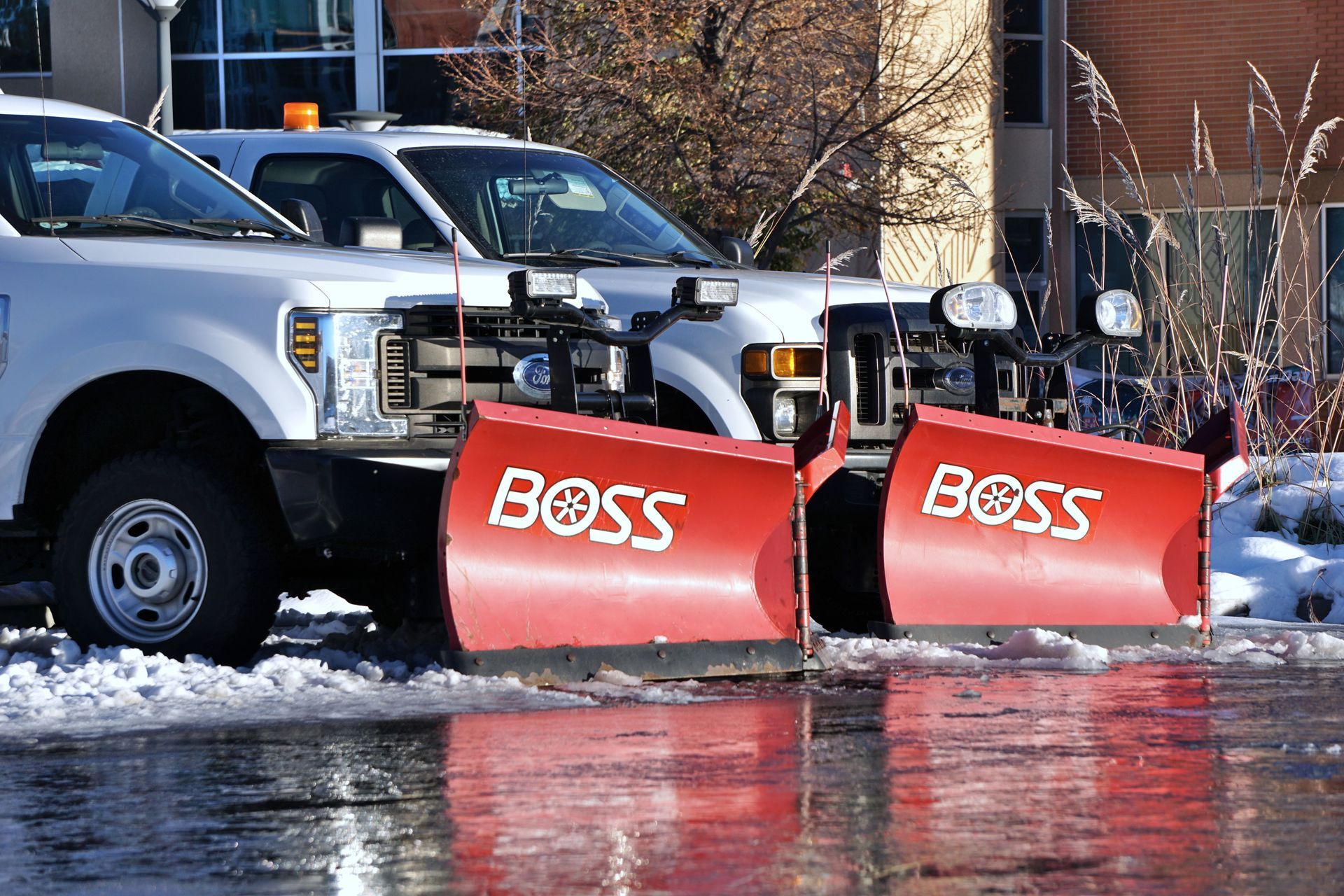
Multi-property snow removal contracts consolidate a fragmented, sole-proprietor-heavy market into one accountable partner. See what portfolio bundling actually saves, what to verify first, and the one trade-off to watch. Request a quote.
Yellow snowplow and front loader clearing a snowy parking lot in winter
By Brad Caton • October 12, 2026
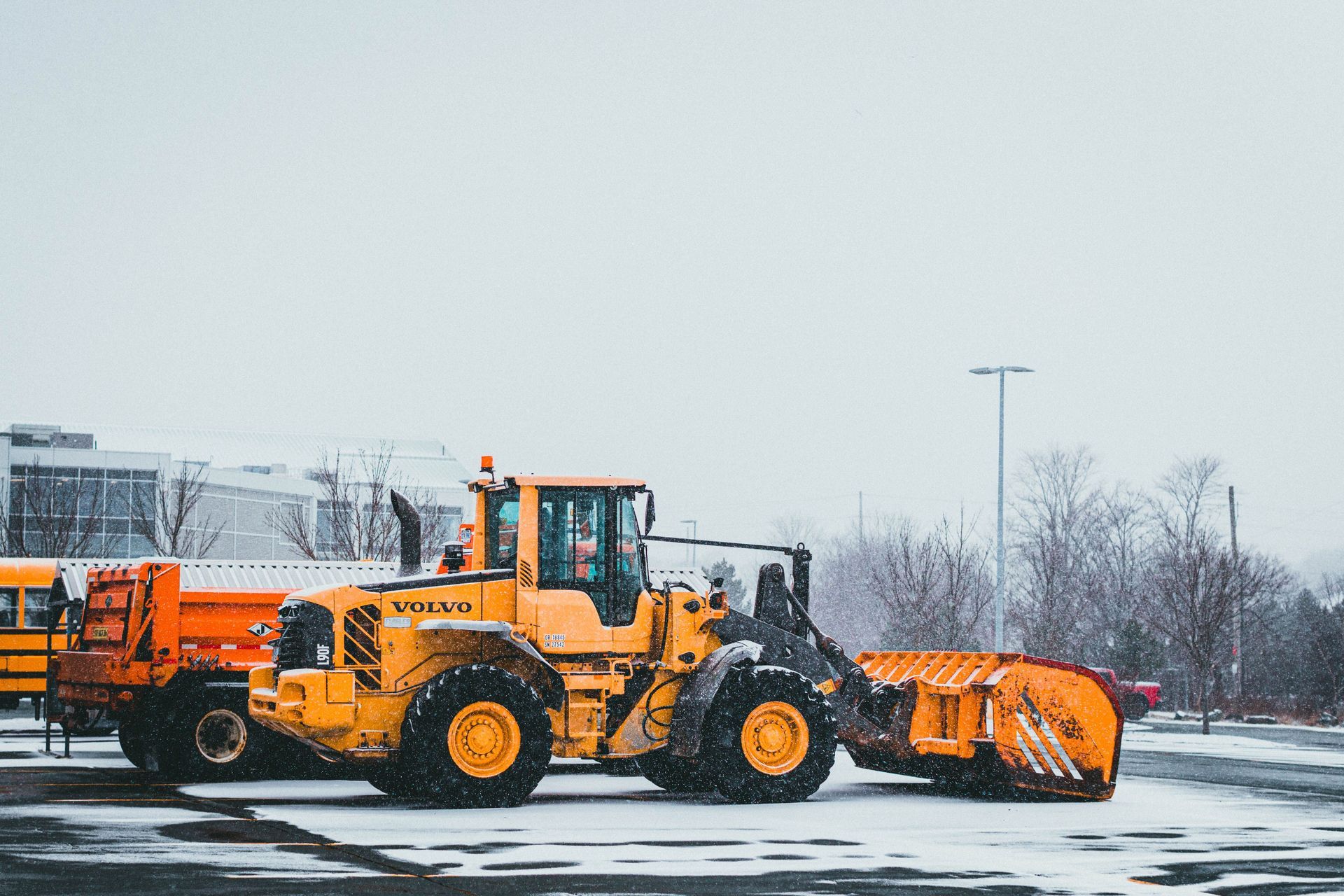
How much snow removal equipment does your commercial property really need? Learn to evaluate a vendor's fleet capacity before the storm hits. ISO SN9001-certified Invictus serves the Pacific Northwest I-5 corridor. Request a quote.
Snow plow clearing a commercial parking lot in the Pacific Northwest at dawn
By Brad Caton • October 9, 2026
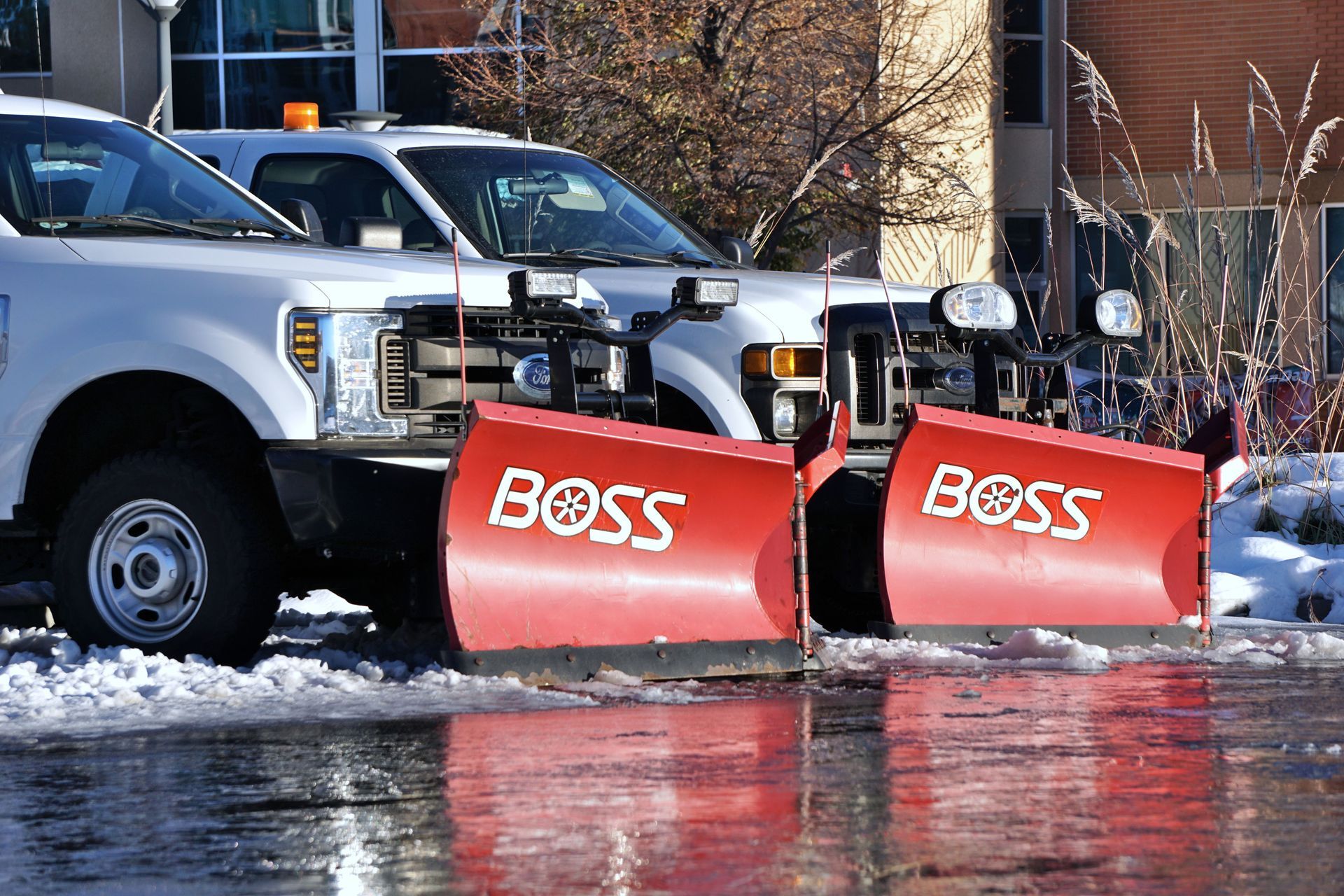
Trigger depth clauses tell you when a plow shows up — not when your property becomes a liability. See what a trigger depth actually covers, what SIMA's own guidance says it misses, and how Invictus Snowfighters' First Responder model closes the gap across the I-5 corridor. Request a quote.
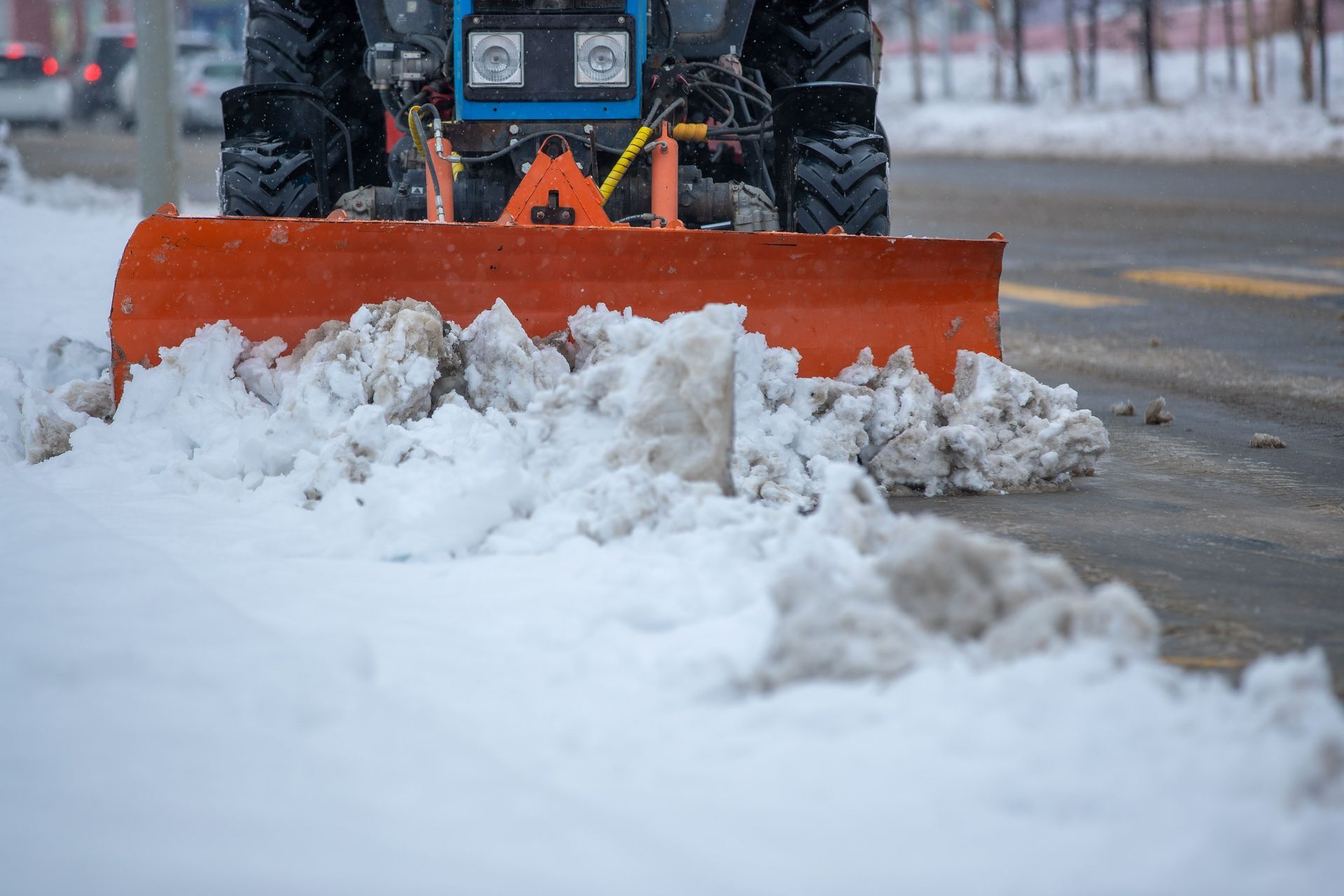
Snowplow clearing snow from a road, with a bright orange blade pushing slush forward
By Brad Caton • October 7, 2026
In-house vs. outsourced snow removal: how Pacific Northwest property managers can weigh liability, equipment costs, and staffing. ISO SN9001-certified Invictus explains what to ask. Get a quote.
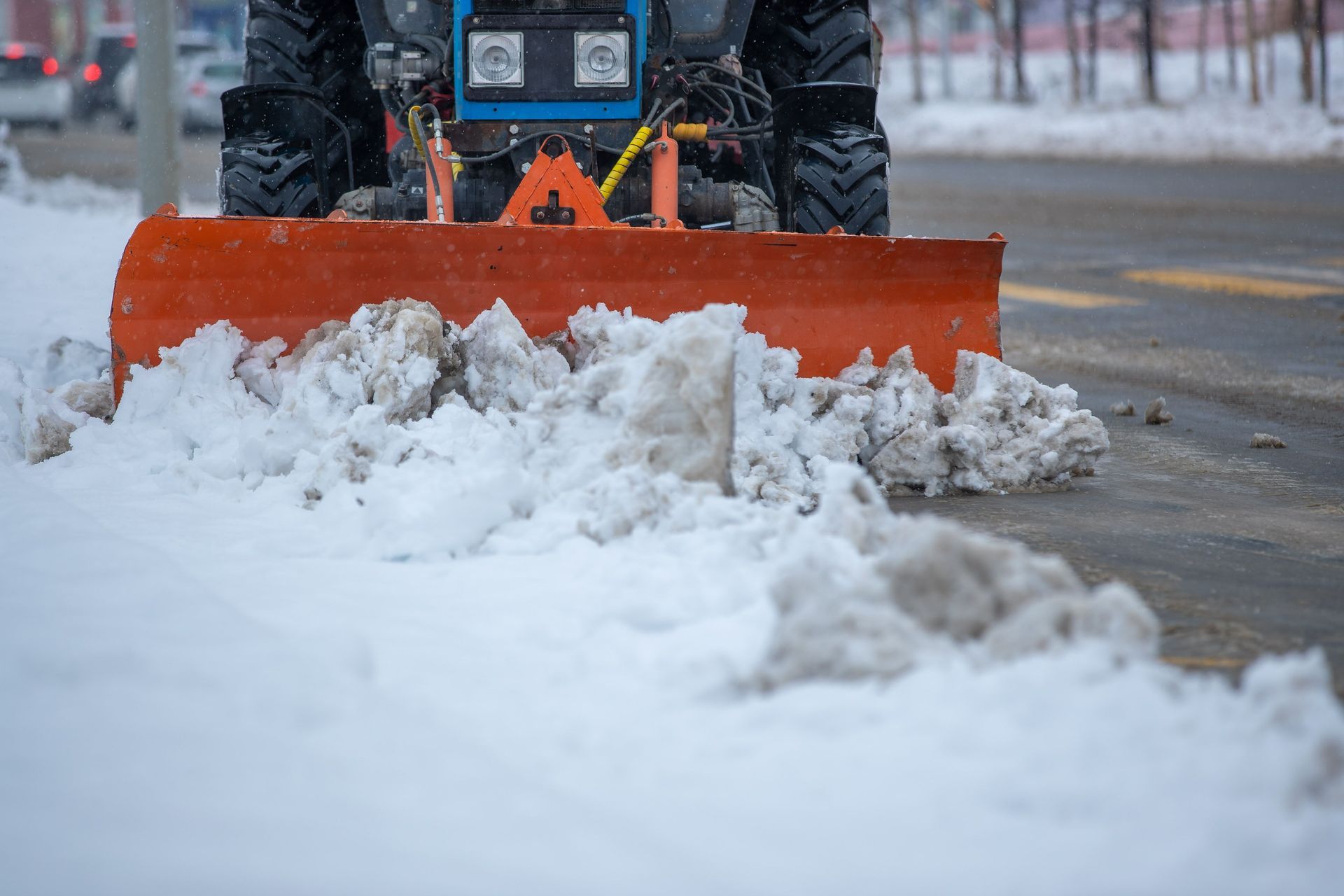
Person operating an orange snow plow clearing slush from a snowy road
By Brad Caton • October 5, 2026
Switching commercial snow removal providers takes more than a phone call — termination clauses, auto-renewal traps, and a coverage gap can all bite you. See the safe sequence for switching before winter, from a PNW snow contractor that's covered the I-5 corridor since 1990. Request a quote.
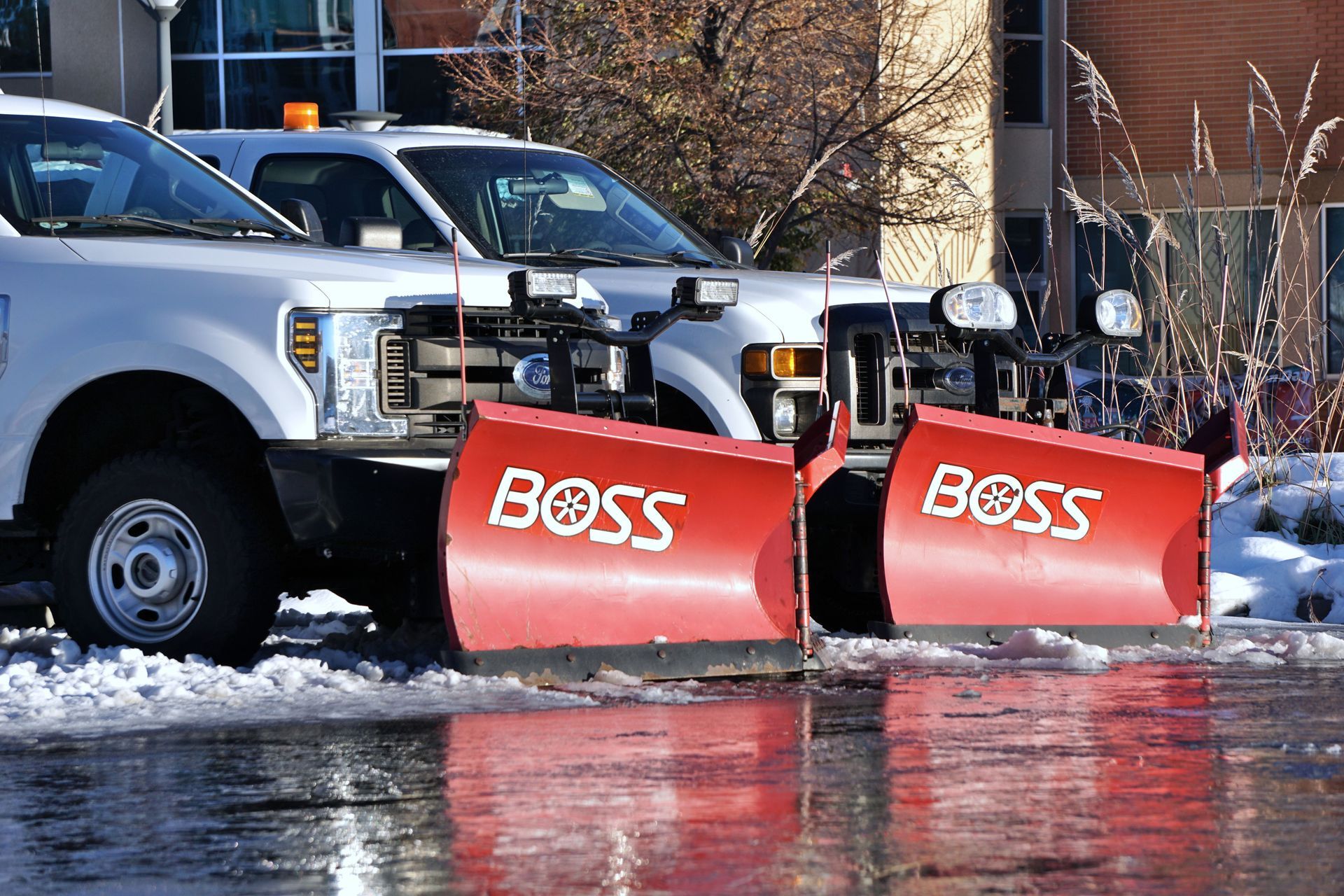
Fleet of commercial snowplow trucks staged in a yard before a winter storm in the Pacific Northwest
By Brad Caton • October 2, 2026
Snow removal equipment and staffing capacity is the best predictor of whether your site gets serviced in the worst storm of the season. Invictus breaks down the capacity math, real response-time standards, and the questions that expose an overextended contractor. Request a quote.
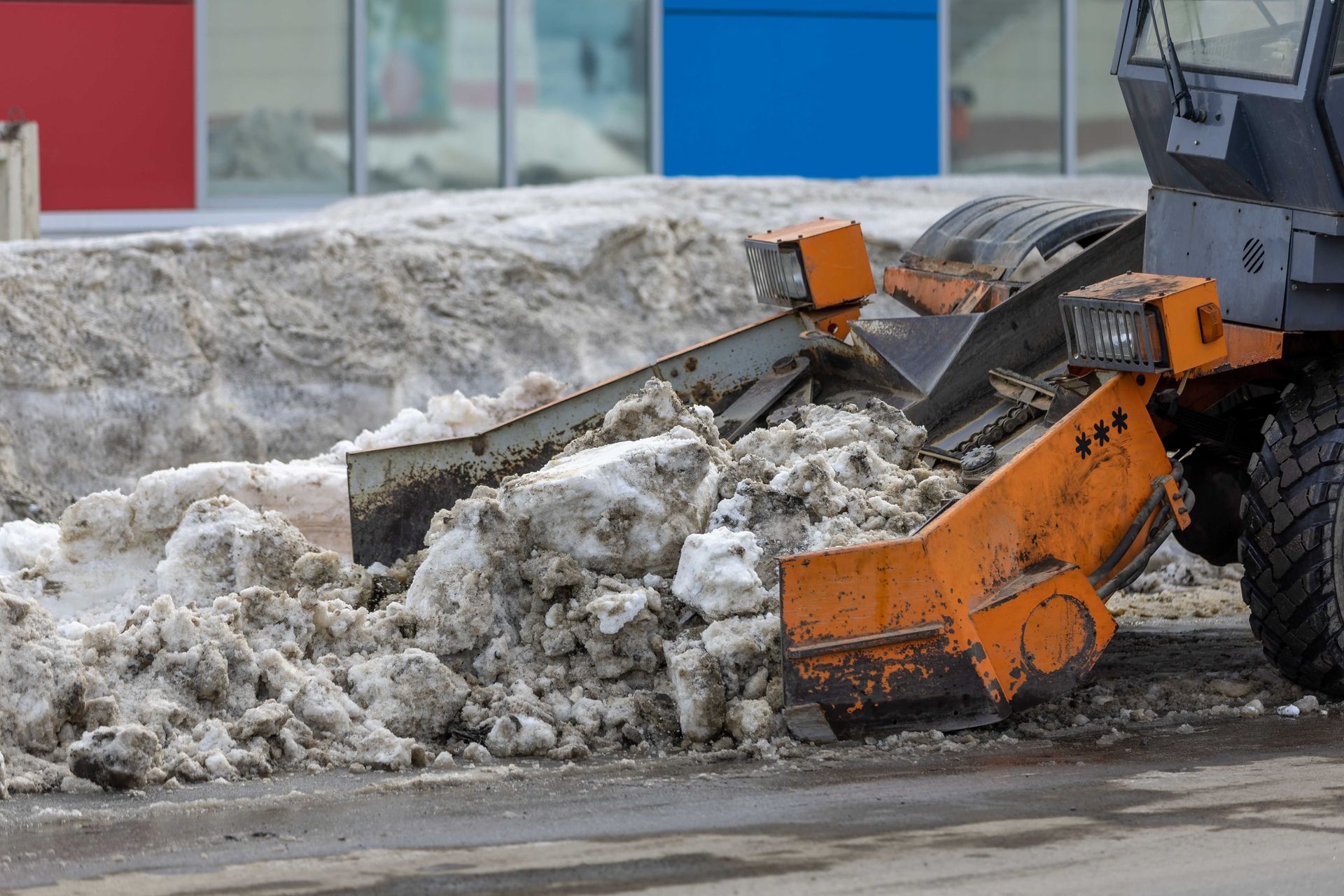
Orange snowplow clearing a large snowbank on a street beside colorful buildings
By Brad Caton • October 1, 2026
Industrial and manufacturing plant snow removal must meet OSHA's general industry standards for walking-working surfaces and powered trucks. See what ISO SN9001-certified Invictus recommends before winter. Get a quote.
Orange snowplow trucks clearing a snowy parking lot in winter
By Brad Caton • September 30, 2026
Snow removal contractor insurance shouldn't be assumed. See what coverage and documentation ISO SN9001-certified Invictus verifies before every contract. Get a quote.

Downtown Vancouver skyline in winter snow with the North Shore mountains
By Brad Caton • September 28, 2026
A record El Niño winter is forecast. What it means for snow and ice on Metro Vancouver commercial properties, what history shows, and what to do before the first arctic outflow.
Show More