
Port & Marine Terminal Snow Removal in the Pacific Northwest

Brad Caton • November 20, 2026

Share this article

 Does a facility spanning both the US and Canada need to follow both OSHA and WorkSafeBC requirements?
Yes. Each site is governed by the jurisdiction it physically sits in — a Seattle or Portland facility falls under OSHA, a Vancouver-area facility under WorkSafeBC. A portfolio spanning both needs a snow removal partner who plans for both regimes rather than defaulting to one.

 What should be in a snow removal SLA for a cargo-critical site?
At minimum: defined trigger thresholds by surface type, guaranteed response windows, documentation requirements, and escalation contacts. Our
SLA requirements guide covers the full checklist.

A retail parking lot can wait until 7 a.m. for a plow. A marine terminal cannot. When snow and ice hit a working port, container yard, or intermodal rail interface, cargo does not stop moving because the weather turned — vessels still have berth windows, chassis still need to roll, and crews are still expected to work safely on ice-glazed concrete in the dark. For property and facility managers responsible for port-adjacent or terminal-adjacent sites in the Vancouver–Seattle–Portland corridor, winter readiness is not a landscaping line item. It is an operational continuity plan.

This guide breaks down why cargo-critical sites need a different snow and ice standard than a typical commercial lot, what actually happens to port and terminal operations during winter storms, the regulatory obligations that apply on both sides of the US–Canada border, and what to look for in a partner built for this kind of work.

1. Why Ports and Marine Terminals Can't Treat Snow Like a Parking Lot

Most commercial snow removal contracts are written around a simple assumption: the property closes, or at least slows down, during a storm. It's the same assumption behind most vendors' service areas — which is part of why our Seattle and Portland crews are built around cargo-schedule response times rather than a standard next-morning route. A retail center loses some foot traffic. An office park sees fewer cars. A port or marine terminal does not get that grace period. Container handling equipment, chassis movement, rail interchange, and truck gates are scheduled against vessel arrivals and rail cutoffs that do not move for weather. A terminal that goes dark for a day does not just lose a day — it pushes a backlog into the next vessel call, the next rail block, and the next customer's supply chain.

That changes what "acceptable response time" means. A standard commercial snow plan built for a strip mall parking lot, with next-morning service and a single plow truck, is not built for a site where forklifts, top picks, and yard tractors are moving heavy loads across the same ice that would just be an inconvenience anywhere else. The margin for error on a working cargo yard is smaller, and the consequences of a slip, a stuck reefer unit, or a blocked gate lane are larger.

2. What Winter Storms Actually Do to Port and Terminal Operations

This is not a hypothetical risk. During Winter Storm Fern in January 2026, logistics provider Green Worldwide Shipping reported widespread disruption "including delays at air cargo hubs and limited access at key ports and terminals" across affected regions ( Green Worldwide Shipping, January 2026). Around the same storm system, freight forwarder Kuehne+Nagel told customers that "key US ports halted operations as a result of the severe snowstorm," with ports and coastal terminals among the hardest-hit links in the chain ( Kuehne+Nagel service advisory, January 2026).

This pattern is not new or one-off. Ocean carrier Maersk's own winter operations advisory noted that even when "terminals generally clear," loading still slows because snow and ice have to be removed from rail cars and equipment wells before cargo can move safely ( Maersk winter operations update). And logistics provider Melton Logistics puts it plainly in its winter shipping guidance: cold weather "doesn't just impact trucks — ports, intermodal terminals, and rail yards also experience operational slowdowns" ( Melton Logistics, 2025). For a property manager or terminal operator in the Pacific Northwest, the takeaway is straightforward: winter weather does not just slow down surface streets. It slows down the exact yards, gates, and rail interchanges that a cargo operation depends on — unless someone is actively keeping ice and snow off of them before they become a bottleneck.

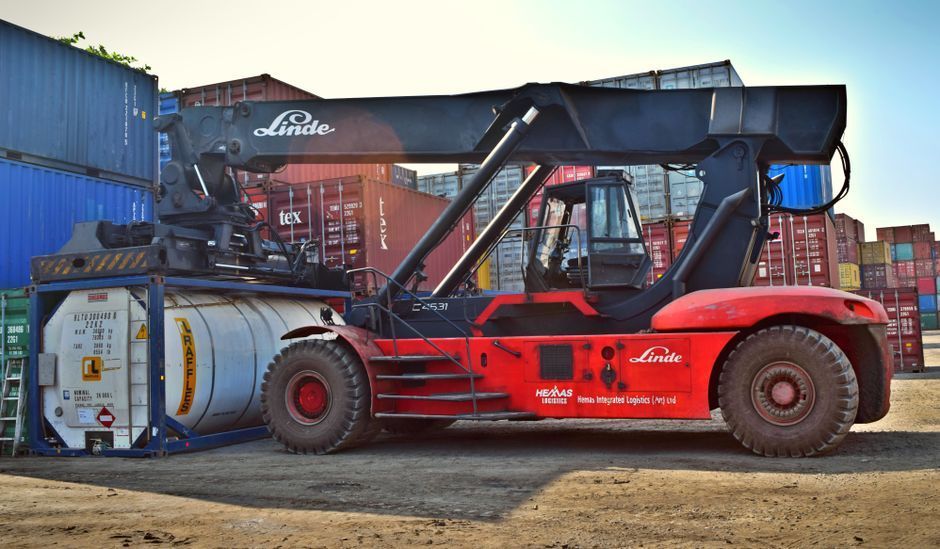
Red container handler lifting a white tank container in a shipping yard

3. The Regulatory Reality: OSHA and WorkSafeBC Requirements for Outdoor Industrial Sites

A port-adjacent facility spanning the Vancouver–Seattle–Portland corridor sits under two different regulatory regimes, and both take winter conditions seriously. On the US side, OSHA's guidance is direct: "employers should clear snow and ice from walking surfaces, and spread deicer, as quickly as possible after a winter storm," and where snow removal from rooftops or elevated surfaces is required, employers "must" provide fall protection and training ( OSHA, Winter Weather). For a facility with catwalks, gantry structures, or elevated walkways — common at marine terminals — that fall-protection obligation is not optional.

On the Canadian side, WorkSafeBC has published hard numbers on what winter conditions actually do to outdoor workforces. Between 2017 and 2021, WorkSafeBC accepted close to 100 claims for cold-stress injuries, with 80 percent occurring during the winter months of November through March. Slip, trip, and fall injuries rise by an estimated 11 percent between November and March across all sectors, and workers are 18 percent more likely to be injured in a motor vehicle incident during winter driving conditions ( WorkSafeBC news release, December 2022). For a terminal running yard tractors and forklifts across the same footprint as forklift and pedestrian traffic, that 11 percent isn't an abstract statistic — it's a direct liability exposure on ice that wasn't cleared in time.

A facility operating only on one side of the border can plan around one regulator. A multi-site portfolio spanning Vancouver, Seattle, and Portland has to satisfy both — which is exactly the kind of cross-border compliance question our guide to cross-border snow removal for multi-property portfolios walks through in more depth.

4. The "First Responder" Standard for Cargo-Critical Sites

Invictus has serviced commercial snow and ice accounts across the Pacific Northwest since expanding out of the cleaning industry in the early 2000s, and the operating philosophy that came out of those early years still holds: this is first-responder work, not landscaping. People get hurt on ice. Cargo yards, with heavy equipment moving in tight lanes, raise the stakes further. That's the thinking behind the on-site first responder unit model — a pre-positioned, ice-melt-stocked unit on large or high-stakes properties so a response doesn't have to wait for a truck to fight its way across town during the worst of a storm.

For a port or marine terminal, that on-site readiness matters more than almost anywhere else, because the alternative — waiting for a plow truck that is also trying to service five other commercial accounts during the same storm — is the exact gap that turns a routine snowfall into a blocked gate lane or a slip-and-fall claim. Documentation matters just as much as response speed. Geo-fenced service verification and time-stamped records of when a lane, dock apron, or walkway was last treated are what actually hold up if an incident does happen, a point covered in detail in our guide to snow removal documentation and premises liability.

5. What a Cross-Border Snow Partner Brings to a Multi-Terminal Portfolio

Property managers overseeing more than one cargo-adjacent site across the region face a coordination problem most snow removal companies simply aren't built to solve: nobody else services Vancouver BC, Seattle, and Portland with the same crews and equipment under one contract. That geographic reach is Invictus's own stated differentiator, and it matters operationally, not just administratively. One point of contact, one invoicing structure, and one escalation path across a multi-terminal or multi-site portfolio removes the coordination gap that shows up when a property manager is juggling four or five regional vendors, each with its own response standard.

It also enables the kind of portfolio-level pricing that comes from bundling square footage across sites rather than negotiating each site separately the same economy-of-scale logic covered in our 2026 commercial snow removal pricing guide. For a facility manager comparing options, that consolidation is worth asking about directly: how many separate vendors would it take to cover a Vancouver-to-Portland footprint, and what does that fragmentation cost in response consistency during a single, fast-moving storm.

6. Building a Winter Readiness Plan for Your Port or Terminal

A cargo-critical site benefits from a more structured plan than a typical commercial property. At minimum, that plan should include:

  • Trigger thresholds tied to operations, not just accumulation. A quarter-inch of ice on a gate lane is a different risk than a quarter-inch on an unused corner of a parking lot. Response thresholds should reflect which surfaces are actually load-bearing traffic lanes.
  • Pre-positioned equipment and material. Waiting for a truck to be dispatched from off-site loses time a working terminal doesn't have. An on-site or near-site first responder unit closes that gap.
  • Elevated-surface protocols. Catwalks, gantry structures, and rooftop equipment areas fall under OSHA's fall-protection requirements for snow removal — a plan that only covers ground-level surfaces is incomplete.
  • Documented, time-stamped service records. Geo-fenced verification of when each zone was last treated protects the operator if a slip-and-fall or delay dispute arises later.
  • A single point of contact across every site in the portfolio , so a multi-terminal operation isn't managing four separate vendor relationships during the same storm.

A written plan built around these five points, reviewed before the season starts rather than during the first storm, is the difference between a terminal that absorbs a snow event and one that spends the following week explaining a delay to customers. Our pre-winter site assessment guide covers how to structure that review, and this is also the point in the year when locking in a contract before demand peaks actually saves money.

7. Frequently Asked Questions

  • Is snow removal liability different at a port or terminal than at a typical commercial property?

    The underlying premises liability principles are similar, but the exposure is higher because of heavy equipment traffic, higher foot traffic in load zones, and the operational cost of a shutdown. See our guide on slip-and-fall liability and commercial snow removal for the general framework that applies. 


  • Does a facility spanning both the US and Canada need to follow both OSHA and WorkSafeBC requirements?

    Yes. Each site is governed by the jurisdiction it physically sits in a Seattle or Portland facility falls under OSHA, a Vancouver-area facility under WorkSafeBC. A portfolio spanning both needs a snow removal partner who plans for both regimes rather than defaulting to one. 

  • What should be in a snow removal SLA for a cargo-critical site?

    At minimum: defined trigger thresholds by surface type, guaranteed response windows, documentation requirements, and escalation contacts. Our SLA requirements guide covers the full checklist. 


  • How is this different from warehouse or distribution center snow removal?

    The principles overlap significantly — see our warehouse and distribution center snow removal guide — but a port or terminal typically adds vessel- or rail-schedule dependencies and, in many cases, elevated structures that bring additional OSHA fall-protection obligations into play. 

Conclusion

A working port or marine terminal doesn't get to wait out a storm the way a retail lot can. The operational stakes, the regulatory exposure on both sides of the border, and the safety risk to crews working around heavy equipment all point to the same conclusion: winter readiness for a cargo-critical site needs to be planned before the season starts, not improvised during the first snowfall. If your portfolio includes port-adjacent, terminal, or industrial cargo sites anywhere between Vancouver, Seattle, and Portland, talk to our team about a winter readiness plan built around your operating schedule, not a generic commercial route.

Recent Posts

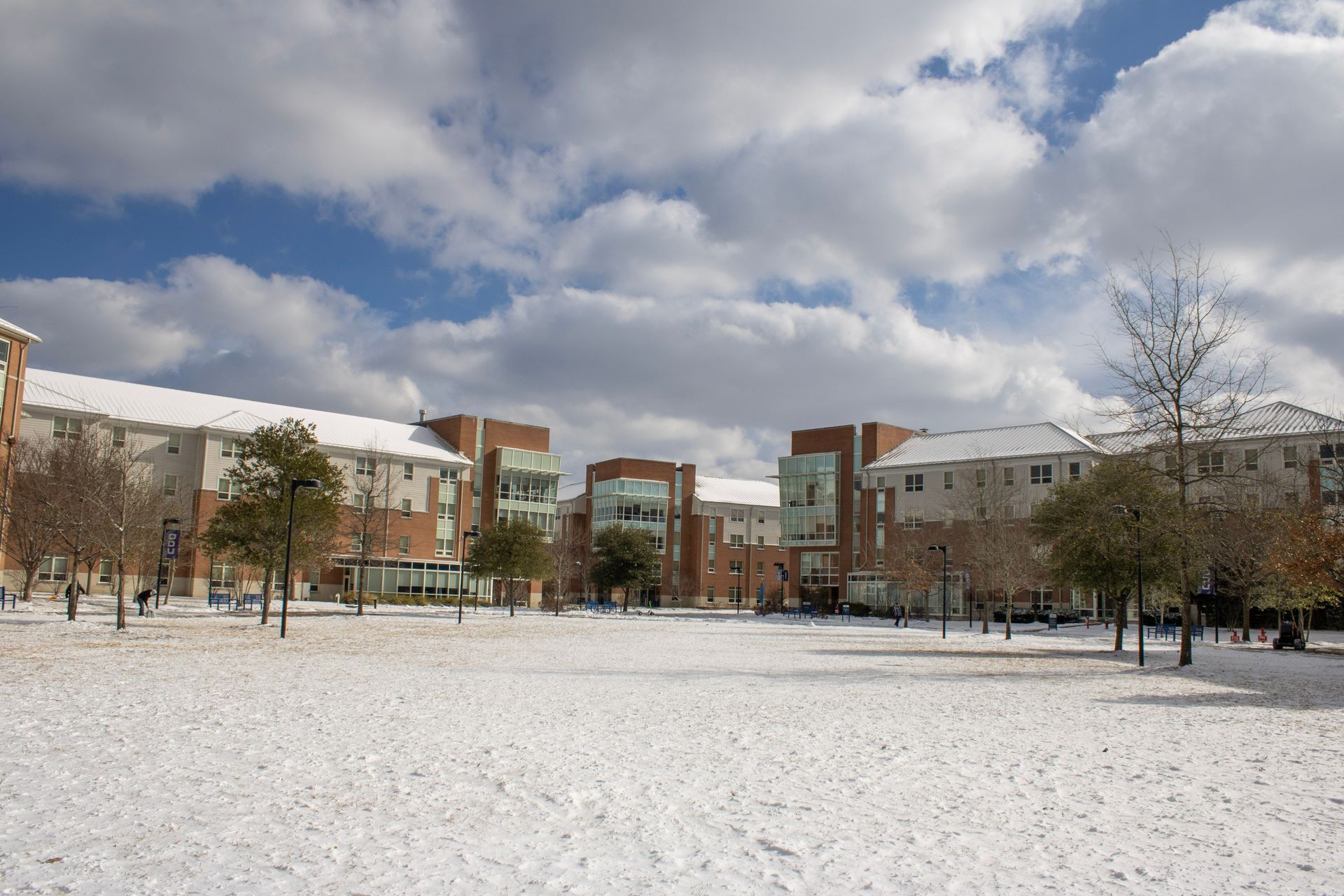
Snow-covered college campus courtyard with brick buildings under a cloudy sky
By Brad Caton • November 18, 2026
Corporate and tech campus snow removal carries OSHA and ADA duties a single building doesn't. See what facilities teams should require in a contract, from equipment-matched capacity to First Responder coverage. ISO SN9001 certified, Vancouver BC to Portland. Request a quote.
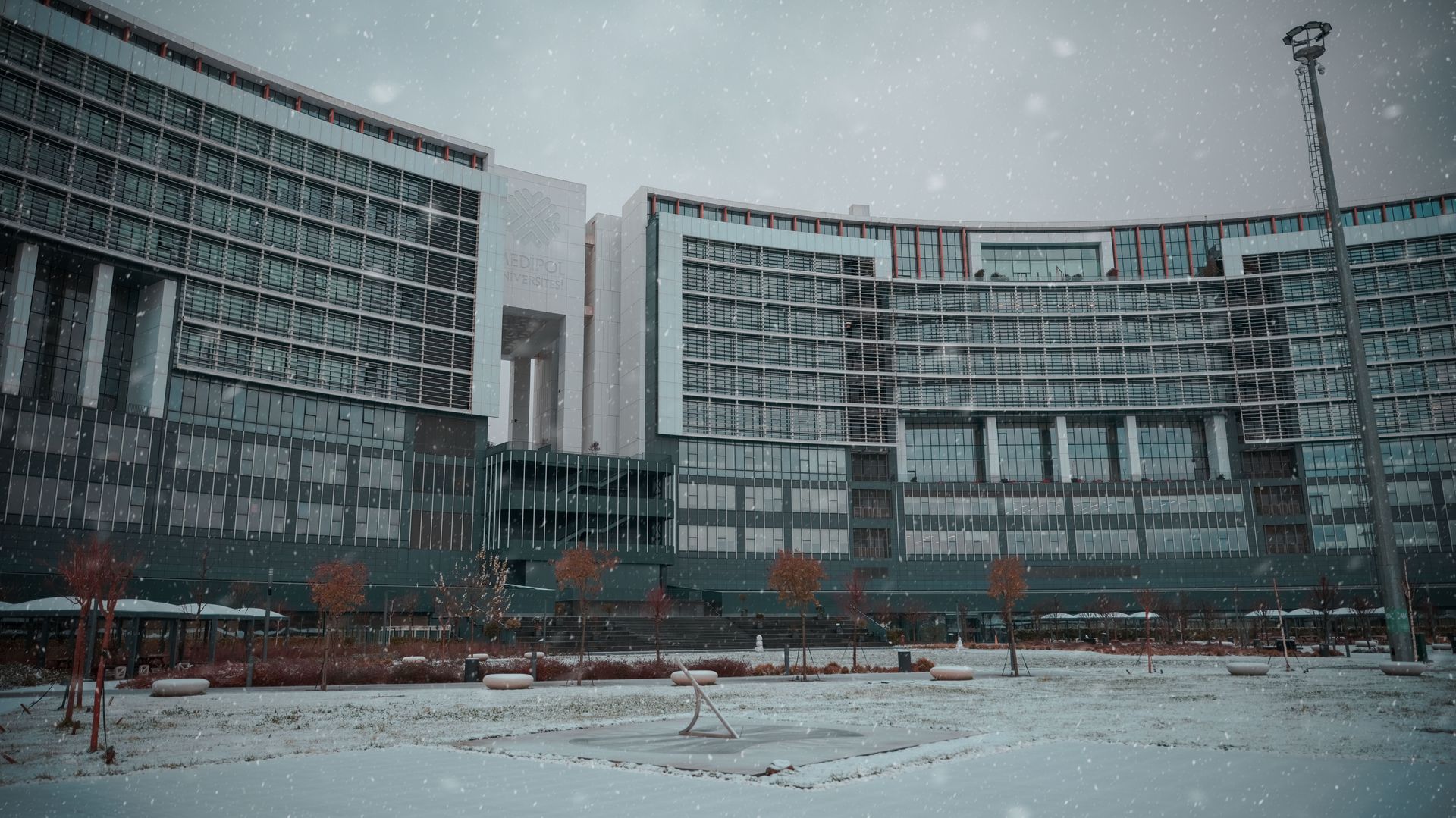
Snowy modern office buildings in a city plaza under overcast skies
By Brad Caton • November 16, 2026
Data center snow removal isn't standard plowing — Tier III/IV uptime guarantees depend on generator and cooling access that snow can block. See what PNW facility managers need. Invictus covers Vancouver, Seattle & Portland.

Snow-covered hotel entrance in the Pacific Northwest with a cleared walkway
By Brad Caton • November 13, 2026
Hotel and resort snow removal in the Pacific Northwest carries guest-safety and reputation stakes standard commercial plans miss. See what ISO SN9001-certified Invictus recommends before winter arrives. Call 888-459-0994 for a quote.
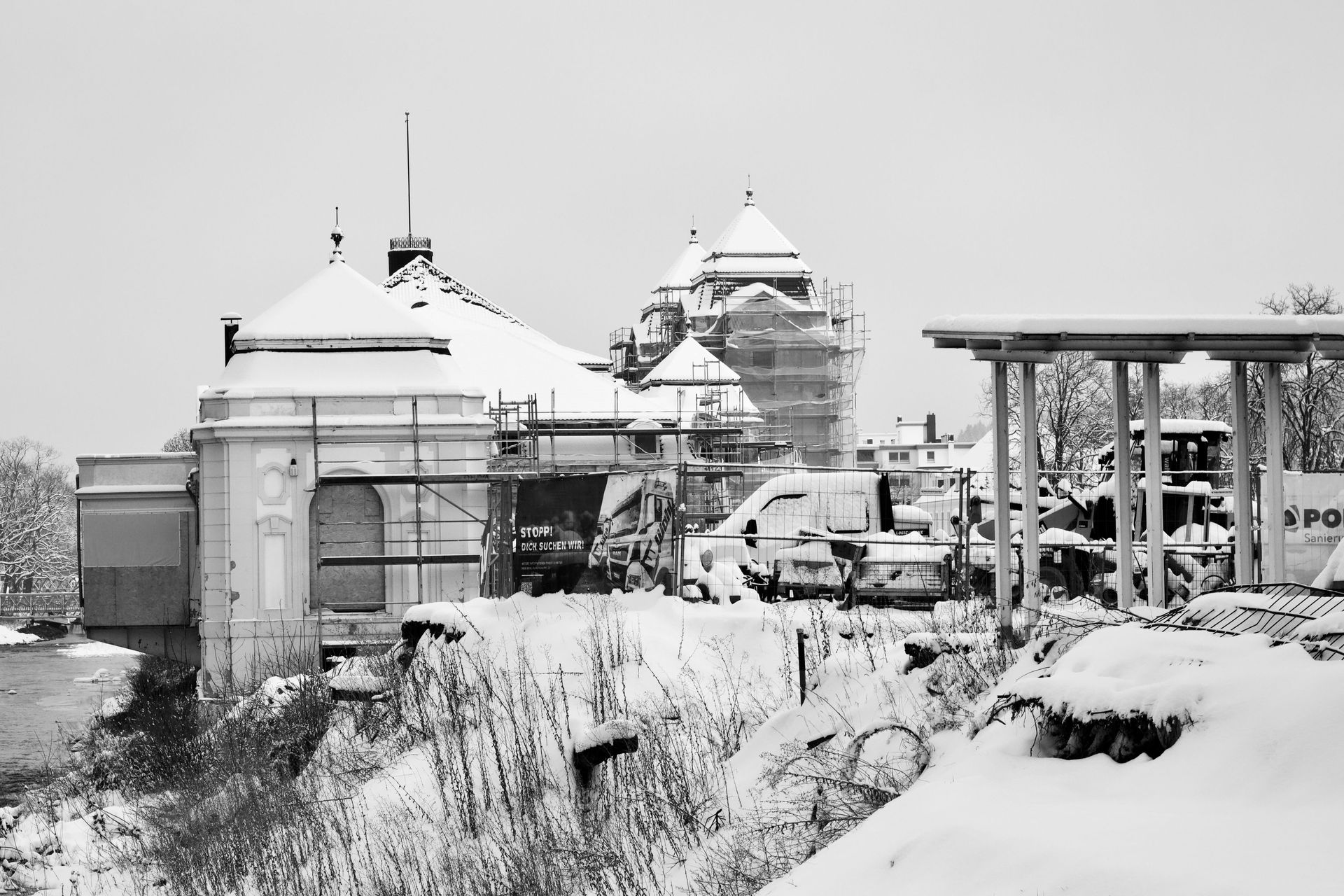
Snow-covered industrial buildings and machinery in a winter landscape, with a crane on the right.
By Brad Caton • November 11, 2026
Construction site snow and ice management carries fall and struck-by risks OSHA won't let GCs ignore. ISO SN9001-certified Invictus explains what to plan for. Get a quote.
Snow-covered municipal government building parking lot in Washington state with a cleared walkway
By Brad Caton • November 9, 2026
Municipal and government facility snow removal in Washington falls under RCW 39.12 prevailing wage law, even for maintenance contracts with no minimum value. See what your agency must require before work begins, from ISO SN9001-certified Invictus. Request a quote.
Snow removal technician documenting a cleared commercial parking lot at dawn
By Brad Caton • November 6, 2026
Church and nonprofit boards often assume Good Samaritan law protects a volunteer who shovels snow. It doesn't. See what Washington's RCW 4.24.670 actually covers, where it leaves your organization exposed, and the service records that hold up. Request a quote before winter.
Snow-covered commercial property in the Pacific Northwest
By Brad Caton • November 4, 2026
Business interruption insurance doesn't automatically cover a winter storm closure. See what actually triggers coverage, what's excluded, and what ISO SN9001-certified Invictus recommends Pacific Northwest property owners verify. Get a quote.
Snow-covered brick building with a metal roof and blue and red doors in bright sunlight
By Brad Caton • November 2, 2026
Loading dock snow and ice are named hazards under OSHA's walking-working surfaces rule — yet most snow removal contracts stop at the parking lot. See what's required, and how ISO SN9001-certified Invictus Snowfighters covers docks across the I-5 corridor. Request a quote.
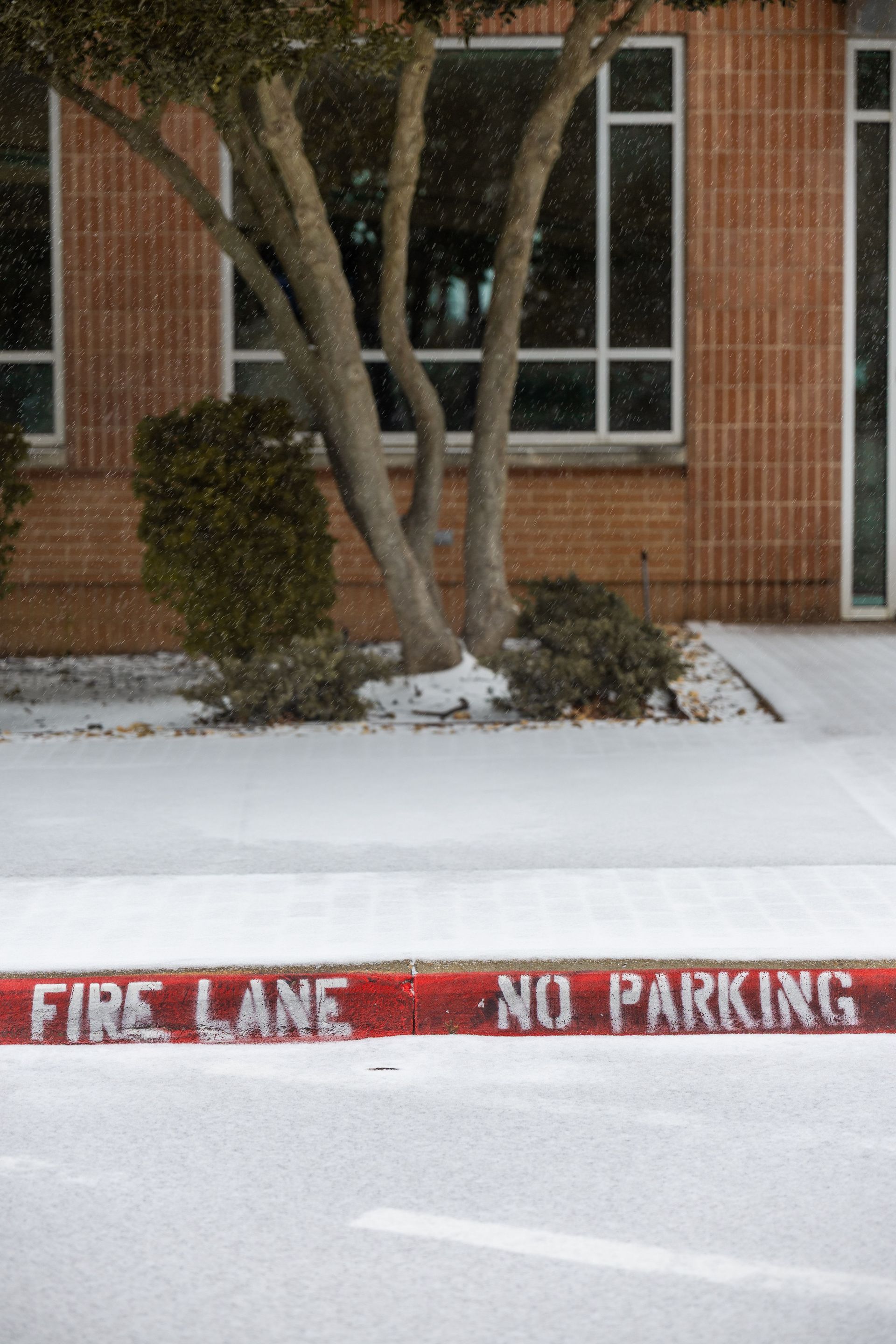
Snowy sidewalk by brick building with a tree and red curb marked “FIRE LANE NO PARKING”
By Brad Caton • October 30, 2026
A snow-covered fire lane or hydrant is a fire code violation, not just an inconvenience. ISO-certified Invictus Snowfighters breaks down what NFPA 1 and the fire code actually require. Request a quote.
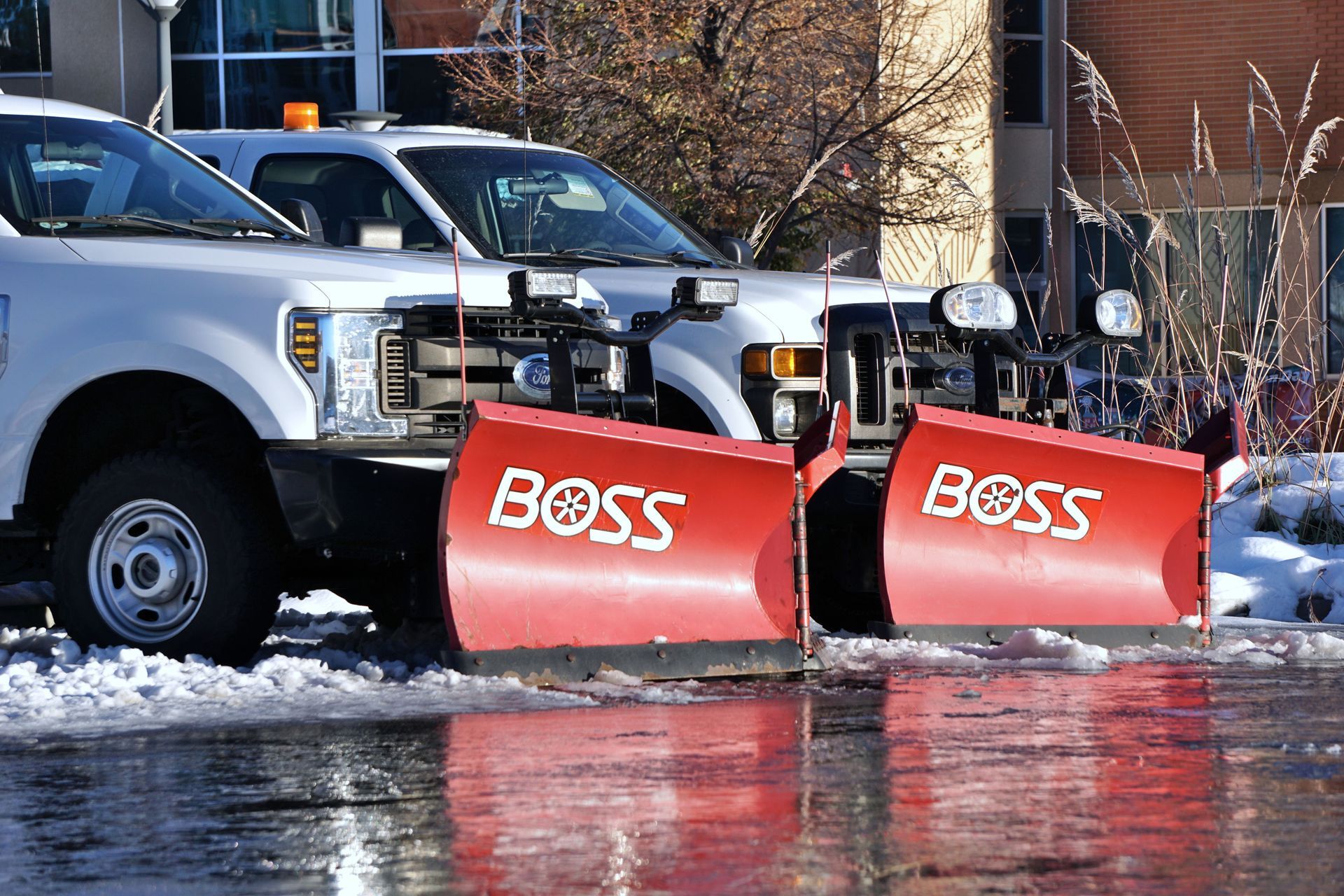
Snow plow clearing a commercial parking lot at dawn in the Pacific Northwest
By Brad Caton • October 28, 2026
WorkSafeBC winter safety requirements mean BC employers must run a documented risk assessment before snow hits. Invictus Snowfighters, the region's only ISO-certified provider, breaks down what to verify and how to prepare. Contact us before the season starts.
Show More