
The First Responder Unit: How On-Site Ice Management Changes the Response Equation for Pacific Northwest Commercial Properties

Brad Caton • June 30, 2026

Share this article

The Response Time Problem Nobody in Commercial Snow Removal Talks About

Every commercial snow removal contract in the Pacific Northwest lists a response time. Two hours. Four hours. "As soon as possible." Property managers review these numbers during the bidding process, compare them between contractors, and often use them as a primary selection criterion. They're measuring the wrong thing.

A contractor's response time — measured from the moment a trigger fires — starts the clock at the dispatch yard, not at your property. By the time a crew routes to your site, deploys equipment, and makes first contact with ice accumulation, the actual intervention can be three, four, or more hours past the moment conditions became dangerous. For a commercial property with a 6 AM opening and a parking lot that turned to black ice at 3 AM, a four-hour contractual response window and an eight-hour actual wait are both failures. They just look different on paper.

Invictus operates on a different premise: the most effective intervention happens before the crew truck leaves the yard. That premise is built into a specific service element we deploy on large commercial sites — the First Responder Unit — and it changes the response equation entirely for property managers whose tenant obligations, liability exposure, and foot traffic cannot afford to wait on dispatch.

What a First Responder Unit Actually Is

A First Responder Unit is a staged, on-site cache of ice management materials — typically housed in a 40-foot C-can positioned on your commercial property — stocked with ice melt, de-icing product, and the application equipment needed to treat the site's highest-liability surfaces the moment conditions deteriorate.

The concept is straightforward. Instead of all ice management product and equipment sitting at a dispatch location miles from your property, a pre-positioned resource lives on site. When a freezing rain event starts at 2 AM and automated monitoring detects conditions at your property, the crew responding to that trigger is not driving to your site loaded with product from a central yard. They are activating a cache that is already there. The gap between "conditions are dangerous" and "treatment has begun" collapses from hours to minutes.

This is the same logic that drives fire station placement. The most critical factor in emergency response is not how fast a unit can travel — it is how close the nearest unit already is. For commercial snow removal, where the first 30 minutes after a hard freeze event develops can determine whether a property stays safe or generates a slip-and-fall claim, the distance between the product and the property matters more than the speed of any dispatch system.

Brad Caton, founder of Invictus Snowfighters, frames it this way: "This is first responder business. People die in snow and ice situations. When they slip and fall and hit their head, it happens. It is not like cutting a lawn — you cannot plan for it the same way. Mother Nature is in control." The First Responder Unit is how Invictus operationalizes that philosophy for large commercial clients.

How On-Site Staging Changes the Liability Equation

Commercial property managers in the Pacific Northwest operate under premises liability frameworks that hold them responsible for exercising reasonable care to maintain safe conditions — regardless of what their snow removal contractor was doing at the time of an incident. The legal standard is not whether you had a contract in place. It is whether you took appropriate action given the conditions and the foreseeable risk.

This creates two distinct liability levers that a First Responder Unit addresses simultaneously. The first is response speed: treating a developing ice condition within minutes of onset rather than hours after dispatch creates a materially different risk profile during the treatment gap. The second is documentation: every activation of an on-site First Responder Unit is logged, timestamped, and geo-fenced. The record of when treatment began, what materials were applied, and what areas were covered is generated automatically — not reconstructed from memory days after the fact.

We have written in depth about what Pacific Northwest premises liability law actually requires from snow removal documentation. The relevant point here is that earlier intervention with automatic documentation creates a stronger legal position than delayed intervention with the same documentation. The window between "ice forms" and "treatment begins" is where slip-and-fall risk concentrates — and First Responder staging compresses that window.

The Pacific Northwest Ice Problem: Why Delayed Treatment Carries Outsized Risk

Not all ice events are equal, and the Pacific Northwest produces some of the most difficult conditions on the continent for commercial property management. The region's characteristic atmospheric river storms and freeze-thaw cycles produce black ice — a thin, nearly transparent glaze that forms when rain freezes on already-cold pavement — that is more hazardous to pedestrians than the heavy, visible snowfall that other regions primarily face.

Unlike deep snow accumulation, which is visually obvious and triggers immediate behavioral caution, black ice is invisible. Tenants and customers do not know to slow down. The slip-and-fall incident that results does not look like a snow removal failure — it looks like the surface appeared dry when it was not, which is exactly the condition that generates the most significant liability exposure for property owners and managers.

The commercial snow removal market in the Pacific Northwest is structurally underprepared for this. The U.S. private snow and ice management industry generates $20.8 billion in revenue across 88,200 businesses, but four out of five of those businesses are sole proprietors operating from a single location without staged product on client properties. For commercial sites without advance seasonal contracts, Brookstone Landscapes' analysis of Pacific Northwest winter service availability documents what this fragmentation produces in practice: "Properties attempting to secure service during an active storm may face delays of 24 hours or more as providers work through committed obligations. The Pacific Northwest's limited snow removal infrastructure makes advance planning particularly critical compared to regions with more abundant winter service capacity."

On-site staging does not solve the market fragmentation problem. But for property managers who recognize the structural gap and plan for it, First Responder Units represent a specific, contractually defined risk reduction for their highest-exposure properties.

What to Ask Your Contractor About On-Site Staging Capability

First Responder Units are not a standard offering across the industry. They require physical space on the property for the C-can, a contractor with the operational scale to stock and maintain staged product across multiple client sites, and the logistics infrastructure to replenish supplies between storm events. Most contractors — including many with strong service reputations in a single market — do not have the capacity to operate staged product at client properties outside their primary dispatch location.

These questions reveal actual staging capability during your summer contracting evaluation:

  • Do you operate on-site staged product for large commercial clients? A contractor who does not know what this means has not thought about the response gap. A contractor who says yes should be able to describe the logistics in specific operational detail.
  • What is the minimum property footprint or service requirement that qualifies for on-site staging? First Responder Units deliver the most material benefit at high-traffic commercial sites with significant covered walkway area, parking infrastructure, and early-morning opening obligations. A contractor should be able to tell you which properties in your portfolio qualify and why.
  • How is the staged product replenished between events? A C-can depleted after a major storm and not restocked before the next event is not a functioning First Responder Unit. Ask specifically about restocking protocol and the cycle time between events.
  • Is activation of on-site staged product logged in the same documentation system as your standard service records? For liability purposes, a First Responder Unit activation must be documented as rigorously as any other service event. An informal arrangement that is not automatically logged and geo-fenced does not protect you in court.

Our full guide to questions for evaluating a commercial snow removal company covers the broader vendor assessment framework. These staging-specific questions build on that foundation for properties where response speed is a material factor in your risk profile.

First Responder Service vs. Standard Dispatch: The Practical Difference

The difference between the two models is most visible when conditions develop between 11 PM and 5 AM — the window when most Pacific Northwest freezing rain and hard-freeze events peak, and when most contractor crews are not positioned near your property.

Standard dispatch model: A weather trigger fires, a dispatcher is notified, a crew is routed from a central location that may be 45 minutes or more from your property. The crew arrives, unloads product from the truck, and begins treatment. Elapsed time from "conditions dangerous" to "treatment active": two to four hours in a best-case scenario, longer if multiple client properties are triggering simultaneously.

First Responder Unit model: A trigger fires, a crew is routed — but the product cache is already staged on your property. Treatment begins within minutes of crew arrival because the crew is deploying from on-site inventory, not carrying product from a remote location. Elapsed time from "conditions dangerous" to "treatment active": materially shorter at the property level, with automated documentation of the exact treatment start time.

For property managers, the practical assessment is property-specific. A high-traffic retail anchor with a large surface parking lot and a 7 AM opening does not have the same risk profile as a mid-size office property with underground parking and a 9 AM opening. Our commercial snow removal services are structured to match staging resources to the specific risk profile of each property in a portfolio — not as a uniform offering applied at the same level across every site.

How to Act on This Before Contracting Season Closes

Most Pacific Northwest property managers finalize their winter service contracts between July and September. Contractors who can offer on-site staging — and who have the operational infrastructure to sustain it across a portfolio spanning the I-5 corridor — are allocating C-can positions, committing equipment, and planning supply logistics for the coming season now. First Responder Unit capacity at specific commercial properties is finite, and it is committed during the contracting process, not arranged after the first storm has already happened.

Invictus Snowfighters has operated across the full I-5 corridor since 2002 — from commercial snow removal in Greater Vancouver and the Lower Mainland to Seattle and the surrounding metro to Portland and the Willamette Valley — with our own equipment and crews on both sides of the border. No subcontractors. No aggregators. The geographic reach to service a cross-border commercial portfolio, combined with on-site First Responder staging capability, is not a combination you will find elsewhere in this market.

If on-site ice management staging is relevant to your portfolio's risk management strategy, request a portfolio assessment now. We will identify which of your Pacific Northwest properties have a risk profile where First Responder staging changes the liability equation — and which the standard model covers adequately. Learn more about how Invictus is built specifically for the Pacific Northwest commercial property market.

Frequently Asked Questions

Is a First Responder Unit appropriate for every commercial property?

No. First Responder Units deliver the most material benefit at high-traffic commercial sites with significant pedestrian infrastructure, early opening obligations, and direct exposure to freezing rain and black ice events. Mid-size office buildings with underground parking, lower foot traffic, and later opening times may achieve adequate risk management through a standard dispatch model with a strong service level agreement. The evaluation is property-specific. For context on how to assess your liability exposure by property type, see our guide on slip-and-fall liability and commercial snow removal in the Pacific Northwest.

How does the First Responder Unit interact with my existing snow removal contract?

First Responder Unit deployment is structured as part of a seasonal commercial snow removal contract — not as an informal or ad hoc arrangement. The scope of materials staged, service triggers, documentation protocol, and restocking cycle are defined before the season begins. This ensures you have a legally documented service structure if a claim is ever filed. Our breakdown of commercial snow removal contracts in the Pacific Northwest covers how service elements like on-site staging are properly integrated into your agreement.

Can Invictus deploy First Responder Units at properties in both the US and Canada?

Yes. Invictus operates across the full I-5 corridor with our own equipment and crews on both sides of the border — Greater Vancouver and the Lower Mainland, Seattle and the surrounding metro, Portland and the Willamette Valley. First Responder Unit logistics are handled from our regional infrastructure, not through subcontractors. Reach out to discuss your cross-border commercial portfolio with our team.

Recent Posts

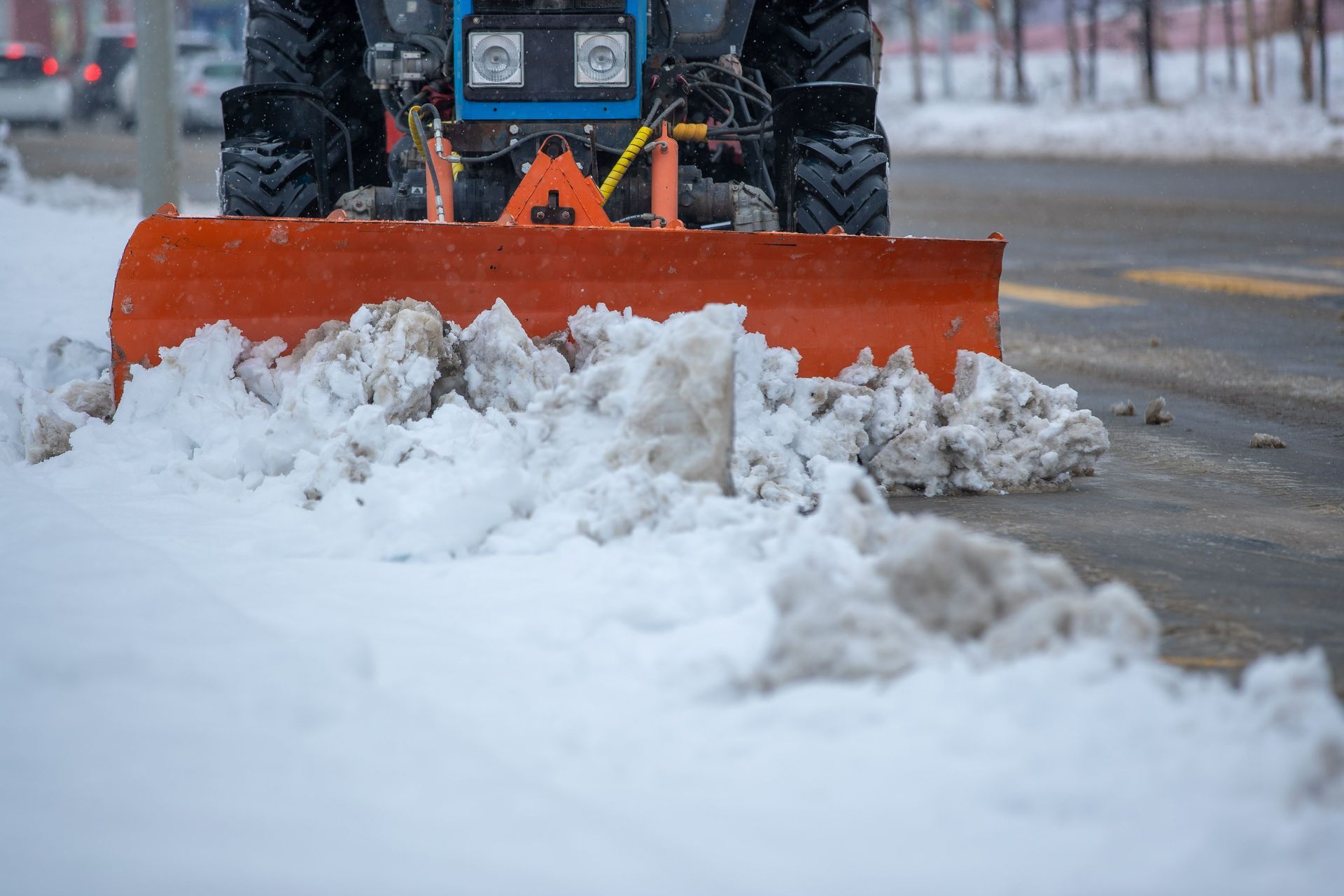
Person operating an orange snow plow clearing slush from a snowy road
By Brad Caton • October 5, 2026
Switching commercial snow removal providers takes more than a phone call — termination clauses, auto-renewal traps, and a coverage gap can all bite you. See the safe sequence for switching before winter, from a PNW snow contractor that's covered the I-5 corridor since 1990. Request a quote.
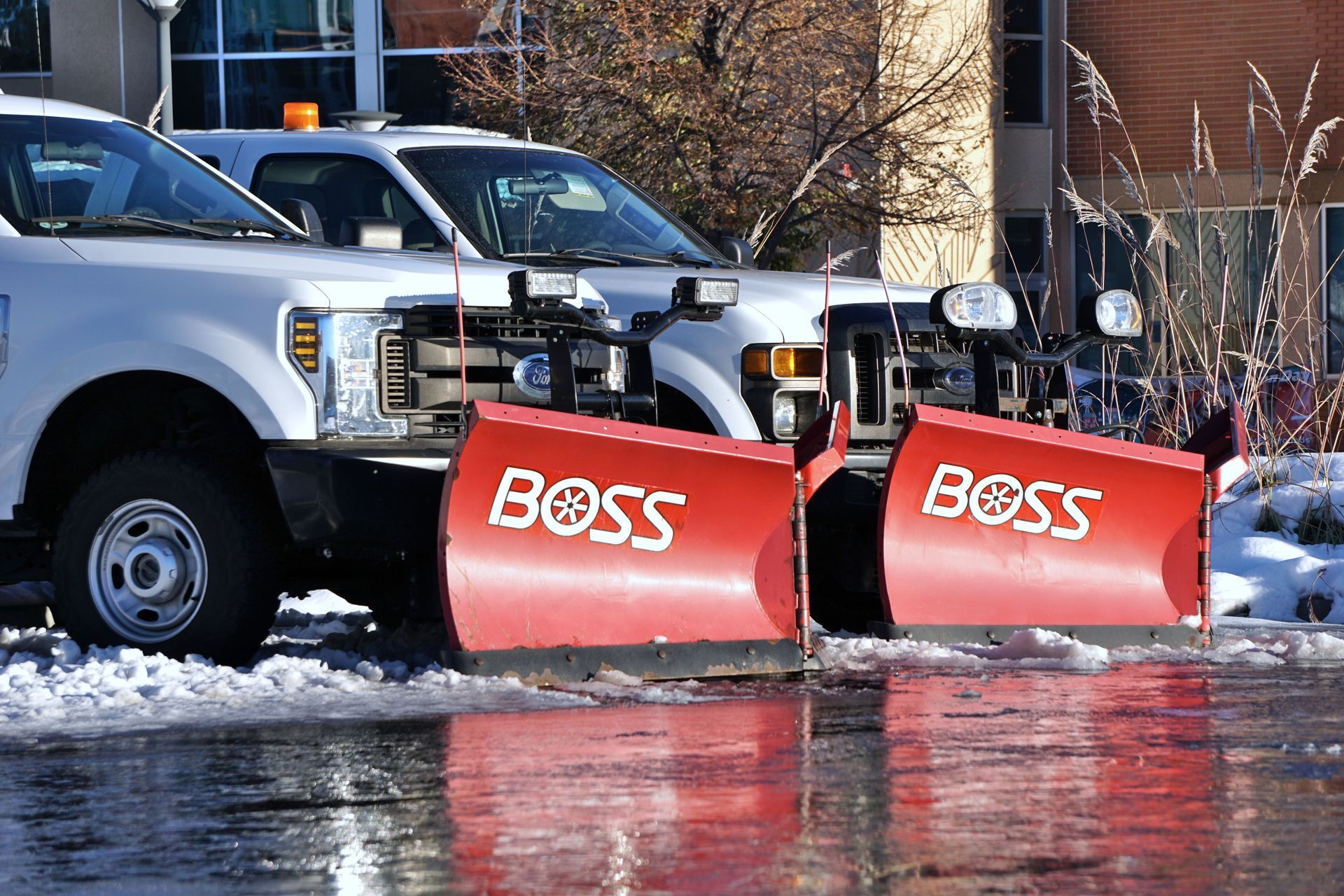
Fleet of commercial snowplow trucks staged in a yard before a winter storm in the Pacific Northwest
By Brad Caton • October 2, 2026
Snow removal equipment and staffing capacity is the best predictor of whether your site gets serviced in the worst storm of the season. Invictus breaks down the capacity math, real response-time standards, and the questions that expose an overextended contractor. Request a quote.
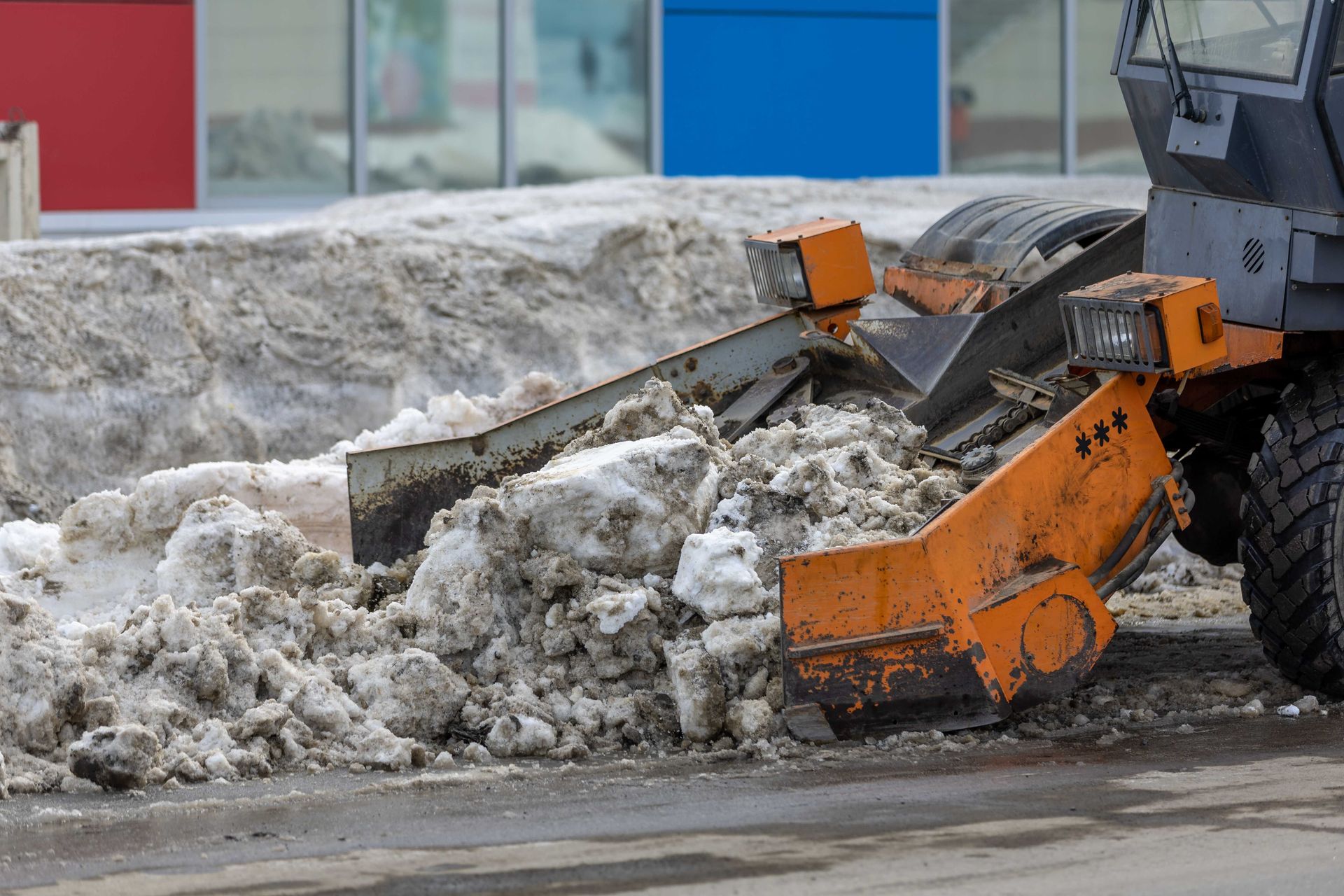
Orange snowplow clearing a large snowbank on a street beside colorful buildings
By Brad Caton • October 1, 2026
Industrial and manufacturing plant snow removal must meet OSHA's general industry standards for walking-working surfaces and powered trucks. See what ISO SN9001-certified Invictus recommends before winter. Get a quote.
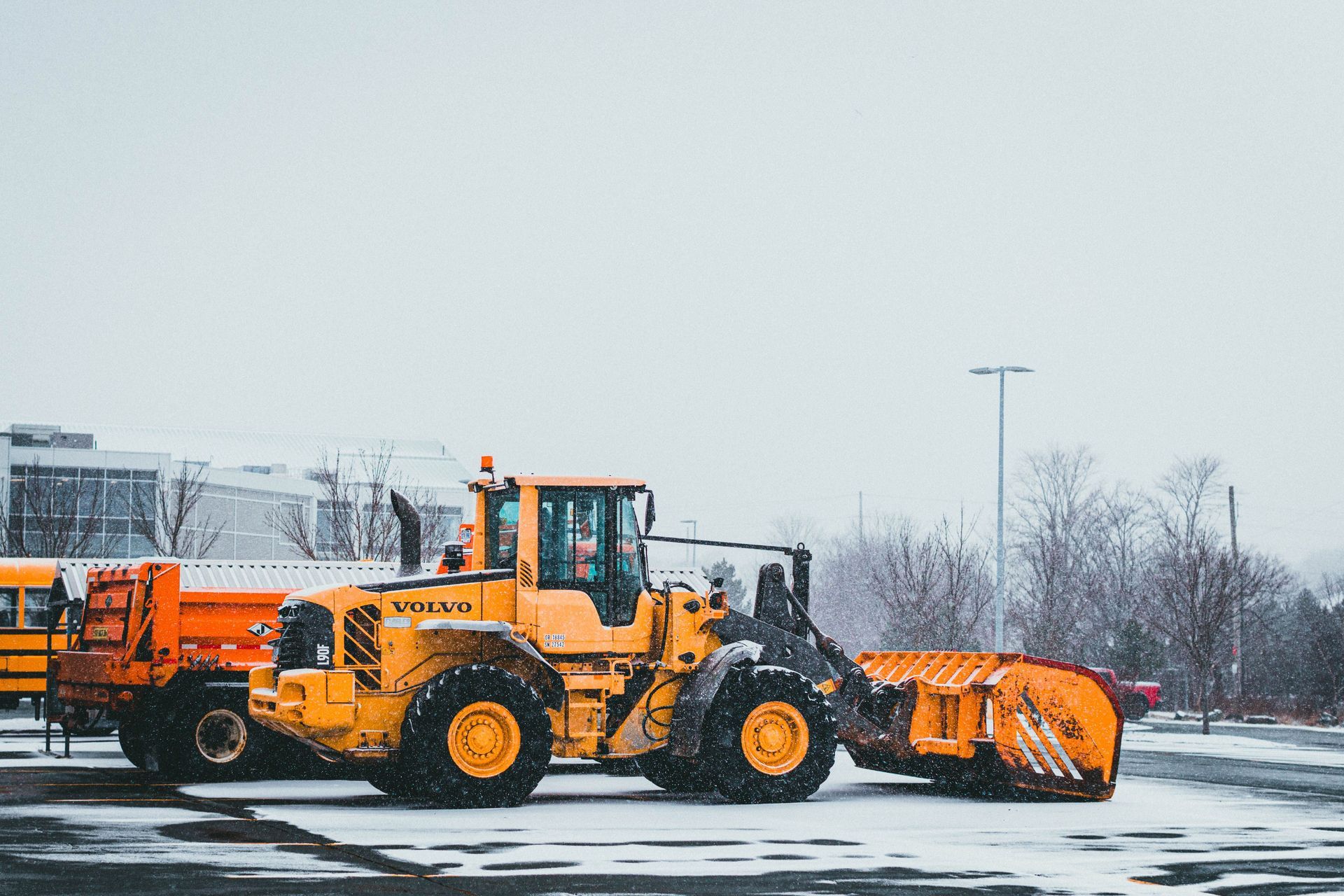
Orange snowplow trucks clearing a snowy parking lot in winter
By Brad Caton • September 30, 2026
Snow removal contractor insurance shouldn't be assumed. See what coverage and documentation ISO SN9001-certified Invictus verifies before every contract. Get a quote.
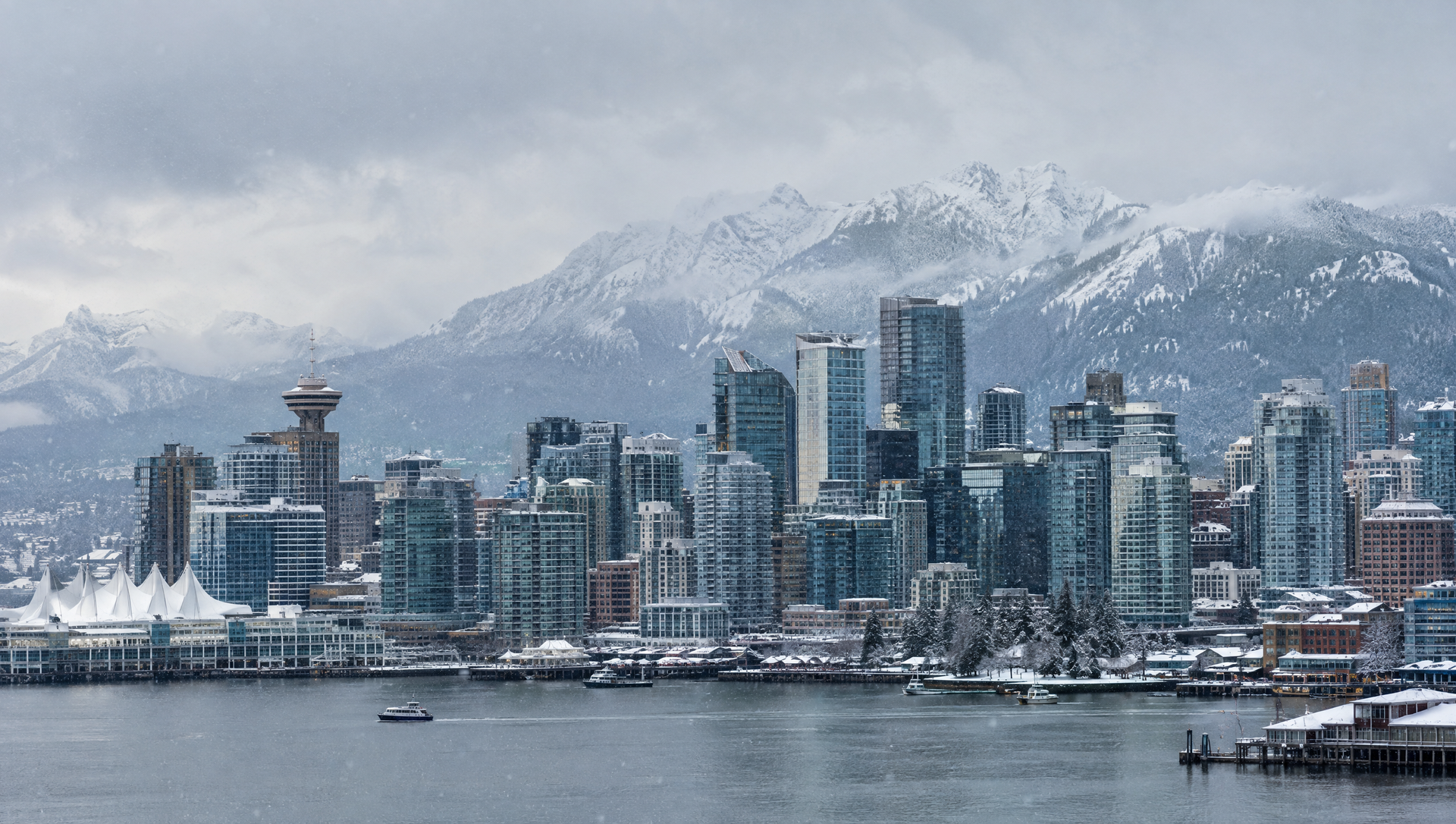
Downtown Vancouver skyline in winter snow with the North Shore mountains
By Brad Caton • September 28, 2026
A record El Niño winter is forecast. What it means for snow and ice on Metro Vancouver commercial properties, what history shows, and what to do before the first arctic outflow.
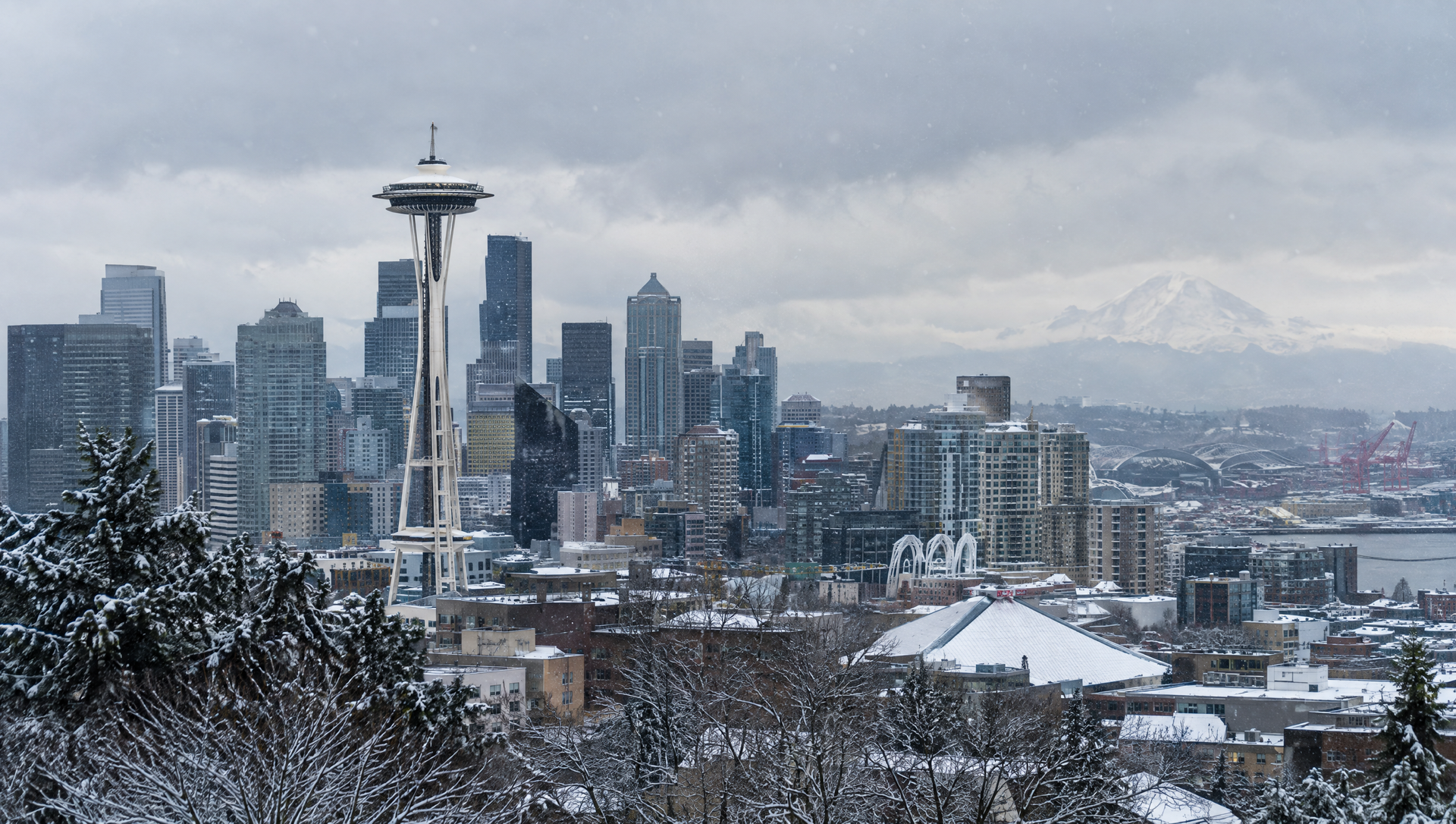
Downtown Seattle skyline in winter snow with the Space Needle and Mount Rainier
By Brad Caton • September 28, 2026
A record El Niño is forecast. What it means for snow and ice on Seattle-area commercial properties, why 2019 and 1996 still matter, and what to do before the first cold snap.
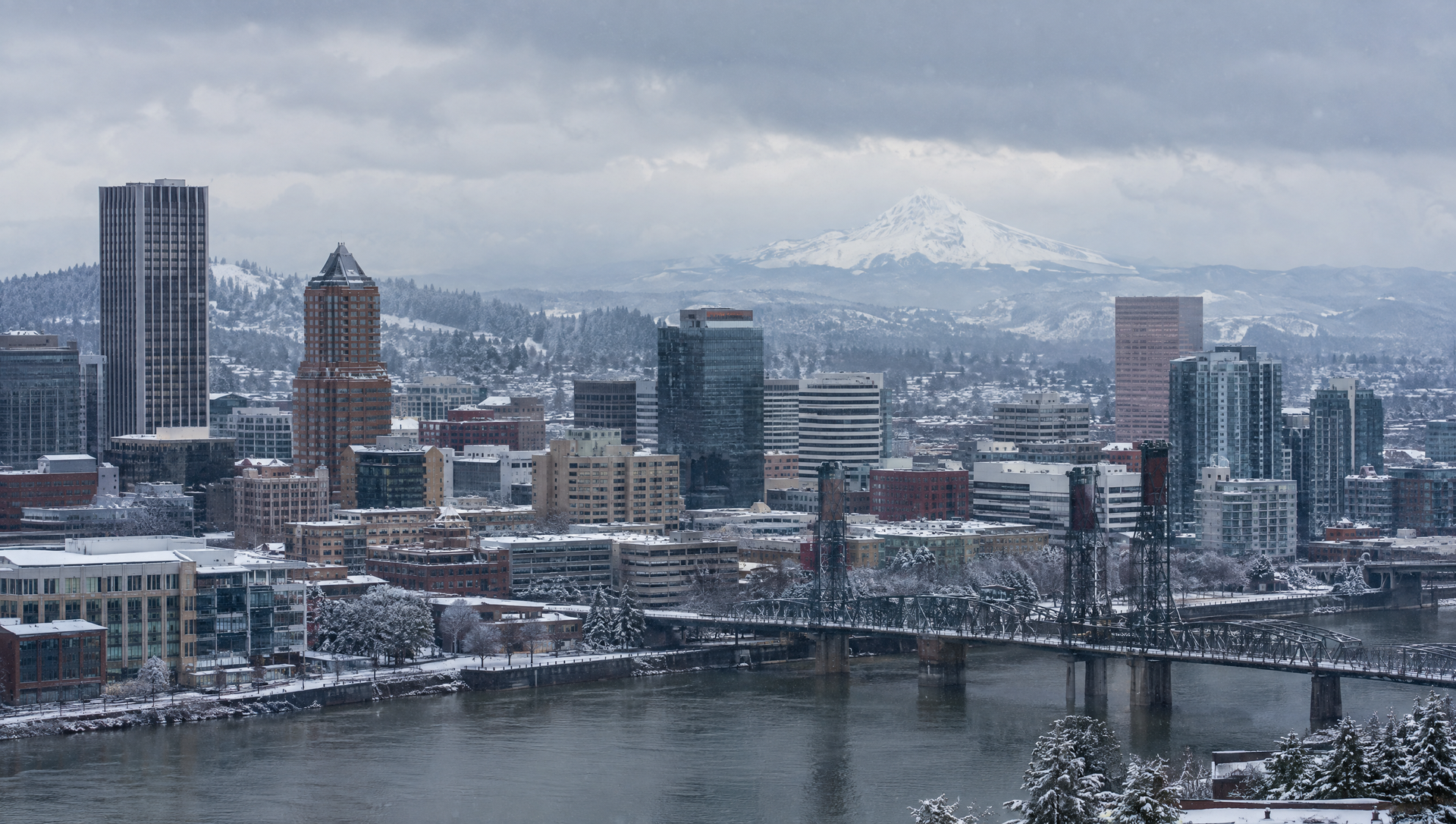
Downtown Portland skyline in winter snow with Mount Hood in the background
By Brad Caton • September 28, 2026
A record El Niño is forecast and Portland sits on the rain-to-ice line. What January 2024 proved, what forecasters expect this winter, and what to do before the first arctic push.
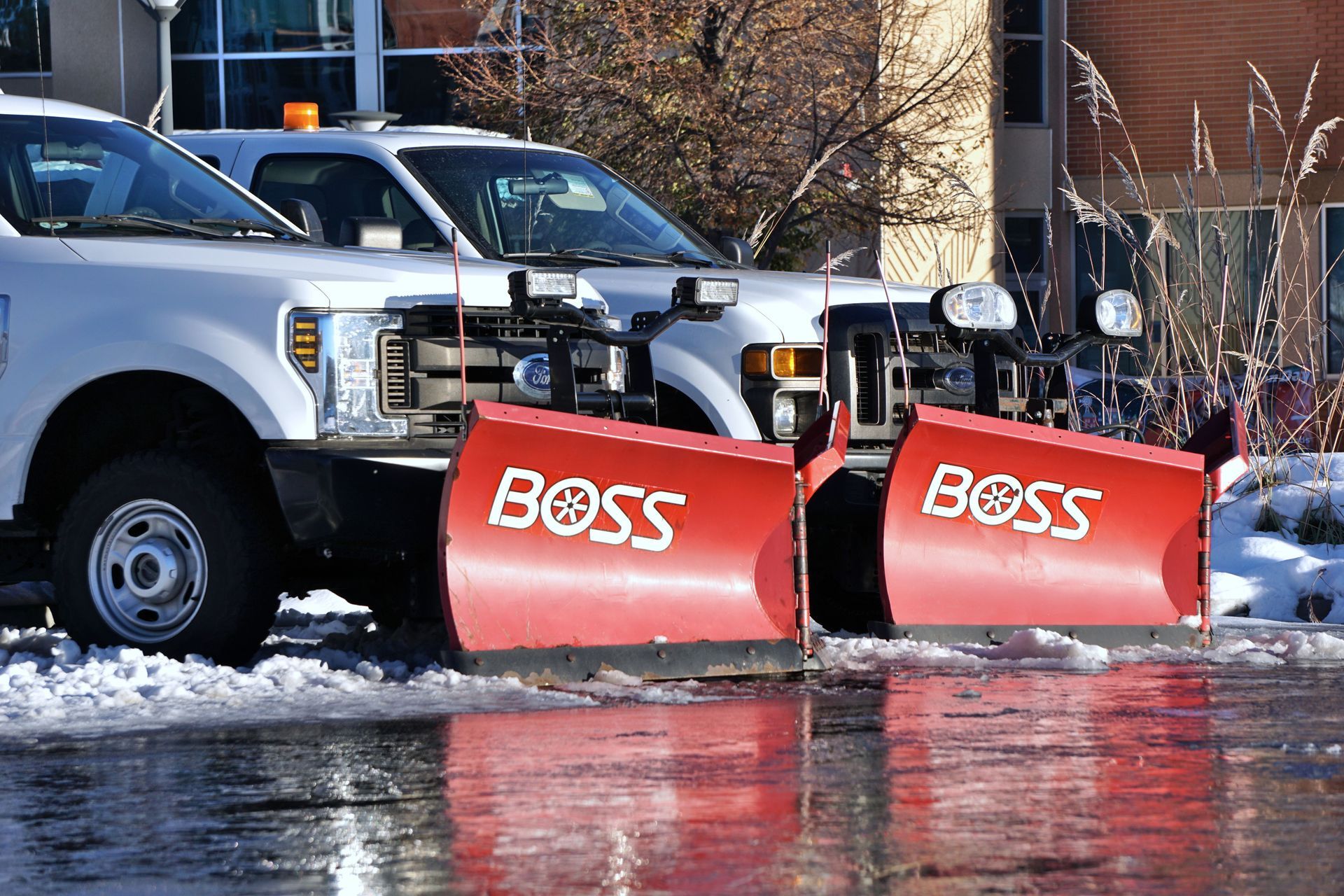
Snowplows with red BOSS blades clearing slushy water from a street near parked trucks
By Brad Caton • September 28, 2026
Commercial snow removal insurance requirements aren't optional paperwork — a missing endorsement can leave your property exposed after a slip-and-fall claim. See what Invictus's I-5 corridor teams carry and what your contract should require. Request a quote.
Invictus Snowfighters crew and equipment
By Brad Caton • September 26, 2026
NOAA says a record El Niño is likely. What that means for snow and ice in Vancouver, Seattle and Portland, with sources, history, and what to do now.

Person holding a large paper map while standing on a residential street outdoors.
By Brad Caton • September 25, 2026
Issuing a commercial snow removal RFP in the Pacific Northwest? Learn exactly what sections to include, the questions that separate strong contractors from costly mistakes, and why July–August is your window to act. From Invictus Snowfighters — I-5 corridor coverage from Vancouver to Portland.
Show More