
Burnaby Snow Removal Bylaw: What Commercial Property Owners Must Know

Brad Caton • October 21, 2026

Share this article

Burnaby's snow removal bylaw doesn't distinguish much between a homeowner with a 40-foot driveway and a property manager overseeing a 200,000-square-foot industrial park — except when it comes to the fine. Commercial, industrial, and institutional property owners face the steepest penalty on the city's books, and the compliance window is the same tight 10 a.m. deadline everyone else gets. For a portfolio spread across multiple Burnaby addresses, that's a narrower margin than it looks.

What Burnaby's Snow Removal Bylaw Actually Requires

The rule itself is straightforward. Under Section 31 of the Burnaby Street and Traffic Bylaw 1961, owners or occupiers of single-family, two-family, multi-family, industrial, commercial, or institutional properties are responsible for clearing snow and ice from the sidewalks — and multi-use paths — bordering their property. The deadline is 10 a.m. the day following a snowfall , and per the City of Burnaby's own guidance, that includes holidays. There's no seasonal grace period and no exemption for a property that changed hands mid-winter or a management company still onboarding a new site.

The city also asks that cleared snow be piled on the boulevard or on the property itself, never pushed back into the street, and that a one-metre clearance be kept around fixtures like garbage bins, recycling containers, and parked cars. For a commercial site with a loading area or shared parking, that detail is easy to miss and easy to get flagged for.

The Fine Schedule Is Steeper for Commercial and Institutional Properties

Enforcement is complaint-driven — the city inspects when someone reports an uncleared sidewalk, not on a fixed patrol schedule. When a property fails inspection, the penalty scales with property type:

  • Single-family, two-family, and mobile homes: $100
  • Multi-family properties: $250
  • Industrial, commercial, or institutional properties: $400

That $400 figure is per inspection, not a one-time ceiling, and it's issued to the owner or occupier of record. For a property manager running several Burnaby addresses under one snow and ice management arrangement, a single missed sidewalk after an overnight storm can turn into several separate fines before lunch.

How Burnaby's Rule Compares to Neighboring Jurisdictions

Burnaby isn't an outlier in Metro Vancouver, but its rule isn't identical to its neighbors' either — a detail that matters for any portfolio that spans city lines. Perreporting on the region's snow-clearing bylaws, Surrey's version of the same rule excludes statutory holidays and uses a notice-then-daily-fine structure ($80 per day for a business, escalating) rather than Burnaby's flat per-inspection penalty — a distinction we cover in more detail in ourbreakdown of Surrey's snow removal bylaw. Vancouver's rule, by contrast, is stricter still: fines start at $250 and can escalate to a $750 minimum for a second violation.

For a portfolio manager with sites in Burnaby and in the neighboring Tri-Cities of Port Coquitlam, Coquitlam, and Port Moody, this means a single "we're compliant" assumption across the portfolio isn't safe. Each municipality sets its own deadline, its own fine structure, and its own enforcement posture, and a snow removal plan built for one jurisdiction's rule can leave another property exposed.

What "10 A.M. the Day Following a Snowfall" Means for a Multi-Building Portfolio

The bylaw's language assumes one property, one owner, one sidewalk. It doesn't account for what actually happens when a storm drops snow overnight across a portfolio of Burnaby sites at once — a scenario Invictus's own operating history keeps coming back to. Snow removal is a business built on being in more than one place when everyone needs you at the same moment, and a single crew with limited equipment can't out-drive a citywide snowfall.

That's the gap a 10 a.m. deadline exposes. A crew working sequentially through a route — clearing site one, then site two, then site three — can burn through the entire compliance window before it reaches the last stop, even if every site gets attended to that morning. The properties earliest in the route are compliant; the ones at the end are exposed to a $400 fine through no fault of the property manager who hired a contractor in good faith.

The Liability Exposure the Bylaw Doesn't Mention

A municipal fine is the smaller of the two risks. The bigger one is what happens if someone is hurt on an uncleared sidewalk or walkway before the crew arrives. British Columbia's Occupiers Liability Act puts a separate, civil duty of care on property owners and occupiers that exists independent of any municipal bylaw — meeting the city's 10 a.m. deadline doesn't automatically satisfy that duty, and failing to meet it can become evidence in a slip-and-fall claim.

This is where documentation that actually holds up in a slip-and-fall claim matters more than the bylaw itself. A time-stamped, geo-verified service record showing exactly when a site was treated — not just an invoice line item — is what separates a defensible incident report from a property manager's word against a claimant's.

How Invictus Covers Burnaby Inside One Cross-Border Program

Invictus runs a dedicated Burnaby snow removal program as part of the same corridor it was built to cover — cross-border snow removal for multi-property portfolios spanning Vancouver, Seattle, and Portland — which matters specifically because of the multi-site timing problem above. A portfolio with Burnaby, Coquitlam, and Surrey addresses under one contract isn't served by a single truck working a long sequential route; it's served by pre-positioned equipment and crews sized to the storm, not to the smallest viable operation.

Invictus's first responder unit model — an on-site ice-management resource staged ahead of a storm rather than dispatched after one — is built around exactly this compliance math: the goal isn't to be first in line at 6 a.m., it's to not need a line at all.

A Pre-Winter Compliance Checklist for Burnaby Property Managers

Before the first snowfall hits Burnaby this season, a few things are worth verifying with whoever handles snow and ice on your property:

  1. Confirm the service-level trigger. Ask exactly when your contractor's crew mobilizes relative to a snowfall, not just what the contract says about "timely service."
  2. Ask how a multi-site route is sequenced. If you manage more than one Burnaby property, find out where each one falls in the crew's route and what happens if the storm outruns the schedule.
  3. Get documentation, not just an invoice. Time-stamped, location-verified service records protect you if a claim or a bylaw complaint ever surfaces.
  4. Check the one-metre clearance rule. Bins, parked vehicles, and snowbanks too close to a cleared path can still trigger a complaint even after the sidewalk itself is shoveled.
  5. Verify holiday coverage explicitly. Burnaby's bylaw doesn't pause for holidays, and not every contractor's crew schedule assumes that by default.

None of this replaces reading Burnaby's bylaw directly, but a property manager who can answer all five before the season starts is in a materially better position than one relying on "we've always used the same guy."

It's also worth revisiting these five items mid-contract, not just at signing. A vendor's crew capacity, route sequencing, and equipment allocation can shift year over year as they take on new clients — a service level that held up two winters ago isn't guaranteed to hold up this one, especially for a fast-growing provider spreading itself across more addresses.

Frequently Asked Questions

What time does snow need to be cleared in Burnaby?

By 10 a.m. the day following a snowfall, per Section 31 of the Burnaby Street and Traffic Bylaw 1961 — including holidays.

How much is the fine for a commercial property in Burnaby?

The City of Burnaby can fine industrial, commercial, or institutional property owners or occupiers $400 per inspection if a complaint is filed and the property fails to comply.

Does the bylaw cover parking lots, or just sidewalks?

Burnaby's published guidance addresses sidewalks and adjacent multi-use paths bordering the property. Parking lots and other private surfaces aren't governed by this specific bylaw, though the Occupiers Liability Act's duty of care can still apply to them.

Am I still liable if my snow removal contractor is late?

Yes. The bylaw holds the property owner or occupier responsible regardless of a third-party contractor's performance, which is why service-level clarity and documentation matter as much as the contract itself.

Does the 10 a.m. deadline apply on statutory holidays?

Yes — Burnaby's bylaw explicitly includes holidays, which is a notable difference from some neighboring municipalities' rules.

Invictus Snowfighters is the only snow and ice management provider covering Burnaby as part of a single, cross-border I-5 corridor program from Vancouver to Seattle to Portland. If your portfolio includes a Burnaby address, request a quote before the season's first snowfall puts the bylaw's 10 a.m. clock on your properties.

Recent Posts

Snow-covered driveway outside a brick building with parked cars and a covered entrance
By Brad Caton • October 19, 2026
Surrey's snow removal bylaw requires commercial properties to clear sidewalks by 10am next day or face daily fines. See what Bylaw 13007 requires. Request a quote.
Property manager and maintenance contractor shaking hands in a commercial parking lot
By Brad Caton • October 16, 2026
Managing five property maintenance vendors instead of one costs hours every month. See how commercial property managers consolidate winter service with the rest of their maintenance calendar, from a company serving 500+ Pacific Northwest properties for 30+ years. Get a quote.
Snowplow clearing a large commercial parking lot for a multi-property portfolio contract in the Pacific Northwest
By Brad Caton • October 14, 2026
Multi-property snow removal contracts consolidate a fragmented, sole-proprietor-heavy market into one accountable partner. See what portfolio bundling actually saves, what to verify first, and the one trade-off to watch. Request a quote.
Yellow snowplow and front loader clearing a snowy parking lot in winter
By Brad Caton • October 12, 2026
How much snow removal equipment does your commercial property really need? Learn to evaluate a vendor's fleet capacity before the storm hits. ISO SN9001-certified Invictus serves the Pacific Northwest I-5 corridor. Request a quote.
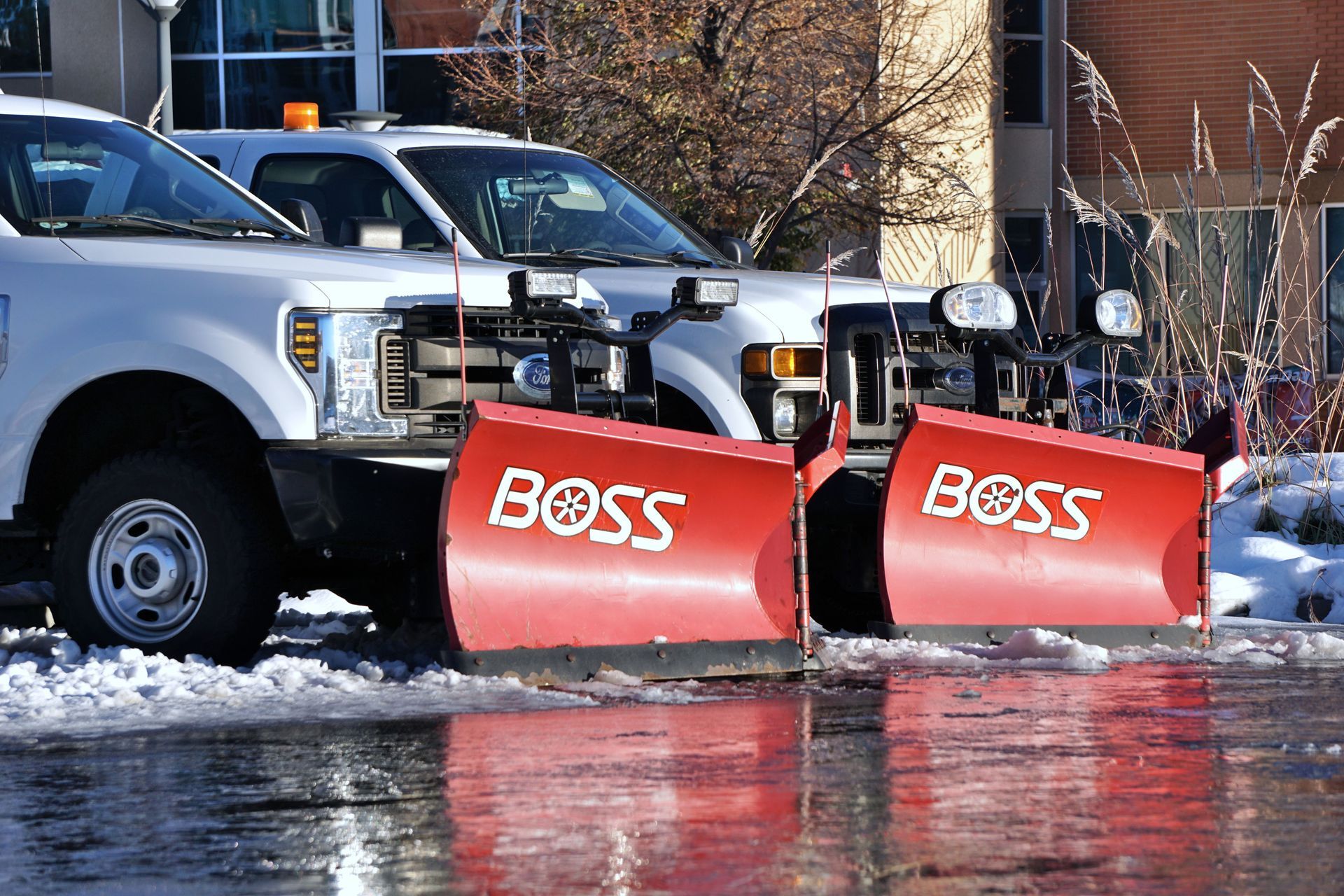
Snow plow clearing a commercial parking lot in the Pacific Northwest at dawn
By Brad Caton • October 9, 2026
Trigger depth clauses tell you when a plow shows up — not when your property becomes a liability. See what a trigger depth actually covers, what SIMA's own guidance says it misses, and how Invictus Snowfighters' First Responder model closes the gap across the I-5 corridor. Request a quote.
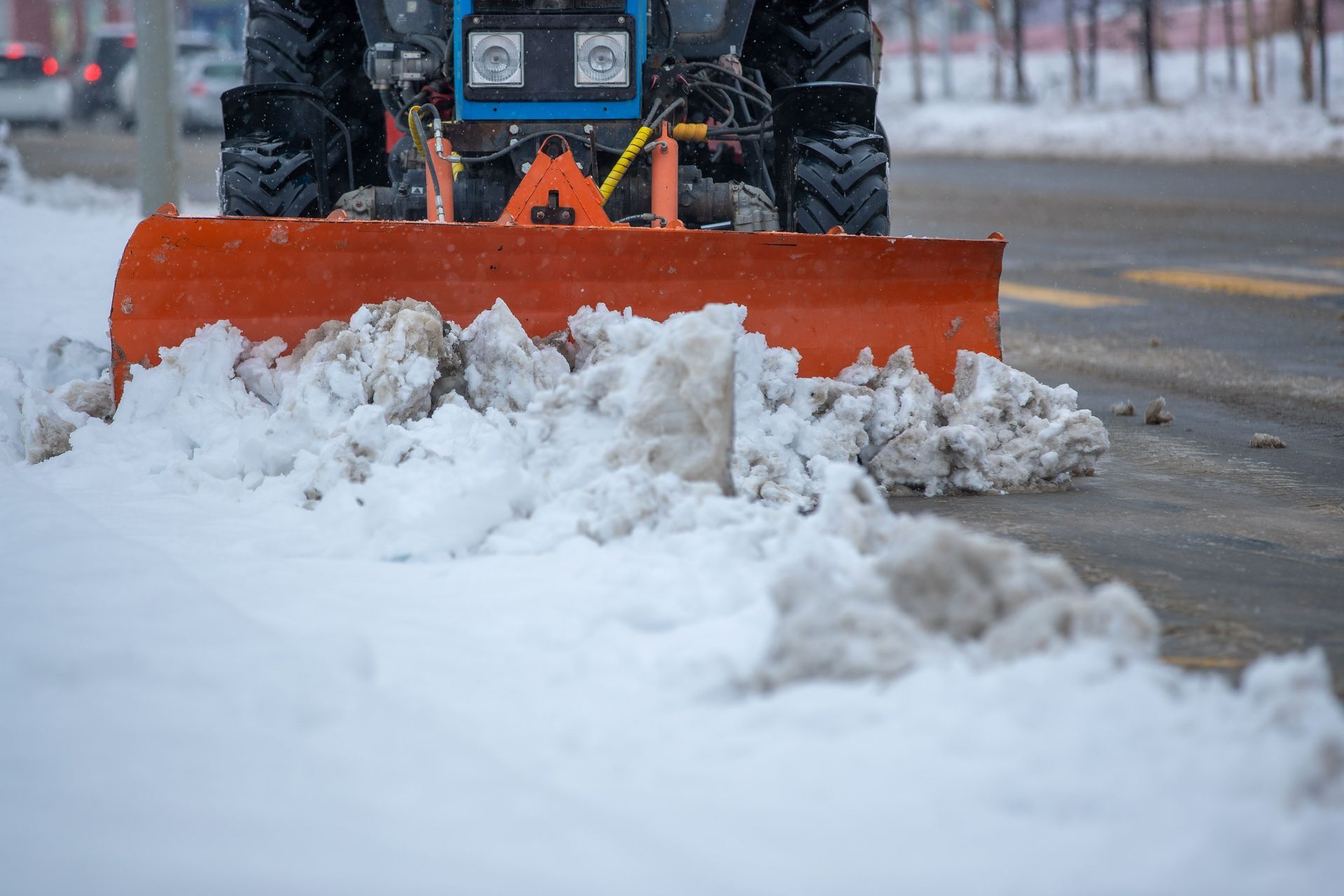
Snowplow clearing snow from a road, with a bright orange blade pushing slush forward
By Brad Caton • October 7, 2026
In-house vs. outsourced snow removal: how Pacific Northwest property managers can weigh liability, equipment costs, and staffing. ISO SN9001-certified Invictus explains what to ask. Get a quote.
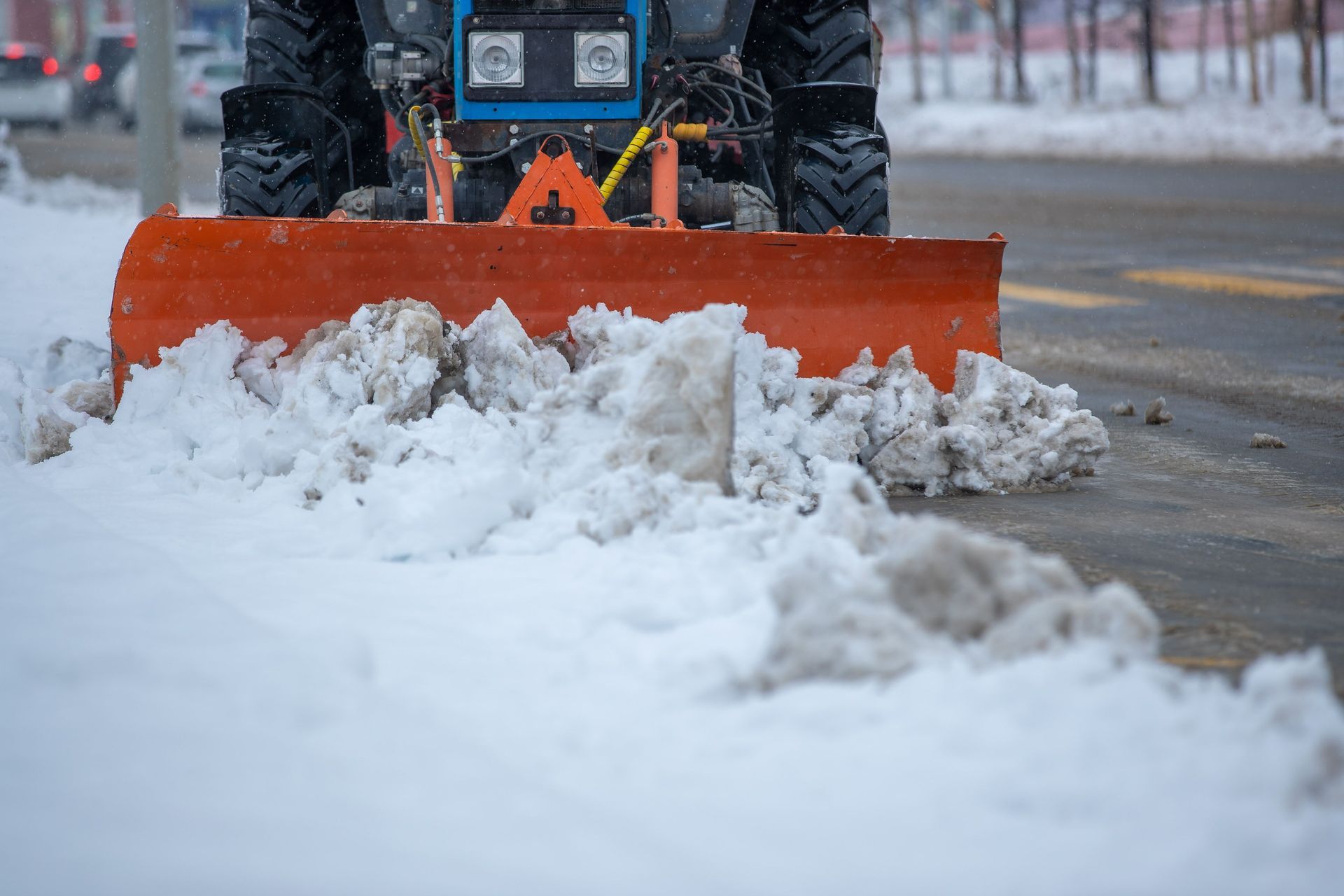
Person operating an orange snow plow clearing slush from a snowy road
By Brad Caton • October 5, 2026
Switching commercial snow removal providers takes more than a phone call — termination clauses, auto-renewal traps, and a coverage gap can all bite you. See the safe sequence for switching before winter, from a PNW snow contractor that's covered the I-5 corridor since 1990. Request a quote.
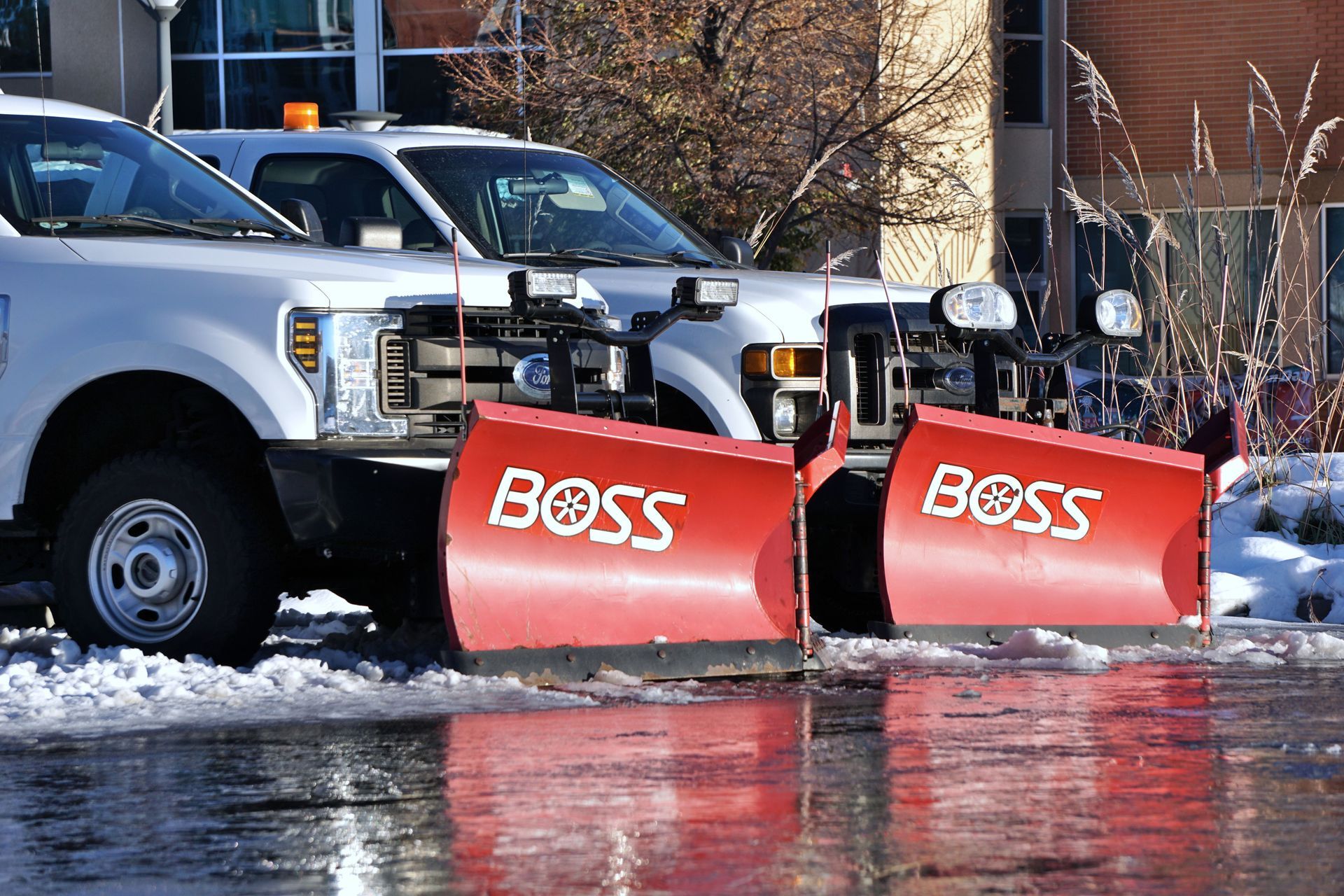
Fleet of commercial snowplow trucks staged in a yard before a winter storm in the Pacific Northwest
By Brad Caton • October 2, 2026
Snow removal equipment and staffing capacity is the best predictor of whether your site gets serviced in the worst storm of the season. Invictus breaks down the capacity math, real response-time standards, and the questions that expose an overextended contractor. Request a quote.
Orange snowplow clearing a large snowbank on a street beside colorful buildings
By Brad Caton • October 1, 2026
Industrial and manufacturing plant snow removal must meet OSHA's general industry standards for walking-working surfaces and powered trucks. See what ISO SN9001-certified Invictus recommends before winter. Get a quote.
Orange snowplow trucks clearing a snowy parking lot in winter
By Brad Caton • September 30, 2026
Snow removal contractor insurance shouldn't be assumed. See what coverage and documentation ISO SN9001-certified Invictus verifies before every contract. Get a quote.
Show More