
Apartment Community Snow Removal Planning Guide | Invictus Snowfighters
Brad Caton • September 14, 2026
A single-tenant office building has one snow removal problem to solve: clear the lot, clear the entrance, done. An apartment or multifamily community has dozens of them at once — assigned resident parking, a mail kiosk, ADA-accessible units, a leasing office with prospective tenants walking through, and residents who still have to get to work at 6 a.m. regardless of what fell overnight. If you manage a multifamily property in the Vancouver, Seattle, or Portland area, your snow removal plan needs to account for all of it, not just the parking lot.
1. Why Apartment Communities Are a Different Snow Removal Problem
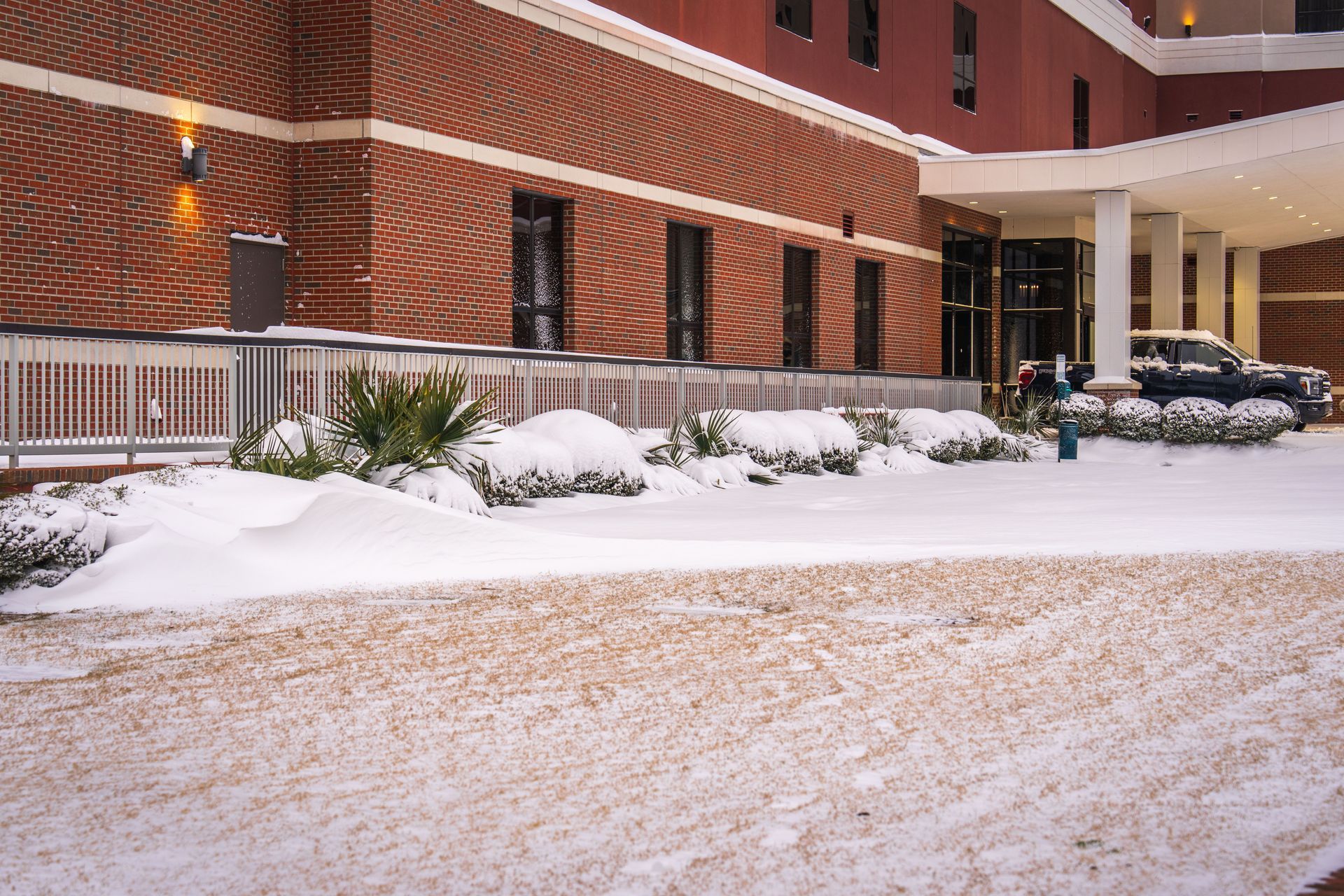
Commercial snow removal advice is often written for a single building with a single flow of foot traffic: employees in, employees out, done by 9 a.m. Multifamily properties don't work that way. Residents come and go at every hour, on foot and by car, with strollers, wheelchairs, and dogs, and a sprawling garden-style community can have a dozen separate buildings, each with its own entrance that needs to be reachable — not just a single lobby.
That changes what "cleared" means. A plowed drive lane with an unshoveled path to one building's stairwell isn't a finished job — it's a liability sitting in plain sight until someone falls on it. Multifamily managers also answer to residents directly and immediately, in a way a commercial tenant rarely does: a blocked walkway becomes a maintenance ticket, a call to the leasing office, or a review posted before the snow has even stopped falling. Add in the residents who can't easily shovel for themselves — older tenants, people with mobility limitations, anyone managing a move-in or move-out on a day the moving truck can't get near the curb — and a "just plow the lot" approach starts to look a lot thinner than it did on paper.
2. Start Now: Why Late Summer Is When the Best Vendors Get Booked
It feels early to think about snow in August, which is exactly why it's the right time. Property and community management guidance is consistent on this point: associations and property managers should begin searching for snow removal vendors in late summer or early fall, ideally securing contracts by September or October, because the most reputable snow removal companies book their seasonal agreements months in advance (CAMCO Management, Association's Guide to Winter-Ready Communities). Wait until the first snow warning and you're choosing from whoever still has a truck free — not who's actually right for a resident-facing property with real liability exposure.
Seasonal contracts also tend to be more budget-predictable than pay-as-you-go service, and contractors prioritize their contracted clients over one-off callers once a storm actually hits (CAMCO Management). For a property where residents are depending on you, "priority service" is the difference between a cleared walkway by 6 a.m. and a maintenance queue full of complaints.
3. What a Snow Removal Plan for a Multifamily Property Actually Needs to Cover
A plan built for a single commercial lot won't hold up across a whole community. At minimum, yours should map out:
- Priority zones — building entrances, ADA-accessible ramps and units, stairwells, and paths to mailboxes need to be cleared first, ahead of overflow or guest parking.
- Trigger depths — the snow accumulation that puts your crew in motion. Many properties use a two-inch threshold, but a community with a lot of elderly or mobility-limited residents may reasonably set a lower one.
- Assigned resident parking — plowing around dozens of individually assigned spots takes more coordination (and more communication with residents) than clearing an open commercial lot.
- Snow storage — where the plowed snow actually goes matters more on a dense multifamily site, where piled snow can block sightlines at drive aisles or bury fire hydrants.
- Coordination with on-site staff — your leasing and maintenance team needs to know the plan too: when to expect the crew, who to call if a path was missed, and how to log a resident complaint so it actually reaches the vendor instead of sitting in an inbox.
Refreezing is the part a lot of plans miss. A parking area that was properly cleared at 7 a.m. can be a sheet of ice by 4 p.m. once the afternoon melt refreezes overnight, which is exactly why a single plow pass isn't a plan — a real one accounts for re-treatment as conditions change through the day, not just the first response after a snowfall.
Our first responder unit model was built around exactly this kind of layered site: pre-positioned ice management gear on the property itself, so the gap between "it's icing" and "it's treated" isn't measured in a truck's drive time across town.
4. Vetting a Vendor for a Resident-Facing Property
The questions that matter for a multifamily community aren't just about equipment they're about how a vendor behaves when an entire community of residents is relying on the outcome. Before you sign anything, get clear answers on response time commitments, how the vendor communicates during an active storm, and what happens if their primary crew is stretched across other properties at the same time. We've laid out the full list in 20 Questions to Ask Before Hiring a Commercial Snow Removal Company, and if you're formally comparing multiple bids, our guide to writing a snow removal RFP will help you get quotes you can actually compare apples-to-apples, instead of three different definitions of "cleared."
If you manage more than one property across the Vancouver, Seattle, or Portland area, it's also worth asking whether a single vendor can service your whole portfolio. We cover that tradeoff in Multi-Property Snow Removal Contracts: How Bundling Cuts Costs — one point of contact and one standard of service across every address is a real advantage when you're the one fielding the calls if something goes wrong.
5. Keeping Residents Informed During a Storm
Commercial tenants mostly just want the lot clear by the time they arrive. Residents want to know what's happening in real time — whether the walkway to their building has been treated, whether guest parking is usable, whether trash pickup is delayed, whether it's safe to let the kids walk to the bus stop. Building a simple communication plan before winter arrives does more to head off complaint calls than almost anything else you can do operationally, and it doesn't need to be elaborate: a posted notice at each entrance, a resident email or text blast when a storm is inbound, and a line in your resident portal describing what triggers service and roughly how long it takes.
The goal isn't to promise instant results — winter weather is unpredictable and even the best crew can't be everywhere in the first ten minutes of a storm. The goal is to set expectations residents can actually plan around, so "the walkway isn't clear yet" reads as normal instead of neglect. Ask your vendor whether they provide the kind of documented, timestamped service updates that make that kind of resident communication easy to back up with facts instead of guesses.
6. Documentation Is Liability Protection, Not Paperwork
With this much foot traffic across a property, a slip-and-fall claim isn't a matter of if but when and the community that can show exactly when a walkway was last treated, with GPS-stamped records, is in a fundamentally different position than one that's relying on a driver's memory or a paper log that never made it back to the office. That documentation matters twice over on a multifamily property: once for the claim itself, and again for the conversation with your insurer at renewal, where a demonstrated, consistent service record can work in your favor. We go into what actually holds up in a premises liability claim in Snow Removal Documentation for Pacific Northwest Property Managers. If your community has accessible units or ADA-designated routes, pair that with our ADA snow removal compliance guide — accessible routes are one of the first things inspected after an incident, and they're often the last thing a general plow route actually prioritizes.
7. Why Multifamily Managers Across Vancouver, Seattle & Portland Work With Invictus
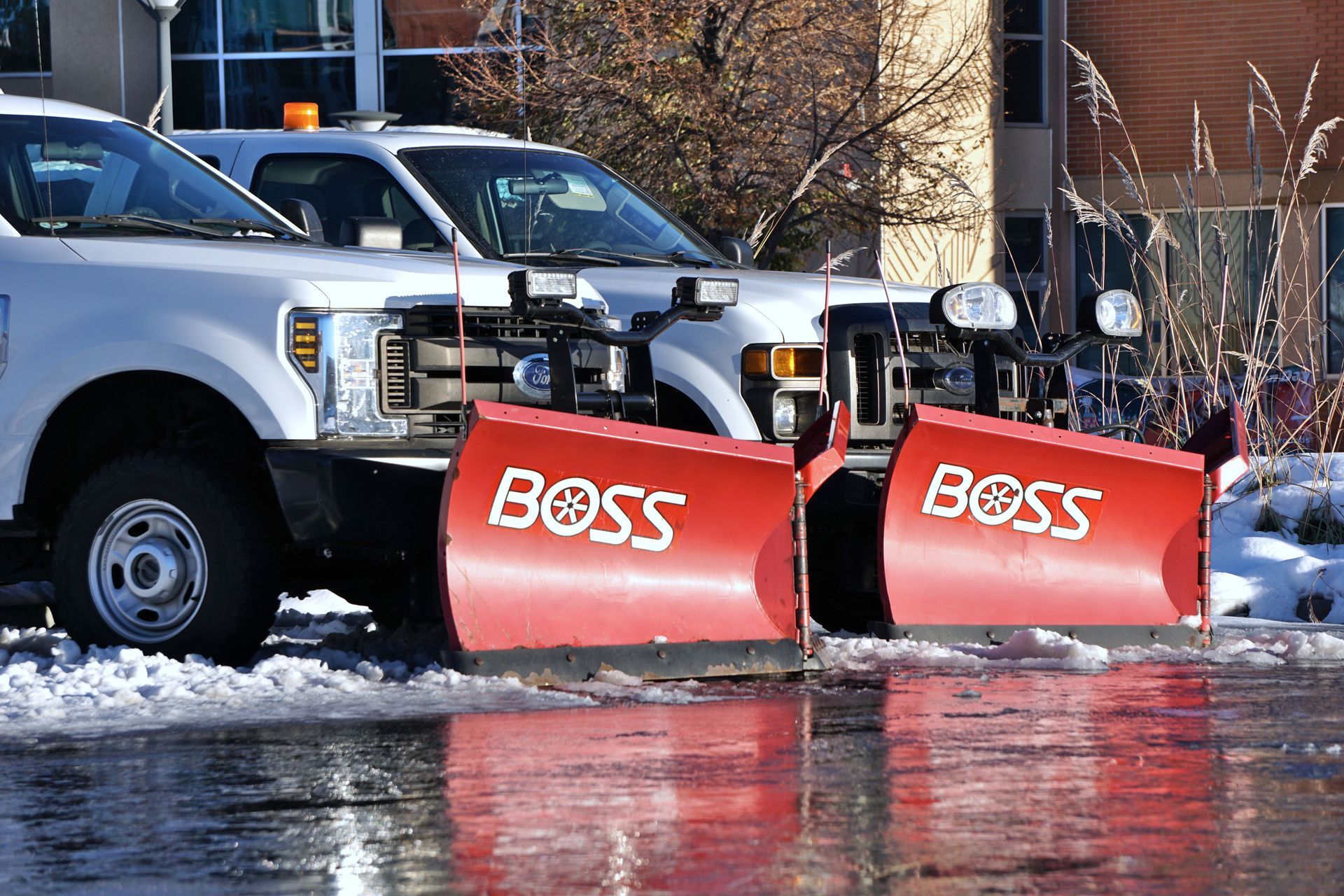
Invictus started as a cleaning company back in 1990, before a client asked us to take on snow removal in 2002 and we've been building the operation around one idea ever since: snow and ice management is first responder work, not a landscaping add-on. People get hurt in snow and ice situations, and a multifamily property full of residents depending on you doesn't get a do-over if the response is slow.
We're ISO SN9001-certified and run snow removal services across the I-5 corridor — Vancouver, Seattle, and Portland — with the equipment and crew depth to actually be in more than one place at once during a real event. For multifamily portfolios, that means one vendor, one documented standard of service, and a team that treats a resident's front step with the same urgency as the main entrance. Learn more about our company or reach out through our contact page to talk through what your property needs before the season books up.
Frequently Asked Questions
When should our apartment community sign a snow removal contract?
Late summer through early fall — September or October at the latest. Reputable vendors book their seasonal capacity months ahead, and waiting until the first storm warning limits you to whoever still has availability. .
What snow depth should trigger service at a multifamily property?
A two-inch threshold is common industry practice, but properties with a large elderly or mobility-limited resident population may want a lower trigger written directly into the contract.
Who is responsible for clearing snow at an apartment complex — the landlord or the residents?
This depends on your lease terms and local ordinance, and it should never be assumed. Common areas, shared walkways, and parking lots are almost always the property's responsibility; get it in writing rather than leaving it to interpretation.
Can one vendor service multiple apartment properties across Vancouver, Seattle, and Portland?
Yes — a single vendor with coverage across the I-5 corridor can standardize service, documentation, and response time across an entire portfolio instead of managing separate contracts city by city.
Recent Posts