
Richmond BC Snow Removal Bylaw: What Commercial Property Owners Must Know

Brad Caton • October 23, 2026

Share this article

Richmond, BC gives commercial property owners a hard deadline every single day it snows: sidewalks clear by 10 a.m., no exceptions for weekends. Miss it, and the City can issue a fine — but for a property manager overseeing a portfolio worth six or seven figures, the fine is the smallest number at risk. A documented slip-and-fall claim, a tenant complaint, or a single icy morning that goes wrong costs far more than the bylaw penalty ever will.

Here's exactly what Richmond's Traffic Bylaw 5870 requires, who it applies to, and how a commercial property in Richmond stays compliant before the next snowfall — not scrambling after it.

What Richmond's Traffic Bylaw 5870 Actually Requires

Under the City of Richmond's official winter weather guidance, Traffic Bylaw 5870 requires property owners, occupants, and developers to remove snow and ice from the sidewalk adjacent to their property by 10:00 a.m. every day — including Sundays. The City is explicit that this isn't a one-time, storm-triggered obligation: it's a daily standard for as long as snow or ice remains on the ground.

The fine for non-compliance is $125.00 per violation. That's a modest number on its own. The exposure shows up elsewhere: a documented failure to clear a sidewalk by the bylaw deadline is exactly the kind of record a slip-and-fall claimant's lawyer goes looking for, because it converts "the sidewalk was icy" into "the property owner had a known legal duty and didn't meet it that morning."

Who's on the Hook: It's Not Just Homeowners

Richmond's bylaw is not scoped to single-family homes. Per the City's own guidance, it applies to:

  • Residential properties
  • Commercial properties
  • Industrial properties
  • Undeveloped and under-construction properties

That last category catches a lot of property managers off guard. A vacant lot mid-development, a paused construction site, a leased-but-unoccupied commercial unit — Richmond's rule follows the property, not whether anyone is currently using it. If your name is on title or you're the occupant responsible for the site, the 10 a.m. deadline applies to you the same as it applies to a fully leased retail plaza.

Snowy sidewalk with a black cat walking beside a chain-link fence in an urban street.

How the City Enforces the 10 A.M. Rule

Richmond doesn't rely purely on patrol officers spotting uncleared sidewalks. The City's guidance directs residents and neighbors to report properties that pose a safety risk from uncleared sidewalks directly — by calling 604-276-4345 or emailing bylawrequest@richmond.ca, with the property address, date, time, and photos. In practice, that means a commercial property with a late-cleared sidewalk isn't just risking a City inspector driving by; it's one complaint from a pedestrian, a competitor, or a frustrated neighbor away from a bylaw file with a timestamp and photo evidence attached.

That's a meaningfully different enforcement model than a windshield-survey approach, and it's a big part of why "we'll get to it by end of day" doesn't hold up as an operating standard for a property that's supposed to be clear by 10 a.m.

Richmond Isn't the Only City With a Version of This Rule

Richmond's bylaw sits alongside similar sidewalk-clearing requirements in neighboring Lower Mainland municipalities. We've broken downBurnaby's snow removal bylawandSurrey's snow removal bylawseparately, andVancouver enforces its own version of the ruleas well. If your portfolio spans more than one of these cities — which is common for property managers working the Vancouver–Richmond–Surrey corridor — the deadlines, fine structures, and reporting contacts are not identical city to city. Treating them as interchangeable is how a portfolio ends up compliant in one city and exposed in another.

For portfolios that also cross into the Tri-Cities, see our Port Coquitlam, Coquitlam & Port Moody compliance guide for how those bylaws compare.

Why "Clear by 10 A.M." Is an Operations Problem, Not Just a Compliance Checkbox

A single-property owner can watch the forecast and shovel before work. A commercial property manager responsible for a parking lot, loading area, and multiple sidewalk frontages — especially across more than one Richmond site — is running a logistics problem every time snow falls overnight. Someone has to be dispatched before 10 a.m., with the right equipment, documented arrival and completion times, and a plan for re-treatment if temperatures swing back below freezing later in the day.

That's the gap between "we have a shovel" and having an actual response plan. Knowinghow much equipment your specific property actually needs— not a generic estimate — is the difference between meeting the 10 a.m. deadline consistently and meeting it on the days you get lucky with timing. It's also why the bylaw hits multi-site portfolios harder than single properties: a company managing three Richmond addresses is effectively running three separate 10 a.m. deadlines every snow day, not one.

The Bigger Liability Question: What Happens If Someone Falls

A $125 fine is a City of Richmond matter. A slip-and-fall on an uncleared sidewalk is a civil liability matter, and in British Columbia that runs through the province's Occupiers Liability Act, which sets the legal duty an owner or occupier owes to people on their property. We've covered what the Occupiers Liability Act actually requires of BC property managers in more depth, but the short version for a Richmond commercial property is this: a bylaw violation on file is evidence a plaintiff's lawyer can point to, and a property with no record of when — or whether — its sidewalk was cleared that morning has nothing to point back with.

This is why documentation matters as much as the physical clearing. What actually holds up in a slip-and-fall claim isn't a verbal assurance that "someone shoveled it" — it's a timestamped, location-verified service record showing exactly when the sidewalk was treated relative to the 10 a.m. deadline and the weather that morning.

Two orange snowplows parked on a snowy road in winter

How Invictus Keeps Richmond Properties Compliant

We treat winter snow and ice response as first responder work, not a landscaping add-on — because a missed sidewalk isn't a cosmetic issue, it's a safety and liability issue with a legal clock attached. For Richmond commercial properties, that means:

  • Pre-positioned response. On larger sites, we install a First Responder Unit — an on-site cache of ice melt and equipment — so crews aren't racing across the region before the 10 a.m. cutoff.
  • Documented service, not a guess. Every visit is geo-fenced and time-stamped, which is the same kind of record that matters if a compliance question or slip-and-fall claim ever surfaces later.
  • Regional coverage. We're one of the only crews servicing the full Vancouver–Seattle–Portland I-5 corridor with our own equipment and people on the ground, so a multi-city Richmond–Surrey–Burnaby portfolio isn't juggling separate vendors with separate schedules.

As our founder Brad Caton puts it: this is first responder business, not landscaping — "people die in snow and ice situations," and a property's response plan should be built with that seriousness, not an afterthought squeezed in after the first storm hits.

Why September Is the Right Time to Sort This Out

The 10 a.m. deadline doesn't start applying the morning of the first snowfall — the contract, staffing, and response plan that get you there need to already be in place before that. Richmond property managers who wait until a storm is in the forecast to start calling vendors are competing with every other property in the Lower Mainland doing the same thing at the same time, which is a bad position to negotiate from and a worse one to be dispatched from. Locking in coverage now, while the season is still quiet, is what actually makes the 10 a.m. deadline achievable in January instead of aspirational.

FAQ: Richmond's Snow Removal Bylaw

What is Richmond's Traffic Bylaw 5870?
It's the City of Richmond bylaw requiring property owners and occupants to clear snow and ice from adjacent sidewalks by 10:00 a.m. daily, including Sundays.

Does the bylaw apply to commercial and industrial properties, or just homes?
It applies to residential, commercial, and industrial properties, as well as undeveloped and under-construction sites, per the City's own guidance.

How much is the fine for an uncleared sidewalk in Richmond?
$125.00 per violation, according to the City of Richmond.

What time does snow have to be cleared by in Richmond?
10:00 a.m. every day it's needed — the City does not carve out an exception for weekends.

How does the City find out about an uncleared sidewalk?
Richmond directs residents to report unsafe, uncleared sidewalks to 604-276-4345 or bylawrequest@richmond.ca with the property address and details.

Managing a Richmond commercial property — or a portfolio that spans Richmond, Surrey, and Burnaby — and want a response plan built around the 10 a.m. deadline instead of a scramble every time it snows? See how Invictus handles snow removal in Richmond, or request a quote before the season's first snowfall.

Recent Posts

Snowy sidewalk beside a fenced path, with a black dog walking away toward a crosswalk sign.
By Brad Caton • October 21, 2026
Burnaby's snow removal bylaw fines commercial properties up to $400 per violation. Here's what Section 31 requires, what the city's own guidance says, and how Invictus keeps Burnaby properties compliant before the first snowfall.
Snow-covered driveway outside a brick building with parked cars and a covered entrance
By Brad Caton • October 19, 2026
Surrey's snow removal bylaw requires commercial properties to clear sidewalks by 10am next day or face daily fines. See what Bylaw 13007 requires. Request a quote.
Property manager and maintenance contractor shaking hands in a commercial parking lot
By Brad Caton • October 16, 2026
Managing five property maintenance vendors instead of one costs hours every month. See how commercial property managers consolidate winter service with the rest of their maintenance calendar, from a company serving 500+ Pacific Northwest properties for 30+ years. Get a quote.
Snowplow clearing a large commercial parking lot for a multi-property portfolio contract in the Pacific Northwest
By Brad Caton • October 14, 2026
Multi-property snow removal contracts consolidate a fragmented, sole-proprietor-heavy market into one accountable partner. See what portfolio bundling actually saves, what to verify first, and the one trade-off to watch. Request a quote.
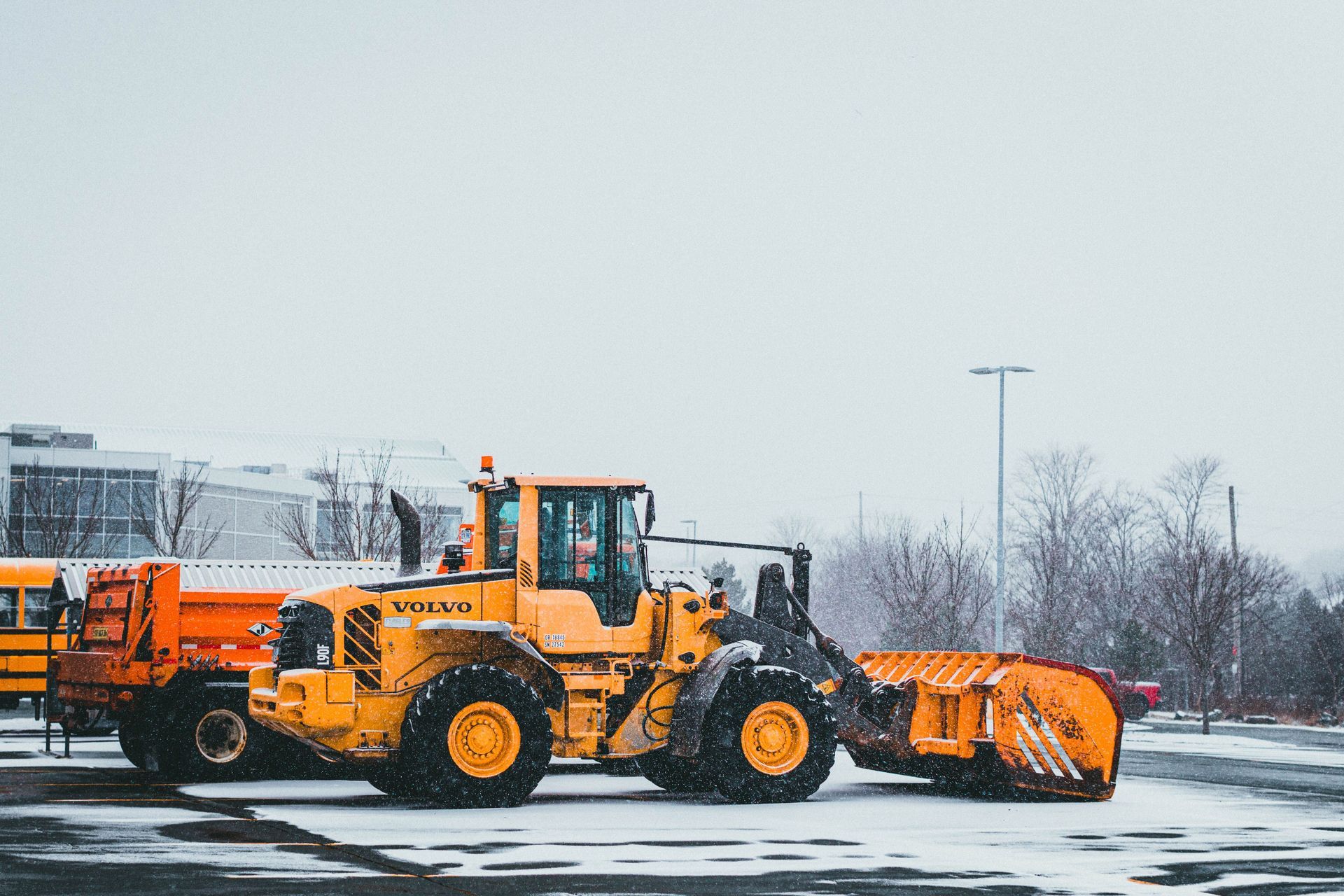
Yellow snowplow and front loader clearing a snowy parking lot in winter
By Brad Caton • October 12, 2026
How much snow removal equipment does your commercial property really need? Learn to evaluate a vendor's fleet capacity before the storm hits. ISO SN9001-certified Invictus serves the Pacific Northwest I-5 corridor. Request a quote.
Snow plow clearing a commercial parking lot in the Pacific Northwest at dawn
By Brad Caton • October 9, 2026
Trigger depth clauses tell you when a plow shows up — not when your property becomes a liability. See what a trigger depth actually covers, what SIMA's own guidance says it misses, and how Invictus Snowfighters' First Responder model closes the gap across the I-5 corridor. Request a quote.
Snowplow clearing snow from a road, with a bright orange blade pushing slush forward
By Brad Caton • October 7, 2026
In-house vs. outsourced snow removal: how Pacific Northwest property managers can weigh liability, equipment costs, and staffing. ISO SN9001-certified Invictus explains what to ask. Get a quote.
Person operating an orange snow plow clearing slush from a snowy road
By Brad Caton • October 5, 2026
Switching commercial snow removal providers takes more than a phone call — termination clauses, auto-renewal traps, and a coverage gap can all bite you. See the safe sequence for switching before winter, from a PNW snow contractor that's covered the I-5 corridor since 1990. Request a quote.
Fleet of commercial snowplow trucks staged in a yard before a winter storm in the Pacific Northwest
By Brad Caton • October 2, 2026
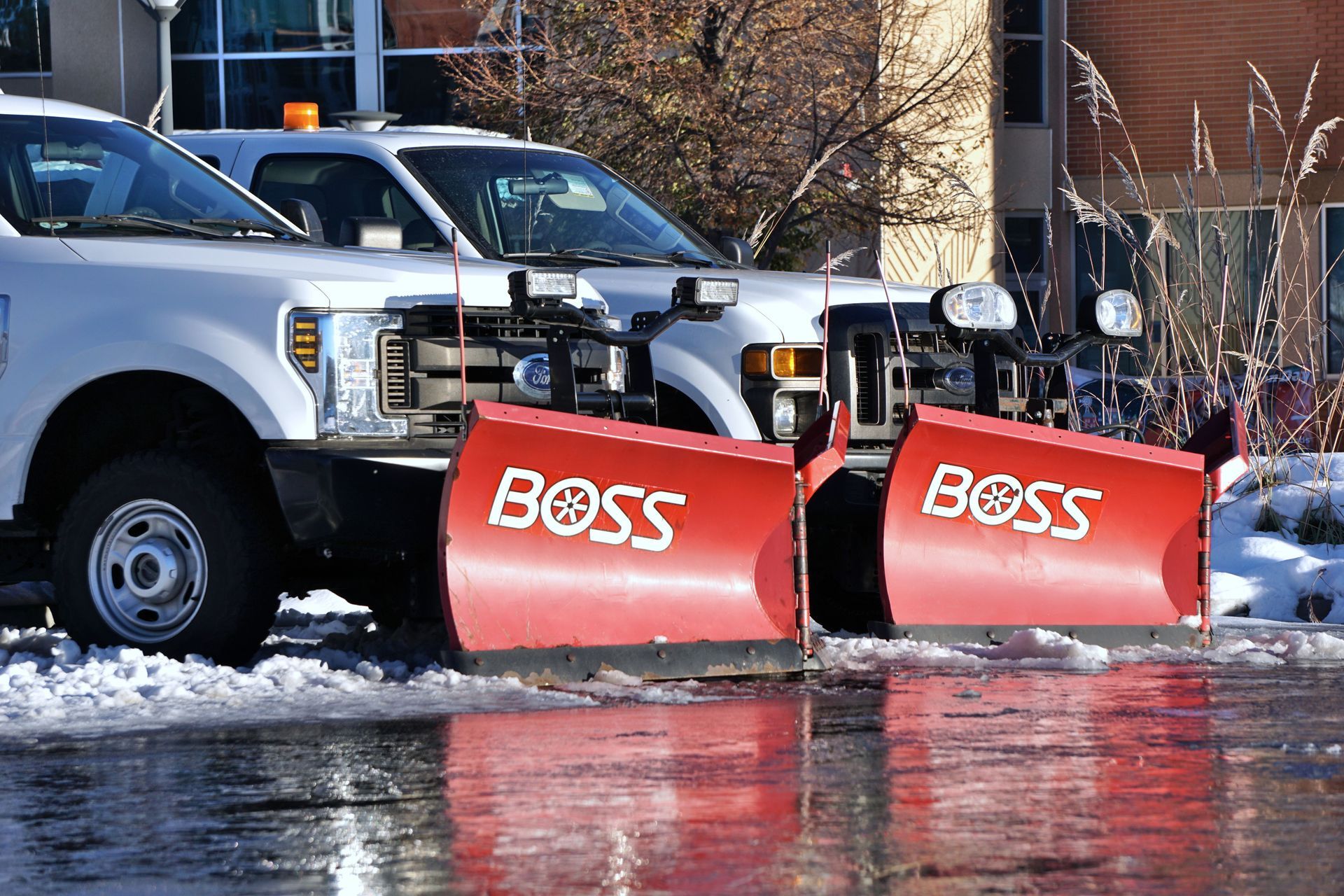
Snow removal equipment and staffing capacity is the best predictor of whether your site gets serviced in the worst storm of the season. Invictus breaks down the capacity math, real response-time standards, and the questions that expose an overextended contractor. Request a quote.
Orange snowplow clearing a large snowbank on a street beside colorful buildings
By Brad Caton • October 1, 2026
Industrial and manufacturing plant snow removal must meet OSHA's general industry standards for walking-working surfaces and powered trucks. See what ISO SN9001-certified Invictus recommends before winter. Get a quote.
Show More