
White Rock Snow Removal Bylaw: What Property Owners Must Know Before Winter

Brad Caton • October 26, 2026

Share this article

White Rock property owners have a narrow window every time it snows: by law, sidewalks bordering a property must be cleared by 10:00 a.m. — not "sometime today," not "by end of business." For a single-family homeowner, that's a shovel and twenty minutes. For a commercial building, an apartment complex, or a strata council managing shared walkways across a White Rock multi-unit site, it's a logistics problem that can't be solved after the snow has already fallen. Below is what White Rock's Street and Traffic Bylaw No. 1529 actually requires, what it costs to miss the deadline, and where the municipal rule stops covering a property's real liability.

What White Rock's Snow-Clearing Bylaw Actually Requires

Under Section 39 of the City of White Rock's consolidated Street and Traffic Bylaw, 1999, No. 1529, "the owner of every parcel of real property shall remove all snow, ice, or debris from any sidewalk bordering such parcel of land not later than 10:00 a.m." The City's own Winter Snow & Ice Operations page restates the same rule in plain language for residents and businesses: clear snow and ice from sidewalks surrounding the property by 10 a.m. following a snowfall.

That's a fixed time of day, not a countdown that starts once a storm ends. It's also a stricter standard than some neighboring Lower Mainland cities use — the City of Langley, for comparison, gives property owners 24 hours after a snowfall to clear bordering sidewalks under its own Highway and Traffic Regulation Bylaw. In White Rock, a property owner who assumes "sometime today" is enough is already out of compliance the moment the clock passes 10.

What Happens If You Don't Clear By 10 A.M.

Under the City's consolidated Ticketing for Bylaw Offences Bylaw, 2011, No. 1929, a Section 39 violation — sidewalk snow, ice, or debris not removed by 10 a.m. — carries a $60 ticket, reduced to $35 if paid within seven days. That's the number most property managers hear about, and for a single missed morning, it's the one that applies.

It isn't the only number written into the bylaw, though. Section 39 sits inside the larger Street and Traffic Bylaw, and that bylaw's penal clause (Sections 93 and 94) sets a separate, far larger range for anyone actually prosecuted under the Offence Act rather than simply ticketed: not less than $5,000 and not more than $50,000 per offence, with each day a violation continues counted as a separate offence. In practice, the City issues the routine $60/$35 ticket for ordinary non-compliance. The larger range exists for the bylaw as a whole, and it's the kind of exposure that surfaces when a missed sidewalk stops being a bylaw ticket and starts being evidence in an injury claim.

The Sidewalk Rule Is Only Half of a Commercial Property's Exposure

Bylaw 1529 governs the public sidewalk bordering a property. It says nothing about the parking lot, the entrance walkway, the loading area, or any other surface a tenant, customer, or resident actually crosses to reach the building — and for most commercial and multi-unit properties, that's most of the property. That exposure runs through a separate legal track: British Columbia's Occupiers Liability Act, which sets a duty of care an occupier owes to anyone entering the premises, sidewalk or not.

We've covered what that Act requires and how it applies to snow and ice specifically inOccupiers Liability Act and Snow Removal: What BC Property Managers Must Know— worth reading alongside this one. A property can be fully compliant with Bylaw 1529's 10 a.m. sidewalk rule and still be exposed if the rest of the site isn't documented to the same standard.

Why This Matters More for Strata Councils and Commercial Portfolios

A single-family homeowner can watch the forecast and grab a shovel before 10 a.m. A strata council overseeing shared walkways, a commercial landlord with multiple tenants, or a property manager running several White Rock addresses at once doesn't have that option. Someone has to be on-site, equipped, and finished before the deadline — on every property, every time it snows — and a single crew stretched across too many addresses runs out of morning before it runs out of sidewalks.

That's the gap a consolidated vendor is built to close instead of a rotation of whoever's available that morning. We've written about the trade-offs directly in Commercial Snow Removal for Multi-Property Portfolios: Why One Vendor Beats Five, which applies just as directly to a White Rock strata portfolio as to a scattered commercial one.

Before the First Snowfall: A Compliance Checklist for White Rock Properties

Most Section 39 violations aren't the result of a property owner ignoring the rule — they're the result of not having a plan in place before the snow starts. A few things worth confirming before the season's first storm:

Know who's actually responsible. For an owner-occupied property, that's straightforward. For a leased commercial space or a strata-managed building, confirm in writing whether the owner, the tenant, or the strata corporation is contracted to clear the bordering sidewalk — not just the parking lot or common areas.

Confirm a crew can reach the property before 10 a.m., not after. A vendor who shows up "sometime in the morning" is a vendor who misses the deadline the first time a storm arrives overnight. Ask what time the crew is scheduled to arrive relative to the 10 a.m. cutoff, not just what day.

Keep a record of every clearing, not just the ones that go smoothly. A timestamped service log is the difference between "we cleared it" and being able to prove it — both for a bylaw dispute and for the separate liability exposure described above.

Don't assume one plan covers every surface. The bylaw covers the sidewalk. The parking lot, entrances, and walkways are the property's own responsibility under general liability law, and they're usually where an actual injury claim originates. See our documentation breakdown for what actually holds up when a claim is filed months after the snow has melted.

Line up coverage before the season starts, not after the first storm. Once snow is in the forecast, every property in the region is trying to book the same limited pool of crews and equipment at once. A property that waits until the night before a storm to find a vendor is competing with every other property doing the same thing — and a vendor stretched across too many last-minute calls can't guarantee a 10 a.m. arrival. Confirming a contract, a service trigger, and a documented response plan before the season's first snowfall is what actually keeps a property compliant, not a phone call made after the flakes start.

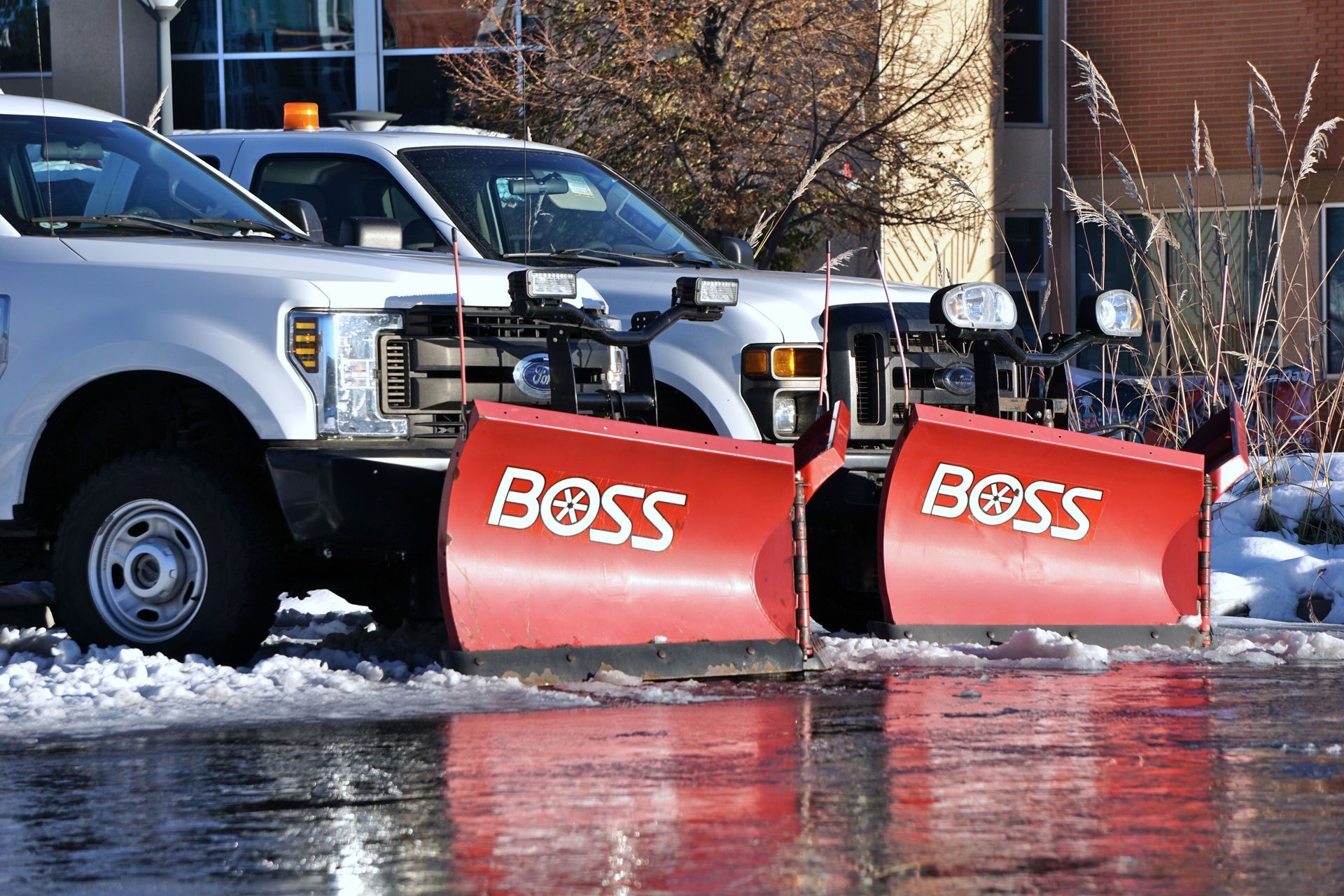
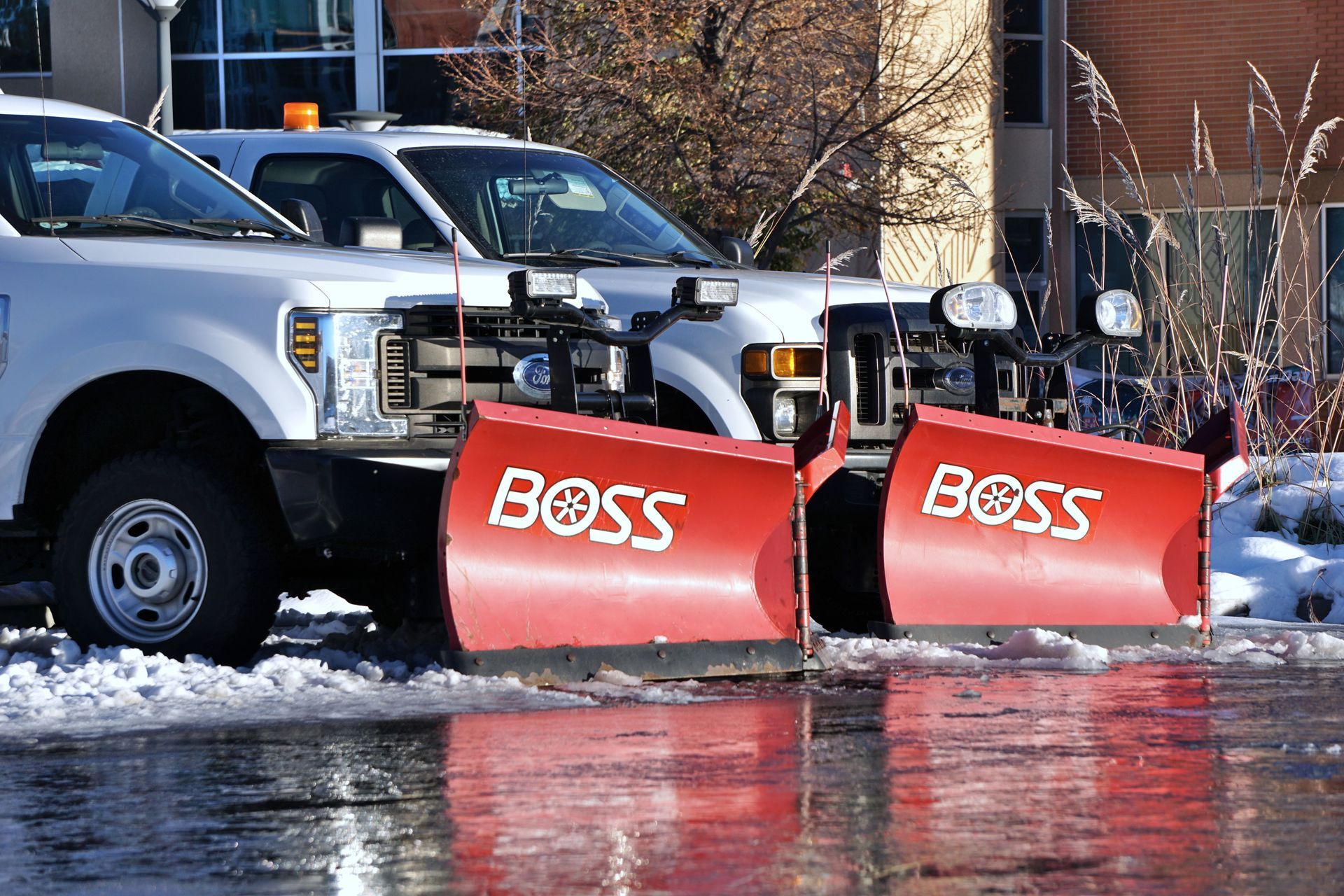
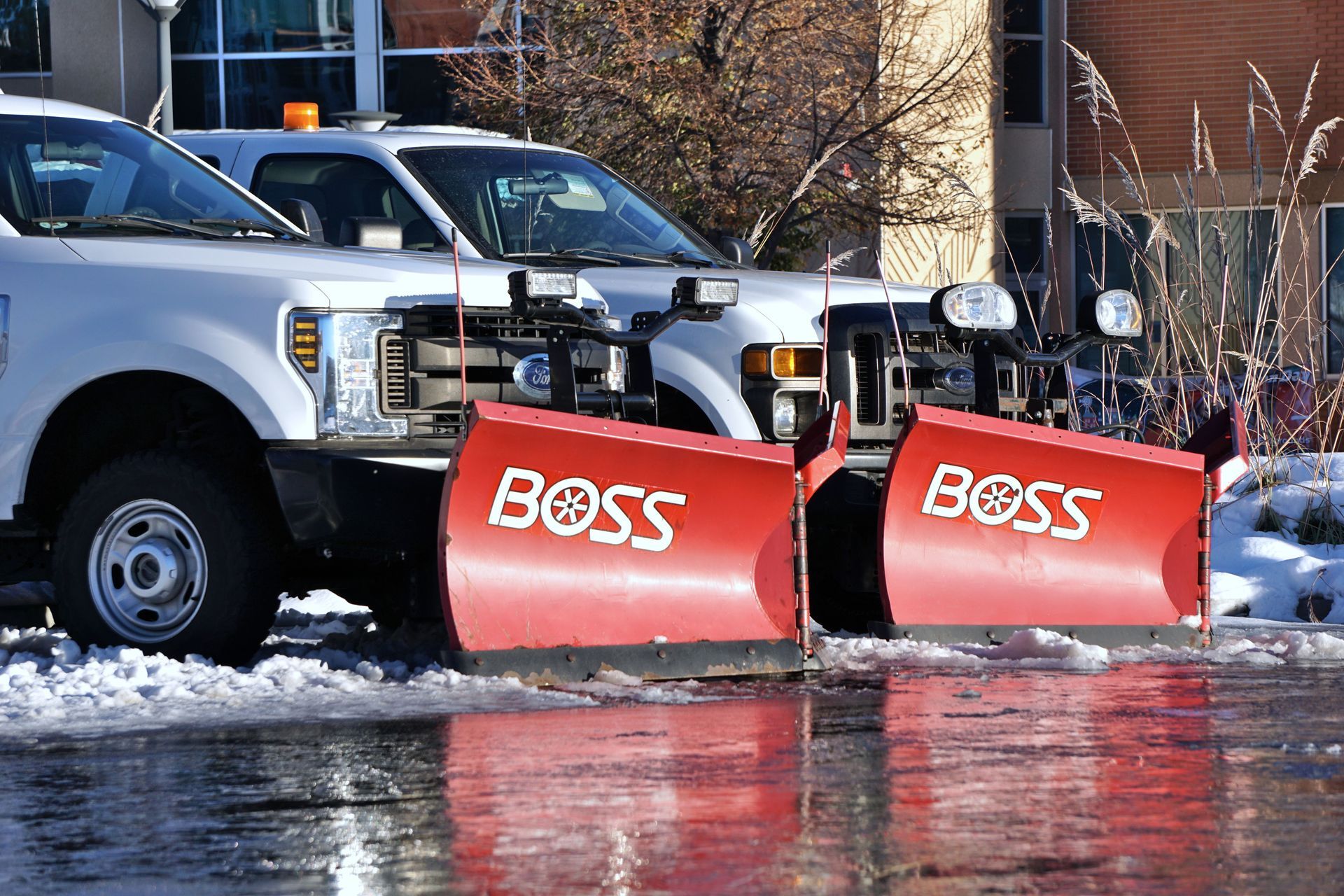
Two white trucks with red BOSS snowplows on a wet street with snow patches

How Invictus Keeps White Rock Properties Compliant Before the First Snowfall

Invictus treats snow and ice as a first-responder problem, not a landscaping add-on — the same standard we apply across every property we service in the Pacific Northwest. For White Rock properties, that means crews staged and equipped before a storm arrives rather than dispatched after the fact, so the 10 a.m. deadline is a formality rather than a scramble. For larger sites, that includes on-property first-responder equipment staged ahead of a storm, so a crew isn't starting from a truck yard once the snow is already falling.

Every visit is geo-fenced and timestamped, which builds the same documented service record we recommend property managers keep for Occupiers Liability Act exposure — not just for the municipal ticket, but for the claim that can surface months later. Invictus is ISO SN9001-certified and services commercial, strata, and multi-property portfolios across the Lower Mainland and the wider Pacific Northwest corridor, including Vancouver and the broader I-5 corridor down to Seattle and Portland. If a White Rock property — or a portfolio that includes one — needs a plan in place before the first flake falls, request a quote or see the full range of services we provide.

Frequently Asked Questions

Does the 10 a.m. deadline apply to private parking lots and walkways, or just the public sidewalk?

Bylaw 1529, Section 39 applies specifically to the sidewalk bordering the property. Parking lots, entrances, and other private surfaces fall under general premises-liability duties rather than this bylaw — see the Occupiers Liability Act breakdown linked above for what applies there.

Who is responsible for clearing snow on a leased commercial property — the landlord or the tenant?

The bylaw itself ties the Section 39 duty to "the owner of every parcel," but many commercial leases reassign snow removal to the tenant through CAM clauses. Check the lease; if it's silent, the bylaw duty defaults to the owner.

What if it's still snowing at 10 a.m.?

The bylaw text sets a fixed clearing time rather than a grace period tied to when snowfall stops. A property expecting continuous snow should plan for more than one clearing pass, not a single visit timed to just beat the deadline.

How does White Rock's rule compare to other Lower Mainland cities?

White Rock's same-day 10 a.m. deadline is stricter than Langley's, where owners have 24 hours after a snowfall to clear bordering sidewalks. See our breakdowns ofRichmond's,Burnaby's,Surrey's, and theTri-Cities'own deadlines for how they compare.

Recent Posts

Snow plow clearing a commercial parking lot at dawn in the Pacific Northwest
By Brad Caton • October 28, 2026
WorkSafeBC winter safety requirements mean BC employers must run a documented risk assessment before snow hits. Invictus Snowfighters, the region's only ISO-certified provider, breaks down what to verify and how to prepare. Contact us before the season starts.

Snowy urban alley with a person sweeping near green bins and brick buildings in the background
By Brad Caton • October 23, 2026
Richmond's snow removal bylaw (Traffic Bylaw 5870) requires commercial, industrial, and undeveloped properties to clear sidewalks by 10am daily or face a $125 fine per violation. See what the City's own guidance requires, and how Invictus keeps Richmond properties compliant before the first snowfall.
Snowy sidewalk beside a fenced path, with a black dog walking away toward a crosswalk sign.
By Brad Caton • October 21, 2026
Burnaby's snow removal bylaw fines commercial properties up to $400 per violation. Here's what Section 31 requires, what the city's own guidance says, and how Invictus keeps Burnaby properties compliant before the first snowfall.
Snow-covered driveway outside a brick building with parked cars and a covered entrance
By Brad Caton • October 19, 2026
Surrey's snow removal bylaw requires commercial properties to clear sidewalks by 10am next day or face daily fines. See what Bylaw 13007 requires. Request a quote.
Property manager and maintenance contractor shaking hands in a commercial parking lot
By Brad Caton • October 16, 2026
Managing five property maintenance vendors instead of one costs hours every month. See how commercial property managers consolidate winter service with the rest of their maintenance calendar, from a company serving 500+ Pacific Northwest properties for 30+ years. Get a quote.
Snowplow clearing a large commercial parking lot for a multi-property portfolio contract in the Pacific Northwest
By Brad Caton • October 14, 2026
Multi-property snow removal contracts consolidate a fragmented, sole-proprietor-heavy market into one accountable partner. See what portfolio bundling actually saves, what to verify first, and the one trade-off to watch. Request a quote.

Yellow snowplow and front loader clearing a snowy parking lot in winter
By Brad Caton • October 12, 2026
How much snow removal equipment does your commercial property really need? Learn to evaluate a vendor's fleet capacity before the storm hits. ISO SN9001-certified Invictus serves the Pacific Northwest I-5 corridor. Request a quote.
Snow plow clearing a commercial parking lot in the Pacific Northwest at dawn
By Brad Caton • October 9, 2026
Trigger depth clauses tell you when a plow shows up — not when your property becomes a liability. See what a trigger depth actually covers, what SIMA's own guidance says it misses, and how Invictus Snowfighters' First Responder model closes the gap across the I-5 corridor. Request a quote.
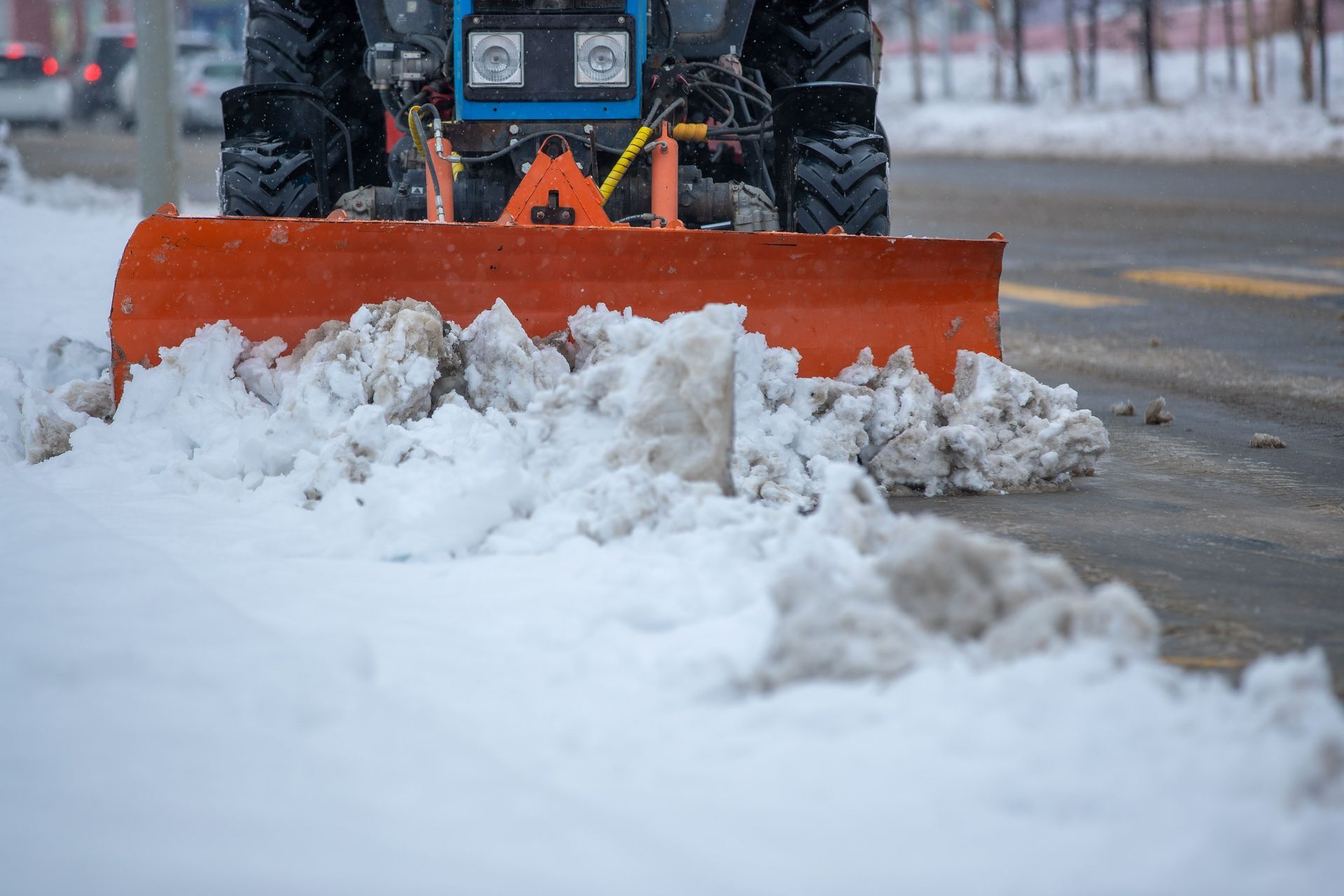
Snowplow clearing snow from a road, with a bright orange blade pushing slush forward
By Brad Caton • October 7, 2026
In-house vs. outsourced snow removal: how Pacific Northwest property managers can weigh liability, equipment costs, and staffing. ISO SN9001-certified Invictus explains what to ask. Get a quote.
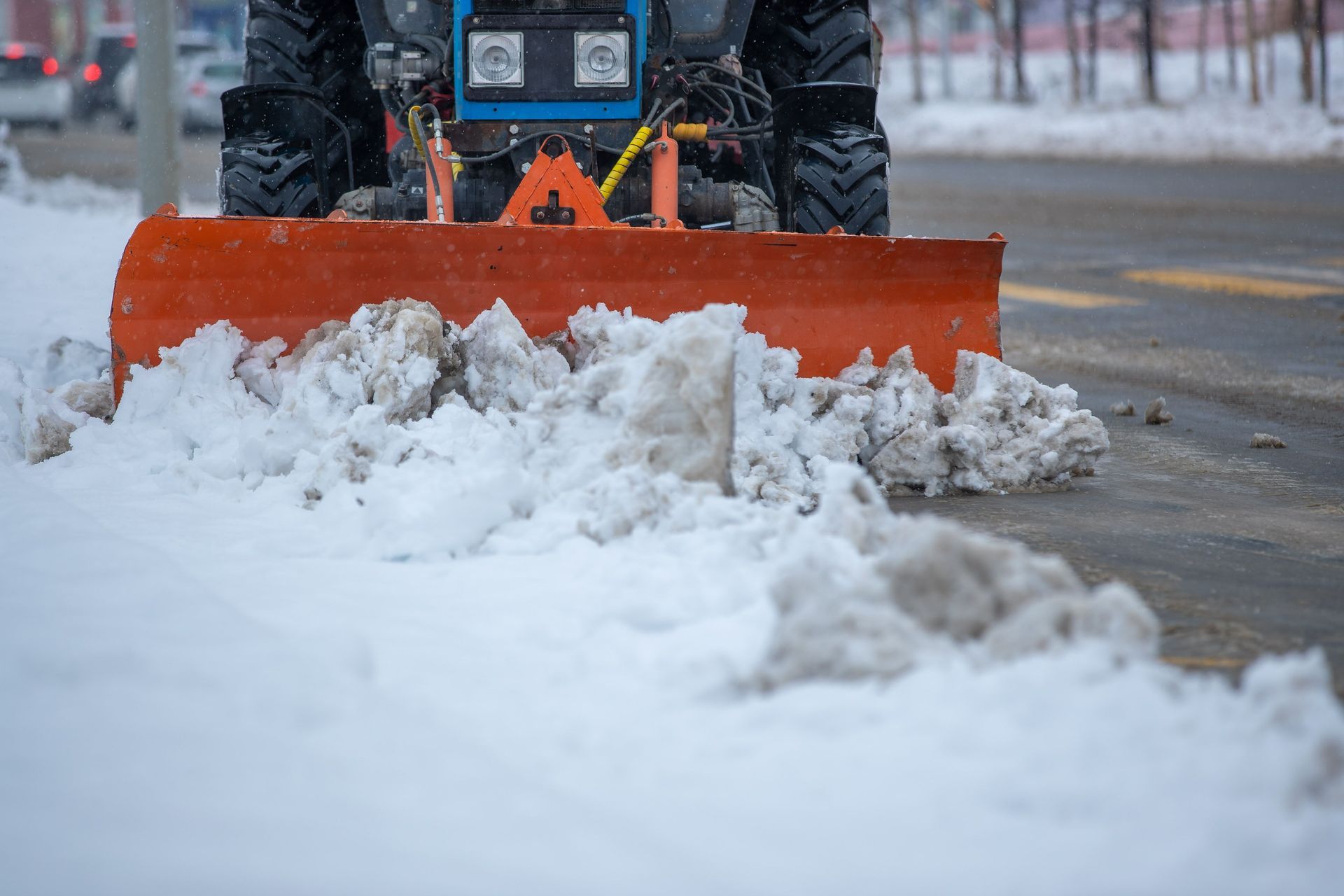
Person operating an orange snow plow clearing slush from a snowy road
By Brad Caton • October 5, 2026
Switching commercial snow removal providers takes more than a phone call — termination clauses, auto-renewal traps, and a coverage gap can all bite you. See the safe sequence for switching before winter, from a PNW snow contractor that's covered the I-5 corridor since 1990. Request a quote.
Show More