
How to Write a Commercial Snow Removal RFP in the Pacific Northwest: A Property Manager's Guide

Brad Caton • September 25, 2026

Share this article

Every slip-and-fall claim starts the same way: a property that wasn't ready for winter. According to a 2025 analysis by Stop the Slip, falls are now the leading cause of injury-related emergency room visits in the United States — accounting for nearly 12% of all ER admissions annually. For commercial property managers in Seattle, Portland, Tacoma, Vancouver, and across the Pacific Northwest I-5 corridor, the stakes are even higher: this region's freeze-thaw cycle creates black ice conditions that can appear with almost no warning.

A commercial snow removal Request for Proposal (RFP) is the document you issue to contractors before selecting a partner for the season. Done right, it does more than collect bids — it creates a written record of your service expectations, forces contractors to document their equipment and capacity, and gives you defensible evidence of due diligence should a slip-and-fall claim ever reach your desk. This guide walks you through every section of a strong commercial snow removal RFP for Pacific Northwest properties, including the questions most property managers forget to ask and the timing window that determines whether you get top-tier coverage or a rushed, under-equipped crew.

What Is a Commercial Snow Removal RFP — and Why Issue One?

An informal quote request and an RFP are not the same thing. A quote request asks "how much?" An RFP asks "can you perform to this standard, and can you prove it?" For commercial properties — retail centers, office parks, industrial campuses, multi-unit residential buildings — a formal RFP is the right tool because it sets your service expectations in writing before you sign anything, creates an apples-to-apples framework for comparing contractors across equipment, capacity, technology, and response time, and documents your due diligence for insurance and liability purposes.

As Level Green Landscaping notes in their commercial snow removal contracting guide, "a detailed commercial snow removal proposal creates a clear, written record of expectations and responsibilities" — which protects both the property owner and the contractor when conditions deteriorate. The more specific you are in the RFP, the fewer "gotcha" clauses surface after the first storm.

Consider the liability exposure: National Safety Council data compiled by Pearson Koutcher Law shows that 85% of fall-related workers' compensation claims trace back to slips, and approximately 244,000 U.S. workers file such claims annually. An RFP that explicitly addresses your response time requirements and documentation standards is one of the most cost-effective risk-management moves available to a commercial property manager.

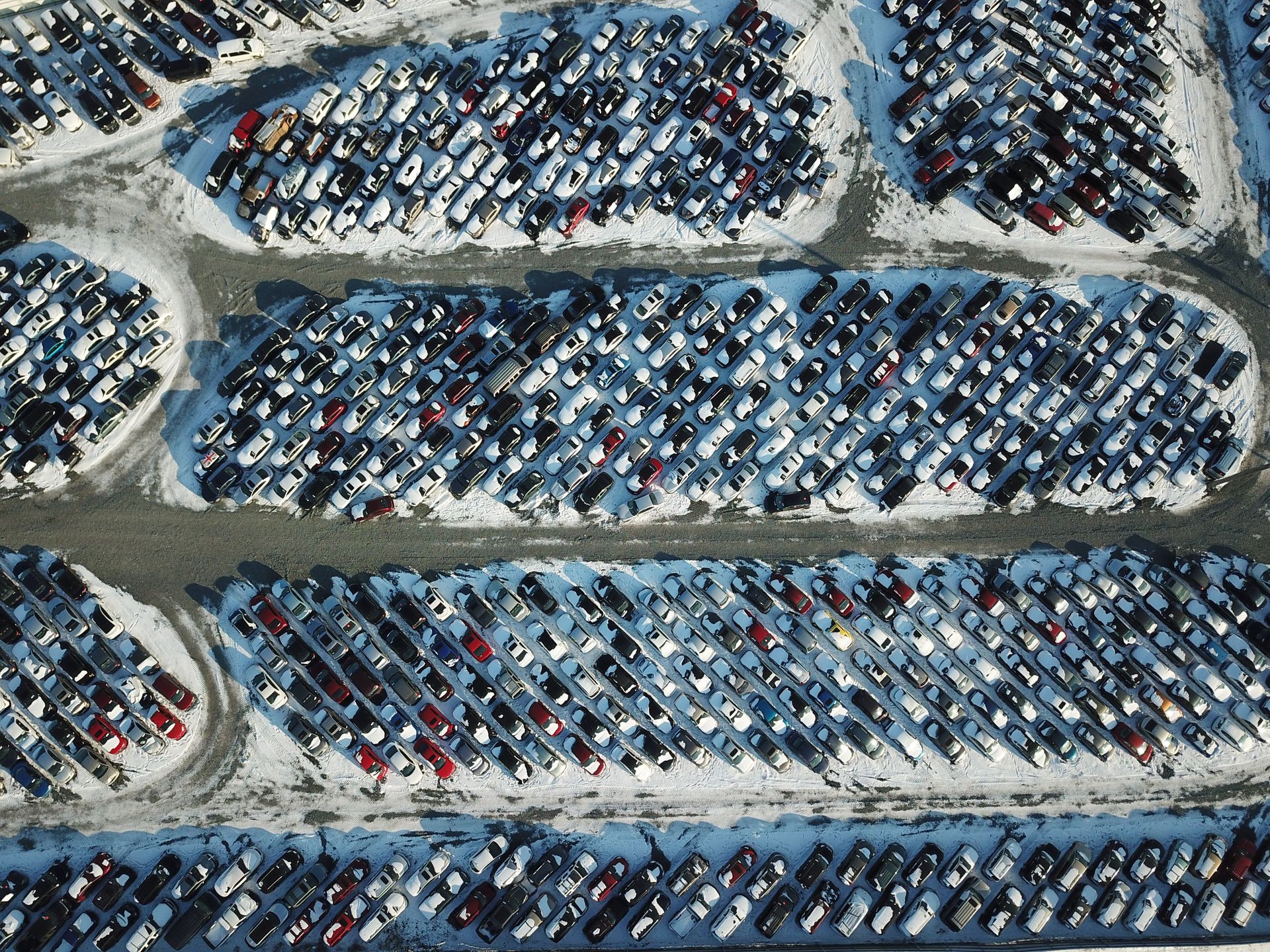
Aerial view of rows of parked cars in a large outdoor lot with snowy lanes

Why July and August Are Your Window to Issue the RFP

The Pacific Northwest snow season feels remote in late June. That's precisely when your RFP should go out.

Qualified contractors — the ones with adequate equipment, trained crews, geo-fencing systems, and sufficient insurance — begin committing their capacity months before the first storm. By mid-September, the best operators in Seattle, Portland, Snohomish, and the Lower Mainland have their rosters full. If you're still issuing RFPs in October, you're competing for whatever capacity remains.

PCL Whatcom, which serves commercial properties across Whatcom County and the broader Pacific Northwest, puts it plainly: "Ideally [issue the RFP] in July or August; award by mid-September to secure top-tier coverage." Four compounding reasons make early action pay: price protection (contractors set salt, fuel, and labor rates months ahead; early commitments avoid peak-season surcharges); resource priority (early-committed clients go to the top of dispatch lists during major storms); site-specific optimization (pre-season walkthroughs let contractors map fire lanes, ADA routes, and drainage patterns before any precipitation); and budget forecasting (fixed-fee or tiered pricing is far easier to secure early in the year).

For portfolio managers overseeing properties across Seattle, Tacoma, Portland, and Vancouver simultaneously, early commitment to a contractor with genuinecommercial snow removal coverage across all three marketseliminates the administrative burden of managing multiple vendors with inconsistent service standards.

Section 1 of the RFP: Property Scope and Service Area Map

The first thing your RFP must communicate is exactly what needs to be cleared, and where. A vague scope produces vague bids — and surprises at the invoice. Include in this section:

  • A property map or site diagram marking all areas requiring service: parking lots, drive lanes, fire lanes, loading dock aprons, pedestrian walkways, ADA routes, and building entrances
  • Square footage or linear footage for each area type (pavement vs. walkways vs. steps)
  • Areas explicitly excluded — if a public sidewalk at the perimeter is handled by the municipality, state that clearly
  • Obstructions and restrictions : low clearances, underground utilities, marked landscape areas, bollards, loading dock timing windows
  • Priority zones : which areas must be cleared first (fire lanes and primary building entrances typically lead)

This is the section where property managers withcommercial slip-and-fall liability exposureshould be most precise. Washington state and Oregon courts do not require active snowfall at the time of a fall for liability to attach — they evaluate whether "reasonable care" was exercised for a known hazard. An RFP that explicitly designates your ADA routes and primary pedestrian corridors as Tier 1 priority zones signals to every contractor bidding that you understand your exposure.

Section 2: Service Standards — Trigger Depth, Response Times, and Hours

The Pacific Northwest's freeze-thaw cycle means your biggest risk is often not the six-inch storm that everyone sees coming — it's the inch of freezing rain that arrives at 2 a.m. on a Tuesday. Your RFP needs to address both scenarios. Specify:

  • Trigger depth: At what accumulation (typically 1–2 inches) does plowing begin? Do you want pre-treatment with liquid brine before a forecasted event?
  • Response time: How quickly must the contractor be on-site after the trigger threshold is reached? For high-traffic commercial properties, 1–2 hour response windows are standard.
  • Service completion time: By what time must your primary entrances and parking areas be cleared? Properties that open at 6 a.m. need a different SLA than a 24-hour facility.
  • Hours of coverage: Do you require 24/7 response capability, or is coverage limited to business-hours events?
  • Post-event service: Is a follow-up de-icing application after plowing included, or is it an additional service call?

This section directly informs what gets written into yourfinal snow removal contract— the clearer your RFP requirements, the more precise and enforceable your agreement will be when it matters.

Section 3: Documentation, Technology, and Liability Protection Requirements

This section separates professional commercial snow contractors from those operating at a landscaping-level of sophistication. A slip-and-fall claim against a commercial property manager often hinges on one question: can you prove what was done, when, and by whom? Without documentation, "we serviced the property" is an assertion. With it, it's evidence. Your RFP should ask contractors to describe or demonstrate:

  • Geo-fencing and GPS tracking: Does the contractor use geo-fencing technology that creates automatic time-stamped records of when crews entered, exited, and serviced specific zones on your property?
  • Service log format: Will you receive digital service records after every visit — and in what format? PDFs, portal access, or real-time dashboard?
  • Photo documentation: Do crews capture before/after photos that can be produced in the event of a premises liability claim?
  • Incident reporting protocol: If an incident occurs on the property during or after a service visit, what is the contractor's documented response process?

Contractors who operate with geo-fencing and automated service documentation are not a premium option — they are the minimum standard for any commercial property exposed to premises liability claims. As detailed in our analysis ofwhat Washington and Oregon premises liability law actually requires, courts recognize four categories of evidence: service logs, GPS/geo-fence records, photographic documentation, and contractor certifications. An RFP that doesn't ask about all four leaves gaps your insurance carrier will eventually notice.

Section 4: Equipment, Staffing, and Geographic Capacity

Every contractor will claim adequate equipment. Your RFP should require specifics. Ask for:

  • Equipment inventory: What vehicles, plows, skid steers, and loaders will be assigned to your property? There is a meaningful difference between a contractor who sends one pickup truck and one who dispatches a skid steer alongside it — the former may take four hours to clear a large lot; the latter handles it in ninety minutes.
  • Crew size and certification: How many trained personnel will be on-site? Are crews W-2 employees or subcontractors? The answer directly affects accountability and service consistency during high-demand events when subcontractor availability evaporates.
  • On-site equipment staging: Does the contractor offer pre-positioned materials — ice melt, liquid brine, aggregate — staged at or near your property? For properties with large surface areas, on-site staging (such as a dedicated response unit positioned on the property before a storm) can reduce effective response time by 30–60 minutes in a multi-site weather event.
  • Geographic coverage: For portfolio managers overseeing properties across Seattle, Portland, Tacoma, and Vancouver, ask directly: does the contractor have genuine boots-on-the-ground capacity across your entire footprint, or will they subcontract individual markets? Single-vendor I-5 corridor coverage eliminates the service coordination failures that occur when different local operators service different legs of the same portfolio.

Section 5: Pricing Structure and Insurance Requirements

Commercial snow removal pricing follows three main models, and each serves a different risk profile:

  • Per-push pricing: Billed per visit when accumulation exceeds your trigger depth. Favorable in light-snow seasons; can escalate significantly in heavy winters.
  • Seasonal contracts: A fixed fee covering all events within the contracted season, regardless of storm count or severity. Per Housecall Pro's 2026 commercial snow removal pricing analysis, seasonal commercial contracts range from approximately $1,500 to $10,000+ depending on square footage and service scope. Provides maximum budget predictability.
  • Time-and-materials: Billed on actual labor hours and material use. Suitable for properties with highly variable service needs.

Your RFP should ask each contractor to provide pricing under at least two models so you can make an informed comparison based on your property's actual snow history. Additionally, require proof of: general commercial liability insurance (minimum $1 million per occurrence, $2 million aggregate — higher for large portfolios); commercial auto liability covering all equipment used on your property; workers' compensation coverage for all on-site personnel; and a certificate naming your property or entity as an Additional Insured. A contractor who cannot produce current certificates within 48 hours of your request is not the right partner for a commercial property.

How to Evaluate the Proposals You Receive

Once proposals arrive, resist sorting by price alone. Evaluate on four dimensions:

  1. Scope responsiveness: Did the contractor address every section of your RFP specifically, or submit a generic template? Contractors who answer exactly what you asked — including the technology and documentation questions — understand commercial operations.
  2. Equipment-to-property match: Does the proposed equipment inventory make logical sense for your square footage and priority zones?
  3. References from comparable properties: Ask for references from property managers, not homeowners. A contractor who services similar commercial properties successfully is a fundamentally different operation from one whose residential portfolio includes a few small parking lots.
  4. Communication protocol: How will you know when service has been completed? Is there a dashboard, an automated notification, or do you need to call and ask? Our guide on setting up a reliable communication plan with your snow removal provider details the minimum standards for commercial-grade service reporting.

For a comprehensive list of questions to put directly to bidding contractors before awarding, see our guide on20 questions to ask before hiring a commercial snow removal company. Once you've selected a contractor,contact Invictus Snowfightersto confirm your award, schedule the pre-season site walkthrough, and get the contract in place before September. Your calendar window is now.

Frequently Asked Questions: Pacific Northwest Snow Removal RFPs

When should I issue my commercial snow removal RFP?

July or August. Award by mid-September. Top-tier Pacific Northwest contractors — particularly those with I-5 corridor coverage across Seattle, Portland, and Vancouver — commit their equipment and crew capacity well before the season begins. Waiting until October means competing for whatever capacity remains after the prepared property managers have already locked in.

What is the difference between an RFP and a snow removal contract?

An RFP is the document you issue to solicit proposals. It sets your service expectations and forces contractors to respond to your specific requirements. The contract is the binding agreement signed after you've selected a contractor. Your RFP terms should directly inform the contract language — the clearer the RFP, the tighter and more enforceable the contract.

Do I need an RFP if I already have a contractor from last year?

Not necessarily — but issue at minimum a written scope confirmation that specifies your response time expectations, documentation requirements, and insurance certificates for the current season. Verbal understandings from last winter do not protect you in a slip-and-fall claim this winter.

Should I require geo-fencing in my RFP?

Yes, for any commercial property with meaningful foot traffic. Geo-fencing creates an automatic, time-stamped service record that courts recognize as documented evidence of reasonable care. It protects the contractor and, more importantly, it protects you. Contractors without this capability represent an unacceptable documentation gap for a commercial property.

How do I handle multi-property portfolios across Seattle, Portland, and Vancouver?

Issue a portfolio-level RFP that covers all locations and requires contractors to demonstrate actual coverage capability — not just subcontractor relationships — across your entire footprint. A single contractor with genuine boots-on-the-ground presence across the I-5 corridor eliminates the service inconsistencies and coordination failures that come with using different local vendors in each city.

Recent Posts

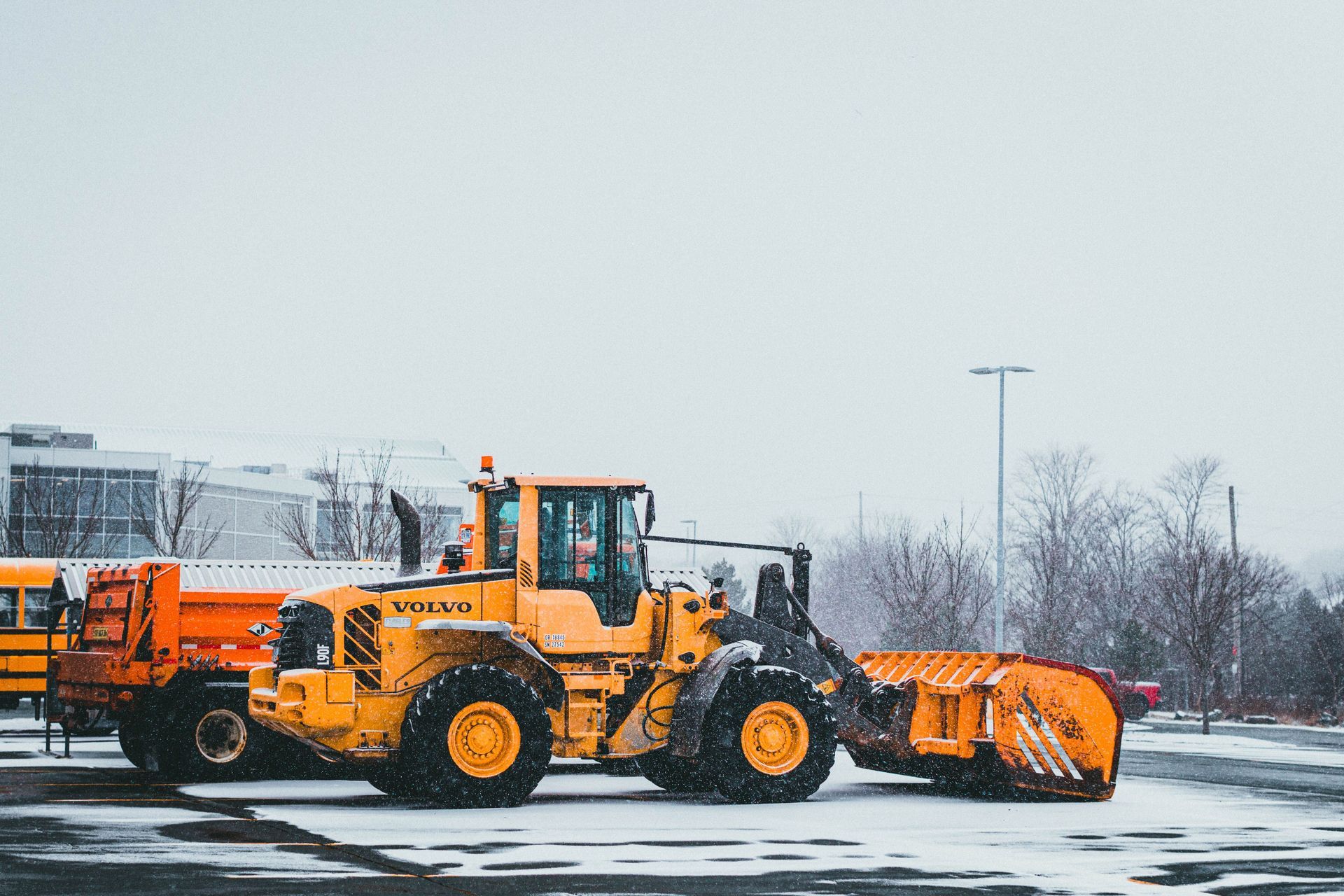
Yellow snowplow and front loader clearing a snowy parking lot in winter
By Brad Caton • October 12, 2026
How much snow removal equipment does your commercial property really need? Learn to evaluate a vendor's fleet capacity before the storm hits. ISO SN9001-certified Invictus serves the Pacific Northwest I-5 corridor. Request a quote.
Snow plow clearing a commercial parking lot in the Pacific Northwest at dawn
By Brad Caton • October 9, 2026
Trigger depth clauses tell you when a plow shows up — not when your property becomes a liability. See what a trigger depth actually covers, what SIMA's own guidance says it misses, and how Invictus Snowfighters' First Responder model closes the gap across the I-5 corridor. Request a quote.
Snowplow clearing snow from a road, with a bright orange blade pushing slush forward
By Brad Caton • October 7, 2026
In-house vs. outsourced snow removal: how Pacific Northwest property managers can weigh liability, equipment costs, and staffing. ISO SN9001-certified Invictus explains what to ask. Get a quote.
Person operating an orange snow plow clearing slush from a snowy road
By Brad Caton • October 5, 2026
Switching commercial snow removal providers takes more than a phone call — termination clauses, auto-renewal traps, and a coverage gap can all bite you. See the safe sequence for switching before winter, from a PNW snow contractor that's covered the I-5 corridor since 1990. Request a quote.
Fleet of commercial snowplow trucks staged in a yard before a winter storm in the Pacific Northwest
By Brad Caton • October 2, 2026
Snow removal equipment and staffing capacity is the best predictor of whether your site gets serviced in the worst storm of the season. Invictus breaks down the capacity math, real response-time standards, and the questions that expose an overextended contractor. Request a quote.
Orange snowplow clearing a large snowbank on a street beside colorful buildings
By Brad Caton • October 1, 2026
Industrial and manufacturing plant snow removal must meet OSHA's general industry standards for walking-working surfaces and powered trucks. See what ISO SN9001-certified Invictus recommends before winter. Get a quote.
Orange snowplow trucks clearing a snowy parking lot in winter
By Brad Caton • September 30, 2026
Snow removal contractor insurance shouldn't be assumed. See what coverage and documentation ISO SN9001-certified Invictus verifies before every contract. Get a quote.
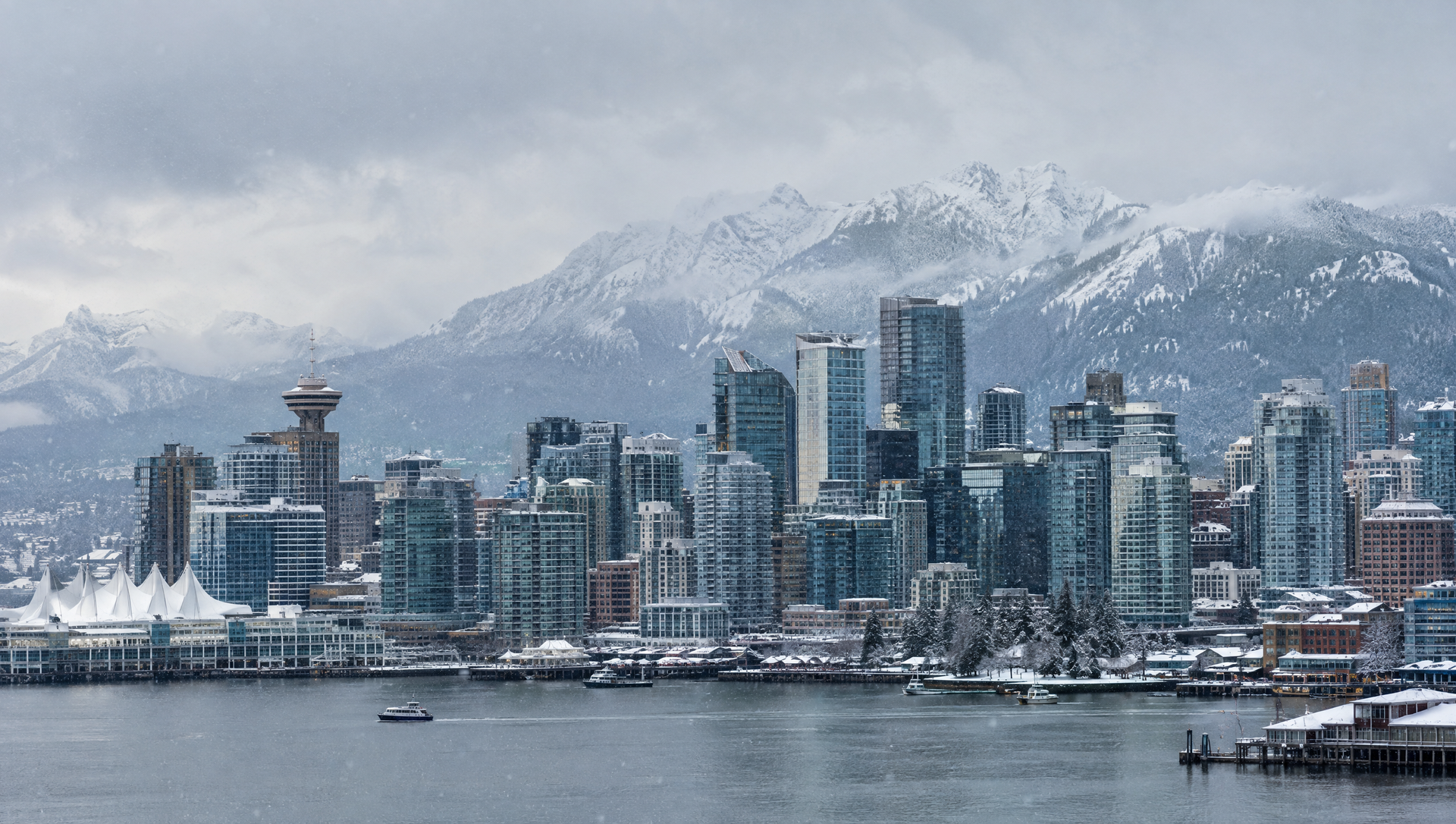
Downtown Vancouver skyline in winter snow with the North Shore mountains
By Brad Caton • September 28, 2026
A record El Niño winter is forecast. What it means for snow and ice on Metro Vancouver commercial properties, what history shows, and what to do before the first arctic outflow.
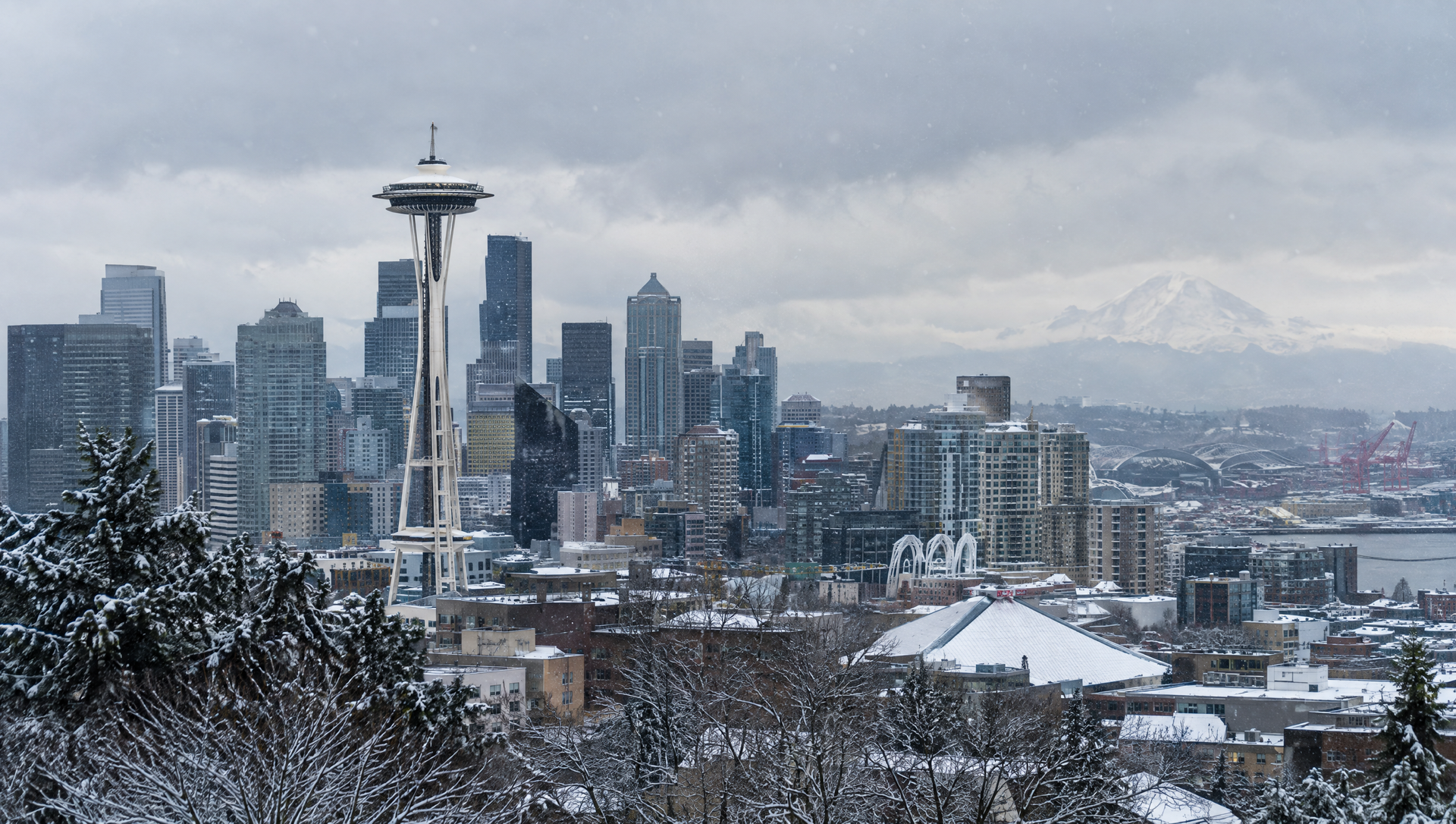
Downtown Seattle skyline in winter snow with the Space Needle and Mount Rainier
By Brad Caton • September 28, 2026
A record El Niño is forecast. What it means for snow and ice on Seattle-area commercial properties, why 2019 and 1996 still matter, and what to do before the first cold snap.
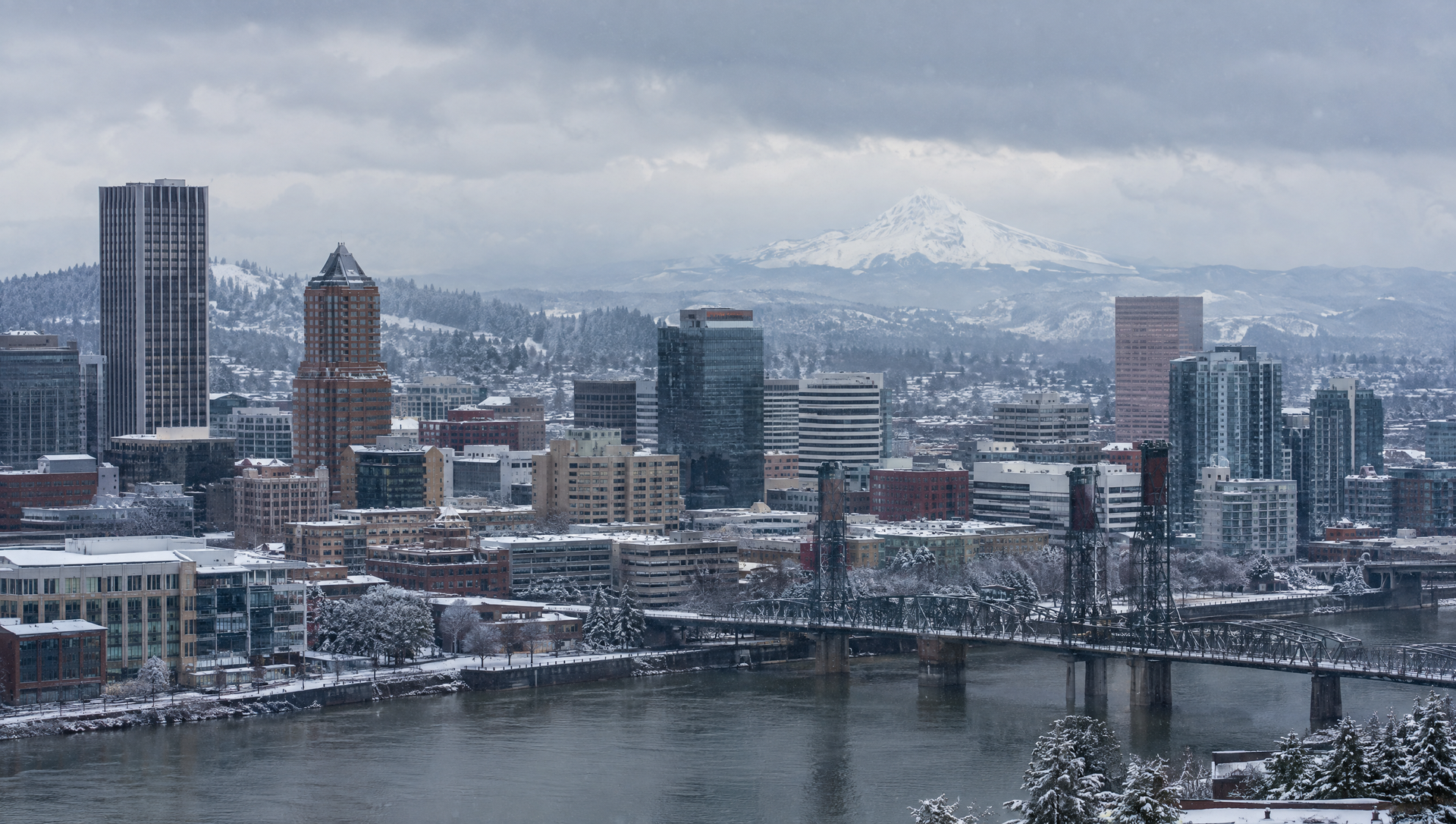
Downtown Portland skyline in winter snow with Mount Hood in the background
By Brad Caton • September 28, 2026
A record El Niño is forecast and Portland sits on the rain-to-ice line. What January 2024 proved, what forecasters expect this winter, and what to do before the first arctic push.
Show More