
How to Evaluate a Snow Removal Company's Equipment and Staffing Capacity Before You Sign

Brad Caton • October 2, 2026

Share this article

Every commercial snow removal proposal says the same thing: fast response, reliable service, professional crews. The language is identical across a dozen bids. What isn't identical — and what almost never gets asked about directly — is whether the company behind the proposal actually has enough trucks, operators, and equipment to be at your property when the storm hits every other property on their route at the same time.

That question, more than price, more than years in business, more than the glossy language in the proposal, is the one that predicts whether you get serviced during the worst storm of the season or find out the hard way that your contractor was stretched too thin.

1. Why Capacity Is the Vetting Question That Actually Matters

Snow removal companies fail their customers almost exclusively in one way: they took on more square footage than their trucks and crews could physically cover once a real storm hit. It's rarely a pricing problem or a communication problem on the front end — it's a capacity problem that surfaces the first time a storm doesn't cooperate with the schedule.

Invictus Snowfighters founder Brad Caton has lived this exact failure mode from the inside. Early in the company's growth, after taking on more commercial accounts than its equipment could handle, a week of continuous snowfall exposed the gap. "We took on too much work for the limited equipment that we had and tried to do it all with like three or four guys," Caton recalls. "It literally snowed for a week straight and we got three feet of snow... I don't think I slept, and we were falling behind because there was so much snow coming and we just didn't have enough equipment." The company's response was to change how it procures equipment for every new contract from that point forward — never taking on square footage the fleet can't physically cover.

That lesson is the entire premise of this guide: a contractor's capacity, not their pitch, determines what happens when the snow doesn't stop.

2. What "Enough" Equipment Actually Means: The Capacity Math

Every commercial site has a physical clearing time based on its square footage, layout, and the equipment assigned to it. A contractor with the right capacity has done that math for your property specifically — not estimated it from a windshield survey.

The industry is under real labor pressure right now, which makes this math more important than it was a few years ago, not less. Labor costs in the snow and ice sector rose 4.2% in a single quarter in late 2024, and contractors industry-wide are responding by demanding more productivity per machine rather than simply adding headcount, according to 2026 industry equipment trend data from Midwest Equipment Group. That means a contractor's fleet, not just their headcount, needs to be sized correctly for your account — sectional pushers, high-flow hydraulics, and machines with faster cycle times exist specifically because operators are scarcer and more expensive than they used to be.

The same report notes the global snow removal equipment market is projected to grow from $10.3 billion in 2025 to $18.4 billion by 2035, with commercial snow removal accounting for roughly 60% of that revenue. Demand for capacity is only going up. A contractor who was adequately equipped for your property two winters ago may not be sized correctly for it today if their account list has grown faster than their fleet.

3. The Response-Time Standard You Should Hold Any Contractor To

"Fast response" is a meaningless phrase unless it's tied to a number. Real commercial and municipal snow contracts write response time into the scope of work in hours, not adjectives. One public-sector specification, for example, requires walkways to be cleared within 12 hours after snowfall stops for standard accumulation, with an immediate-response requirement once ice accumulation begins, according to a published snow removal specification manual covering a mixed-use residential and commercial property.

Ask any contractor bidding on your property for the same level of specificity: a number of hours after snowfall ends for standard accumulation, and a separate, faster commitment for ice events. A contractor who won't commit to a number, or who commits to a number without explaining how many crews and machines are assigned to make it possible, hasn't done the capacity math — they're hoping the weather cooperates.

4. Five Questions That Reveal Whether a Contractor Has the Fleet to Back the Promise

  • How many total commercial accounts is this crew and this equipment assigned to? A route that looks fine on paper can collapse if the same truck is also committed to five other properties during the same storm window.
  • What happens to my property if a truck breaks down mid-storm? Ask specifically about backup equipment, not backup plans in general.
  • Do you own this equipment, or is it subcontracted for the season? Subcontracted capacity that gets pulled by a bigger client mid-storm is a real risk on overextended accounts.
  • What's your written response-time commitment, in hours, for standard snowfall versus ice events? Per the standard above, this should be a specific number, not "as soon as possible."
  • Can you show documentation from last season's worst storm? A contractor with real capacity can show geo-fenced service logs proving they hit their properties on time even during the season's hardest week.

These five questions are a deliberate complement to the broader vetting process covered inInvictus's full 20-question hiring checklist— capacity is the one category of that checklist worth pressure-testing hardest, because it's the hardest for a contractor to fake convincingly.

5. Why Multi-Property Portfolios Change the Capacity Math

If you manage more than one commercial property, the equipment-and-staffing question gets more complicated, not less. A contractor juggling five unrelated clients' properties has to build a route around all of them; a contractor managing your entire portfolio as one bundled account can build equipment and crew assignments around your properties specifically, understanding the real square footage and priority order across the whole book.

That's the logic behind bundling a multi-property portfolio with one contractor whose geography actually covers all your sites — it's not just a pricing efficiency, it's a capacity efficiency, because the contractor can allocate equipment to your properties as a group rather than competing against unrelated accounts for the same trucks. For a deeper look at how that math works, seeInvictus's 2026 pricing guide for the Pacific Northwest.

6. Red Flags: Signs a Contractor Is Overpromising Their Capacity

A few patterns show up consistently in contractors who take on more than they can handle:

  • They can't answer how many other properties their assigned crew services during the same storm window.
  • Their proposal quotes a response time with no explanation of the equipment or crew size behind it.
  • They have no documentation process for proving service was delivered on time last season.
  • Their geographic coverage area is vague — "the whole region" rather than a specific, named service footprint.
  • They rely heavily on last-minute subcontracted equipment rather than an owned fleet sized for their account list.

According to the Snow & Ice Management Association's (SIMA) Quality RFP Creation and Best Practices guide, a properly built request for proposal should require contractors to define their Level of Service and Scope of Work in specific, site-assessed detail — not general language — precisely because vague commitments are how capacity gaps hide until the first real storm exposes them. SIMA is an ANSI-recognized standards developer for the snow and ice management industry, and its procurement standard lays out the same expectation: contract terms, documented monitoring, and clearly defined service levels, not just a response-time promise.

7. How Invictus Snowfighters Built Capacity Into the Model

Invictus's answer to its own early capacity failure was structural, not just a lesson learned. The company built its coverage around the entire I-5 corridor — Vancouver, BC to Seattle to Portland — a geographic footprint no single competitor in the region services with boots on the ground, which lets it allocate equipment across a much larger account base without any one storm overwhelming a single crew.

On its largest commercial sites, Invictus also installs on-propertyFirst Responder Units— staged ice-melt caches that let treatment begin the moment conditions turn, rather than waiting for a truck to leave a central yard. That's a direct answer to the response-time math covered above: on-site capacity that doesn't depend on route timing during the storm.

Property managers evaluating any contractor — Invictus included — shouldn't have to take a capacity claim on faith. Invictus's ownRFP and Level-of-Service scoring guidewalks through how to score a proposal's equipment and staffing commitments against your site's actual square footage before you sign, rather than finding out during the first real storm.

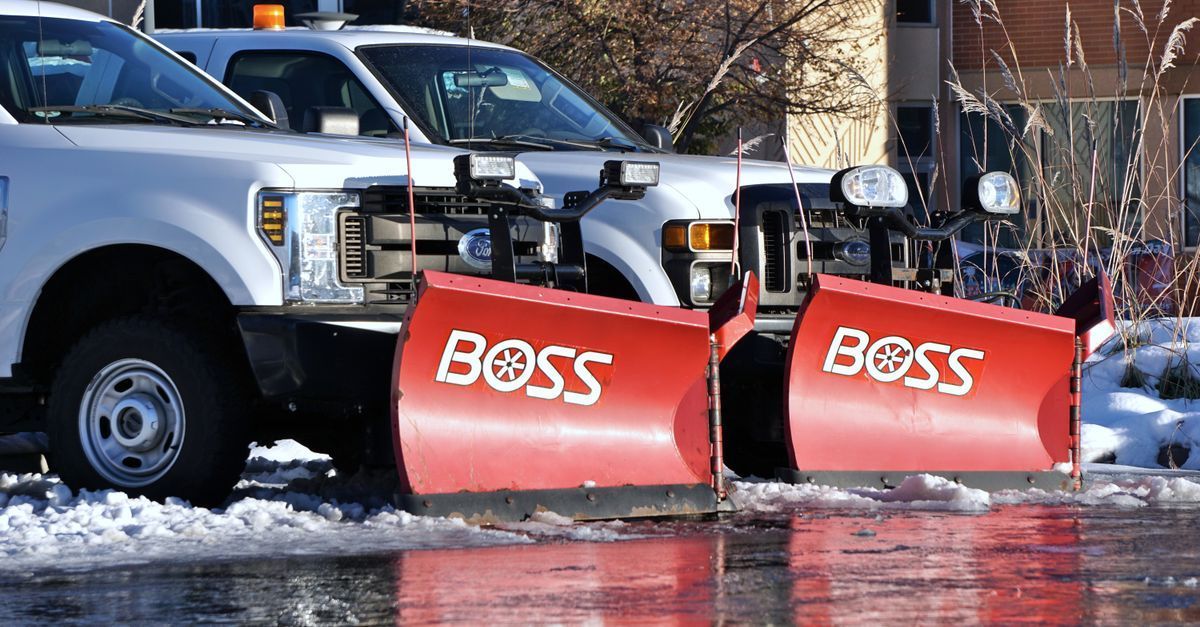
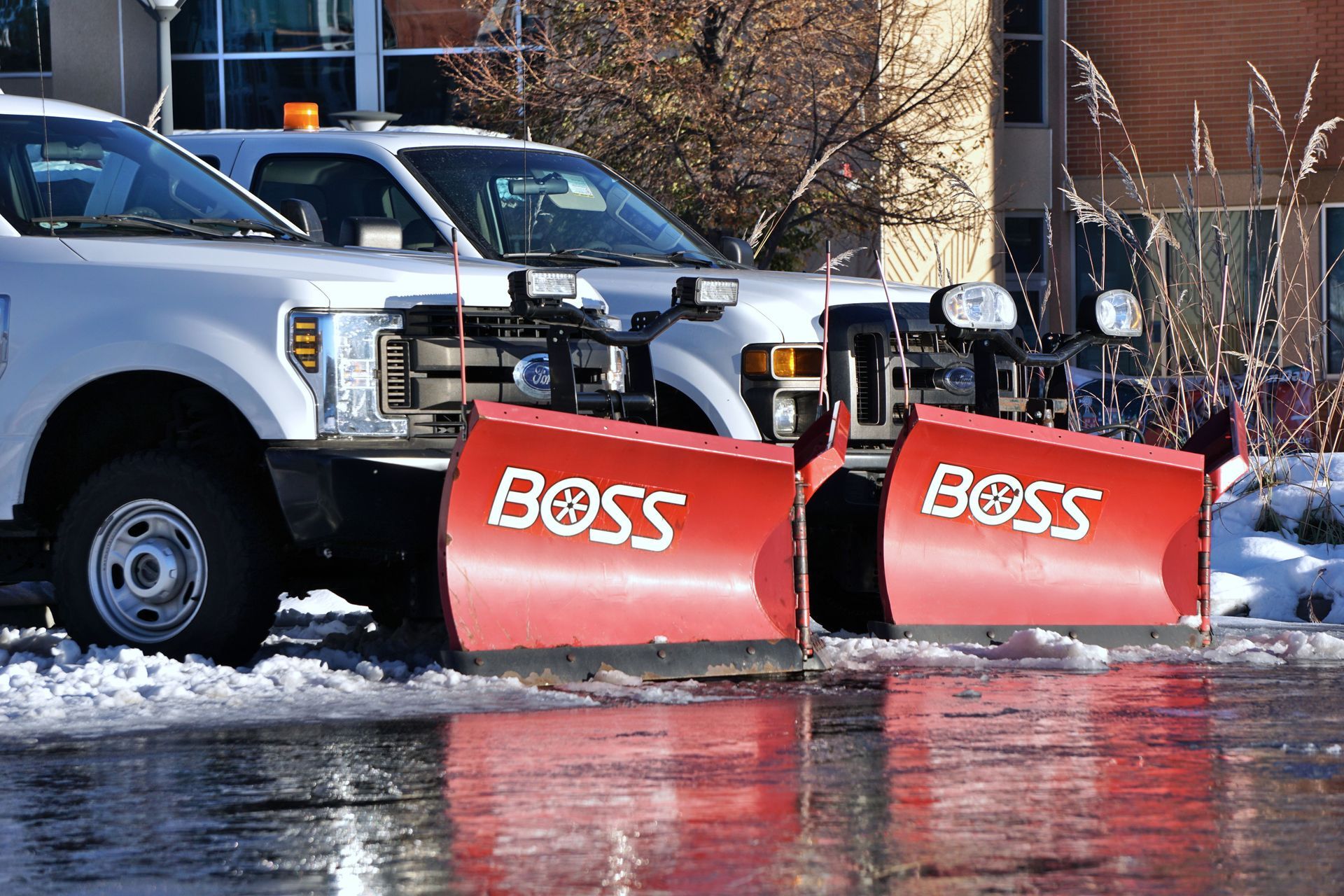
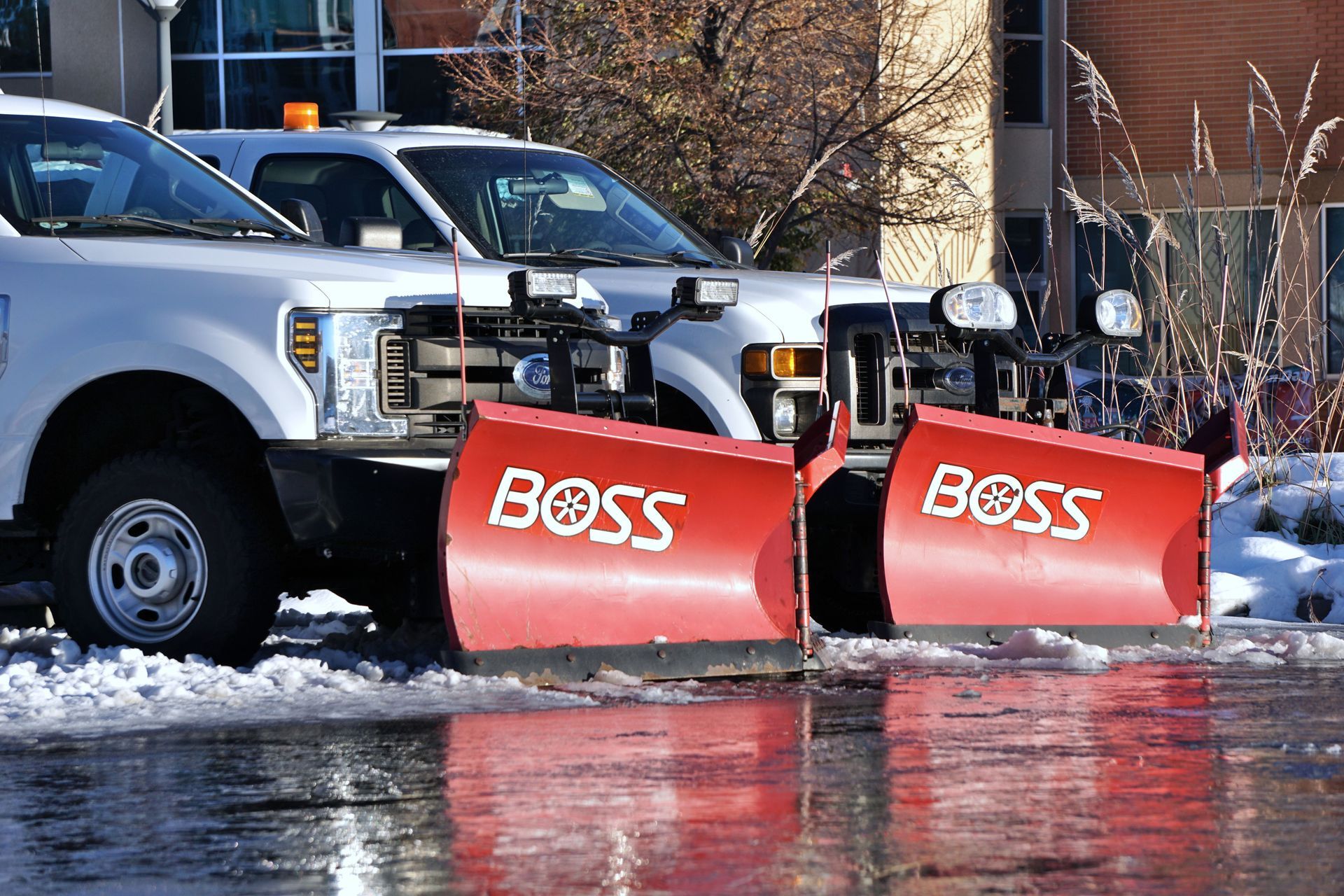
Two white pickup trucks with red BOSS snowplows clearing icy pavement outdoors.

Frequently Asked Questions

How do I know if a snow removal company has enough equipment for my property?

Ask for their total account count assigned to the same crew and equipment, their written response-time commitment in hours for both standard snow and ice events, and documentation from last season's hardest storm showing they hit that commitment. A contractor who can answer all three specifically has done the capacity math for your property.

What's a reasonable response time to expect from a commercial snow removal contractor?

Real commercial specifications typically define this in hours after snowfall ends for standard accumulation, with an immediate or near-immediate commitment once ice begins forming. If a contractor can't put a number on it, they likely haven't sized their equipment and crew assignments against your specific property.

Does bundling multiple properties with one contractor actually improve service reliability?

It can, when the contractor's geographic coverage genuinely spans all your properties. A single contractor managing a full portfolio can allocate equipment across those sites as a group, rather than competing with unrelated clients' properties for the same trucks during the same storm.

If your commercial portfolio spans the Vancouver, Seattle, or Portland areas, request a quote from Invictus Snowfighters and ask directly about the equipment and crew capacity assigned to your properties — not just the price. Learn more about Invictus's history and I-5 corridor coverage, or see the full range of commercial and residential services available across Vancouver, Seattle, and Portland.

Recent Posts

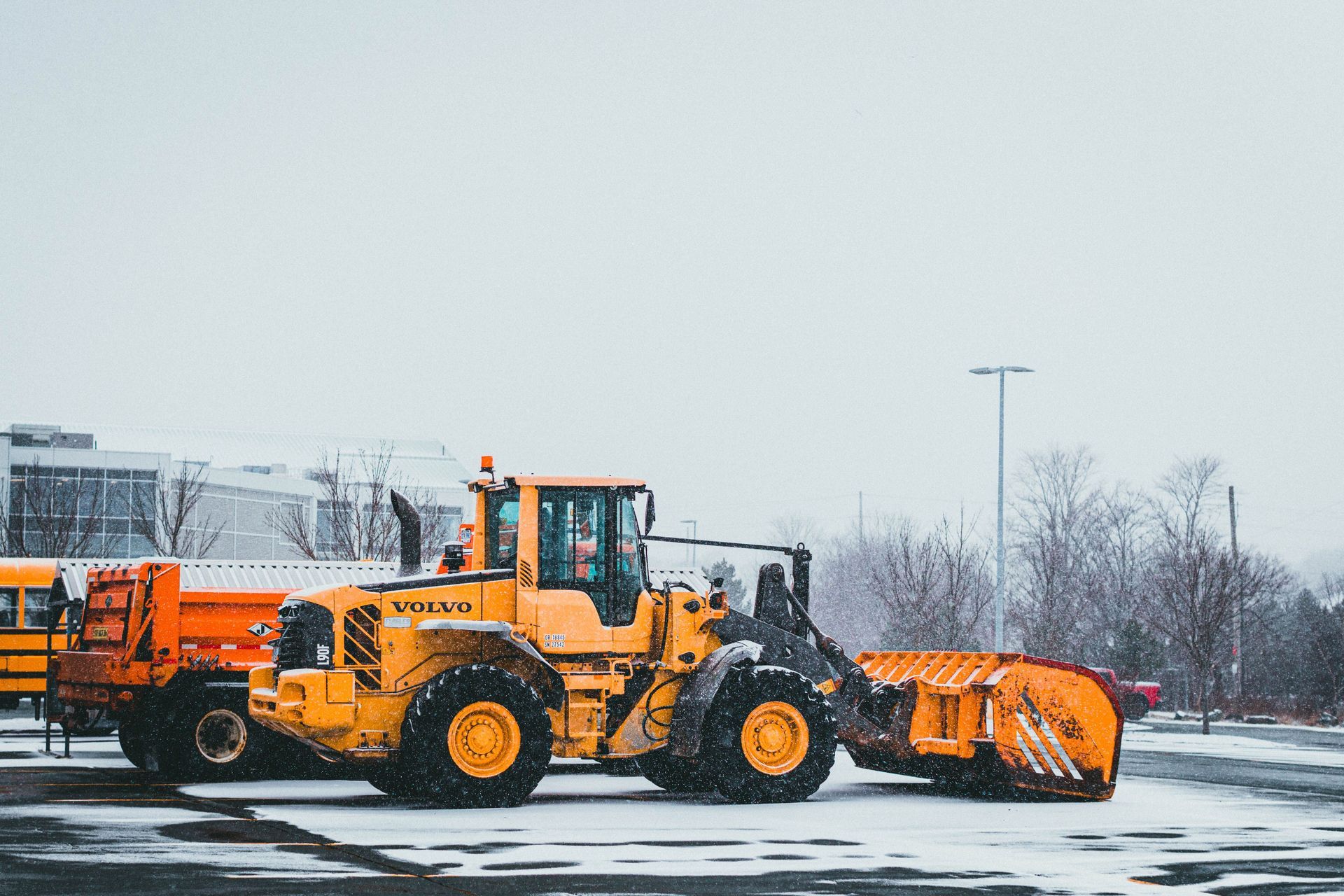
Yellow snowplow and front loader clearing a snowy parking lot in winter
By Brad Caton • October 12, 2026
How much snow removal equipment does your commercial property really need? Learn to evaluate a vendor's fleet capacity before the storm hits. ISO SN9001-certified Invictus serves the Pacific Northwest I-5 corridor. Request a quote.
Snow plow clearing a commercial parking lot in the Pacific Northwest at dawn
By Brad Caton • October 9, 2026
Trigger depth clauses tell you when a plow shows up — not when your property becomes a liability. See what a trigger depth actually covers, what SIMA's own guidance says it misses, and how Invictus Snowfighters' First Responder model closes the gap across the I-5 corridor. Request a quote.
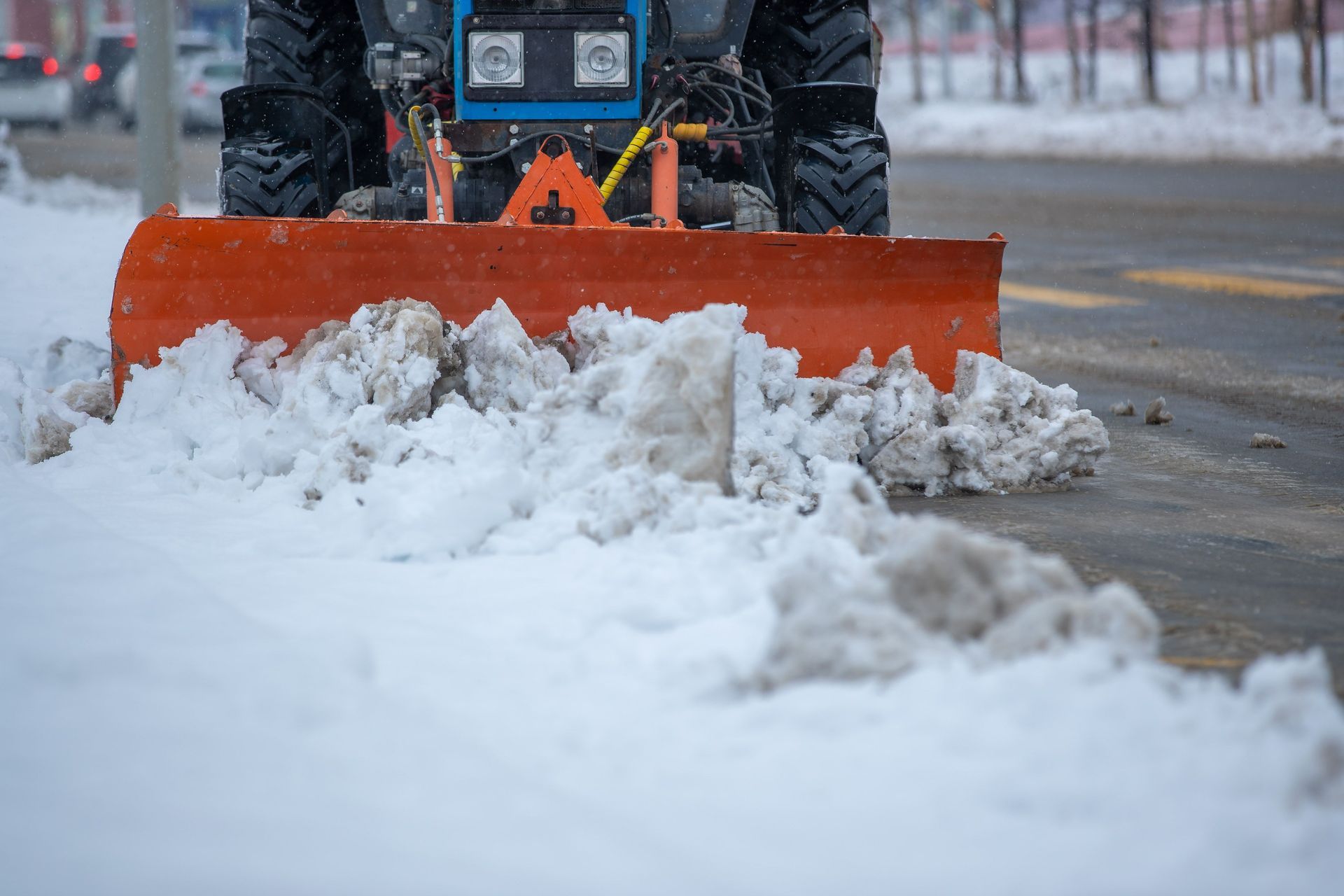
Snowplow clearing snow from a road, with a bright orange blade pushing slush forward
By Brad Caton • October 7, 2026
In-house vs. outsourced snow removal: how Pacific Northwest property managers can weigh liability, equipment costs, and staffing. ISO SN9001-certified Invictus explains what to ask. Get a quote.
Person operating an orange snow plow clearing slush from a snowy road
By Brad Caton • October 5, 2026
Switching commercial snow removal providers takes more than a phone call — termination clauses, auto-renewal traps, and a coverage gap can all bite you. See the safe sequence for switching before winter, from a PNW snow contractor that's covered the I-5 corridor since 1990. Request a quote.
Orange snowplow clearing a large snowbank on a street beside colorful buildings
By Brad Caton • October 1, 2026
Industrial and manufacturing plant snow removal must meet OSHA's general industry standards for walking-working surfaces and powered trucks. See what ISO SN9001-certified Invictus recommends before winter. Get a quote.
Orange snowplow trucks clearing a snowy parking lot in winter
By Brad Caton • September 30, 2026
Snow removal contractor insurance shouldn't be assumed. See what coverage and documentation ISO SN9001-certified Invictus verifies before every contract. Get a quote.

Downtown Vancouver skyline in winter snow with the North Shore mountains
By Brad Caton • September 28, 2026
A record El Niño winter is forecast. What it means for snow and ice on Metro Vancouver commercial properties, what history shows, and what to do before the first arctic outflow.

Downtown Seattle skyline in winter snow with the Space Needle and Mount Rainier
By Brad Caton • September 28, 2026
A record El Niño is forecast. What it means for snow and ice on Seattle-area commercial properties, why 2019 and 1996 still matter, and what to do before the first cold snap.

Downtown Portland skyline in winter snow with Mount Hood in the background
By Brad Caton • September 28, 2026
A record El Niño is forecast and Portland sits on the rain-to-ice line. What January 2024 proved, what forecasters expect this winter, and what to do before the first arctic push.
Snowplows with red BOSS blades clearing slushy water from a street near parked trucks
By Brad Caton • September 28, 2026
Commercial snow removal insurance requirements aren't optional paperwork — a missing endorsement can leave your property exposed after a slip-and-fall claim. See what Invictus's I-5 corridor teams carry and what your contract should require. Request a quote.
Show More