

Commercial Snow Removal for Multi-Property Portfolios: Why One Vendor Beats Five | Invictus Snowfighters

Brad Caton • August 27, 2026

Share this article

Yes. If a slip-and-fall claim is filed weeks or months after a storm, geo-fenced, timestamped service records are what actually protect a property owner. A verbal assurance that a lot was salted isn't evidence.

If a portfolio spans more than one city, snow removal is probably the one service line where consolidation never quite happened. Landscaping got bundled years ago. HVAC has a preferred vendor. But winter coverage is still five different contractors, five different invoices, and five different definitions of "cleared by 7 a.m." That gap is expensive in ways that don't show up on a single line item, and it's the reason more property managers are asking whether commercial snow removal should be handled by one vendor instead of a patchwork of local plow companies.

The Hidden Cost of Juggling Multiple Snow Removal Vendors

A portfolio with properties in three or four cities usually ends up with a different snow removal contractor in each one, because most plow companies only cover a single metro area. That means a property manager is fielding separate contracts, separate call lines, and separate service standards every time a storm rolls through. When Site A gets cleared by 6 a.m. and Site B doesn't hear back until noon, there's no single throat to choke, because no one vendor is accountable for the whole portfolio.

The administrative load compounds the problem. Every vendor has its own invoicing cadence, its own paperwork, and its own way of documenting a service call, assuming it documents one at all. According to a CFO-focused analysis of facilities vendor consolidation, fragmented vendor networks create exactly this kind of pattern: inconsistent pricing, redundant service calls, and budget volatility that makes it difficult to forecast spend from quarter to quarter ( Omnia360, "The CFO's Guide to Vendor Consolidation").

What Vendor Consolidation Actually Saves a Portfolio

The same analysis puts a number on it: organizations that consolidate facility vendors typically reduce total facility spend by 12 to 18 percent through improved scale and labor efficiency, and can cut the administrative workload of managing those vendors by 10 to 15 percent ( Omnia360). Snow and ice management isn't called out specifically in that research, but the mechanism is the same one that applies to any multi-site service line: one contract, one invoicing system, one point of contact instead of five, and volume-based pricing instead of five separate small-account rates.

For a portfolio owner, that shows up as consolidated billing, a single service standard across every site, and one phone number to call when a storm hits at 2 a.m., rather than a contact list of five different dispatchers who may or may not pick up.

Why Geography Decides Who Can Actually Consolidate Your Program

The catch with snow removal specifically is that most companies can't actually service a multi-city portfolio, because most snow removal companies are single-market operators. A plow company that covers Seattle well usually has no presence in Portland or Vancouver, BC, which means "consolidating" a cross-border or multi-metro portfolio under one vendor isn't an option most facility managers are ever offered.

Invictus built its business around exactly that gap. It's the only ISO SN9001-certified commercial snow removal provider with boots-on-the-ground crews and equipment across the entire I-5 corridor, from Vancouver, BC down through Seattle to Portland. That geographic reach is what makes true single-vendor consolidation possible for a Pacific Northwest portfolio in the first place, rather than a sales pitch that falls apart the moment a property outside one city gets added to the account.

Inside a "First Responder" Approach to Winter Risk

Consolidation only pays off if the vendor taking on the whole portfolio is actually reliable at scale, and that's where a lot of plow companies fall short. Founder Brad Caton has been blunt about why: "This is first responder business. People die in snow and ice situations. It's not like cutting a lawn, because you can't plan for it the same way." Snow removal gets lumped in with landscaping in a lot of people's minds, but the two aren't run the same way, and treating them the same is where portfolios get exposed.

In practice, that first-responder posture means Invictus stages 40-foot First Responder Units , on-site containers loaded with ice melt and equipment, at large properties so crews can respond immediately rather than waiting on a dispatch from across town. It's part of what the company calls its Easy Ice Melt prevention program, paired with geo-fenced service tracking and timestamped photo documentation on every visit, the kind of record that actually holds up if a slip-and-fall claim lands on a property manager's desk months later.

One Puget Sound-area property developer summed up the difference in a client testimonial published on the company's site: working with the team has been "a total pleasure," calling them "responsive, creative, and frankly get the job done at a competitive rate."

What to Vet Before You Consolidate to One Snow Removal Vendor

Not every "regional" snow removal company can actually back up multi-property coverage. Before signing a consolidated contract across a portfolio, it's worth confirming a few things directly with the vendor:

  • Equipment procured per contract, not shared across accounts. Ask whether crews and equipment are dedicated to your portfolio or whether you're competing with other clients' properties during a single storm.
  • Real documentation, not a handwritten log. Geo-fenced, timestamped records matter more than a verbal assurance that "someone was there."
  • A single point of contact for every property, including emergencies. If the after-hours number routes to a different subcontractor depending on which site called, consolidation hasn't actually happened.
  • Certification that means something. Look for a documented quality standard, such as ISO SN9001, rather than a general landscaping license that happens to include plowing.
  • Coverage that matches the portfolio's actual footprint. A vendor covering three of a portfolio's four cities isn't consolidation; it's one more contractor to manage.

Invictus has protected more than 500 commercial properties across the Pacific Northwest over more than 30 years in the region, offering portfolio owners consolidated billing, a single point of contact, and economy-of-scale pricing across every property on the I-5 corridor. Property managers evaluating a switch can start by reviewing the company's background and certifications or requesting a portfolio-wide quote directly.

Frequently Asked Questions

  • Does consolidating snow removal vendors actually save money, or just simplify billing?

    Both. Simplified billing is the visible benefit, but the underlying savings come from volume-based pricing and reduced administrative overhead, the same mechanism that drives the 12-to-18-percent facility spend reduction documented in vendor consolidation research across other service lines. 

  • What if my portfolio spans more than one metro area?

    That's exactly the scenario where consolidation usually breaks down, because most snow removal companies only operate in a single city. A portfolio spanning Vancouver, Seattle, and Portland needs a vendor with real crews and equipment in all three, not a subcontracted referral network. 

  • How do I know a consolidated vendor won't overcommit during a major storm?

    Ask how equipment is allocated. A vendor that procures dedicated equipment and crew capacity for each contract, rather than pulling from a shared regional pool, is far less likely to leave part of a portfolio waiting when snow hits every site at once.

  • Is documentation really worth asking about upfront?

    Yes. If a slip-and-fall claim is filed weeks or months after a storm, geo-fenced, timestamped service records are what actually protect a property owner. A verbal assurance that a lot was salted isn't evidence. 

Read more winter risk and property management guidance on the Invictus Snowfighters blog, or request a portfolio-wide quote to see what consolidating under one I-5 corridor vendor would look like for your properties.

Recent Posts

Property manager and maintenance contractor shaking hands in a commercial parking lot
By Brad Caton • October 16, 2026
Managing five property maintenance vendors instead of one costs hours every month. See how commercial property managers consolidate winter service with the rest of their maintenance calendar, from a company serving 500+ Pacific Northwest properties for 30+ years. Get a quote.
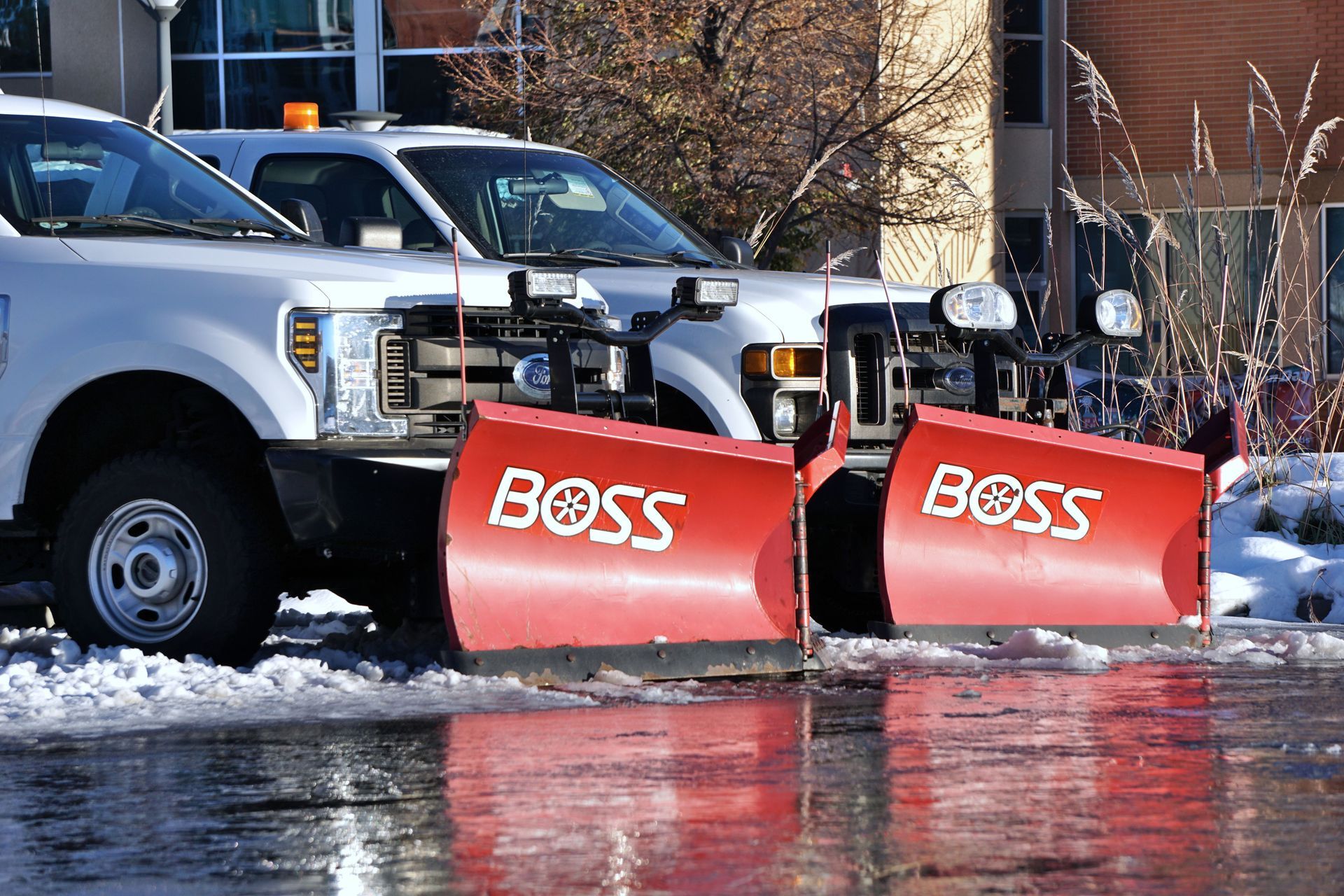
Snowplow clearing a large commercial parking lot for a multi-property portfolio contract in the Pacific Northwest
By Brad Caton • October 14, 2026
Multi-property snow removal contracts consolidate a fragmented, sole-proprietor-heavy market into one accountable partner. See what portfolio bundling actually saves, what to verify first, and the one trade-off to watch. Request a quote.

Yellow snowplow and front loader clearing a snowy parking lot in winter
By Brad Caton • October 12, 2026
How much snow removal equipment does your commercial property really need? Learn to evaluate a vendor's fleet capacity before the storm hits. ISO SN9001-certified Invictus serves the Pacific Northwest I-5 corridor. Request a quote.
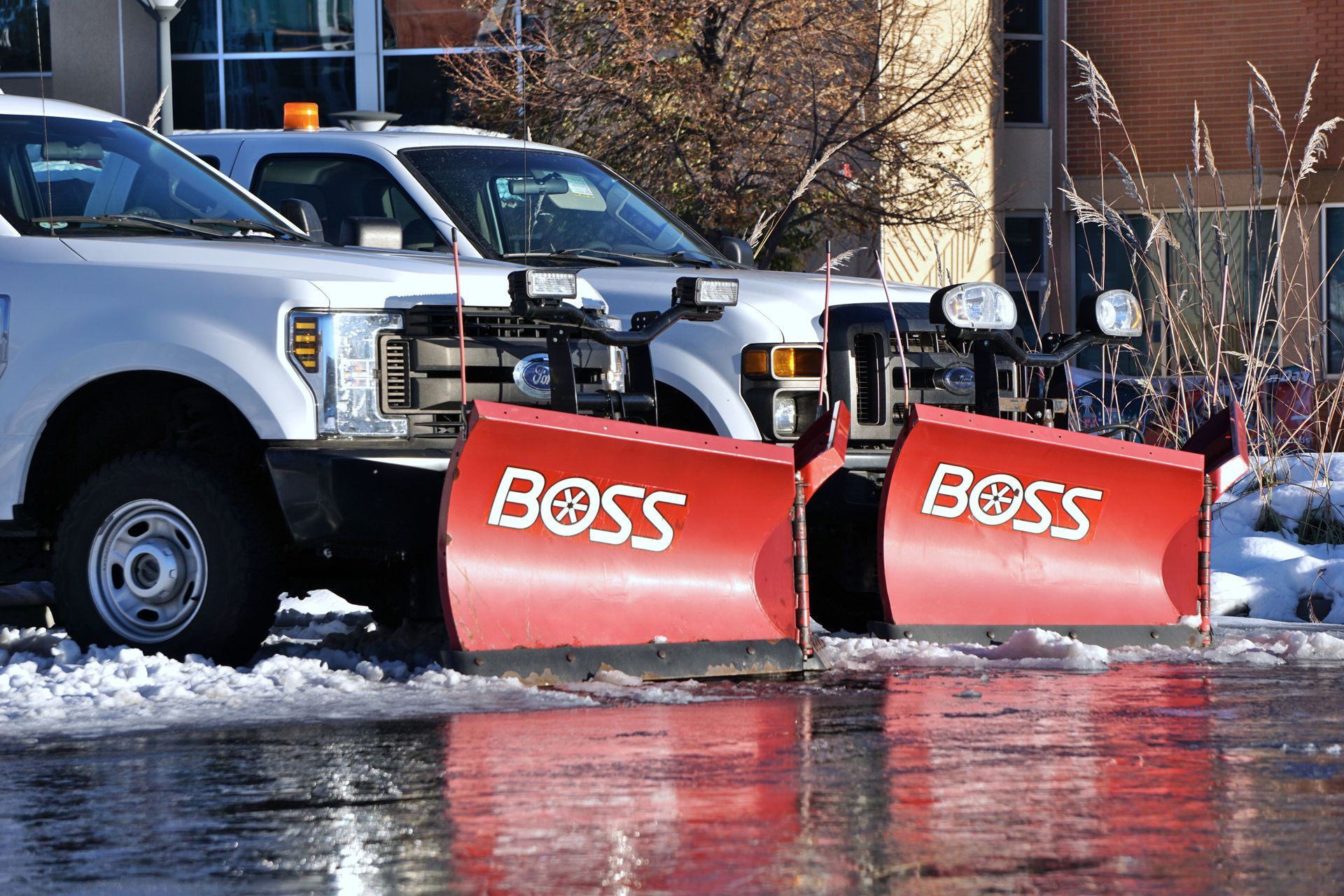
Snow plow clearing a commercial parking lot in the Pacific Northwest at dawn
By Brad Caton • October 9, 2026
Trigger depth clauses tell you when a plow shows up — not when your property becomes a liability. See what a trigger depth actually covers, what SIMA's own guidance says it misses, and how Invictus Snowfighters' First Responder model closes the gap across the I-5 corridor. Request a quote.
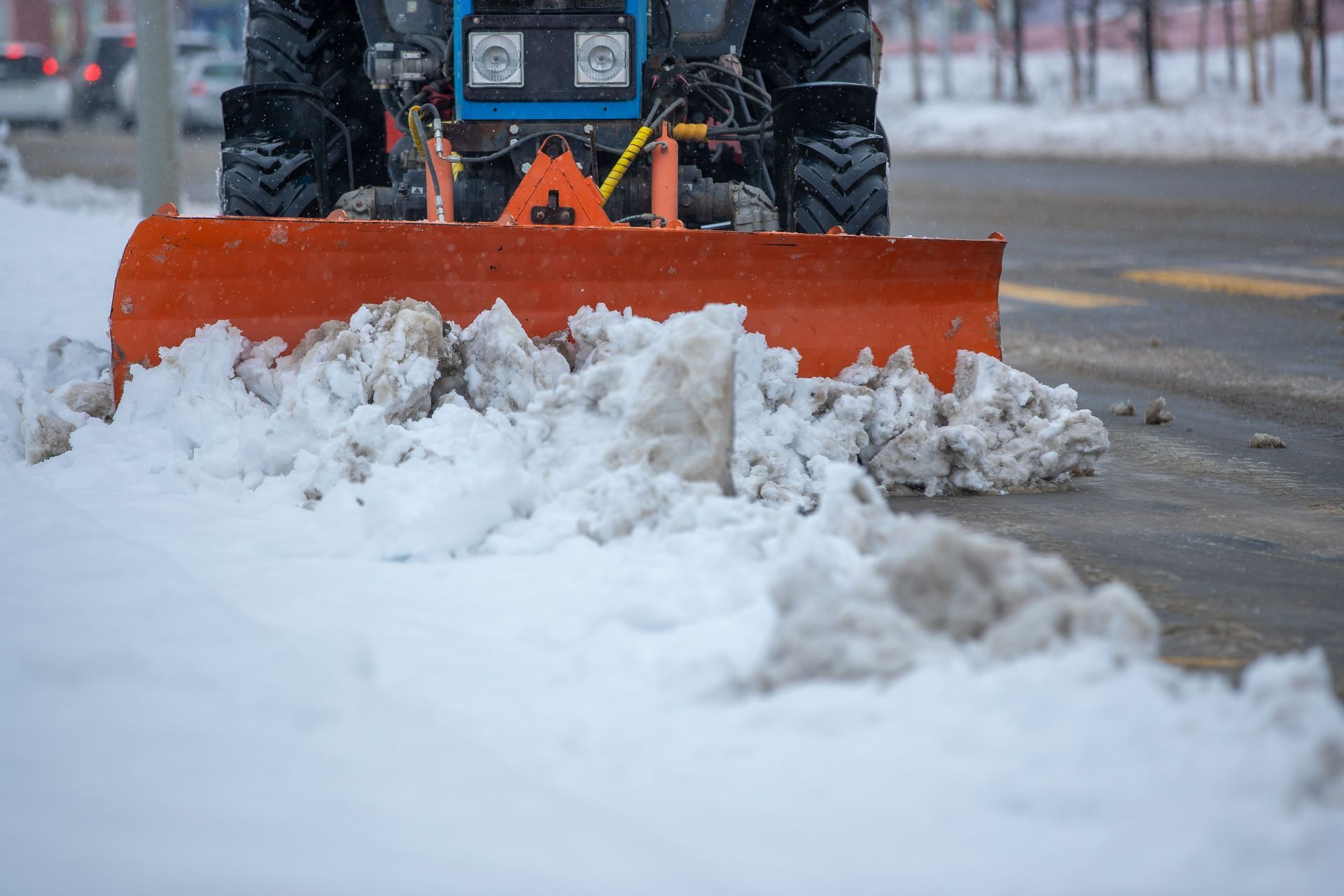
Snowplow clearing snow from a road, with a bright orange blade pushing slush forward
By Brad Caton • October 7, 2026
In-house vs. outsourced snow removal: how Pacific Northwest property managers can weigh liability, equipment costs, and staffing. ISO SN9001-certified Invictus explains what to ask. Get a quote.
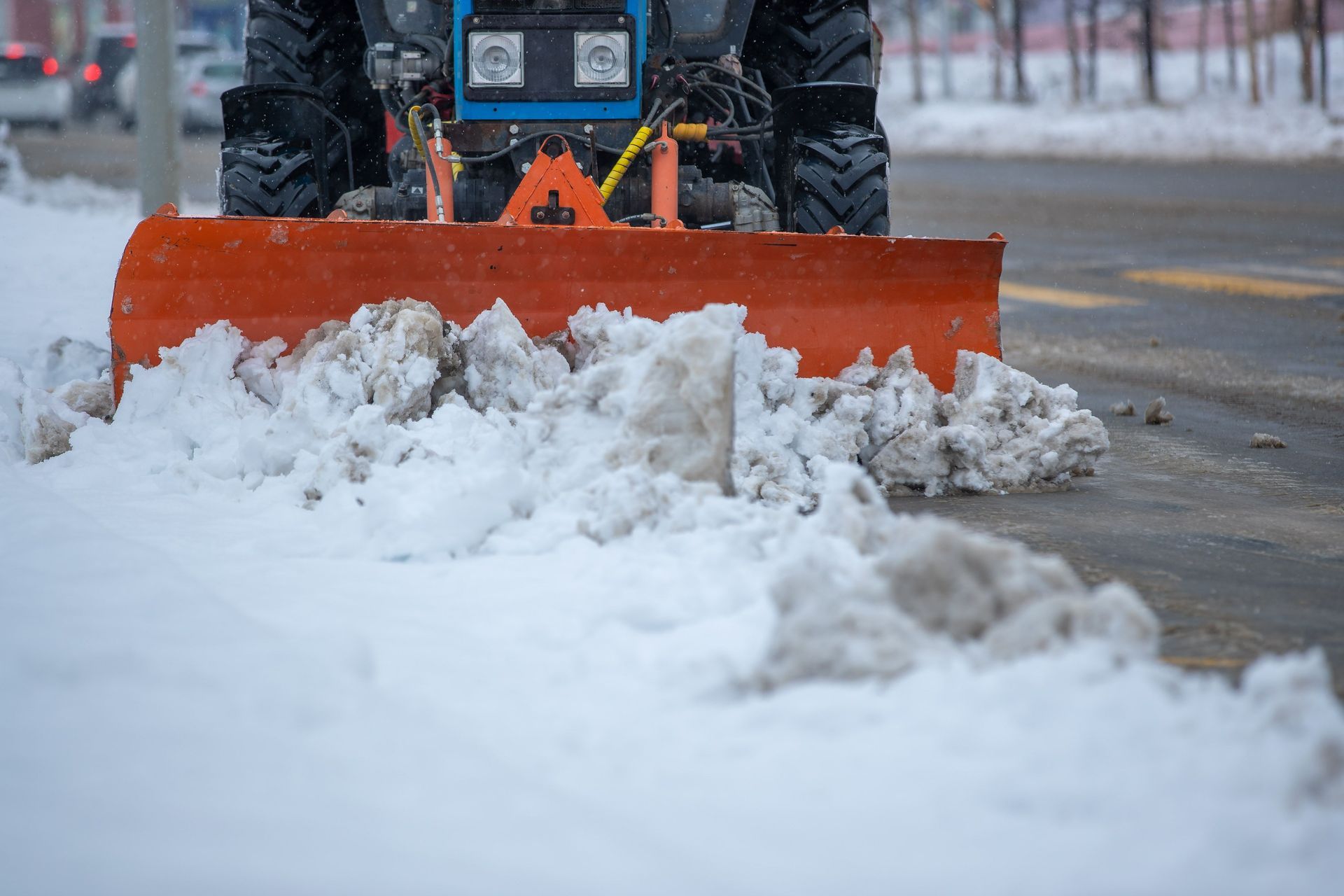
Person operating an orange snow plow clearing slush from a snowy road
By Brad Caton • October 5, 2026
Switching commercial snow removal providers takes more than a phone call — termination clauses, auto-renewal traps, and a coverage gap can all bite you. See the safe sequence for switching before winter, from a PNW snow contractor that's covered the I-5 corridor since 1990. Request a quote.
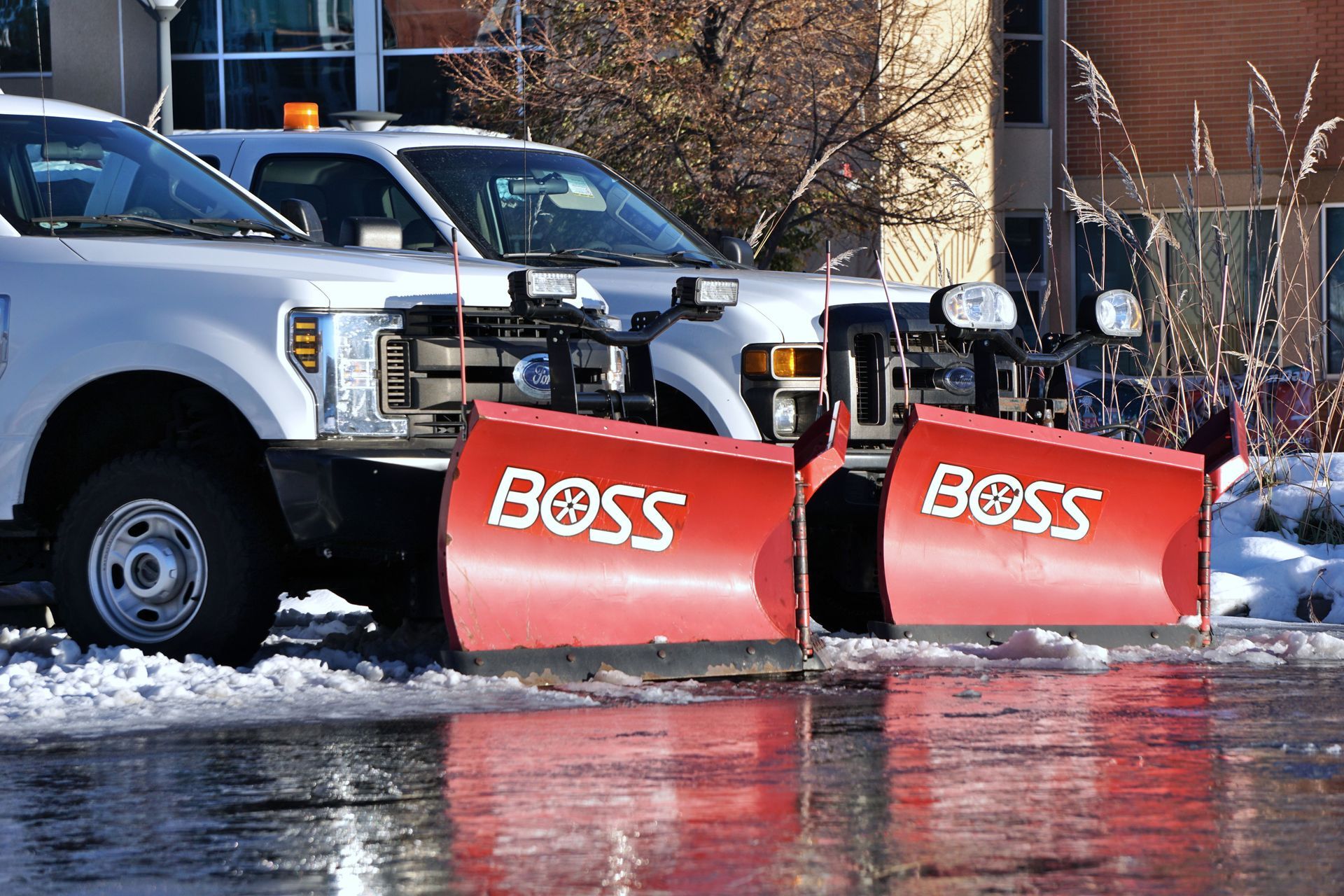
Fleet of commercial snowplow trucks staged in a yard before a winter storm in the Pacific Northwest
By Brad Caton • October 2, 2026
Snow removal equipment and staffing capacity is the best predictor of whether your site gets serviced in the worst storm of the season. Invictus breaks down the capacity math, real response-time standards, and the questions that expose an overextended contractor. Request a quote.
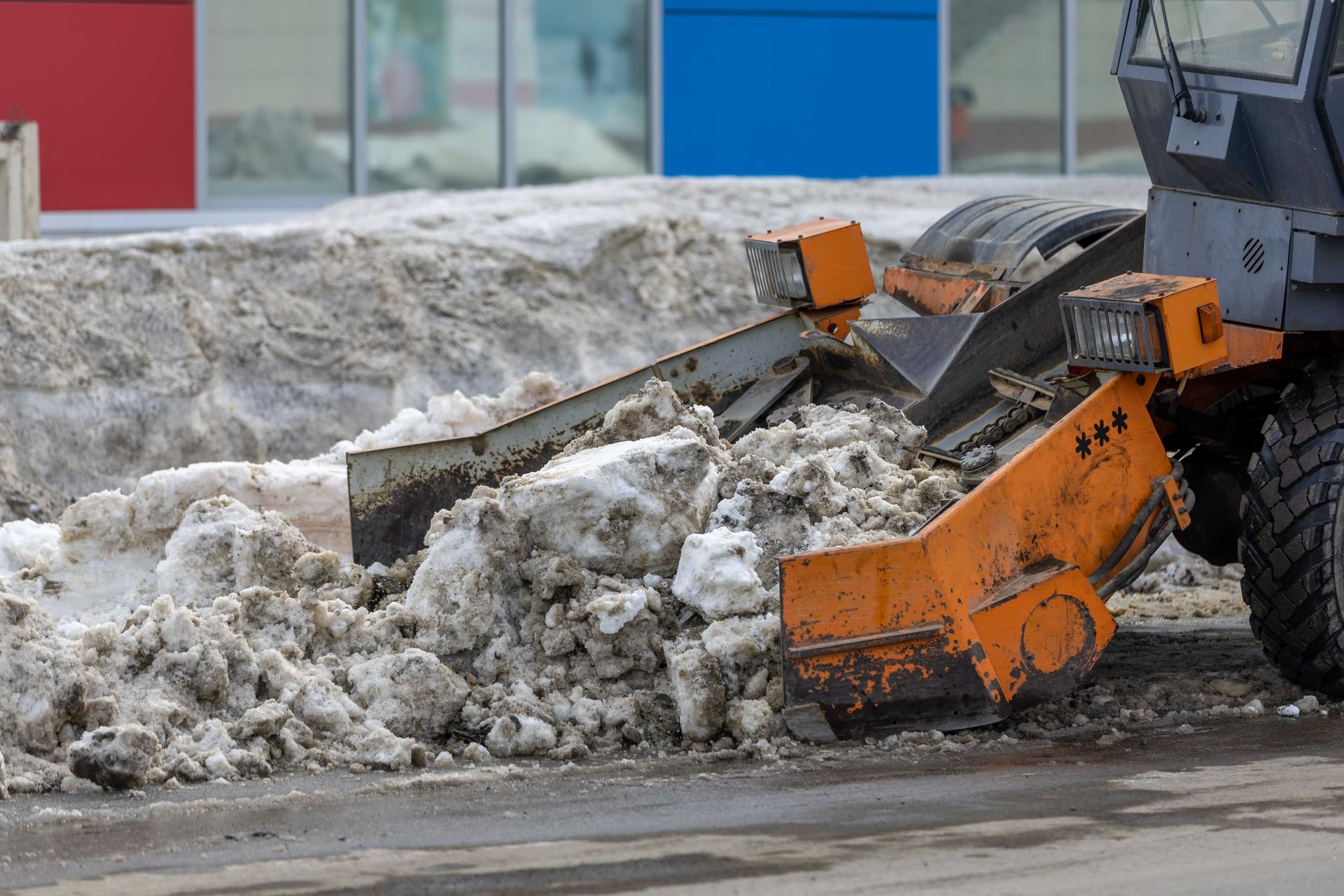
Orange snowplow clearing a large snowbank on a street beside colorful buildings
By Brad Caton • October 1, 2026
Industrial and manufacturing plant snow removal must meet OSHA's general industry standards for walking-working surfaces and powered trucks. See what ISO SN9001-certified Invictus recommends before winter. Get a quote.

Orange snowplow trucks clearing a snowy parking lot in winter
By Brad Caton • September 30, 2026
Snow removal contractor insurance shouldn't be assumed. See what coverage and documentation ISO SN9001-certified Invictus verifies before every contract. Get a quote.

Downtown Vancouver skyline in winter snow with the North Shore mountains
By Brad Caton • September 28, 2026
A record El Niño winter is forecast. What it means for snow and ice on Metro Vancouver commercial properties, what history shows, and what to do before the first arctic outflow.
Show More