

Retail & Shopping Center Snow Removal: Why Peak Season Raises the Stakes

Brad Caton • August 20, 2026

Share this article

When should a retail property manager start the process of signing or reviewing a snow removal contract?

A snow removal contract written for an office park or a warehouse doesn't automatically work for a shopping center. The math is different. Retail properties see their heaviest foot traffic of the entire year during November and December — the exact same window when Pacific Northwest ice and snow risk peaks. That overlap is the single biggest reason a retail-specific winter plan matters more than a generic one.

Why Retail Properties Play By Different Rules

Most commercial properties have relatively steady foot traffic year-round. A shopping center or strip mall doesn't. According to the National Retail Federation, holiday sales in November and December have averaged about 19% of total annual retail sales over the last five years and the five-day stretch from Thanksgiving through Cyber Monday is typically among the busiest shopping periods of the year. That means a retail property's single highest-traffic season lands directly on top of the Pacific Northwest's highest-risk weather window.

For a multi-property retail portfolio, that timing compounds. A regional chain with locations across Vancouver, Seattle, and Portland isn't managing one parking lot during one storm  it's managing dozens of entrances, loading zones, and customer walkways simultaneously, each one full of shoppers who came specifically because it's the busiest weekend of the year.

The Holiday Traffic Spike, By the Numbers

The scale of the exposure is bigger than most property managers assume. Falls are the second-leading cause of unintentional injury-related death in the United States, and according to the National Safety Council, 48,308 people died in falls at home and at work in 2024 — 24% of all preventable injury-related deaths that year. In the workplace specifically, 844 workers died in falls in 2024 (17% of all workplace deaths), and nearly 480,000 were injured badly enough to require days away from work.

None of that data is retail-specific, it's the baseline. Layer a retail property's holiday traffic spike on top of it, and the exposure window narrows to exactly the six toeight weeks a shopping center can least afford a slow response. A single icy entrance on the Saturday after Thanksgiving isn't a quiet Tuesday-afternoon incident; it's a hazard hundreds of shoppers will cross before anyone notices.

What's At Stake When a Shopper Falls

The legal stakes at a retail property track the traffic. One recent case example: a law firm's published case results describe a settlement for a slip-and-fall on ice outside a retail store in a shopping complex that resulted in neck fusion surgery for the injured shopper,  illustrative of the severity these claims can reach, not a Pacific Northwest precedent specifically. For what governs liability in Washington, British Columbia, and Oregon, see our breakdown of Pacific Northwest slip-and-fall law and what documentation courts actually require as proof of reasonable care.

One detail that matters more at retail than almost any other property type: who's actually responsible when the parking lot iced over. As legal analyses of these cases point out, liability for big-box stores and strip malls often depends on the specific terms of the contract between the property and its snow removal vendor, including how quickly the contract requires a response, and whether the vendor's own service records exist to show when treatment happened. A vague, undocumented arrangement leaves both the property and the vendor exposed. A documented one, with geo-fenced timestamps on every visit, is the property manager's best evidence that reasonable care was taken.

The Vendor Question Retail Properties Should Be Asking

Because the traffic spike and the weather risk hit at the same time, response speed isn't a nice-to-have for a retail property, it's the whole point. A vendor that's still finishing a warehouse lot when a shopping center's Saturday rush starts is a vendor that's already behind. Before signing, retail property managers should confirm a few specifics with any commercial snow removal contract:


  • What's the guaranteed response window once conditions trigger service, and does it change during peak holiday weekends?
  • Does the vendor self-perform with its own equipment and crews, or subcontract out during high-demand periods, exactly when subcontractor networks are stretched thinest?
  • Is there a documented, timestamped service record for every visit, not just an invoice at the end of the month?
  • Can the vendor actually cover every location in a multi-site retail portfolio, or does coverage change depending on which town the property sits in?

What a Retail-Ready Snow Removal Plan Actually Includes

Invictus has covered the full I-5 corridor from Vancouver, BC to Portland since 1990, Vancouver's Professional Snow Removal Company Since 1990 wasn't a slogan we picked for a headline, it's the actual scope of the operation. We think of ice and snow response as first responder work, not landscaping with a plow attached: when conditions turn, treatment needs to start immediately, not whenever a truck finishes its last stop.

That's the thinking behind our First Responder Unit an on-site ice melt cache staged directly at a property, so treatment can begin before a truck ever leaves the yard. For a shopping center whose worst-case storm timing is a Saturday during the five busiest shopping days of the year, that head start is the difference between a hazard treated in minutes and one that sits through a full afternoon of holiday foot traffic.

For retail chains managing more than one location, that same geographic reach becomes an operational advantage: one contract, one point of contact, and consistent service across every location from Vancouver to Portland, instead of coordinating three or four regional vendors with three or four different standards. Every visit is logged with geo-fenced documentation, giving a retail property manager the same evidence a courtroom would ask for  automatically, not reconstructed after the fact.

Locking In Coverage Before the Rush

Retail property managers evaluating a new provider or reviewing an existing contract should do it now, not in October. We've laid out why summer is the right window to act in our guide to commercial snow removal contracts in the Pacific Northwest, and what to check in your budget in our 2026 pricing guide. The properties that wait until the first snow report are the ones competing for whatever capacity is left,  right when their busiest weekend of the year is approaching.

See our full range of snow and ice management services across Vancouver, Seattle, and Portland, or learn more about who we are and how a company built on equipment-matched service capacity handles a holiday-weekend storm without falling behind.

Frequently Asked Questions

  • Does Invictus service shopping center parking lots and walkways, not just sidewalks?

    Yes. Retail properties need full-site coverage, parking lots, drive lanes, entrances, and walkways, treated on the same response timeline, since a cleared sidewalk with an icy parking lot doesn't reduce a property's exposure. 

  • How fast can Invictus respond during a holiday-weekend storm?

    Response is built around our equipment-matched service guarantee and on-site First Responder Units, so treatment can begin without waiting on a truck to arrive from the yard. Exact response windows are set in each property's service agreement contact us for details specific to your location. 

  • Can one contract cover a retail chain with locations in Vancouver, Seattle, and Portland?

    Yes. Invictus is the only snow removal company self-performing across the full I-5 corridor, which lets multi-location retail portfolios consolidate under a single contract and a single documentation standard instead of managing separate regional vendors. 

  • When should a retail property manager start the process of signing or reviewing a snow removal contract?

    Before fall. Capacity for the holiday season fills up as contractors book their client rosters, and waiting until the first storm forecast means competing for whatever coverage is left.

Ready to make sure your retail property is covered before the holiday rush hits? Request a quote from Invictus and get a documented, response-ready plan in place before the season's busiest weekend arrives.

Recent Posts

By Brad Caton August 21, 2026
Parking garage de-icing salt slowly corrodes reinforced concrete. See what engineering research says about safer de-icers for PNW structures. Get a quote.
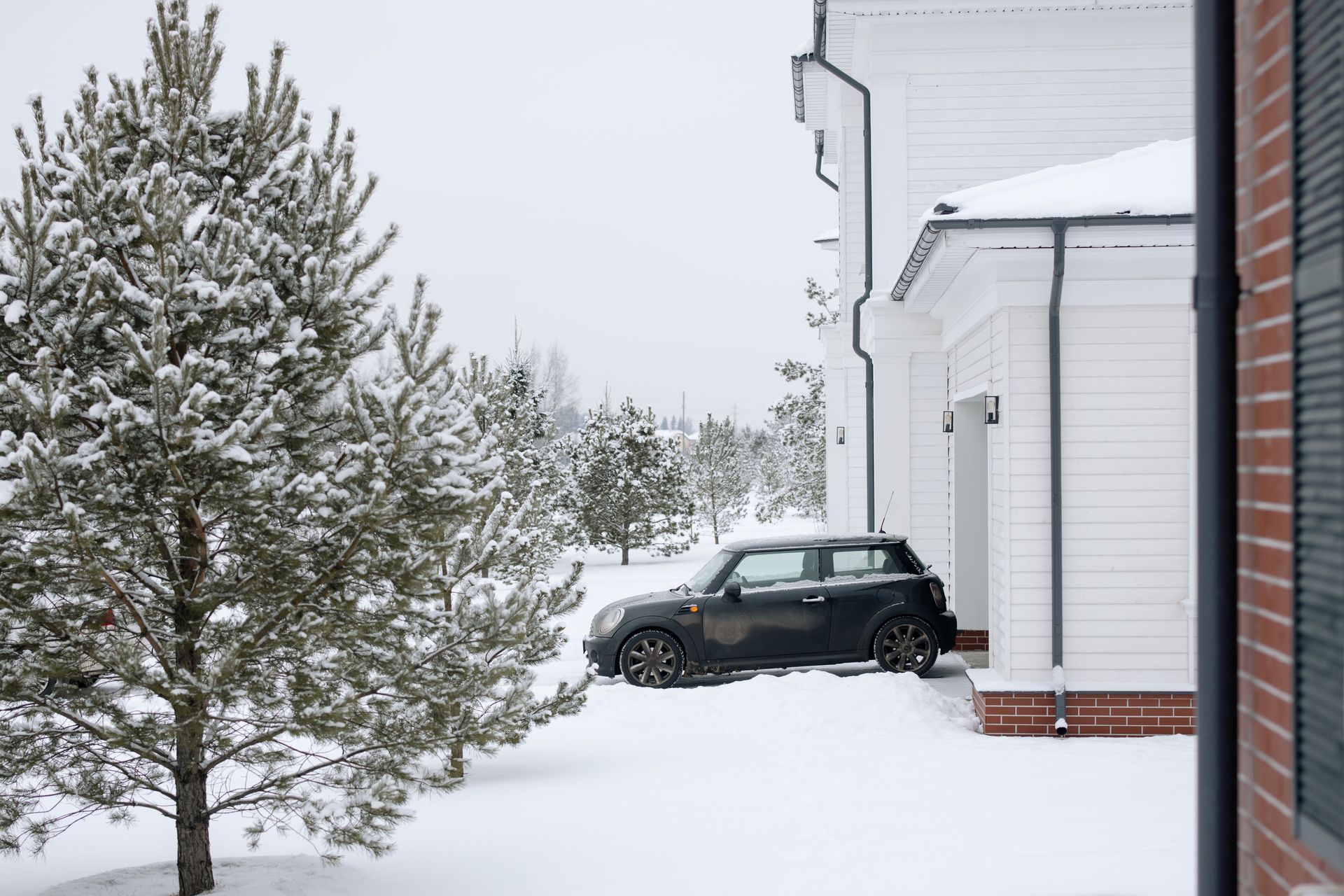
Snow-covered residential driveway and walkway in a Pacific Northwest neighborhood cleared by professional snow removal
By Brad Caton August 20, 2026
Looking for residential snow removal in the Pacific Northwest? Invictus Snowfighters has protected homes and driveways across Vancouver, Seattle, and Portland for over 30 years with ISO SN9001 certified, equipment-matched service. Book your winter coverage now, before the first storm fills our schedule.

By Brad Caton August 19, 2026
ADA snow removal rules require accessible parking spaces and routes stay clear of snow and ice, not just sidewalks. See what federal and Washington law require, and how Invictus keeps Pacific Northwest properties compliant this winter.
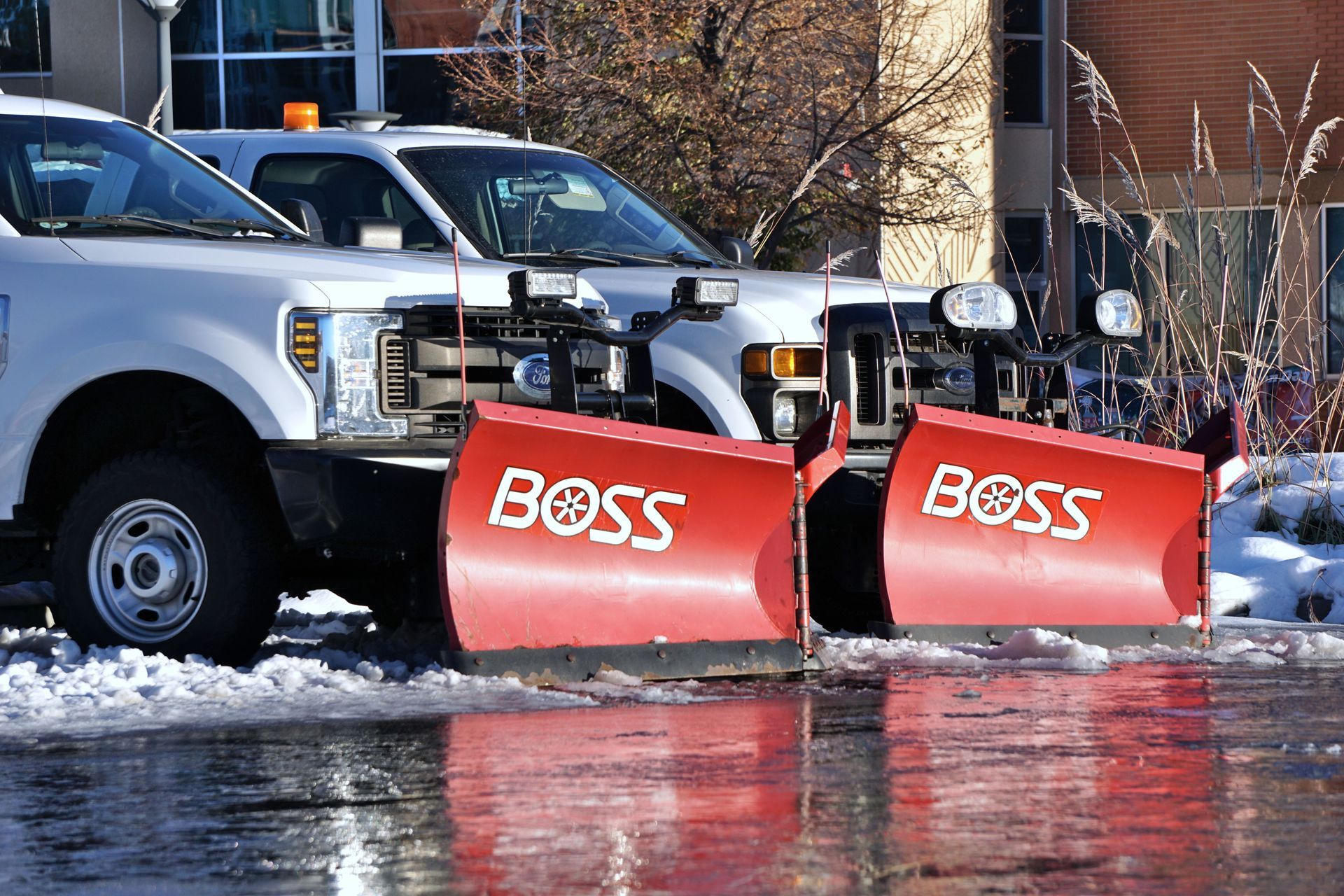
Commercial snow plow clearing a multi-property parking lot in the Pacific Northwest
By Brad Caton August 18, 2026
Cross-border snow removal keeps Vancouver, Seattle, and Portland portfolios under one vendor instead of three. Invictus is the only ISO SN9001-certified operator covering the full I-5 corridor. Request a quote.

By Brad Caton August 17, 2026
Cross-check last winter's snow removal invoices and incident reports before you renew. A checklist from ISO SN9001-certified Invictus. Call 888.459.0994.
By Brad Caton August 14, 2026
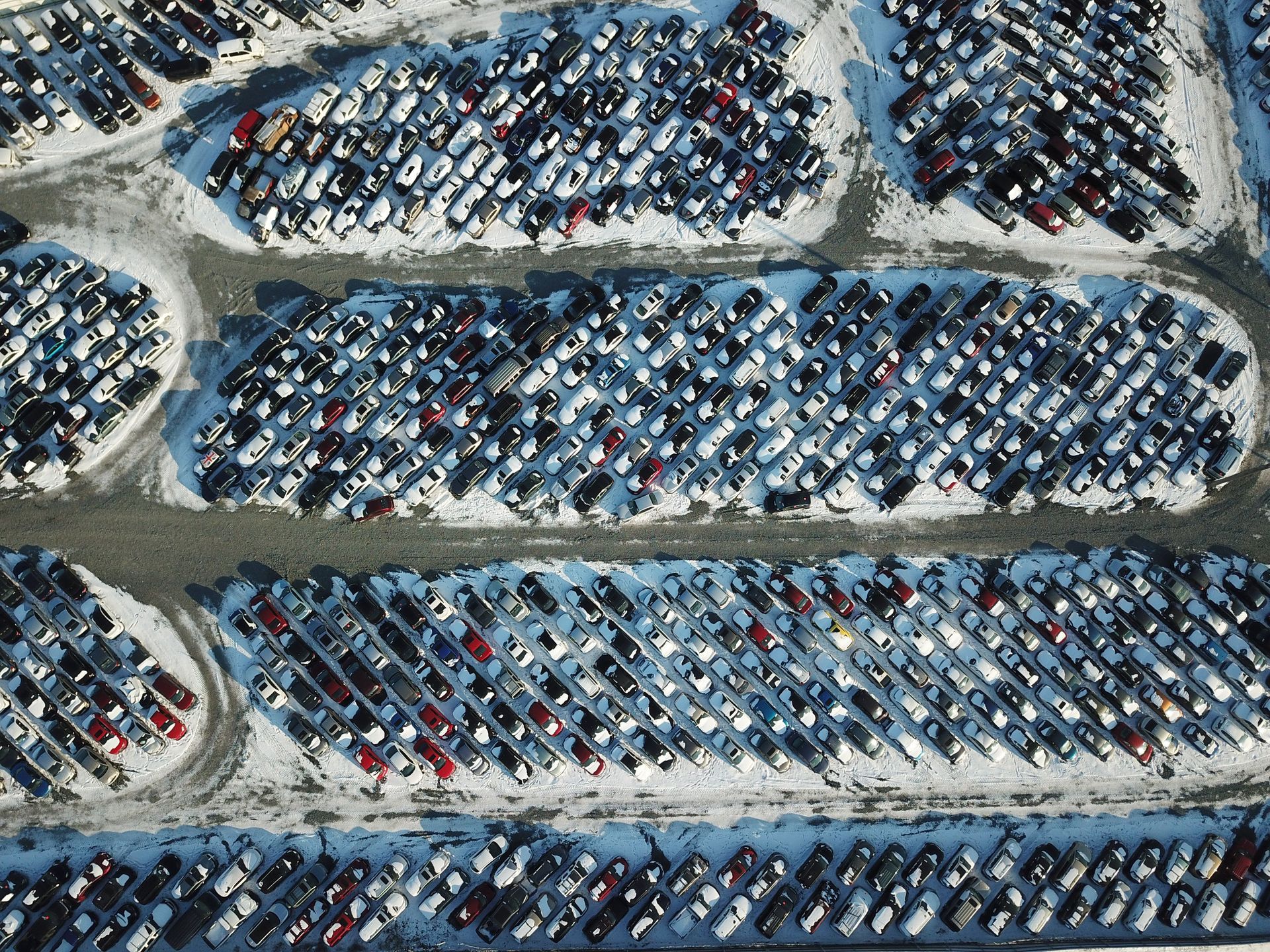
Commercial de-icing chemicals aren't interchangeable. See what EPA and Penn State research shows about concrete damage, corrosion, and chloride runoff, and how Invictus applies it across the I-5 corridor. Request a quote.

By Brad Caton August 13, 2026
HOA and condo association snow removal responsibility under Washington law, plus the 2026 rule that changes vendor approval. ISO SN9001 certified since 1998. Get a winter quote.

By Brad Caton August 13, 2026
Warehouse and distribution center snow removal carries OSHA duties standard retail properties don't have. See what 29 CFR 1910.22 requires, why the Kent Valley and Tacoma's warehouse corridor face unique exposure, and how Invictus keeps I-5 corridor logistics properties compliant. Request a quote.
By Brad Caton August 12, 2026
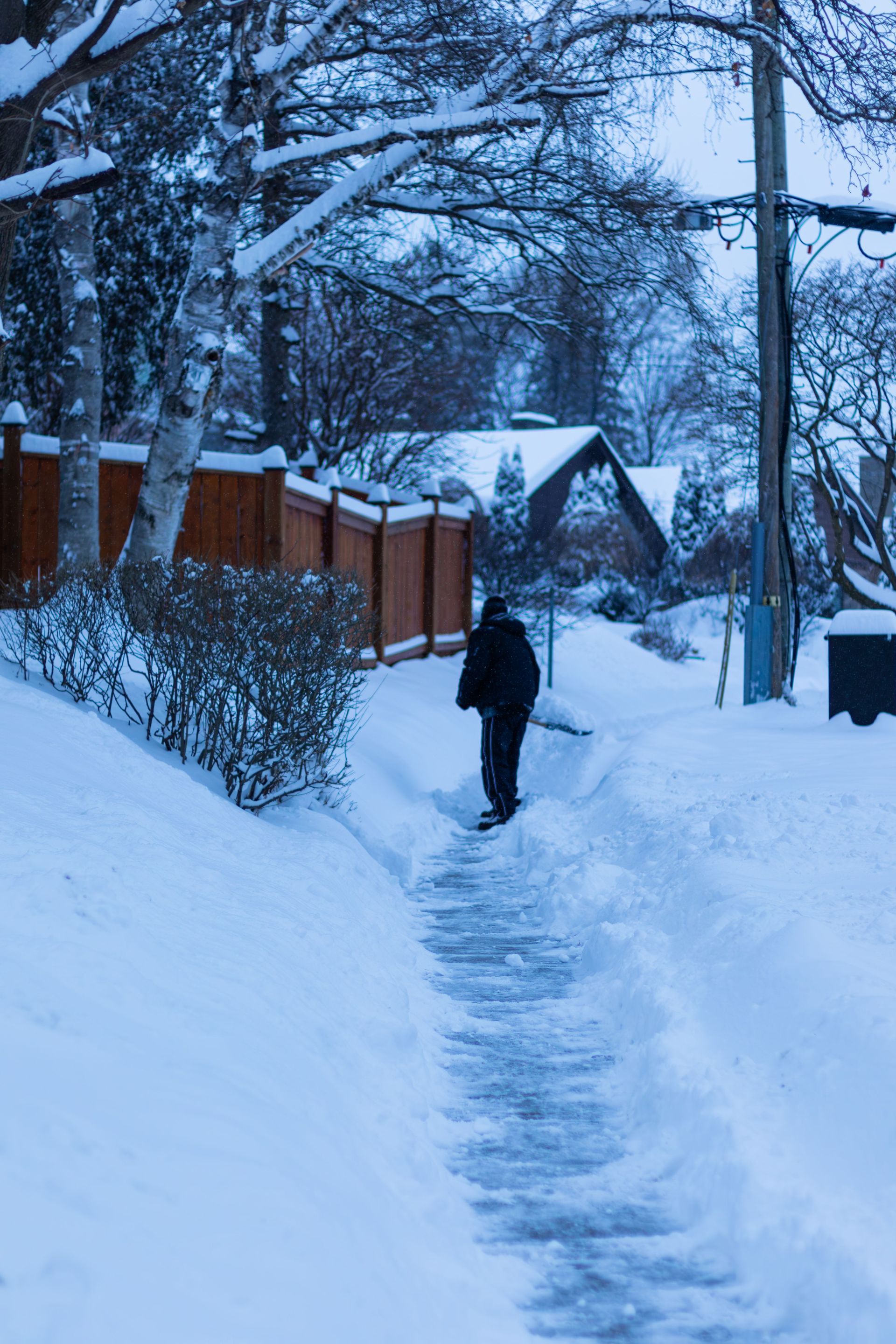
Port Coquitlam, Coquitlam, and Port Moody enforce different snow-clearing deadlines. ISO SN9001-certified Invictus explains what Tri-Cities property managers must know.

By Brad Caton August 12, 2026
Senior living and healthcare facilities face fall risks a standard snow removal SLA doesn't cover. See what a documented, higher-standard contract should require this winter.
Show More