
Commercial Snow Removal Pricing in the Pacific Northwest: 2026 Guide

Brad Caton • July 16, 2026

Share this article

A property manager in Kent or Hillsboro asking three snow removal companies for a bid can get three completely different pricing structures back — not just three different numbers. One quotes a flat fee per plow. Another wants a seasonal contract. A third bills time and materials. Without knowing which model you're comparing, "cheaper" and "better" can mean opposite things.

The Snow & Ice Management Association (SIMA), the trade group that publishes the industry's standard procurement guidance, defines four distinct fee structures that commercial snow contracts use — and property managers who don't know the difference tend to overpay, under-budget, or both. Here's what each model actually costs in 2026, what changes the number, and why Pacific Northwest portfolio pricing often works differently than the national averages you'll find online.

The Four Pricing Models the Snow Removal Industry Actually Uses

According to SIMA's Purchasing Snow & Ice Management: Quality RFP Creation and Best Practices guide, the private snow and ice industry prices contracts using four structures:

  • Per-Event Service. A fee is charged for a defined set of services each time a snow or ice event occurs, with the event's parameters (accumulation range, ice conditions, timeframes) spelled out in the contract.
  • Per-Occurrence Service. Also called per-push or per-visit, a fee is assessed every time plowing or salting is completed — which can mean multiple billable services during a single storm.
  • Per-Season Service. A standardized fee, usually billed monthly, covers a defined scope for the whole contract period regardless of how much or how little it snows.
  • Time & Materials (T&M). You're billed for actual labor, equipment hours, and materials used — no fixed price per event or per season.

SIMA also documents three "fee modifiers" that adjust these base structures: a cap (or ceiling) that triggers additional charges once a threshold of events or inches is exceeded; a floor (or minimum) that credits you if service falls below an expected volume; and inclusion , where materials like deicer are bundled into the price with no cap at all.

What Commercial Properties Actually Pay in 2026

Real dollar figures vary by region and lot size, but national contractor-survey data gives a useful baseline. Per CrewNest's 2026 snow removal pricing data, commercial parking lot plowing runs $150 to $500+ per push, commercial seasonal contracts range from $3,000 to $20,000+ depending on lot size, and salt or deicer application runs $100 to $350 per application on top of plowing. Commercial trigger depths — the accumulation level that activates a dispatch — typically sit at 1 to 2 inches, tighter than the 2- to 3-inch trigger common on residential jobs, because commercial liability exposure is higher.

Those national numbers are a starting point, not a quote. A 5,000-square-foot retail lot in Kent and a 60,000-square-foot distribution center in Hillsboro will land at very different points inside that range, and neither should be priced off a national average alone.

Why a Cheap Per-Push Bid Can Cost You More Than a Seasonal Contract

Per-push pricing looks attractive on paper — you only pay when the truck shows up. But for a commercial property with real foot traffic, that model shifts weather risk onto you. In a heavy winter, a per-push contract can cost far more than a seasonal rate would have, and during a multi-day storm, providers juggling per-push accounts across a wide territory often have to prioritize which sites get serviced first. On a property carrying slip-and-fall exposure, being third or fourth on that list is the real cost of the "cheaper" bid.

A seasonal contract converts that weather risk into a fixed, budgetable number — and it typically comes with service-priority commitments a per-push agreement doesn't. That's the trade SIMA's guide is describing when it recommends buyers understand the full fee-structure landscape before signing, not just the headline rate.

The Multi-Property Portfolio Advantage Most Property Managers Never Ask About

If you manage more than one commercial site, the pricing conversation should include a question most bids don't invite: what does bundling the portfolio actually save you? A property manager running four or five sites across four or five different vendors is paying each of those vendors' fixed costs separately — equipment mobilization, minimum crew size, standalone routing. Consolidating that portfolio under one provider with the square footage and equipment to service all of it at once is where real economy-of-scale pricing shows up, because the fixed costs get spread across the whole portfolio instead of duplicated site by site.

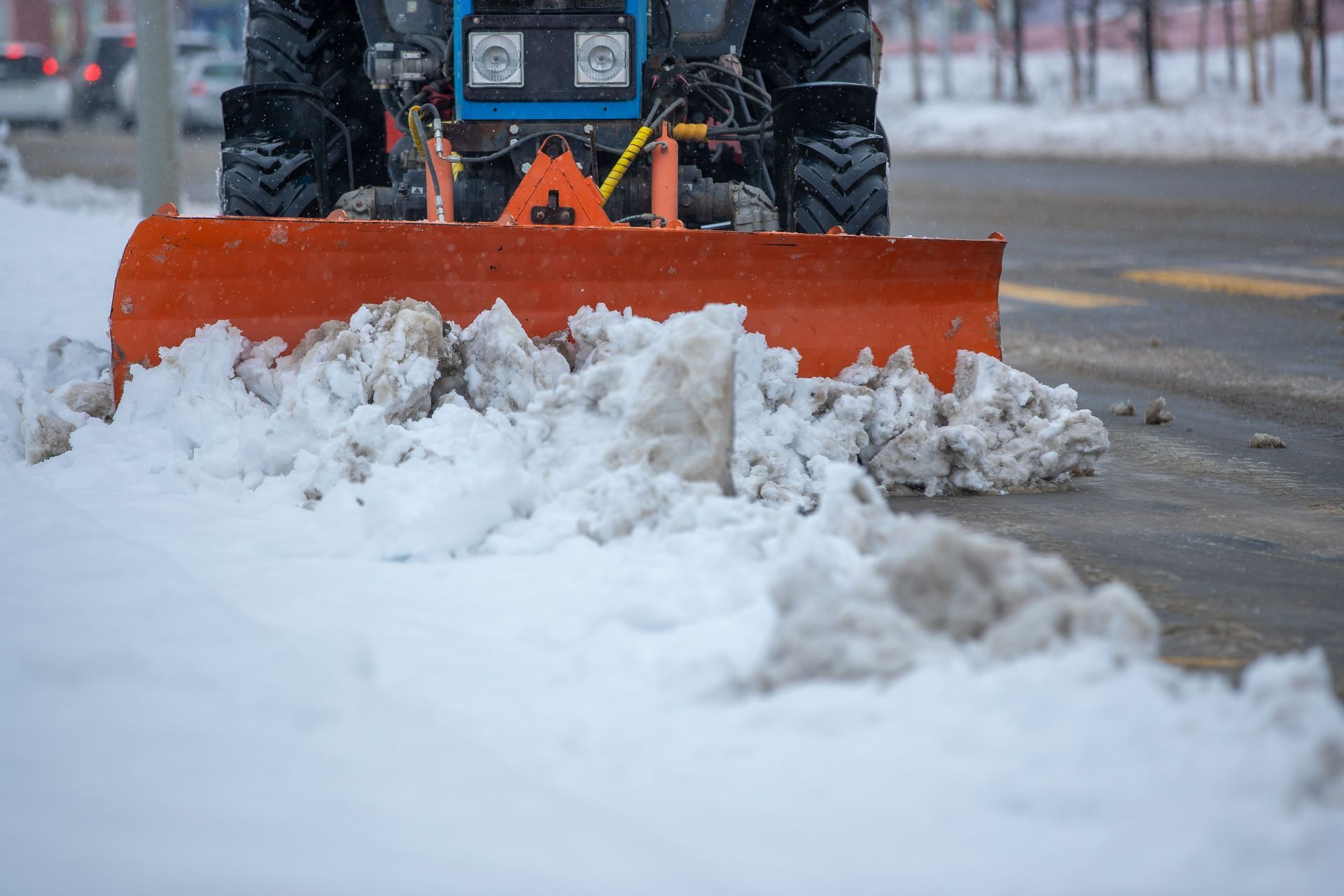
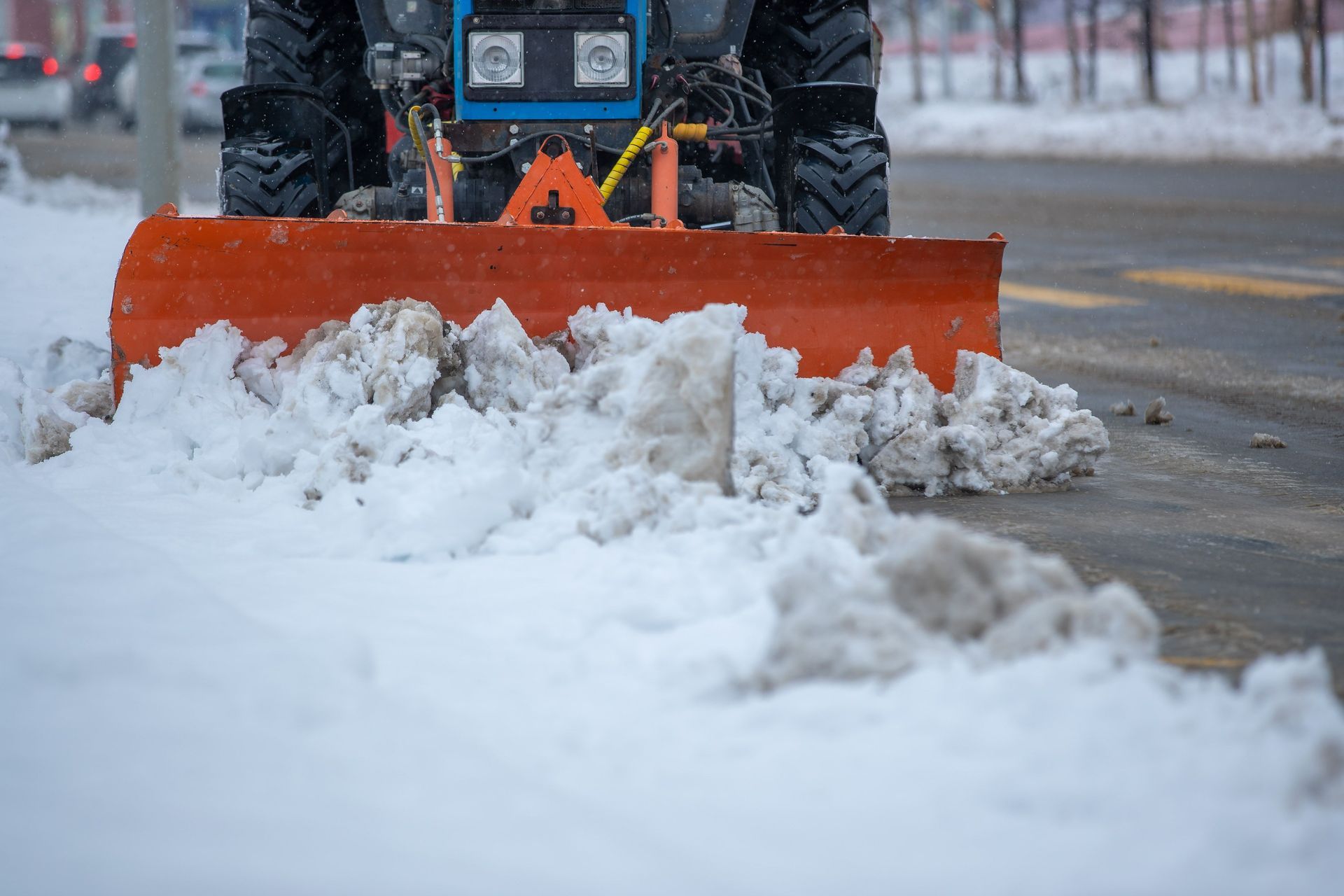
Snowplow blade pushing snow on a street in winter

It's also where a provider's largest job sites earn their keep for everyone else on the route. On its biggest commercial contracts, Invictus stages on-site First Responder Units — 40-foot containers pre-loaded with ice melt product, positioned directly on the property so treatment can start the moment conditions turn, rather than waiting for a truck to leave a dispatch yard. That kind of infrastructure only pencils out at portfolio scale, which is exactly why bundling multiple properties under one contract changes the pricing math, not just the invoicing.

Why Pacific Northwest Pricing Doesn't Match the National Averages

National pricing guides are built on markets like Buffalo, Minneapolis, and Cleveland, where high snow volume supports a dense, competitive contractor base. The Pacific Northwest I-5 corridor is a different market. Invictus is the only snow removal company with boots on the ground covering the corridor from Vancouver, BC through Seattle to Portland, on both sides of the border — which means fewer regional providers can service a multi-city portfolio without subcontracting, and subcontracted routes introduce the exact accountability gaps a seasonal, documented contract is supposed to eliminate.

That geographic coverage is also why per-property pricing in this region should account for something national averages can't: a provider who can service Seattle commercial snow removal, Portland snow removal, and sites in Hillsboro snow removal territory from one operation, without handing part of your portfolio to a subcontractor you've never vetted.

Two people in a meeting reviewing a document beside a laptop on a table

British Columbia and Oregon Portfolios: Pricing Across the Border

Cross-border portfolios add a wrinkle national pricing data doesn't touch at all. A property group with sites in North Vancouver, West Vancouver, and White Rock snow removal territory typically needs a Canadian contract structure, insurance certificates, and invoicing that don't simply mirror a U.S. seasonal agreement. Bundling those BC sites with U.S. properties under a single provider — rather than a Canadian vendor and a separate American one — is one of the clearer ways a multi-region portfolio actually realizes the economy-of-scale pricing this article opened with. The same logic applies to Vancouver-area residential portfolios that sit alongside a commercial book of business.

What to Ask Before You Sign

Before comparing dollar figures across bids, confirm you're actually comparing the same fee structure. A few questions worth asking every provider, drawn directly from SIMA's procurement framework:

  • Is this quote per-event, per-occurrence, per-season, or time and materials — and what exactly triggers a billable visit?
  • What's the trigger depth, and does it change during extreme weather?
  • Are caps, floors, or inclusion modifiers built into the seasonal rate, and what happens once a cap is reached?
  • What documentation comes with every visit — start/stop times, photos, weather verification, product applied?
  • If you have more than one site, does the provider price the portfolio as a bundle, or as separate contracts stacked together?

That last point is worth pressing on directly. If a "portfolio discount" doesn't show up as a real number on the proposal, it usually isn't real. Invictus builds that documentation standard into every job — the same geo-fenced, photo-verified service records described in our breakdown of what premises liability law actually requires — because a price quote without service verification isn't really a complete quote.

Frequently Asked Questions

What's the difference between per-push and per-season snow removal pricing?
Per-push (also called per-occurrence) bills you each time the property is serviced, so your total cost tracks the actual weather. Per-season bills a fixed rate for the whole winter regardless of snowfall, trading potential savings in a light winter for budget certainty in a heavy one.

Why do commercial trigger depths tend to be lower than residential ones?
Commercial sites carry more foot and vehicle traffic and higher liability exposure, so providers typically dispatch at 1 to 2 inches of accumulation on commercial lots versus 2 to 3 inches for residential driveways.

Does bundling multiple properties under one provider actually lower the price?
It can, because a provider servicing several sites in the same region spreads fixed costs — equipment mobilization, minimum crew commitments, routing — across the whole portfolio instead of pricing each site as if it were the only stop on the route.

What should be documented on every snow removal visit?
At minimum: service start and stop times, site conditions before and after service, weather verification, the product applied, and photos. These records are what a provider — and a property manager — relies on if a slip-and-fall claim is ever filed.

Ready to see what portfolio pricing actually looks like for your properties? Request a quote and get a fee structure built around your sites, not a national average.

Recent Posts

By Brad Caton July 9, 2026
Snow removal RFP proposals in? Learn the weighted scoring matrix municipalities use to separate the right vendor from the cheapest bid, plus red flags that should disqualify any proposal outright.
By Brad Caton July 2, 2026
NOAA confirms El Niño is replacing two years of La Niña. See what that means for Pacific Northwest commercial snow removal contracts — and why Invictus still plans for every storm, not just the forecast.
By Brad Caton June 30, 2026
First Responder snow removal in the Pacific Northwest: Invictus installs on-site ice melt caches staged directly at your commercial property, so treatment begins when conditions turn — not when a truck leaves the dispatch yard. Learn how it changes your liability equation.
By Brad Caton June 23, 2026
Over 30,000 slip-and-fall claims are filed annually against snow contractors and property owners across the U.S. and Canada. Washington law requires documented proof of reasonable care, not just service. Learn the four evidence categories courts recognize — and how geo-fencing creates your automatic defense record before the first flake falls.
By Brad Caton June 18, 2026
Commercial snow removal liability in the Pacific Northwest is real — last winter's storms triggered $6.7B in insured losses. Learn your legal exposure, what documentation protects you, and what your snow removal contract must include.
Two professionals reviewing a commercial snow removal contract at an office desk in the Pacific Northwest
By Brad Caton June 16, 2026
Waiting until fall to secure a commercial snow removal contract in the Pacific Northwest? By then, the best contractors are booked. Learn which contract type fits your property portfolio, what to negotiate before signing, and why Invictus covers the full I-5 corridor from Vancouver to Portland.
By Brad Caton March 12, 2026
Winter incident reports are your best legal protection against slip-and-fall claims. Learn what to document, when to document it, and how to build a system that protects your property.
Orange traffic barrel with snow on top, seen through a chain-link fence in a parking lot.
By Brad Caton March 10, 2026
When your snow removal contractor is a no-show during a winter storm, every minute counts. Here's exactly what commercial property managers should do — and how to prevent it.
Bobcat snowplow clearing snow from a paved surface.
By Brad Caton March 5, 2026
Before signing a snow removal contract, ask these 20 critical questions. Protect your property, avoid liability gaps, and find the right commercial snow contractor in BC.
Snowy scene of a Tim Hortons, cars, and a tree covered in snow.
By Brad Caton March 4, 2026
Learn how to build a bulletproof emergency winter response plan for your commercial property. Protect tenants, reduce liability, and stay operational during BC's worst storms.
Show More