
How to Prepare Your Business Property for Unexpected Heavy Snowfall
Brad Caton • February 10, 2026
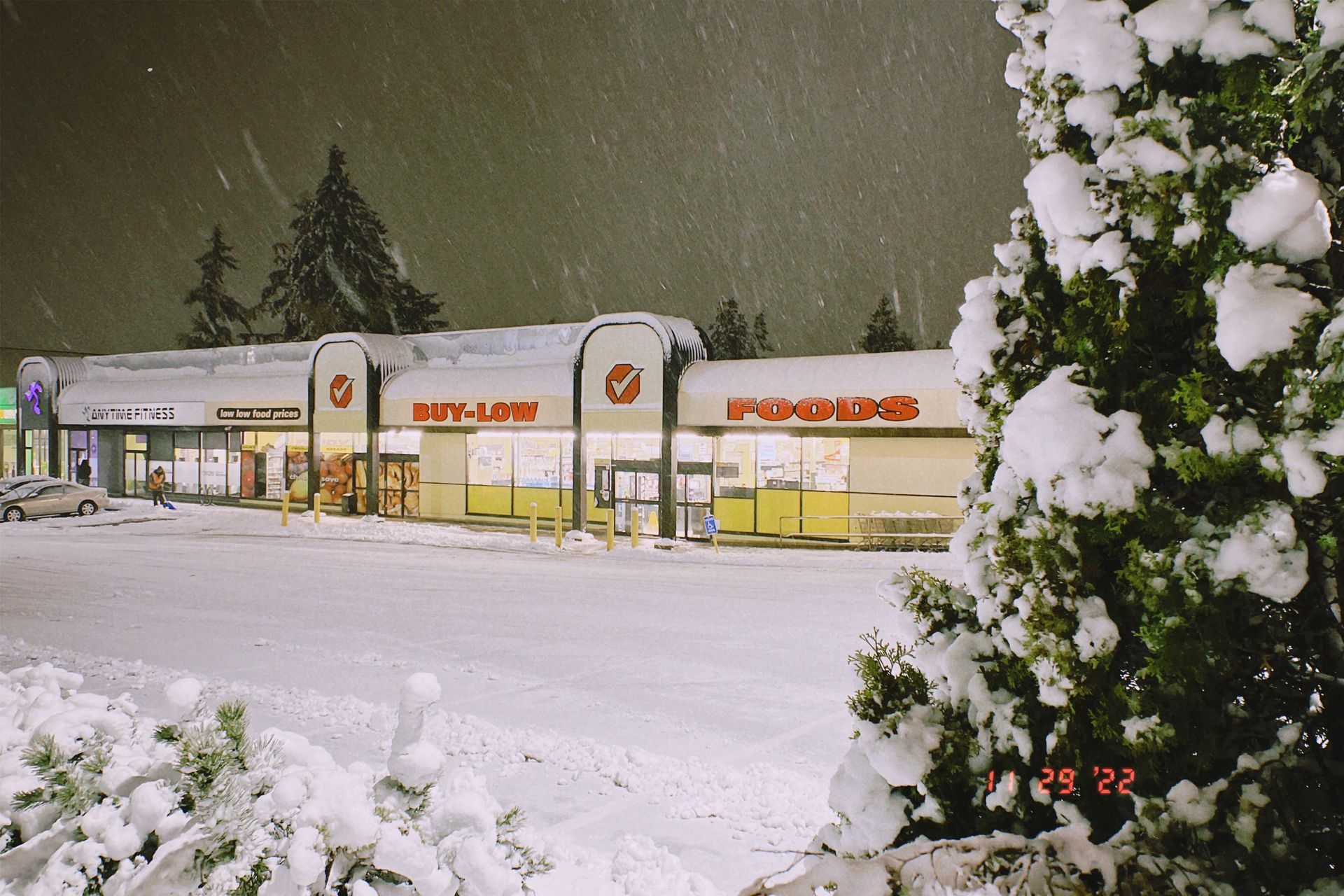
When heavy snowfall strikes unexpectedly, the difference between business continuity and costly disruptions often comes down to one factor: preparation. In regions like the Pacific Northwest, where winter weather can be unpredictable, commercial property managers and business owners face unique challenges that extend far beyond simple snow removal. Unlike residential snow clearing or routine landscaping maintenance, commercial snow management is a high-stakes operation that demands a 'first responder' approach. The consequences of inadequate preparation include business interruptions, safety hazards for employees and customers, and significant legal liabilities. Understanding how to proactively prepare your business property for unexpected heavy snowfall isn't just about keeping walkways clear—it's about protecting your operations, your people, and your bottom line.
1. Assessing Your Property's Vulnerability and Needs
Understanding Your Property's Unique Landscape
Every commercial property has distinct vulnerabilities when it comes to winter weather. Begin your snow preparedness journey with a comprehensive pre-season site assessment. Walk your property with a critical eye, identifying slopes where snow and ice naturally accumulate, drainage areas that could become hazardous ice patches, and spots where black ice typically forms due to shade or poor drainage. These potential trouble zones require special attention in your winter management plan.
Identifying Critical Access Points and High-Traffic Zones
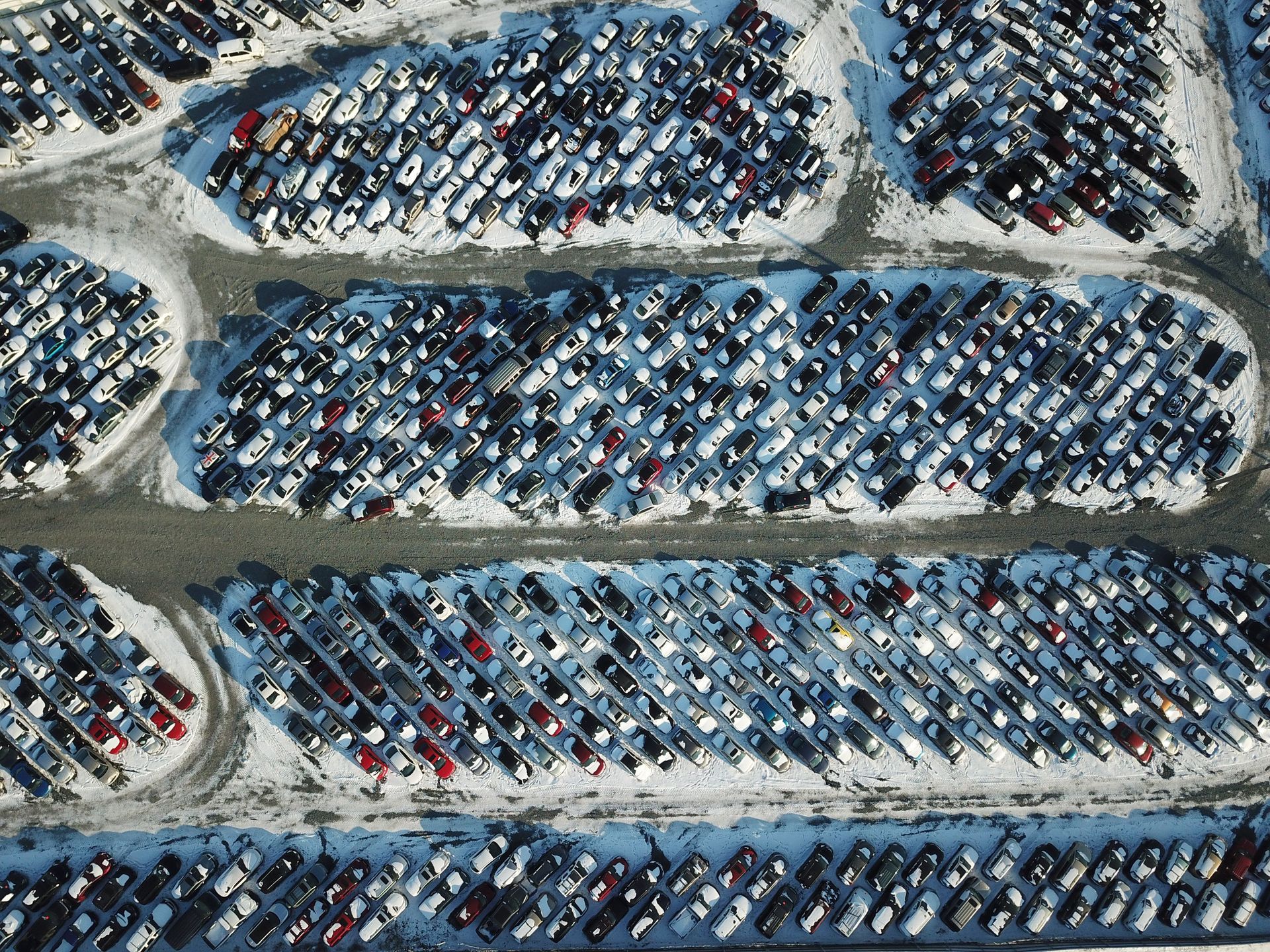
Map out your property's critical areas that must remain accessible regardless of weather conditions. This includes primary entrances and exits, loading docks where deliveries must continue, fire lanes that emergency vehicles need to access, and pedestrian pathways connecting parking areas to building entrances. For certain businesses—grocery stores, medical facilities, or 24-hour operations—maintaining uninterrupted access isn't optional; it's essential to your business model. Additionally, evaluate your property's snow storage capacity. Where will plowed snow be piled? Will these locations obstruct visibility, block emergency access, or create drainage problems when the snow melts? Answering these questions before the first snowflake falls prevents crisis management during a storm.
2. Crafting a Robust Commercial Snow Preparedness Plan
Establishing Clear Communication Protocols
A comprehensive snow preparedness plan functions as your property's winter playbook. Develop a detailed action plan that outlines specific responses for different snowfall levels—light accumulation might require de-icing only, while heavy snowfall demands full plowing operations. Your plan should clearly define snow triggers: at what accumulation level do specific services activate? Having these parameters established in advance eliminates guesswork and ensures consistent, timely responses.
Setting Up Internal Response Teams and Training
Assign clear roles and responsibilities to your internal team members. Who monitors weather forecasts? Who communicates with your snow removal partner? Who inspects the property after services are completed? Establishing these roles prevents confusion when a storm hits. Develop robust communication strategies for notifying tenants, employees, and customers about weather-related changes to operations or access. Consider how you'll communicate—email, text alerts, social media, or website updates. Finally, stock essential supplies on-site: supplemental ice melt for spot treatments between professional services, shovels for minor clearing tasks, and safety cones or signage to mark hazardous areas. While your professional snow removal partner handles the heavy lifting, these supplies provide flexibility for immediate, minor interventions.
3. The Crucial Role of Choosing the Right Commercial Snow Removal Partner
Beyond Just Plowing: A 'First Responder' Approach
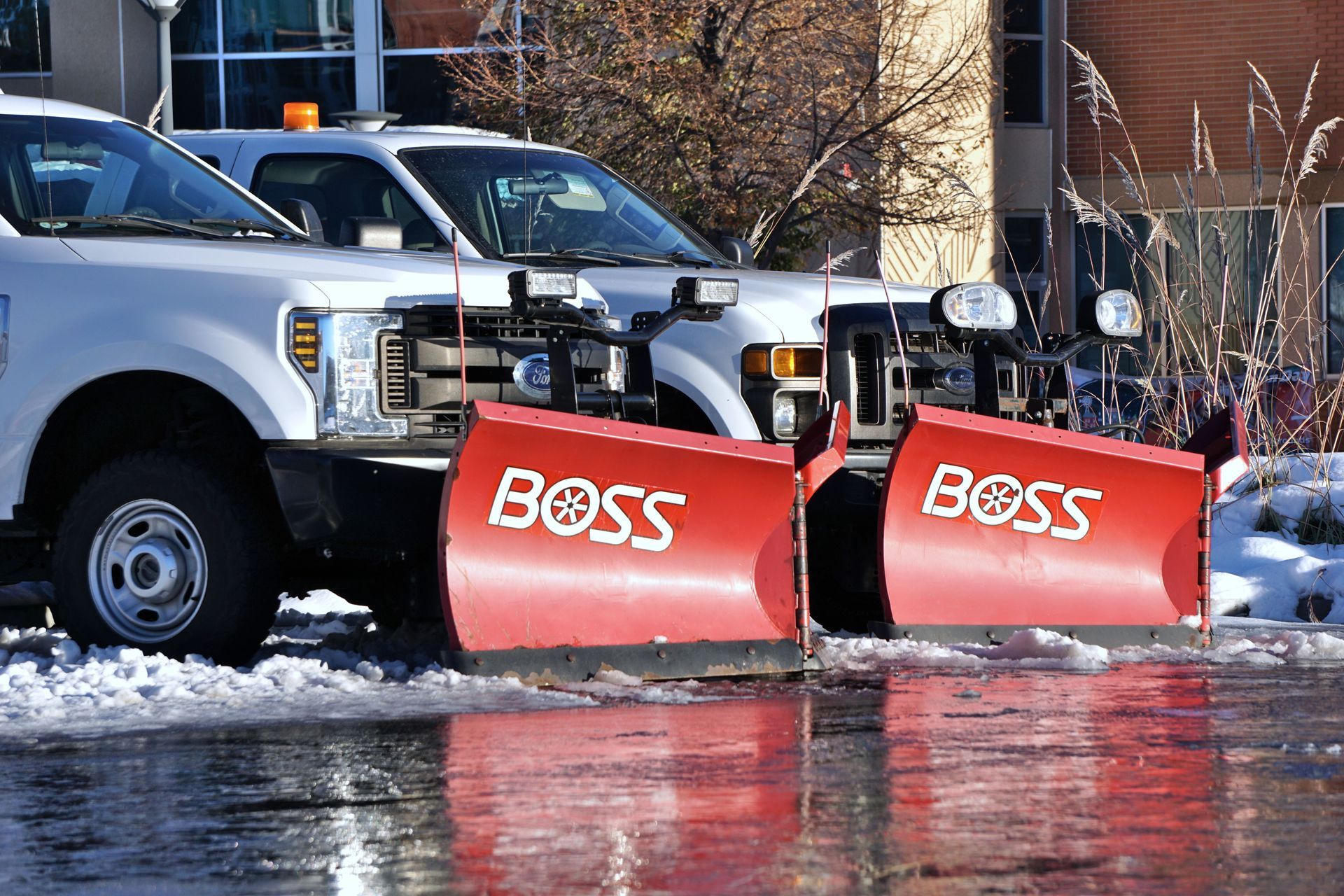
The selection of your commercial snow removal partner is perhaps the most critical decision in your winter preparedness strategy. Unfortunately, many property managers treat snow removal as a commodity service, comparable to landscaping or routine maintenance. This misconception can prove costly. Commercial snow management is fundamentally a high-stakes, specialized service that requires a 'first responder' mindset—immediate response capability, proactive monitoring, and proper equipment deployment are non-negotiable.
When evaluating potential partners, prioritize providers who demonstrate this first responder approach. The most sophisticated snow management companies deploy on-site first responder units—such as strategically placed containers stocked with ice melt and emergency equipment—that enable immediate response to changing conditions without waiting for trucks to arrive from a central depot. This proactive positioning can be the difference between preventing a slip-and-fall incident and facing a lawsuit.
Geographical Reach and Economy of Scale
For property managers overseeing multiple commercial sites, geographical coverage becomes a critical selection factor. Managing snow removal across properties in different cities or states creates logistical nightmares when working with fragmented local providers—different communication protocols, inconsistent service quality, complicated accounting, and disparate invoicing. A single provider with comprehensive geographical reach, such as coverage across the entire I-5 corridor from Portland to Seattle and beyond, offers substantial advantages: unified communication with one point of contact, consistent service standards across all properties, streamlined billing processes, and genuine economy of scale that translates to cost savings. This consolidation doesn't just simplify administration—it provides the operational efficiency that property management portfolios require.
Technological Edge for Documentation and Liability Protection
Modern snow management extends beyond physical snow removal to include comprehensive documentation and liability protection. Advanced providers leverage technology like geo-fencing to verify service completion, timestamped photography to document conditions and actions taken, and detailed service logs that provide critical evidence in the event of slip-and-fall claims. This documentation isn't just nice to have—it's essential legal protection that can save your business hundreds of thousands of dollars in litigation costs. When evaluating providers, ask specific questions: What technology platforms do they use? How do they document service completion? What records will you receive after each storm event?
Finally, assess the provider's operational professionalism. Do they offer responsive customer service with clear communication channels? Have they invested in reliable, well-maintained equipment to ensure consistent service? Companies that treat snow removal as mission-critical work—rather than seasonal side revenue—demonstrate this through their equipment investments, trained personnel, and professional communication systems. The difference between a provider who answers the phone during a crisis and one who doesn't can define your entire winter experience.
4. Pre-Season Checks and Maintenance for Winter Readiness
Securing Your Infrastructure
Before winter weather arrives, conduct essential maintenance that prevents snow-related damage and facilitates effective snow removal. Inspect roofs for structural integrity, checking for damage that could worsen under snow load. Clean gutters and downspouts thoroughly—ice dams form when water cannot drain properly, potentially causing serious roof damage and creating ground-level ice hazards. Ensure all external lighting functions properly; visibility during dark winter mornings and early evenings is critical for both safety and effective snow removal operations.
Reviewing Insurance and Legal Preparedness
Review landscaping elements that could interfere with snow removal equipment or create hidden hazards under snow—decorative rocks, low curbing, or landscape features should be clearly marked for your snow removal team. From a legal perspective, verify that your insurance coverage adequately addresses snow and ice-related incidents. Understand your policy's specific provisions regarding slip-and-fall claims and property damage. Finally, familiarize yourself with local ordinances governing snow removal responsibilities and timelines. Some municipalities impose specific requirements for commercial properties regarding snow removal from sidewalks or public access points. Compliance isn't optional—it's a legal obligation that can result in fines if ignored.
5. During and After the Snowfall: Maintaining Business Continuity
When snowfall begins, activate your communication plan immediately. Notify staff about potential delays or modified schedules, inform tenants about expected snow removal timelines, and update customers about any changes to business operations or access points. Proactive communication prevents confusion and demonstrates professional management. Work closely with your snow removal partner, trusting their expertise while remaining engaged. They should proactively update you on service timing, conditions they're encountering, and any issues requiring your attention.
Pay particular attention to the often-overlooked threat of refreezing and black ice formation. Temperatures that fluctuate above and below freezing create ideal conditions for black ice—invisible patches of ice that form when melted snow refreezes on pavement. This is where immediate de-icing capabilities prove invaluable. After the storm passes, document conditions and actions taken. Photograph problem areas, save service reports from your provider, and maintain records of communication. This documentation serves as critical evidence should slip-and-fall claims arise weeks or months after the event.
Conclusion: Invest in Peace of Mind, Not Just Plowing
Comprehensive snow preparedness represents far more than purchasing plowing services—it's a strategic investment in business continuity, safety, and liability protection. The stakes are too high and the risks too significant to treat commercial snow management as a commodity service. By conducting thorough property assessments, crafting detailed preparedness plans, and partnering with professional snow management companies that embrace a 'first responder' approach, you transform winter weather from a crisis into a managed operational challenge. Property managers and business owners who prioritize proactive winter preparation don't just keep their parking lots clear—they protect their operations, safeguard their people, and secure their peace of mind throughout the winter season. As you evaluate your current snow preparedness strategy, consider whether your approach truly reflects the high stakes involved, and whether your partners possess the geographical reach, technological capabilities, and professional commitment your properties deserve.