How to Properly Clear Snow from Rooftops to Prevent Damage and Ice Dams

Brad Caton • February 21, 2026

Share this article

Every winter, property managers and building owners face a silent but potentially catastrophic threat lurking above their heads: accumulated snow on rooftops. While the pristine white blanket may appear harmless, the reality is far more dangerous. Excessive snow loads can lead to structural damage or even complete roof collapse, while ice dams create a cascade of problems from water infiltration to costly interior damage. These risks are particularly acute for commercial properties, where the stakes involve not just building integrity but also the safety of employees, customers, and visitors.

Despite the serious nature of these hazards, rooftop snow and ice management remains one of the most underestimated aspects of winter property maintenance. Many property managers focus solely on ground-level snow removal, parking lot clearing, and walkway safety—while the roof above accumulates dangerous loads. The consequences of this oversight can be devastating: structural failures, insurance claims, business interruptions, and potential liability for injuries or property damage. Understanding how to properly manage rooftop snow isn't just about preventing damage; it's about protecting your investment and ensuring the safety of everyone who depends on your building.

This comprehensive guide will walk you through everything you need to know about safe and effective rooftop snow removal, from understanding snow loads and preventing ice dams to implementing proper removal techniques. Whether you're managing a small commercial building or overseeing a large facility, the proactive approach to winter roof maintenance outlined here will help you navigate the challenges of the season with confidence and protect your property from winter's hidden dangers.

1. The Silent Threat: Snow Load and Its Impact on Roof Structures

Snow load refers to the downward force exerted by accumulated snow and ice on a roof structure, typically measured in pounds per square foot (psf). While this might seem like a straightforward concept, the reality is far more complex. The weight of snow can vary dramatically depending on its type, density, and moisture content. Fresh, powdery snow might weigh as little as 3 pounds per cubic foot, while wet, heavy snow can tip the scales at 21 pounds per cubic foot or more. When you consider that even a modest 12 inches of wet snow can translate to more than 20 pounds per square foot across an entire roof surface, the cumulative weight becomes staggering.

Several critical factors influence how much stress your roof experiences during winter months. The type of snow matters immensely—dry, fluffy snow is relatively light, but as it compacts over time or gets saturated with rain or melting water, its weight increases exponentially. Drifting creates another dangerous variable, as wind can push snow into concentrated areas, creating loads that far exceed what the roof was designed to handle. Roof pitch also plays a crucial role: steeper roofs naturally shed snow more effectively, while flat or low-slope roofs tend to accumulate and retain heavy loads. The duration of accumulation matters too—a roof might handle one snowfall easily, but successive storms without adequate clearing create cumulative loads that can overwhelm even robust structures.

Understanding safe snow load limits requires knowing your building's specifications. Most commercial buildings are designed to handle specific design loads, typically ranging from 20 to 40 psf for snow, though this varies significantly by region and building code. However, these design loads include safety factors, and it's crucial never to approach these limits. As a general guideline, if you have more than 12 inches of old, compacted snow or 18-24 inches of fresh snow, you should seriously consider removal. But these are rough estimates—the only way to truly know your building's capacity is to consult the original structural drawings or hire a structural engineer for an assessment.

Your building will often communicate when it's under excessive stress, and recognizing these warning signs can prevent catastrophic failure. Sagging ceilings or ceiling tiles that have dropped are among the most obvious indicators that your roof structure is being overloaded. You might notice doors or windows that suddenly stick or won't close properly—this happens because the building frame is being compressed or distorted under the weight. Listen carefully for unusual sounds: creaking, cracking, or popping noises from the roof structure or walls indicate movement and stress. Visible roof deformation, such as bowing or sagging when viewed from outside, is a critical warning sign that demands immediate attention. Inside, you might observe cracks appearing in interior walls, particularly near the junction of walls and ceilings. If you notice any of these signs, evacuate the building if necessary and contact a structural engineer immediately—this is not a situation to handle on your own. Have you ever wondered how to systematically inspect your roof for these warning signs before they become emergencies?

2. The Menace of Ice Dams: Formation, Effects, and Prevention

Ice dams represent one of winter's most insidious threats to building integrity, and understanding their formation is the first step in prevention. The process begins with an uneven temperature distribution across your roof surface. When heated interior air escapes through inadequate insulation or ventilation, it warms the upper portions of the roof. This warmth melts the snow sitting on those warmer sections, creating water that flows down the roof slope toward the colder eaves. When this meltwater reaches the overhanging eaves—which remain at or below freezing because they extend beyond the building's heated envelope—it refreezes, forming a ridge of ice along the roof's edge.

This ice ridge continues to build with each freeze-thaw cycle, creating a dam that prevents subsequent meltwater from draining off the roof. As more snow melts and encounters this barrier, water backs up behind the ice dam, pooling on the roof surface. This standing water then works its way under shingles, through gaps in roofing materials, or around flashing. The cycle perpetuates itself: the trapped water may refreeze, expanding and creating more damage, or it may find paths into your building's interior. The process is particularly aggressive during temperature fluctuations, where sunny days create melting and cold nights cause refreezing, compounding the problem with each cycle.

The consequences of ice dams extend far beyond simple leaks. Water infiltration is the most immediate concern, as backed-up water penetrates the roof membrane and enters the building structure. This water can saturate insulation, dramatically reducing its effectiveness and leading to increased heating costs even as it causes damage. The moisture creates ideal conditions for mold and mildew growth within walls and attic spaces—problems that can persist long after winter ends and pose serious health risks. Ice dams also wreak havoc on gutters and downspouts, as the expanding ice can bend, break, or completely tear these systems from the building. The weight of the ice itself adds to the roof's snow load, compounding structural stress.

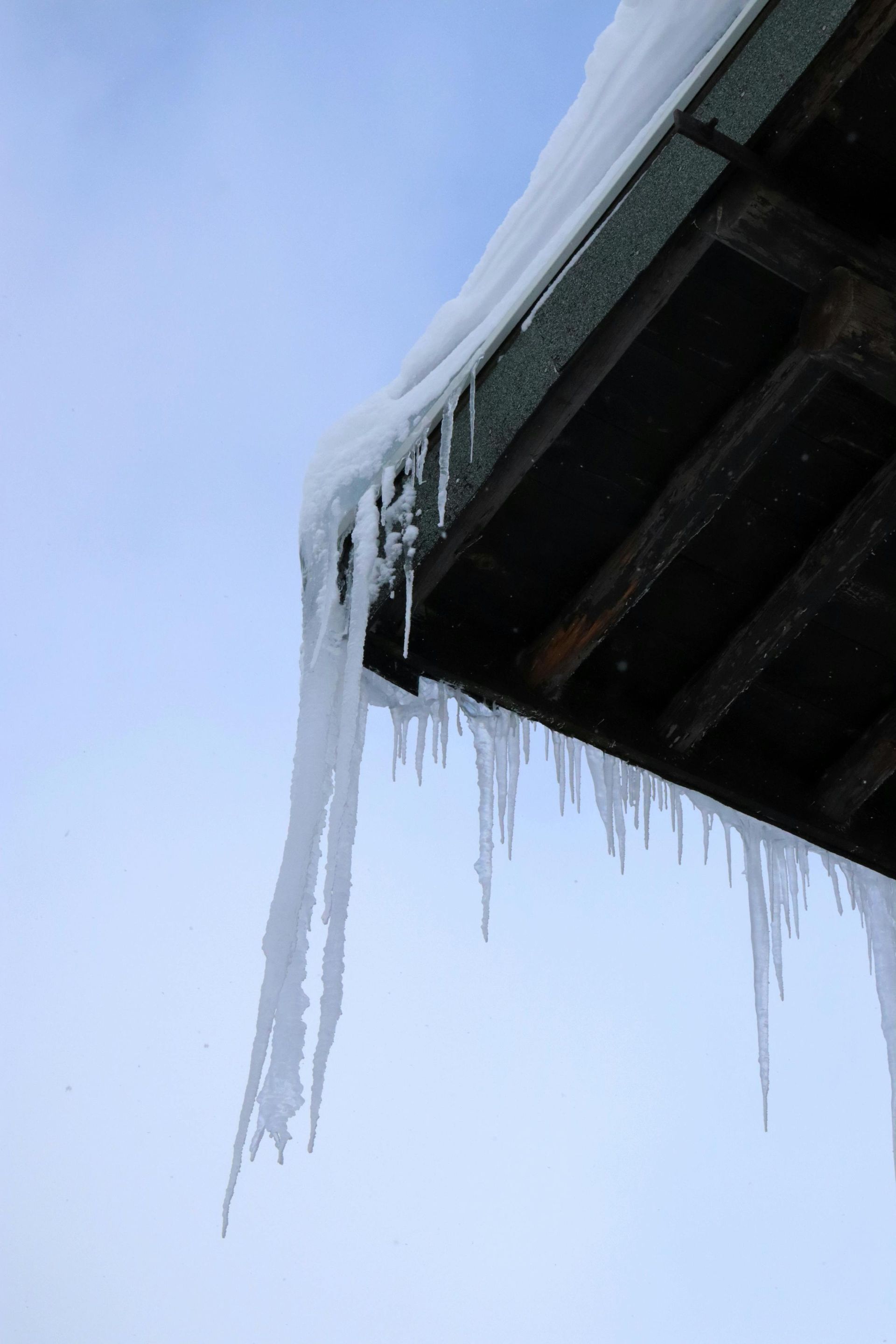
Exterior damage is equally concerning: the weight and expansion of ice can damage siding, peel paint, and destroy trim work along the roofline. Massive icicles, while visually striking, pose serious safety hazards to anyone below when they eventually fall. The freeze-thaw cycles can also damage roofing materials themselves, shortening the roof's lifespan and necessitating earlier replacement. Perhaps most frustrating is that once an ice dam forms and causes damage, the problem often recurs in the same location season after season until the underlying causes are addressed.

Prevention of ice dams requires a comprehensive, proactive approach that addresses root causes rather than just symptoms. Proper attic insulation is your first line of defense—it keeps heat where it belongs (inside your building) rather than allowing it to escape through the roof and create the temperature differential that drives ice dam formation. Equally important is adequate attic ventilation, which allows cold air to circulate and keep the entire roof surface at a uniform, cold temperature. Ridge vents, soffit vents, and proper air flow prevent the warm spots that initiate the melting process.

Sealing air leaks in your building envelope is crucial but often overlooked. Check for gaps around plumbing vents, chimneys, recessed lighting, and any other penetrations through the ceiling. These seemingly minor leaks can funnel substantial heat into attic spaces, creating localized warm spots on the roof. Ensuring effective gutter drainage throughout the season prevents water accumulation and allows meltwater to flow freely away from the building when temperatures permit. Keep gutters clean of debris before winter arrives, and consider installing gutter guards to minimize ice buildup.

Heat cables, while marketed as ice dam solutions, should be understood as supplementary measures rather than primary prevention. These electric cables, installed in a zigzag pattern along roof edges and through gutters, can help maintain a channel for water drainage and prevent ice buildup at critical points. However, they address the symptom rather than the cause, consume significant electricity, and can create a false sense of security. They work best when combined with proper insulation and ventilation, not as a replacement for these fundamental measures. The most effective strategy combines all these elements into a comprehensive winter roof management plan that prevents problems before they start.

3. Safe and Effective Rooftop Snow Removal Techniques

Safety must be the paramount concern in any rooftop snow removal operation, as the combination of heights, slippery surfaces, and cold weather creates a uniquely hazardous environment. Never attempt rooftop snow removal alone—always work with at least one other person who can assist in case of emergency. Fall protection is non-negotiable: use properly rated harnesses, secure anchor points, and lifelines when working on any roof surface. Be acutely aware of power lines and overhead obstacles, as snow and ice on these can pose electrocution hazards, and tools like roof rakes can easily contact them if you're not vigilant.

Weather conditions matter enormously. Avoid removal work during active snowfall, high winds, or extreme cold, as these conditions multiply the dangers. Ice on the roof surface makes it treacherously slippery, and you should never walk on a compromised or heavily loaded roof. Instead, whenever possible, remove snow from the ground using extension tools, or work from stable platforms like scissor lifts. Dress appropriately in layers with waterproof outer garments, insulated boots with excellent traction, and work gloves that maintain dexterity while providing warmth. Cold weather can impair judgment and coordination, so take frequent warm-up breaks and watch for signs of hypothermia or frostbite in yourself and your team.

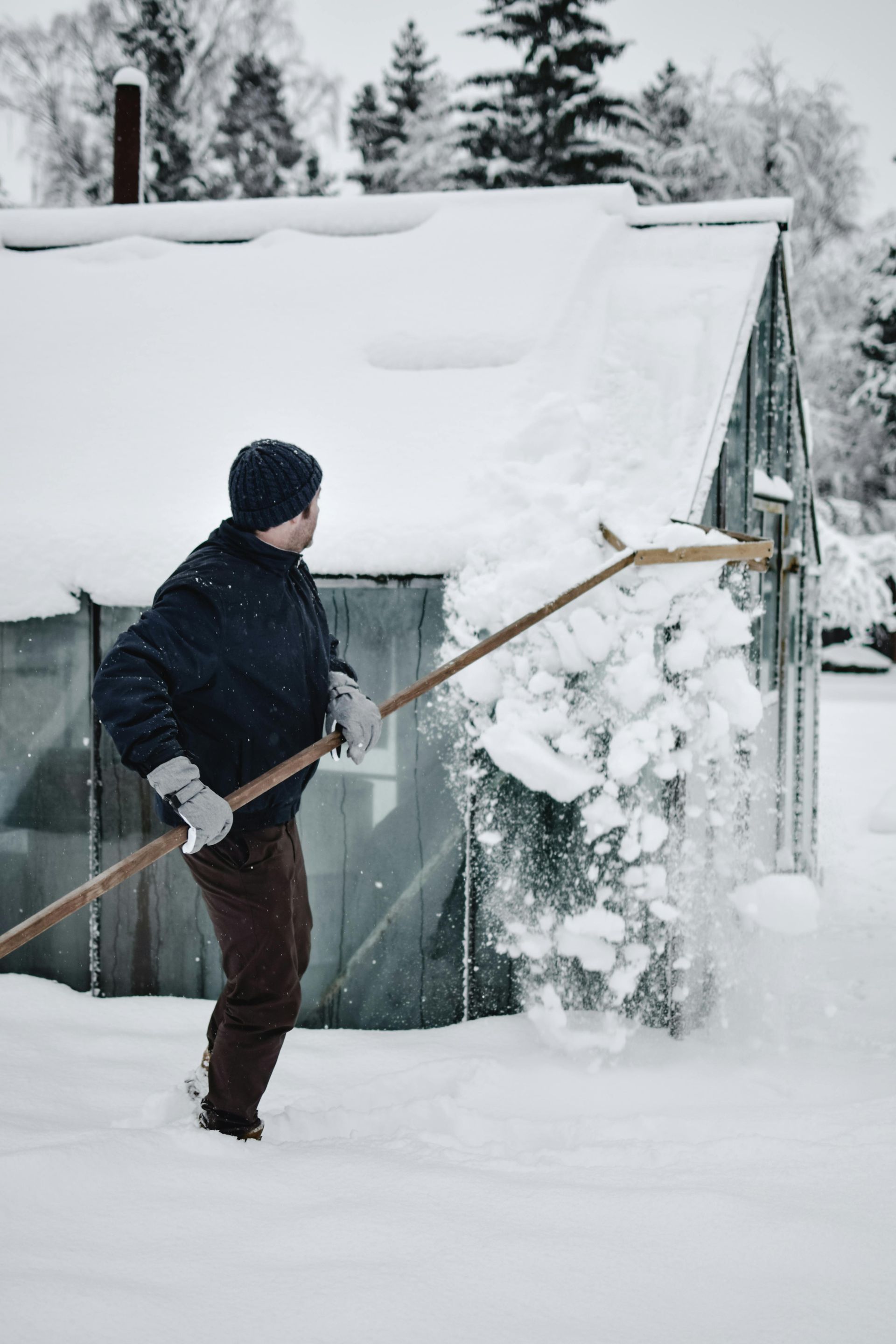
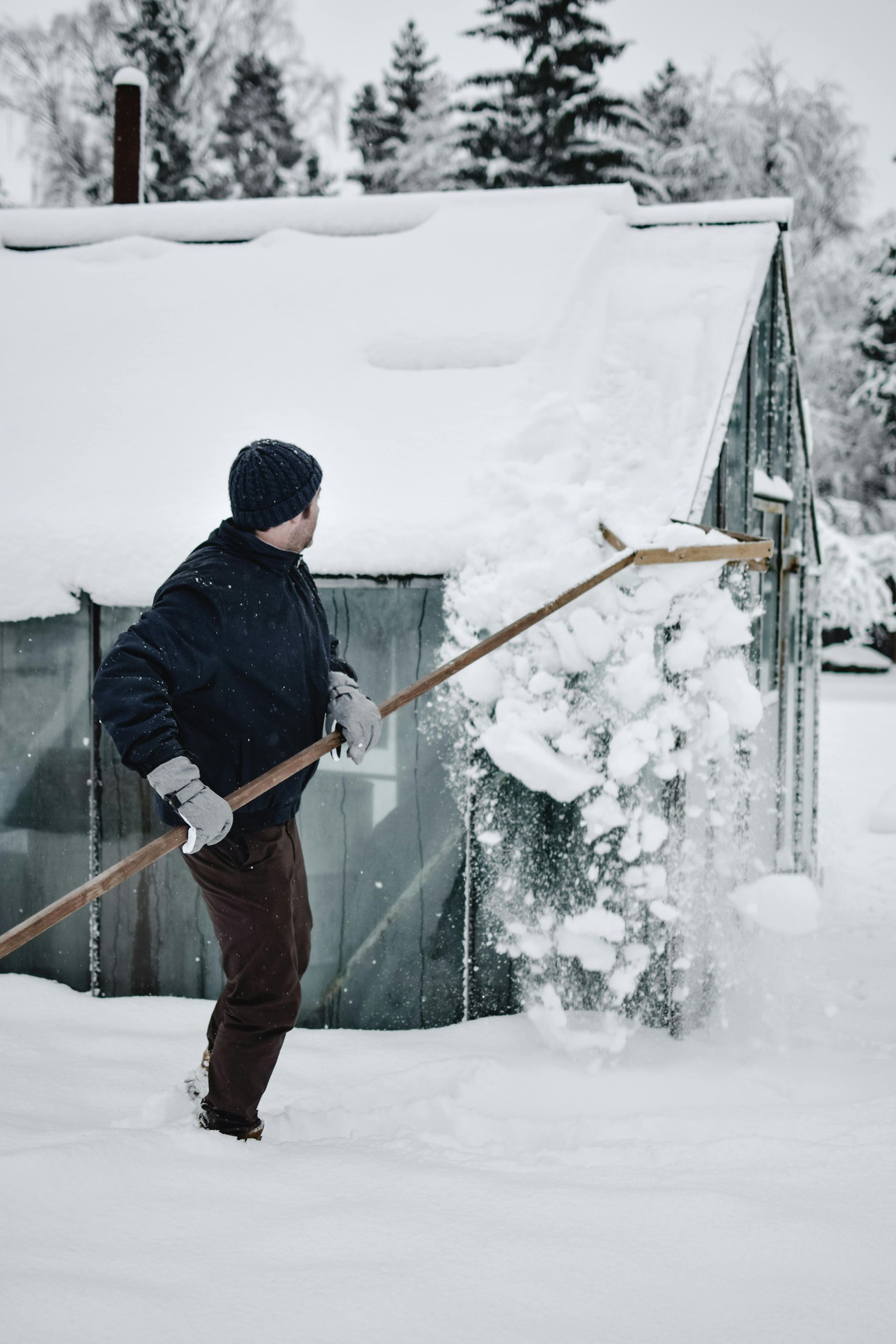
Choosing the right tools makes an enormous difference in both safety and effectiveness. Roof rakes with long, telescoping handles are invaluable for removing snow from sloped roofs while standing safely on the ground. These specialized tools feature a wide, flat blade designed to pull snow down without damaging roofing materials. For roofs requiring physical access, use plastic or rubber-edged snow shovels rather than metal ones, as these are far less likely to damage shingles, membranes, or protective coatings. The investment in proper tools pays for itself by preventing roof damage that would far exceed the tool cost.

Extension ladders must be properly rated for the combined weight of the user, tools, and snow that might accumulate on them, and they should be positioned on stable, level ground with appropriate angle and securing. For commercial properties with flat roofs, scissor lifts or aerial work platforms provide much safer access than ladders, creating a stable platform for workers. Snow blowers can be effective on accessible flat roofs, though they require careful operation to avoid directing snow toward ventilation systems, drains, or over roof edges where people might be below.

The actual removal process requires a systematic approach that prioritizes both effectiveness and safety. Start by clearing snow evenly across the roof surface rather than focusing on one area, as unbalanced loads can stress structural elements. Work from the roof's edge toward the center, and always clear snow in a direction away from valleys, chimneys, and ventilation equipment. Remove snow in layers rather than trying to clear everything at once—this reduces the weight you're moving at any given time and provides better control.

Crucially, leave a thin layer of snow on the roof surface—approximately 2-3 inches—to protect roofing materials from damage during the removal process. This protective layer prevents tools from scraping, gouging, or otherwise damaging the roof membrane, shingles, or protective coatings. Be extremely cautious around roof penetrations like vents, skylights, and HVAC equipment, as these are both vulnerable to damage and critical for building systems. Gutters deserve special attention: while you want to ensure they can drain, aggressive snow removal that impacts gutters can bend hangers, tear them from the fascia, or damage the gutters themselves.

Different roof types demand different approaches. Flat or low-slope roofs allow for more direct access but require extreme care to avoid damaging the roof membrane, which is often the only barrier preventing water infiltration. These roofs also have drainage systems that must be kept clear—locate drains and ensure snow removal doesn't block these critical points. Sloped roofs benefit from natural snow shedding but present greater fall hazards. Whenever possible, use ground-based roof rakes for these surfaces. Metal roofs require special consideration, as they're particularly slippery and snow tends to slide off in large sheets that can be dangerous to people below. Establish exclusion zones around buildings with metal roofs during and after snow events.

Throughout the removal process, maintain constant awareness of changing conditions. Snow that seems stable can suddenly release when disturbed, and ice layers hidden beneath snow can create unexpected sliding hazards. Never stand directly in the path of snow you're removing, as even seemingly light snow can knock you off balance or cause injury when it accumulates and slides. Document your work with photos before, during, and after removal—this creates records that can be valuable for insurance purposes or demonstrating due diligence in property maintenance.

4. When to Call the Professionals: Invictus Snowfighters's Role

Certain situations demand professional expertise, specialized equipment, and the liability protection that comes with hiring qualified contractors. When snow depth exceeds two feet or when you're dealing with multiple layers of compacted snow and ice, the complexity and danger of removal escalates dramatically. Professional snow removal teams have experience judging structural risks and can assess whether your roof can safely sustain the load during the removal process itself. Icy conditions that make roof surfaces treacherous call for professionals with proper fall protection systems, training, and insurance.

Complex roof structures—those with multiple levels, intricate architectural features, or unusual designs—require expertise to navigate safely and ensure even snow distribution during removal. Buildings with known structural concerns, previous damage, or unusual loading considerations benefit from professional assessment before any removal attempts. When time is critical—such as when structural warning signs appear or when forecast conditions threaten to worsen the situation—professionals can mobilize quickly with adequate crews and equipment to address the emergency.

The advantages of professional snow removal extend beyond just getting the job done. Professionals bring specialized knowledge of different roof types, building codes, and structural considerations that inform their removal strategies. They arrive equipped with commercial-grade tools, aerial lifts, and safety equipment that most property managers don't have access to. Perhaps most importantly, professional snow removal companies carry comprehensive insurance that protects you from liability if injuries occur or if the roof is accidentally damaged during removal. This liability protection alone often justifies the cost of professional services.

This is where Invictus Snowfighters's 'First Responder' approach to snow and ice management becomes invaluable. Rather than reacting to problems after they've developed, a proactive strategy anticipates challenges and addresses them before they escalate into emergencies. Comprehensive winter management plans encompass not just ground-level snow removal but also roof monitoring, scheduled clearings based on snowfall accumulation, and rapid response when conditions warrant. This holistic approach recognizes that effective winter property management requires attention to every aspect of your facility, from parking lots to rooftops.

Professional teams can establish monitoring protocols that track snowfall accumulation, weather forecasts, and building-specific risk factors to determine optimal timing for interventions. They bring systematic approaches that ensure no area is overlooked, documentation practices that provide records for insurance and liability purposes, and the flexibility to scale resources up or down based on weather severity. When you're managing multiple properties or large commercial facilities, having a professional partner who understands the full scope of winter challenges—including often-overlooked aspects like rooftop snow management—provides peace of mind that every element of your winter preparedness is addressed.

5. Protecting Your Property, Ensuring Peace of Mind

Proactive rooftop snow and ice management stands as one of the most critical yet underappreciated aspects of winter property maintenance. The consequences of neglect can be catastrophic: structural failures that endanger lives, extensive water damage from ice dams that costs tens of thousands of dollars to remediate, business interruptions that impact revenue and operations, and liability exposure that threatens your financial security. Conversely, the benefits of proper maintenance are substantial: preserved building integrity, protected interior spaces, maintained property values, and the peace of mind that comes from knowing you've fulfilled your duty of care.

Winter weather presents unique challenges that require specialized knowledge, appropriate tools, and in many cases, professional expertise. Whether you choose to handle some aspects of snow removal yourself or partner with professionals for comprehensive management, the key is to approach winter roof maintenance with the seriousness it deserves. Don't wait until warning signs appear or damage occurs—by then, the situation has often escalated into an expensive emergency. Instead, develop a proactive plan before winter arrives, establish monitoring protocols, and know when to seek professional help.

Your building is an investment that deserves protection, and the people who occupy it deserve safety. Prioritizing winter roof maintenance demonstrates your commitment to both. If you're managing complex commercial properties, dealing with heavy snow accumulation, or simply want the assurance that comes with professional oversight, consult with experienced snow and ice management professionals who can assess your specific situation and develop a comprehensive plan tailored to your needs. The cost of prevention is always far less than the cost of repairs, and the peace of mind is priceless.

Recent Posts

Silhouette of a snow removal machine spraying water on a frozen surface at dusk.
By Brad Caton February 21, 2026
Discover best practices for eco-friendly de-icing solutions on commercial pavement. Learn about sustainable winter maintenance, reducing environmental impact & ensuring safety.
Inspector in a yellow hard hat and safety vest examines a window in a room.
By Brad Caton February 12, 2026
Learn essential post-snowfall inspection best practices for commercial properties. Ensure safety, mitigate risks, and protect your business from winter hazards with Invictus.
By Brad Caton February 10, 2026
Learn how to prepare your business property for unexpected heavy snowfall. Ensure business continuity and mitigate risks with proactive commercial snow preparedness.
Snowplow on a snowy road, orange blade, spraying slush, trees in background.
By Brad Caton February 8, 2026
Choosing snow removal for multi-unit properties is critical. Learn what to look for in a commercial snow contractor to ensure safety, prevent liability, and save costs.
Snowy city street with cars, pedestrians, and buildings. KFC sign visible.
By Brad Caton February 7, 2026
Keep commercial walkways safe this winter. Learn best practices for ice management, snow removal, and liability protection for your properties. Expert winter safety tips.
Exterior of a Castrol service station with a closed garage door and snow.
By Brad Caton February 4, 2026
Ensure pedestrian safety and business continuity with best practices for clear entrances & walkways during heavy snow. Learn how to manage snow effectively.
Blue Cahill Fabrication building with white windows and sign, snow in the foreground.
By Brad Caton February 2, 2026
Optimize your snow removal budget without sacrificing service. Learn strategies for cost-effective winter maintenance and ensure safety for your commercial properties.
Two construction workers, one in a yellow hard hat, inspect a wall. One writes notes on a yellow pad.
By Brad Caton January 29, 2026
Prepare your property for winter with a comprehensive pre-season assessment. Learn key steps for optimal snow removal planning, safety, and liability protection.
Red snowblower ejecting snow, winter scene.
By Brad Caton January 26, 2026
Discover best practices for sustainable snow disposal and eco-friendly snow management. Learn how Invictus Snowfighters prioritizes environmental responsibility.
Three people in hard hats and a mask discuss papers in a doorway.
By Brad Caton January 23, 2026
Learn to implement an effective ice management strategy for property safety. Discover de-icing techniques, proactive planning, and professional solutions to mitigate winter risks.
Show More