Best Practices for Sustainable Snow Disposal and Environmental Responsibility
Brad Caton • January 26, 2026
In an era where environmental consciousness has become central to business operations across all industries, snow and ice management is no exception. While the immediate priority during winter weather events is ensuring safe, accessible properties for employees, customers, and visitors, forward-thinking organizations are recognizing that how we manage snow disposal carries significant environmental implications that extend far beyond the winter season.
Traditional snow removal practices, though effective at clearing pathways and parking lots, often overlook the hidden environmental costs associated with improper disposal methods. Urban snow accumulates a concerning mixture of pollutants—road salt, petroleum residues, tire particles, de-icing chemicals, and various debris—that can contaminate local waterways, damage vegetation, and disrupt ecosystems when snow melts and runoff enters stormwater systems. These impacts are particularly pronounced in the Pacific Northwest, where our proximity to sensitive aquatic habitats and reliance on clean water sources make responsible snow management practices not just preferable, but essential.
For commercial property managers and facility operators, addressing these environmental concerns while maintaining impeccable service standards requires a partner who views snow management as a comprehensive responsibility rather than a transactional service. At Invictus Snowfighters, our 'first responder' approach extends beyond rapid response times and reliable equipment—it encompasses a fundamental commitment to environmental stewardship that protects both your properties and the communities they serve.
Understanding the Environmental Impact of Traditional Snow Disposal
Contamination of Waterways and Soil
When snow is plowed from commercial properties, it carries with it everything that has accumulated on those surfaces—automotive fluids, tire wear particles, trash, organic debris, and most significantly, the various chemical agents used to combat ice. This contaminated snow, when improperly disposed of, becomes a concentrated source of pollution. As temperatures rise and snow piles melt, this toxic mixture flows directly into stormwater drainage systems, which in many municipalities discharge untreated into local streams, rivers, and ultimately, larger bodies of water.
The consequences for aquatic ecosystems can be severe. High concentrations of these pollutants alter water chemistry, reduce dissolved oxygen levels, and directly harm fish and other aquatic organisms. Sediment buildup from sand and debris smothers stream bottoms where many species spawn and feed. Petroleum products create film barriers on water surfaces, interfering with the natural gas exchange essential for aquatic life. For businesses operating near protected waterways or within environmentally sensitive corridors, the liability implications of contributing to water quality degradation extend beyond environmental concerns to potential regulatory penalties and reputational damage.

Soil contamination presents equally troubling challenges. When snow piles are placed adjacent to landscaped areas, the concentrated pollutants from melting snow infiltrate the soil, affecting everything from soil pH to microbial communities. The effects can persist well into spring and summer, impacting vegetation health, reducing the effectiveness of green infrastructure, and creating long-term maintenance challenges for property managers who must then address compromised landscaping and soil remediation needs.
Impact of De-icing Agents
De-icing agents, while critical for maintaining safe surfaces during winter weather events, represent one of the most significant environmental challenges in snow management. Traditional chloride-based de-icers—including sodium chloride (rock salt), calcium chloride, and magnesium chloride—are highly effective and economical, which explains their widespread use. However, these same properties that make them effective at melting ice also make them problematic for the environment.
Chloride contamination is particularly concerning because it is highly mobile in the environment and extremely persistent. Once chloride enters water bodies, it cannot be broken down or removed through natural processes—it remains indefinitely, accumulating with each winter season. Studies have documented steadily increasing chloride concentrations in groundwater and surface water across snow belt regions, with some areas reaching levels toxic to freshwater organisms. Elevated chloride levels can also corrode infrastructure, including parking structures, building foundations, and underground utilities, creating costly damage that property managers must eventually address.
The impact on vegetation is equally dramatic. Salt spray and contaminated runoff can cause 'salt burn' on trees, shrubs, and grass adjacent to treated areas, leading to browning, dieback, and in severe cases, plant death. This damage isn't merely cosmetic—it represents real financial losses in landscaping investment and ongoing maintenance costs. Additionally, sodium can alter soil structure, reducing its ability to drain properly and creating compacted conditions that further stress plant life and increase flooding risks during heavy rain events.
Habitat Disruption and Runoff Issues
The physical act of snow disposal also creates habitat disruption, particularly when large volumes of snow are relocated to single disposal sites. Massive snow piles, sometimes reaching heights of fifteen to twenty feet at commercial disposal locations, create microhabitats that can persist well into spring. As these enormous piles melt slowly from the outside in, they create localized flooding, dramatically alter soil moisture patterns, and can physically smother vegetation and small wildlife habitat beneath and around them.
The runoff generated by melting snow piles represents a significant water quantity issue in addition to the quality concerns already discussed. Because large snow accumulations melt gradually over extended periods—often into late spring in shaded or protected areas—they create sustained elevated flows in stormwater systems. This prolonged discharge can cause stream bank erosion, destabilize streambeds, and alter natural hydrology patterns. In urban areas with combined sewer systems, excessive runoff from melting snow piles can contribute to sewer overflows, creating public health concerns and environmental violations. Property managers responsible for multi-location portfolios must consider these cumulative impacts, as poor snow disposal practices at multiple sites can amplify environmental consequences across an entire region.
Best Practices for Sustainable Snow Disposal
Strategic Snow Pile Placement
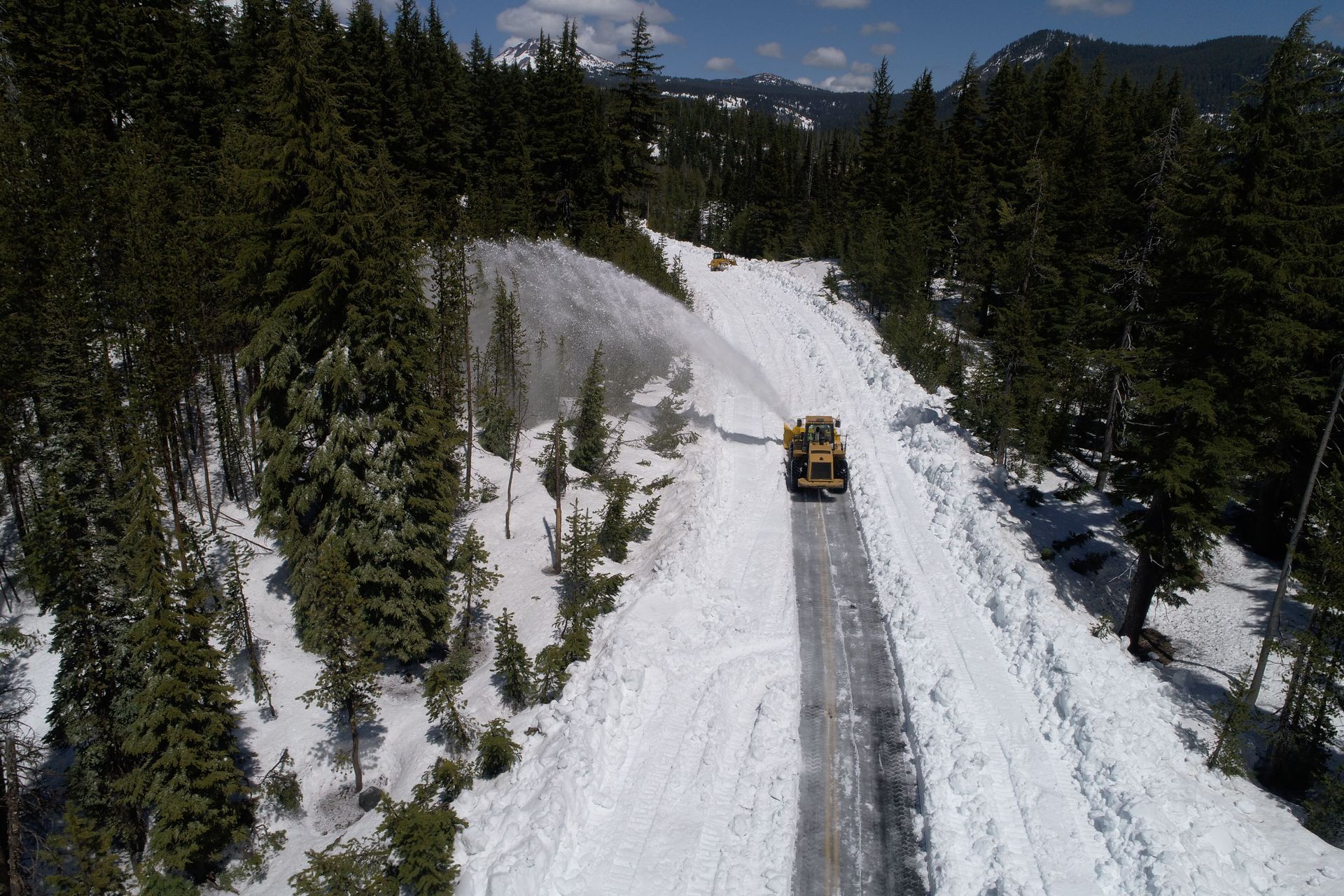
The foundation of sustainable snow management begins with thoughtful snow pile placement during plowing operations. Every property has zones that are more environmentally sensitive than others, and professional snow management requires identifying and avoiding these areas. Storm drains and catch basins must never be blocked or immediately adjacent to snow piles, as this creates a direct pathway for contaminated meltwater to enter waterways without any opportunity for natural filtration or treatment.
Similarly, snow should never be piled within the dripline of valuable trees or adjacent to sensitive vegetation. The salt, chemicals, and physical weight of snow piles can cause lasting damage to mature landscaping that represents significant property value. Buffer zones of at least ten to fifteen feet from tree bases, shrub beds, and landscape features help protect these investments while still allowing efficient snow storage. Property managers working with experienced snow management professionals should expect detailed site-specific plans that identify optimal snow storage locations based on topography, drainage patterns, landscaping, and building access requirements.
Beyond avoiding sensitive areas, strategic placement means considering the ultimate fate of meltwater. Ideally, snow piles should be located where meltwater can infiltrate through soil rather than flowing across impervious surfaces directly to storm drains. Positioning piles in areas with good drainage, away from slopes that would accelerate runoff, and on surfaces that allow natural filtration helps leverage nature's ability to process and clean water before it reaches larger water systems. This approach not only reduces environmental impact but also minimizes standing water and ice formation as piles melt, maintaining safer conditions throughout the thaw cycle.
On-Site Snow Storage Solutions
For many commercial properties, particularly those with adequate space and appropriate site characteristics, on-site snow storage represents the most sustainable disposal option. Keeping snow on the property eliminates transportation impacts, provides greater control over where and how snow melts, and reduces the cumulative environmental burden on municipal snow disposal sites. However, successful on-site storage requires careful planning and site-specific strategies that account for total snow volume capacity, melt patterns, and property use requirements throughout the winter season.
The ideal on-site storage location features permeable or semi-permeable surfaces that allow meltwater to infiltrate gradually rather than creating immediate runoff. Areas with existing vegetation, such as turf or ground cover in low-traffic zones, can provide natural filtration as water percolates through soil. These bio-retention areas help capture sediment, reduce pollutant concentrations, and recharge groundwater supplies—turning a disposal challenge into an environmental benefit. Property managers should work with their snow management provider during pre-season planning to identify and prepare these areas, potentially enhancing them with appropriate drainage amendments or temporary berms to contain and direct meltwater.
Volume management is critical for on-site storage success. A comprehensive site plan must account for cumulative snowfall throughout the season, including the potential for multiple significant snow events. Properties must designate primary and secondary storage areas to accommodate unusual snow years, with contingency plans for snow relocation if storage capacity is exceeded. Professional snow management services should provide volume calculations and monitoring to ensure properties never reach critical capacity, which could compromise safety, access, or environmental compliance. This proactive approach prevents crisis management scenarios where emergency off-site disposal becomes necessary under less-than-ideal conditions.
Responsible Off-Site Snow Disposal
When property constraints, excessive snow volumes, or operational requirements necessitate off-site disposal, selecting appropriate disposal locations becomes paramount. Responsible snow management providers utilize only properly permitted and environmentally compliant snow disposal sites—never unauthorized locations such as empty lots, undeveloped areas, or directly into water bodies, all of which may violate environmental regulations and expose property owners to liability. Legitimate snow disposal facilities are specifically designed and operated to manage contaminated snow meltwater, featuring engineered drainage systems, sediment traps, and often connections to municipal wastewater treatment systems that can process the pollutant load.
Documentation and compliance tracking are essential components of responsible off-site disposal. Property managers should expect their snow management provider to maintain detailed records of disposal locations, volumes transported, and dates of service. This documentation serves multiple purposes: it demonstrates regulatory compliance, provides liability protection in the event of environmental incidents, and offers data for seasonal planning and cost management. For organizations managing multi-property portfolios across the I-5 corridor, having a snow management partner with established relationships with approved disposal sites throughout the service area ensures consistent, compliant practices regardless of property location. This consistency is particularly valuable for corporate clients with environmental responsibility goals and reporting requirements.
Advanced De-icing Strategies
The evolution toward more sustainable snow management has driven significant innovation in de-icing materials and application strategies. While traditional chloride-based de-icers remain the workhorses of winter maintenance due to their effectiveness and economy, environmentally progressive snow management increasingly incorporates alternative materials in strategic applications. Calcium magnesium acetate and potassium acetate, though more expensive than rock salt, offer significantly reduced environmental impact for use in sensitive areas near landscaping, building entrances, or near water features. These organic compounds are biodegradable, less corrosive to infrastructure, and dramatically less harmful to vegetation, making them ideal for targeted use where environmental benefits justify premium costs.
Equally important as material selection is precision in application. Advanced snow management operations have moved away from the 'more is better' philosophy that historically characterized de-icer use. Modern application techniques focus on optimization—using precisely the amount of material necessary to achieve safe conditions, applied at the right time and in the right locations. This approach not only reduces environmental impact and material costs, but actually improves effectiveness by preventing the waste associated with over-application and the reduced traction caused by excess material buildup.

Technology plays an increasingly central role in optimizing de-icer application. GPS-enabled application equipment allows operators to track exactly where and how much material has been applied, preventing both gaps in coverage and wasteful overlap. Real-time weather data integration enables pre-treatment strategies that use minimal material to prevent ice bonding, rather than requiring heavier applications to break existing ice. Some advanced systems even adjust application rates automatically based on surface temperature, precipitation type, and pavement conditions. These technological capabilities, when deployed by trained professionals, represent the cutting edge of environmentally responsible winter maintenance, delivering superior safety outcomes with reduced environmental footprint.
Invictus Snowfighters: A First Responder Approach to Environmental Responsibility
Integrated Eco-Conscious Planning
At Invictus Snowfighters, environmental responsibility isn't an afterthought or a marketing add-on—it's woven into the fabric of how we approach every aspect of snow and ice management from initial client consultation through end-of-season closeout. Our 'first responder' philosophy recognizes that being truly prepared means planning not just for immediate snow events, but for the complete lifecycle of winter maintenance, including the responsible management of displaced snow and the minimization of environmental impacts throughout the process.
This commitment begins with comprehensive pre-season site assessments that go far beyond measuring parking lot dimensions and identifying plowing routes. Our team evaluates each property's unique environmental characteristics—drainage patterns, proximity to sensitive water features, existing vegetation worth protecting, soil types affecting infiltration capacity, and regulatory requirements specific to the location. This environmental mapping informs every operational decision throughout the winter season, from establishing primary and contingency snow storage zones to determining optimal de-icer application strategies for different areas of the property.
For our multi-property commercial clients managing portfolios across the Pacific Northwest I-5 corridor, this site-specific environmental planning delivers consistency and scalability that would be impossible to achieve working with multiple regional contractors. Whether properties are in Portland, Seattle, or points between, Invictus applies the same rigorous environmental standards and planning methodology, adapted to local conditions and regulations. This unified approach simplifies compliance tracking, ensures consistent corporate environmental responsibility practices across the entire portfolio, and provides centralized documentation that satisfies both internal sustainability goals and external regulatory requirements.
Technology for Precision and Performance
The integration of advanced technology into snow management operations represents one of the most significant opportunities to simultaneously improve service quality and reduce environmental impact. Invictus Snowfighters has invested heavily in technological capabilities that enable unprecedented precision in material application, comprehensive documentation for liability protection, and real-time communication that keeps property managers informed and in control.
Our geo-fencing technology exemplifies this technology-enabled approach. By creating virtual boundaries around properties and specific zones within properties, our systems track exactly where equipment operates, when services are performed, and how much material is applied in each area. This precision prevents wasteful over-application of de-icers—a common problem with less sophisticated operations—while ensuring complete coverage of critical areas. The environmental benefits are substantial: reduced chemical runoff into storm systems, less salt damage to adjacent landscaping, and lower overall pollutant loading from each property we service.
Beyond environmental benefits, this technological infrastructure provides property managers with the detailed documentation increasingly required for legal preparedness in our litigious environment. Time-stamped service records with GPS verification, photographic documentation of conditions before and during service, and precise material application logs create a comprehensive record that protects clients from slip-and-fall liability while simultaneously demonstrating environmental compliance. This dual-purpose approach—serving both risk management and environmental stewardship—exemplifies the sophisticated, professional service model that distinguishes Invictus from conventional landscape contractors offering snow removal as a seasonal side business.
Client Benefits: Peace of Mind and Compliance
The ultimate value of Invictus Snowfighters' environmentally responsible approach manifests in the peace of mind it delivers to commercial property managers navigating the complex intersection of safety obligations, liability concerns, and environmental responsibility. When you partner with Invictus, you're not simply hiring a vendor to push snow around—you're engaging a professional service that understands the stakes involved and takes comprehensive accountability for outcomes.
Our professional communication standards ensure that property managers are never left wondering about service status or decision-making. During active snow events, real-time updates keep you informed as services progress. When unexpected challenges arise—unusual accumulations, equipment needs, or site-specific complications—you have direct access to decision-makers who can respond immediately. This 'give it to Brad, he'll fix it' reliability that our clients value isn't just about convenience; it's about having confidence that someone competent is managing every detail, including the environmental considerations that might not be visible but carry real consequences.
For organizations managing multi-property portfolios, the economies of scale we provide extend beyond simple cost savings to encompass operational efficiency and risk reduction. Having a single, capable partner managing snow services across Portland, Seattle, and the entire I-5 corridor eliminates the fragmentation that plagues this industry below the national sourcing level. Consistent environmental practices, unified documentation standards, centralized communication, and coordinated resource deployment all contribute to a smoother, more professional operation. Our substantial equipment procurement capabilities mean that service quality and environmental standards never suffer due to equipment shortages—a common problem during major snow events when competitors are scrambling to subcontract work. At Invictus, we own the outcomes, and that ownership includes the environmental legacy of our operations.
Beyond Disposal: A Holistic View of Eco-Friendly Snow Management
While sustainable snow disposal practices form the cornerstone of environmentally responsible winter maintenance, truly comprehensive environmental stewardship extends to every aspect of snow management operations. Equipment maintenance practices significantly influence environmental impact through emissions, fluid leaks, and fuel consumption. Professional snow management services maintain equipment to manufacturer specifications, conduct regular inspections to identify and address potential issues before they become environmental problems, and increasingly incorporate newer equipment with improved emissions profiles and fuel efficiency.
Post-season cleanup represents another often-overlooked environmental responsibility. Thorough spring cleanup removes accumulated sand, salt residue, and debris before it can be washed into storm systems with spring rains. Sweeping parking areas, flushing catch basins, and inspecting for winter-related damage to drainage infrastructure all contribute to minimizing the lasting environmental footprint of winter operations. For vegetation damaged by salt exposure or physical snow management activities, prompt remediation—whether through targeted fertilization, soil amendment, or selective plant replacement—helps properties recover quickly and prevents lasting degradation of landscaped areas.

Environmental responsibility in snow management must be viewed as an ongoing commitment rather than a checklist of isolated actions. It requires staying informed about evolving best practices, being willing to adopt new technologies and materials as they become available and practical, and maintaining a culture of environmental awareness among all team members who touch winter maintenance operations. For property managers selecting snow management partners, seeking providers who demonstrate this sustained commitment—through training programs, continuous improvement initiatives, and transparent communication about environmental practices—ensures that your properties benefit from the latest thinking and most effective approaches in sustainable winter maintenance.
Conclusion: Partnering for a Sustainable, Safe Winter
As we've explored throughout this discussion, sustainable snow disposal and environmental responsibility in winter maintenance represent far more than regulatory compliance or corporate image management. These practices directly impact the long-term health of the communities where we operate, the safety and appearance of the properties we serve, and increasingly, the liability exposure of property managers and business owners who must answer for the environmental consequences of their operational choices.
The path forward requires partnership with snow management professionals who view their role as comprehensive stewardship rather than transactional service delivery. At Invictus Snowfighters, our first responder approach to snow and ice management means being prepared not just for the immediate challenges of winter weather, but for the complete responsibility that comes with managing how displaced snow, applied de-icers, and operational activities impact the environment. This preparation—rooted in detailed planning, enabled by advanced technology, and executed by trained professionals—delivers the peace of mind that comes from knowing every aspect of winter maintenance is handled with the same attention to environmental responsibility as to safety and access.
For commercial property managers navigating the fragmented snow management market in the Pacific Northwest, the choice of partner carries implications that extend well beyond a single winter season. Choose a partner committed to sustainable practices, equipped with the technology and expertise to deliver them, and accountable for the outcomes across your entire portfolio. Choose a partner who recognizes that professional snow and ice management means protecting not just your properties and their users, but also the environmental resources we all depend on. When winter comes, Invictus Snowfighters stands ready—with equipment, expertise, and environmental commitment—to deliver the superior service your properties deserve and the responsible practices our communities require.
Recent Posts