Best Practices for Maintaining Safe Commercial Walkways During Winter
Brad Caton • February 7, 2026
Winter weather transforms commercial properties into potential liability hazards within hours. For property managers overseeing portfolios across the Pacific Northwest, the stakes are particularly high. Between Portland's occasional ice storms and Seattle's unpredictable snow events, maintaining safe walkways isn't just about customer service—it's about protecting your business from devastating legal and financial consequences.
The reality is stark: slip-and-fall incidents on icy walkways result in thousands of injuries annually, with the average settlement reaching well into six figures. Beyond the immediate costs, these incidents damage your reputation, disrupt operations, and can lead to increased insurance premiums that persist for years. Property managers who treat winter walkway maintenance as an afterthought quickly discover how expensive that mindset becomes.
Yet many commercial properties still approach snow and ice management with a reactive mentality, waiting for accumulation before taking action. This outdated approach leaves dangerous gaps in protection—particularly during the critical overnight hours when black ice forms silently, creating invisible hazards for your early morning staff and customers. The question isn't whether you can afford professional winter walkway management; it's whether you can afford not to have it.
The Critical Importance of Safe Commercial Walkways in Winter
Black ice represents one of the most insidious threats to pedestrian safety on commercial properties. Unlike visible snow accumulation, this transparent layer of ice forms when temperatures hover near freezing, creating a nearly invisible hazard that catches pedestrians completely off guard. Property managers across the Pacific Northwest know this danger well—the region's moderate winter temperatures create perfect conditions for black ice formation, particularly in shaded areas, building entrances, and locations with poor drainage.
The statistics paint a sobering picture. According to the National Safety Council, falls on ice and snow cause more than one million injuries each year in the United States, with a significant portion occurring on commercial properties. These aren't minor incidents—they result in broken bones, head trauma, spinal injuries, and in severe cases, permanent disability or death. Each incident carries the potential for litigation, with settlements and jury awards often exceeding $500,000 when negligence is proven.
From a legal standpoint, property owners and managers have a duty of care to maintain safe premises. This obligation doesn't disappear when winter weather arrives—in fact, it intensifies. Courts consistently hold property owners liable when they fail to take reasonable steps to prevent foreseeable injuries. This includes not only removing snow and ice but also documenting your efforts, maintaining records of weather conditions, and demonstrating that you followed industry best practices. A single unaddressed icy patch can unravel years of careful business building.
The impact extends far beyond the courtroom. A slip-and-fall incident can damage your relationship with tenants, deter potential customers, and tarnish your property's reputation within the community. News of safety issues spreads quickly, particularly in our connected world where negative reviews and social media posts can reach thousands within hours. For property managers handling multiple locations, a safety incident at one site can cast doubt on the management quality across your entire portfolio, making winter walkway safety a business-critical priority that demands professional attention.
Proactive Planning: Your First Line of Defense Against Winter Hazards
The most successful winter safety programs begin months before the first snowflake falls. Conducting a comprehensive site assessment during fall allows you to identify potential problem areas while you still have time to address them. Walk your property with fresh eyes, looking for drainage issues that could create ice dams, high-traffic zones that will require priority attention, and architectural features that might channel water into pedestrian areas. Pay particular attention to building entrances, loading docks, parking lot transitions to walkways, and any slopes or ramps where ice accumulation poses heightened risks.
These seasonal assessments reveal patterns that aren't obvious during warmer months. That slight depression in the pavement that holds water? It becomes a sheet of ice overnight when temperatures drop. The decorative landscaping near your entrance? It might create shade pockets where ice persists long after sunny areas have melted. The downspout that drains perfectly in summer rain? It could be directing water directly across your main walkway, creating a continuous ice formation zone throughout winter. Identifying these issues early allows you to implement drainage improvements, adjust snow piling locations, or designate areas for enhanced treatment before they become liability issues.
A comprehensive winter safety plan documents every aspect of your snow and ice management strategy. This plan should clearly define who is responsible for monitoring weather conditions, at what thresholds action should be taken, which areas receive priority treatment, what materials and equipment will be deployed, and how you'll verify that work has been completed to standard. The plan must also establish communication protocols—how will your team be notified of incoming weather? How will they report completion of snow removal tasks? How will you communicate with tenants and visitors about temporary hazards or access changes?
Pre-treating surfaces before winter storms arrive provides an additional layer of protection, particularly for high-traffic areas. Anti-icing strategies involve applying liquid de-icing agents to pavement before precipitation falls, preventing ice from bonding to the surface and making subsequent snow removal significantly easier. This proactive approach is far more effective than trying to break through ice that has already formed a strong bond with the pavement. However, pre-treatment requires accurate weather monitoring and the ability to mobilize quickly—capabilities that separate professional snow management services from general contractors who treat winter work as a sideline. The investment in proactive planning pays dividends throughout winter, reducing both risk and the total cost of snow and ice management through increased efficiency and prevention of costly incidents.

Effective Ice Management Strategies for Commercial Properties
Selecting the appropriate de-icing agent requires understanding both the environmental conditions and the specific needs of your property. Rock salt (sodium chloride) remains the most common choice due to its cost-effectiveness, but it has significant limitations. It becomes ineffective below 15°F, causes corrosion to concrete and metal surfaces, and damages landscaping when spring arrives. For the Pacific Northwest's typically moderate winter temperatures, rock salt often works adequately, but property managers need backup options for those occasional deep freeze events that push temperatures into single digits.
Calcium chloride offers superior performance in extreme cold, remaining effective down to -25°F and generating its own heat as it dissolves, which accelerates the melting process. However, it comes at a higher price point and can be more corrosive to concrete if over-applied. Magnesium chloride provides a middle ground—it's less corrosive than calcium chloride, more environmentally friendly than rock salt, and works effectively in temperatures as low as 5°F. Many professional snow management companies use blends that combine the cost-effectiveness of rock salt with the enhanced performance of these premium products, adjusting the mixture based on current weather conditions and specific site requirements.
Strategic application makes all the difference between effective ice management and wasted resources. Simply dumping material on ice rarely produces optimal results. Professional applicators understand that different areas require different treatment rates—building entrances with high foot traffic need more generous application, while less-trafficked zones can be treated more conservatively. Timing matters enormously as well. Applying de-icers before ice forms (anti-icing) requires far less material and produces better results than waiting until an ice sheet has developed. The industry standard calls for liquid pre-treatment at 10-30 gallons per lane mile for anti-icing, versus 100-300 pounds of granular material per lane mile for de-icing existing ice—a dramatic difference in both material costs and effectiveness.
This is where Invictus Snowfighters' "First Responder Units" concept becomes a game-changer for commercial properties. Rather than waiting for a central dispatcher to route trucks during a storm event, Invictus positions strategic resources directly on or near your property. Picture a 40-foot container stocked with ice melt, equipment, and supplies—essentially a forward operating base for winter safety. When conditions deteriorate overnight or a sudden freeze creates black ice, response time isn't measured in hours but in minutes. Your property manager isn't making frantic calls hoping someone can squeeze you into an overloaded schedule; instead, your dedicated resources are already on-site and ready to deploy.
This proactive approach addresses one of the most common complaints property managers have about traditional snow removal services—delayed response times. When a single contractor is trying to service dozens of properties during a major storm, someone ends up waiting, and that someone might be you at the worst possible moment. Invictus's First Responder model ensures your property receives immediate attention when it matters most. The units also enable sustained treatment throughout multi-day storm events, allowing continuous monitoring and reapplication as conditions change, rather than a single treatment followed by hours of neglect. For property managers overseeing high-traffic commercial sites or locations with particular liability concerns, this level of responsiveness and sustained attention provides both operational advantages and critical peace of mind.
Optimizing Snow Removal for Pedestrian Safety
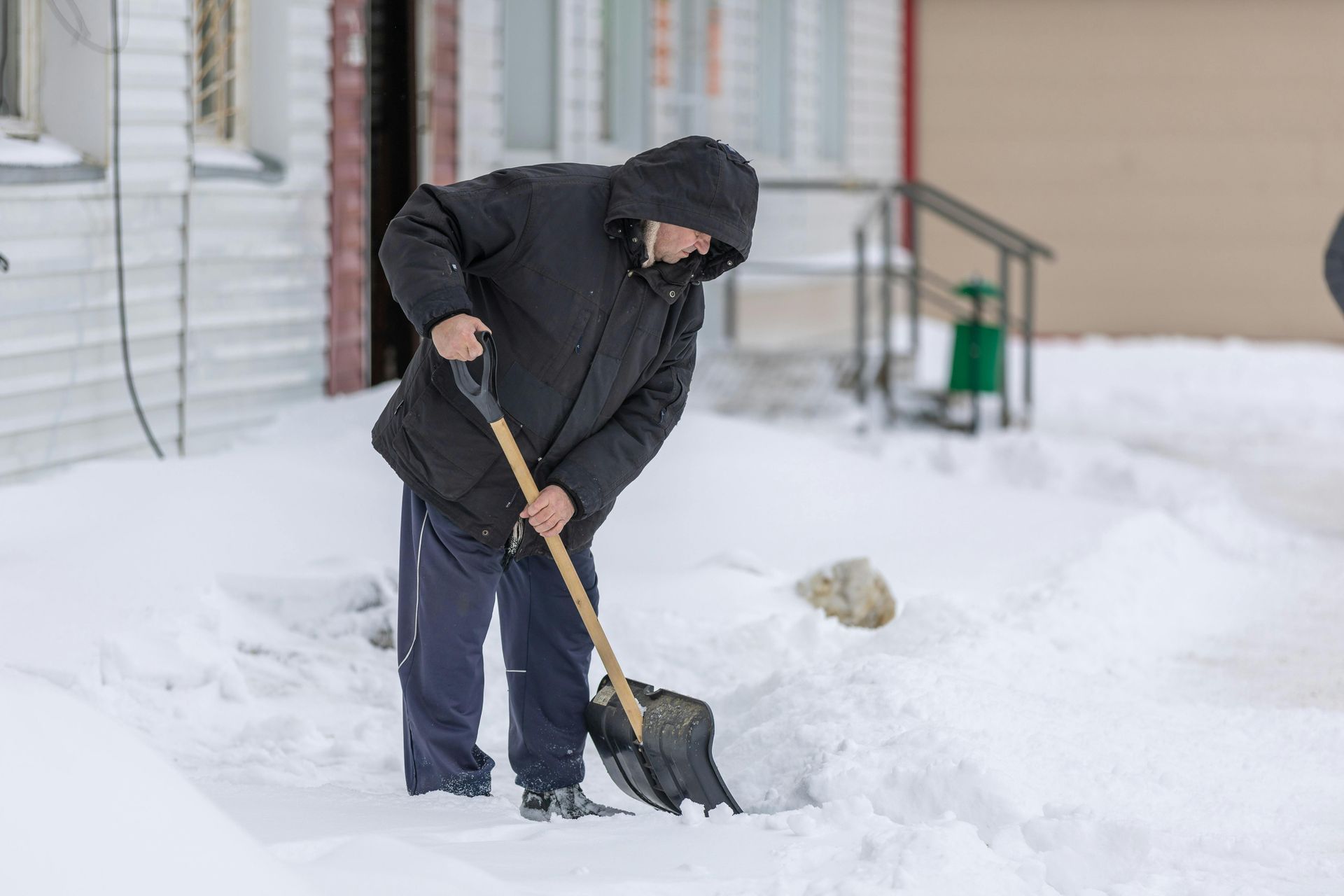
Timing separates adequate snow removal from professional-grade service. Every hour that snow remains on walkways increases the likelihood it will be compressed by foot traffic into a dense, slippery layer that's exponentially harder to remove. Once this compaction occurs, even aggressive mechanical removal struggles to restore walkways to bare pavement—and anything less than bare pavement creates ongoing slip hazards. The professional standard calls for beginning snow removal operations when accumulation reaches two inches, and for maintaining continuous clearing operations during extended storm events. Waiting for the storm to end before starting work is a recipe for compacted snow, ice formation, and potential liability.
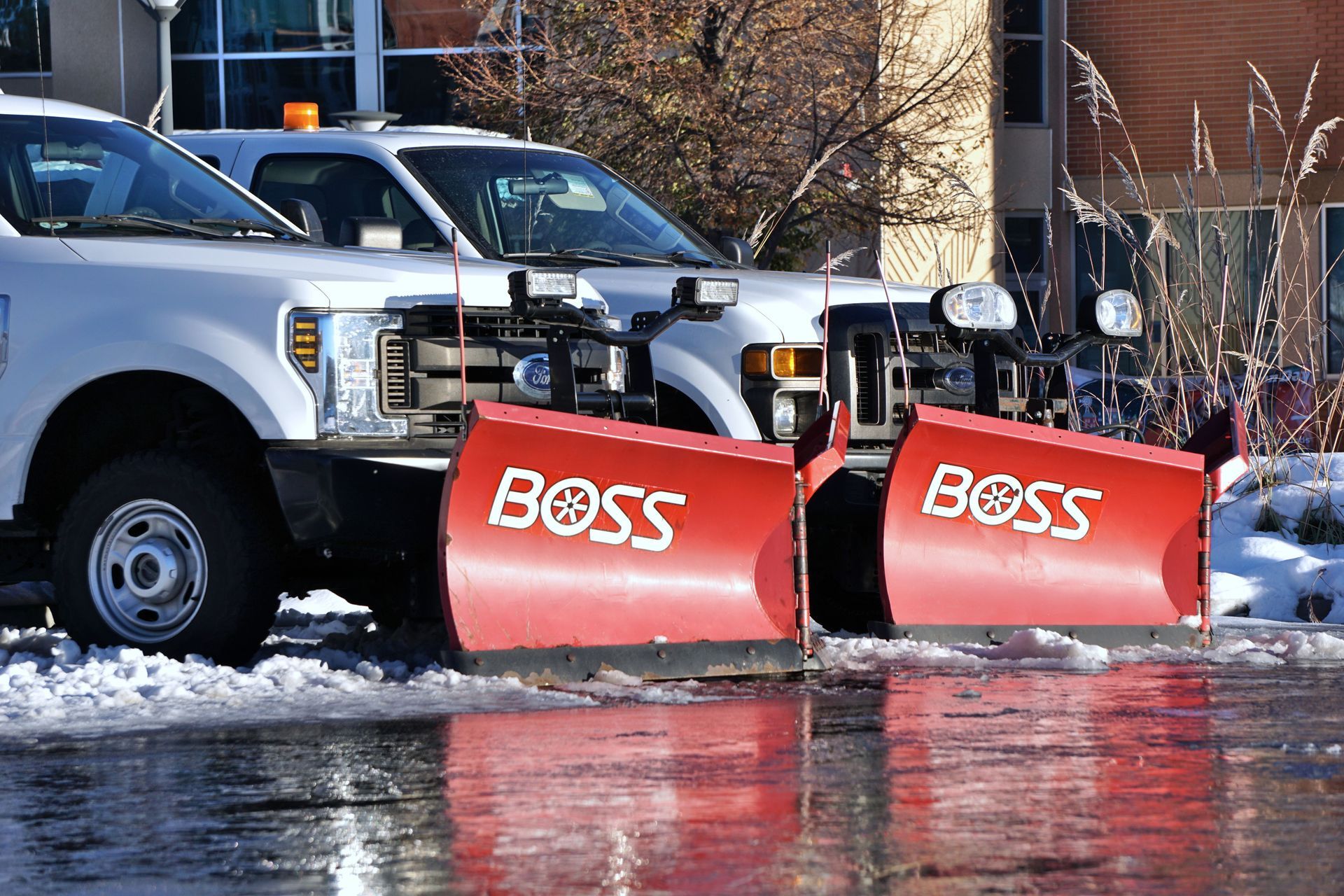
Proper snow clearing means removing snow down to the bare pavement surface, not just scraping off the top layers. Half-measures create a false sense of security while leaving a thin layer of snow that quickly becomes ice as it's compressed and refreezes. Professional snow removal operators use the right equipment for each application—wider pushers for open areas like parking lots, smaller equipment for confined walkways, and hand tools for areas around obstacles and building features. They also understand that different surfaces require different approaches. Heated walkways need different treatment than standard concrete, decorative pavers are more delicate than asphalt, and areas with underground utilities may have restrictions on equipment weight.
Snow piling strategy might seem like an afterthought, but improper piling creates new hazards while solving old ones. Snow should never be piled in ways that block visibility at intersections, obscure signage, or restrict access to emergency exits and fire hydrants. It shouldn't be piled against building foundations where melting can create water intrusion issues, or in drainage pathways where it will create flooding when temperatures rise. Strategic piling considers both the immediate storm and the long-term implications—piling snow in areas that receive sunlight accelerates melting, while shaded piles can persist for weeks, slowly releasing meltwater that refreezes each night into new ice patches. Professional operators plan their piling strategy before the first storm arrives, identifying designated snow storage areas that minimize risk and maximize efficiency.
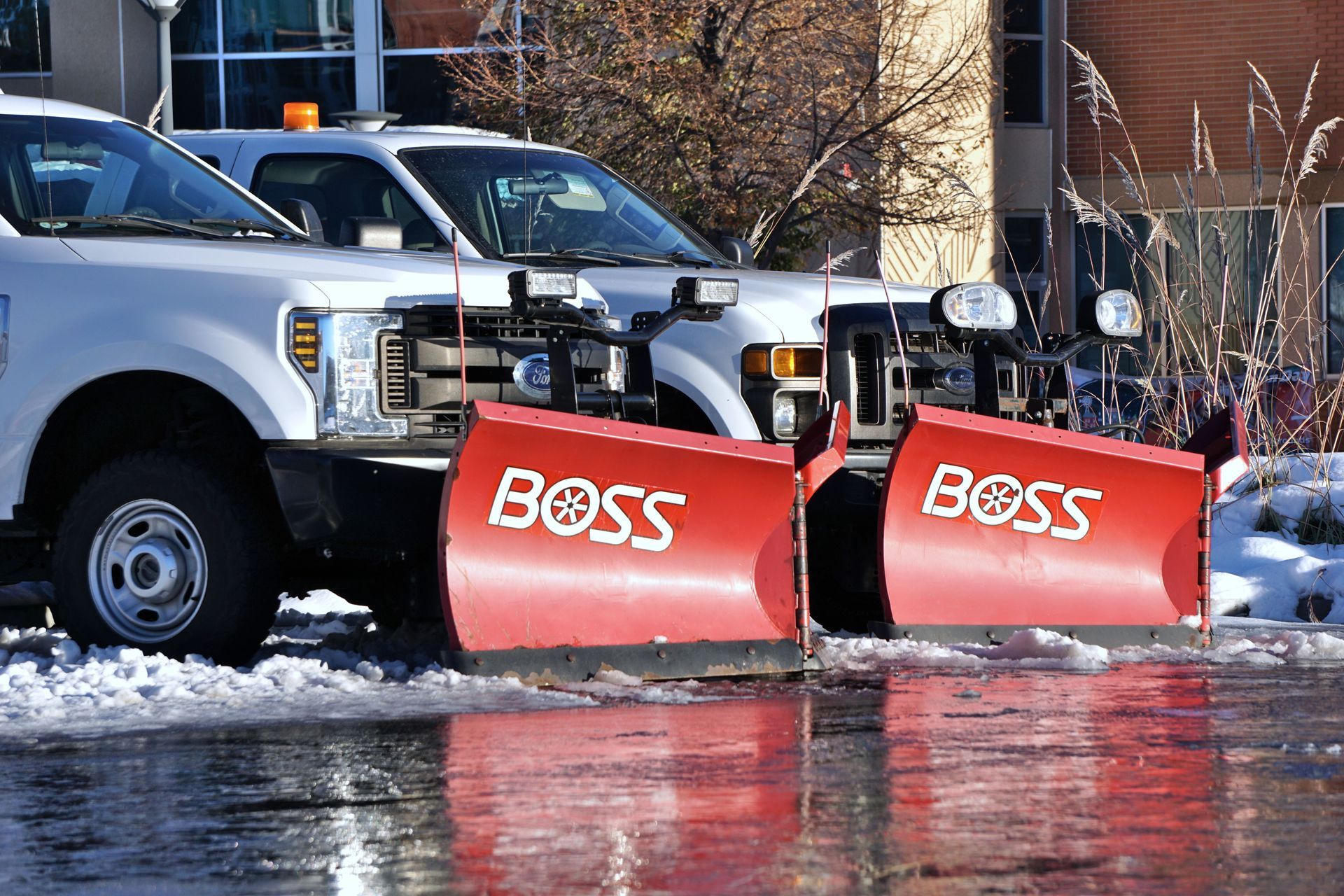
Equipment and skilled manpower represent the foundation of reliable snow removal service. This is where many property managers discover the harsh reality that snow removal isn't just "anyone with a plow truck." Professional-grade snow management requires specialized equipment that's properly maintained, operators who understand the nuances of different properties and conditions, and sufficient resources to service all contracted properties without leaving anyone waiting. Invictus Snowfighters addresses this challenge through strategic equipment procurement and maintenance programs that ensure reliability when it matters most. Their approach to equipment goes beyond simply owning plows—it encompasses backup systems, rapid-deployment capabilities, and the logistical infrastructure to keep equipment operational throughout extended storm events when other contractors are sidelined by mechanical failures.
Leveraging Technology for Enhanced Winter Safety and Liability Protection
Modern technology has revolutionized snow and ice management, transforming it from a reactive, documentation-light service into a precision operation with comprehensive verification. Geo-fencing technology allows property managers to establish virtual boundaries around their properties, with GPS-enabled equipment automatically recording when service vehicles enter and exit these zones, how long they remain on-site, and the exact areas they service. This technology eliminates the age-old question of "did they actually plow my property?" by providing objective, timestamp-verified evidence of service delivery. For property managers overseeing multiple locations, geo-fencing enables real-time monitoring of which properties have been serviced, which are currently being treated, and which are next in queue—bringing unprecedented visibility to winter operations.
Real-time monitoring extends beyond simple location tracking to provide actionable intelligence about weather conditions, surface temperatures, and treatment effectiveness. Advanced systems incorporate weather station data, road sensors, and predictive modeling to forecast when and where ice will form, allowing preemptive treatment before hazards develop. Some systems even monitor pavement temperatures at multiple locations across a property, identifying microclimates where ice forms earlier or persists longer than surrounding areas. This granular data enables targeted treatment that maximizes effectiveness while minimizing material use and environmental impact.
Documentation represents your primary defense against slip-and-fall litigation. When an incident occurs months or even years after a storm event, detailed records become crucial evidence demonstrating that you fulfilled your duty of care. Comprehensive documentation should include timestamped photos showing conditions before and after treatment, service reports detailing what materials were applied and where, weather data confirming the conditions your team faced, and communication logs showing when decisions were made and actions were taken. Modern systems automate much of this documentation, with service vehicles automatically capturing geo-tagged photos, GPS tracks creating audit trails, and integrated platforms compiling all data into defensible reports that can withstand legal scrutiny.
Invictus Snowfighters has embraced these technologies as core components of their service delivery model, recognizing that property managers need more than just plowed walkways—they need documentation and peace of mind. Their geo-fencing systems provide clients with portal access to view real-time service delivery, review historical records, and download documentation for their files or legal proceedings. This transparency builds trust and provides the evidence property managers need to demonstrate due diligence to tenants, insurance carriers, and courts. In an era where smartphone videos of icy conditions can go viral within hours, having professional documentation of your winter safety efforts isn't just good practice—it's essential business protection. The investment in technology pays for itself the first time you face a liability claim and can produce comprehensive evidence of your diligent winter management efforts.
The Invictus Advantage: Comprehensive Winter Walkway Safety for the PNW
Geography matters enormously in snow and ice management, and Invictus Snowfighters occupies a unique position in the Pacific Northwest market. They're the only company with boots on the ground serving the entire I-5 corridor from Portland through Seattle and extending into international areas. For property managers overseeing multi-property portfolios across this region, this geographic reach eliminates the complexity of coordinating with multiple local contractors, each with different standards, communication styles, and reliability levels. Instead, you work with a single provider who delivers consistent service quality across all your properties, using standardized protocols and integrated communication systems.
This geographic scope creates substantial advantages through economy of scale. When you consolidate your winter management needs across multiple properties with Invictus, you're not just buying snow removal—you're buying organizational efficiency, volume purchasing power on materials, and strategic resource allocation that would be impossible to achieve with fragmented local contractors. The savings extend beyond direct costs to include reduced administrative burden, simplified billing and reporting, and the ability to implement portfolio-wide safety standards rather than managing each property as an independent project. For property management companies looking to streamline operations while improving service quality, this consolidation represents a significant competitive advantage.
Professional communication sets Invictus apart in an industry where poor communication is the norm. They understand that property managers need more than just plowed snow—they need responsive partners who answer calls, provide status updates without being chased, and take ownership of problems rather than making excuses. The "give it to Brad, he'll fix it" reputation they've built reflects a commitment to customer service that transcends typical contractor relationships. When issues arise—and in winter operations, issues inevitably arise—property managers can rely on direct access to decision-makers who have the authority and willingness to deploy resources to solve problems immediately.
The First Responder business philosophy that guides Invictus operations draws inspiration from emergency services rather than traditional contracting. Just as fire departments position resources throughout communities to ensure rapid response, Invictus positions equipment, materials, and personnel strategically to minimize response times when conditions deteriorate. Their investment in on-site First Responder units, robust equipment fleets, and advanced monitoring technology all serve a single goal: ensuring your properties receive immediate, effective winter safety management regardless of how severe the storm or how many properties are affected simultaneously. This approach requires substantial capital investment and operational sophistication that separates Invictus from general contractors who treat snow removal as seasonal side work. For property managers who view winter walkway safety as a core business risk rather than a routine maintenance task, partnering with a provider who shares this mindset makes the difference between confident management and sleepless nights worrying about liability exposure.

Conclusion: Partnering for Pristine and Safe Commercial Walkways
Winter walkway safety demands more than reactive snow removal—it requires a comprehensive, professionally managed approach that combines proactive planning, strategic ice management, reliable snow removal operations, and advanced technology for documentation and verification. The liability risks are too substantial, the operational complexities too significant, and the margin for error too narrow to entrust these critical responsibilities to underprepared contractors or internal staff lacking specialized expertise and equipment.
For commercial property managers across the Pacific Northwest, partnering with Invictus Snowfighters provides the comprehensive solution your properties deserve. Their unique geographic reach, First Responder operational model, and commitment to professional service delivery address every critical pain point property managers face during winter months. Don't wait for a slip-and-fall incident to reveal gaps in your winter safety program—take proactive steps now to ensure your walkways remain safe, your liability remains minimized, and your properties continue operating smoothly regardless of what Pacific Northwest winters deliver. Contact Invictus Snowfighters today to discuss how their comprehensive winter walkway safety solutions can protect your properties, your people, and your peace of mind throughout the challenging winter season ahead.
Recent Posts