




How to Conduct a Pre-Winter Site Assessment for Optimal Snow Removal Planning
Brad Caton • January 29, 2026
When winter weather arrives in the Pacific Northwest, the stakes for commercial property managers escalate dramatically. A single untreated icy walkway can result in devastating slip-and-fall injuries, costly litigation, and reputational damage that reverberates far beyond a single incident. Business continuity hangs in the balance when parking lots become impassable or loading docks are buried under snow. Yet despite these high stakes, many organizations approach winter preparedness reactively—scrambling for snow removal services after the first flakes fall, rather than implementing systematic, proactive planning that ensures their properties remain safe, accessible, and operational throughout the winter season.
A comprehensive pre-winter site assessment forms the foundation of effective snow and ice management. This detailed evaluation—conducted before winter weather arrives—identifies vulnerabilities, establishes protocols, and creates a customized response strategy tailored to your property's unique characteristics and operational requirements. Far from being a perfunctory checklist exercise, a thorough assessment represents the difference between professional winter management and crisis-driven reactions that leave safety and liability exposure to chance.
At Invictus Snowfighters, our 'first responder' approach to snow and ice management begins long before the first snowfall. We recognize that true preparedness—the kind that delivers peace of mind and protects both people and property—requires meticulous planning, site-specific strategies, and the professional expertise to anticipate challenges before they materialize. Understanding what comprises a comprehensive pre-winter assessment helps property managers recognize the sophistication required for effective winter management and identify partners equipped to deliver it.
The Core Components of a Comprehensive Site Inspection
Mapping Critical Areas: High-Traffic Zones and Vulnerable Spots
Every commercial property has areas that demand priority attention during winter weather events, and identifying these zones with precision forms the cornerstone of effective snow removal planning. High-traffic pedestrian pathways—main entrances, routes between parking areas and buildings, frequently used sidewalks—require immediate attention during any snow or ice event, as these represent the highest risk exposure for slip-and-fall incidents. Loading docks and delivery areas that must remain accessible for business operations cannot be afterthoughts in your snow management strategy; these functional areas often require specialized attention due to their configuration and the heavy vehicle traffic they accommodate.
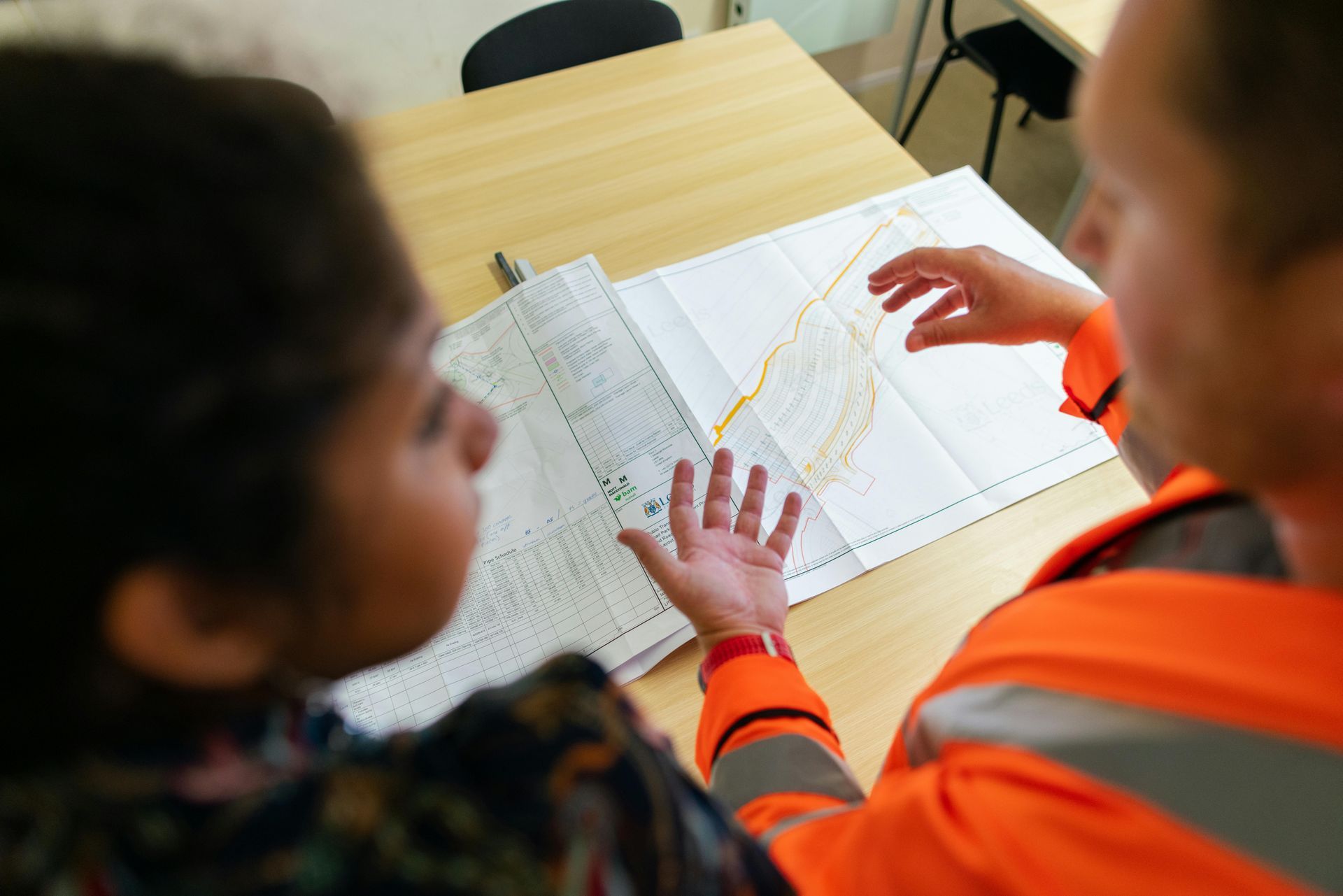
A professional pre-winter assessment documents every critical zone with detailed notes on surface conditions, typical usage patterns, and priority rankings that will guide response during actual events. Fire lanes and emergency vehicle access routes receive special designation, as their accessibility can literally be a matter of life and death. Handicap parking spaces and accessible routes demand not just clearing but maintaining compliance with ADA requirements throughout the winter season. For properties with multiple buildings or complex layouts, mapping these priority areas creates a clear visual reference that eliminates confusion during the urgency of active snow events.
Beyond high-traffic zones, thorough assessments identify vulnerable spots where ice formation presents persistent challenges. North-facing surfaces that receive limited sun exposure remain frozen longer, creating extended hazard windows. Areas beneath building overhangs where snow melts and refreezes overnight become treacherous ice patches by morning. Transitions between heated and unheated spaces—such as the threshold between interior lobbies and exterior loading areas—create perfect conditions for black ice formation that can persist even after surfaces appear clear. Professional snow management providers document these vulnerable locations and develop targeted treatment strategies that address their specific characteristics, rather than applying generic approaches that leave gaps in coverage.
Drainage and Runoff Analysis: Preventing Black Ice
Black ice—that nearly invisible, extraordinarily slippery coating that forms when water freezes on pavement—represents one of the most dangerous hazards property managers face during winter operations, and it often develops in predictable locations that can be identified during pre-season assessments. Understanding drainage patterns on your property reveals where water naturally flows, pools, or crosses frequently used surfaces—each representing a potential black ice formation site when temperatures drop below freezing. Low spots in parking lots where water accumulates, areas where roof runoff crosses walkways, poorly graded sections where water doesn't drain properly—all of these become ice hazards without proper attention.
A comprehensive drainage analysis examines every surface from a hydrological perspective, tracing water movement through the property and identifying locations where standing water or runoff will create hazardous conditions. Downspouts that discharge onto walkways, storm drains positioned in pedestrian paths, areas where parking lot runoff crosses sidewalks—these intersections of water flow and human traffic require documentation and specialized treatment protocols. The assessment should note any drainage infrastructure deficiencies that exacerbate ice formation, providing property managers with information to pursue longer-term improvements while developing short-term management strategies.
Slope analysis constitutes another critical element of drainage assessment, as grade affects both water flow and plowing operations. Steep areas require specialized equipment and techniques; they also present higher slip-and-fall risks when icy. Conversely, areas with insufficient grade where water cannot drain properly become persistent problems throughout the winter. Professional assessors use these findings to determine appropriate de-icing strategies for different zones—some areas may require pre-treatment before precipitation, others need post-event application, and particularly problematic locations might warrant physical drainage modifications or enhanced monitoring protocols.
Equipment Access and Snow Staging Locations
Effective snow removal requires more than skilled operators and capable equipment—it demands clear routing plans, adequate maneuvering space, and designated areas where displaced snow can be safely accumulated. During pre-winter assessments, experienced snow management professionals evaluate every aspect of equipment operations, identifying the most efficient clearing patterns, potential obstacles that could impede work, and any site characteristics that necessitate specialized equipment or techniques. Gate widths, overhead clearances, turning radii, weight-bearing capacity of surfaces—these specifications directly influence equipment selection and operational strategies.
Snow staging locations—the designated areas where plowed snow will be piled—require careful consideration based on multiple factors. These locations must be accessible to snow removal equipment, positioned to not interfere with property operations or visibility, and selected with consideration for spring melt patterns and environmental concerns. A property might require multiple staging areas to handle the cumulative snowfall of a typical winter season, with primary locations for initial events and secondary overflow areas for unusually heavy snow years. The assessment should also address scenarios where on-site capacity is exceeded and snow must be removed from the property entirely, identifying haul routes and approved off-site disposal options.
Site access considerations extend beyond normal business hours, as snow removal often occurs during night or early morning hours when properties are closed. Gate codes, lock box locations, key access protocols—all must be documented and confirmed functional before winter weather arrives. For properties with security systems or surveillance, understanding how snow removal activities interface with these systems prevents false alarms and ensures appropriate monitoring. Multi-property portfolio managers benefit significantly from standardized documentation across locations, enabling efficient coordination when snow events require resources to be deployed across multiple sites simultaneously.
Identifying Obstacles and Hazards
Commercial properties contain numerous elements that, while normally visible and easily avoided, become hidden hazards once buried under snow—and damaging these features during snow removal operations creates expensive problems and liability issues. Concrete parking stops, wheel guards, curbs, landscaping edging, irrigation system components, lighting bollards, and signage posts all require documentation during pre-season assessments. Marking these obstacles before winter—with reflective poles, flags, or other indicators that remain visible above snow—protects both the features themselves and the equipment operating around them.
Landscape features present particular challenges in snow management planning. Mature trees with low-hanging branches near plowing routes, ornamental shrubs positioned along walkways, decorative boulders or water features near parking areas—these elements require special notation and handling protocols. The assessment should identify any landscaping that might be damaged by snow piles, salt spray, or equipment operations, enabling proactive protection measures or adjusted clearing patterns. For properties where landscaping represents significant investment and aesthetic value, this planning prevents costly damage and maintains curb appeal throughout winter months.
Underground utilities and infrastructure also warrant careful attention during assessments. Storm drain locations, water shut-off valves, gas meter access points, electrical junction boxes—these features must remain accessible throughout winter for emergency access if needed. Fire hydrants require not only protection from damage but also ensuring they remain visible and accessible to emergency responders. The assessment documents all such features, incorporating them into clearing plans and establishing protocols for maintaining access. This attention to detail exemplifies the difference between professional snow management and casual snow pushing services that treat properties as generic slabs of pavement.
Beyond the Physical: Operational Planning & Documentation
Developing a Tailored Snow Removal Plan
The physical assessment of your property serves as the foundation for developing a customized operational plan that translates site characteristics into actionable service protocols. This planning phase establishes trigger depths—the snow accumulation measurements that activate different levels of response—based on your property's specific needs rather than arbitrary industry standards. A medical facility's main entrance might require plowing at one inch of accumulation, while a warehouse parking area might have a three-inch trigger. These specifications reflect risk tolerance, operational requirements, and the critical nature of different areas within your property.
Service timing represents another crucial planning element that professional pre-winter assessments address explicitly. When do you need services completed—before business hours, overnight, or during specific windows? What happens if snow continues falling after initial clearing? How frequently should properties be monitored during extended winter weather events? These operational parameters get documented in clear service agreements that eliminate ambiguity and ensure aligned expectations. For properties operating 24/7, planning might include continuous monitoring and multiple service visits during prolonged snow events. Retail locations might prioritize weekend and holiday coverage when customer traffic peaks.
The tailored plan also addresses contingencies for unusual circumstances—equipment failures, extreme snow accumulations exceeding normal capacity, or simultaneous events across multiple properties requiring resource allocation decisions. Professional snow management providers develop these contingency protocols during the planning phase, not in the chaos of an actual crisis. This proactive approach ensures that even when facing challenging circumstances, response remains coordinated, professional, and focused on maintaining safety and accessibility. For multi-property clients, portfolio-level planning enables strategic resource deployment, with first responder units and equipment positioned to serve multiple locations efficiently.
Legal Preparedness: The Role of Documentation and Geo-fencing
In our increasingly litigious environment, documentation has evolved from administrative nicety to essential liability protection—and pre-winter planning must address how services will be documented to provide legal defensibility in the event of slip-and-fall claims. Slip-and-fall cases increasingly hinge on proving timely, appropriate response to winter conditions, and the standard of evidence required has become substantially more sophisticated than a simple service invoice. Time-stamped photographs documenting conditions before, during, and after service; GPS tracking showing exactly when and where equipment operated; material application logs recording precise quantities and locations—these forms of documentation create comprehensive records that demonstrate due diligence and professional service delivery.
Geo-fencing technology has emerged as a particularly powerful tool for legal preparedness in snow management operations. By creating virtual boundaries around properties and specific zones within them, geo-fencing systems automatically record when snow removal equipment enters and exits areas, how long operations lasted, and even track material application rates across different sections of a property. This objective, technology-generated evidence provides irrefutable proof of service that carries significantly more weight in legal proceedings than subjective accounts or manual logs that could be questioned or challenged.
Invictus Snowfighters has invested heavily in these documentation technologies specifically to protect our clients from liability exposure. Our systems generate comprehensive service records automatically, without requiring property managers to collect evidence manually or rely on potentially incomplete information. When a slip-and-fall claim arises—and in commercial property management, these are unfortunately not rare events—our clients have immediate access to detailed documentation showing exactly what services were performed, when they occurred, and what conditions existed. This protection represents substantial value that far exceeds any premium for technology-enabled service, potentially saving tens or hundreds of thousands of dollars in a single avoided judgment or settlement.
Communication Protocols: Ensuring Seamless Service
Professional snow management requires clear, reliable communication channels that keep property managers informed and provide rapid response when issues arise. Pre-winter planning establishes these protocols explicitly: Who receives service notifications? What information do those notifications contain? How are urgent situations escalated? What happens if the primary contact is unavailable? These seemingly mundane operational details become critically important during actual snow events, when timely information and quick decision-making can mean the difference between maintained operations and business disruption.
Modern communication protocols leverage technology to provide real-time updates without requiring manual status calls that interrupt operations. Automated notifications when equipment arrives on site, completion confirmations with photographic documentation, alerts if conditions warrant additional services—these systems keep property managers informed without demanding their active attention during every service event. For portfolio managers overseeing multiple properties, consolidated reporting across all locations provides the oversight needed to ensure consistent service delivery while avoiding information overload.
Beyond routine updates, effective communication protocols establish clear escalation paths for urgent matters or unexpected situations. Invictus Snowfighters' clients benefit from direct access to decision-makers who can authorize additional services, address concerns, or resolve issues immediately—the 'give it to Brad, he'll fix it' reliability that our clients consistently reference as a distinguishing factor. This responsiveness isn't accidental; it's built into our operational model and reinforced through training and company culture that prioritizes client service above convenience. During stressful winter weather events when property managers are juggling multiple concerns, knowing they have a responsive, competent partner managing winter operations provides invaluable peace of mind.
Your Strategic Partner in Winter Readiness: Why Choose Invictus Snowfighters
The comprehensive pre-winter assessment process detailed above represents the professional standard for effective snow and ice management—but executing this level of planning requires expertise, experience, and resources that distinguish true snow management professionals from seasonal contractors treating winter work as a side business. Invictus Snowfighters has built our reputation and business model specifically around this level of sophisticated, professional winter property management, investing in the training, technology, and equipment infrastructure necessary to deliver consistent, reliable service across the Pacific Northwest.
Our geographical coverage represents a unique competitive advantage for commercial property managers with multi-property portfolios across the I-5 corridor. As the only snow management company in the Pacific Northwest with established operations and boots on the ground throughout Portland, Seattle, and the communities between, we provide the economy of scale and operational consistency that fragmented local contractors simply cannot match. This coverage enables unified service standards across your entire portfolio, centralized communication and reporting, and strategic resource deployment that ensures every property receives appropriate attention even during widespread snow events that strain lesser providers beyond their capacity.
Our 'first responder' approach to snow and ice management manifests in multiple ways that benefit our clients tangibly. First responder units—including on-site equipment staging such as 40-foot containers stocked with ice melt positioned at high-priority properties—ensure immediate resource availability without waiting for mobilization and transit during active events. Pre-positioned equipment means faster response, reduced risk exposure, and the confidence that comes from knowing critical resources are already in place when needed. This proactive posture exemplifies how professional snow management differs fundamentally from reactive scrambling that characterizes less sophisticated operations.
For multi-property commercial clients, partnering with Invictus delivers benefits that extend well beyond individual site service quality. Unified documentation systems provide portfolio-wide oversight of all snow management activities. Consistent service protocols across locations simplify training and expectations. Economies of scale translate to competitive pricing without sacrificing service quality. Single-source accountability eliminates the finger-pointing and coordination headaches that plague property managers working with multiple regional contractors. When winter arrives, you have one competent partner managing all winter operations across your entire portfolio—not a patchwork of varying capabilities, communication styles, and service standards that create operational complexity during already stressful weather events.
The Bottom Line: Proactive Planning & Partnership for a Safer Winter
A comprehensive pre-winter site assessment represents far more than a procedural formality—it forms the foundation for effective winter property management that protects people, maintains business operations, and shields property owners from liability exposure. The investment of time and expertise in thorough pre-season planning pays dividends throughout winter in reduced incidents, smoother operations, and the peace of mind that comes from knowing your properties are prepared for whatever conditions winter brings.
Understanding the sophistication and detail that characterize professional pre-winter assessments helps property managers recognize that snow removal is not a low-stakes commodity service comparable to routine landscaping. The stakes are legitimately high—people's safety, business continuity, significant liability exposure—and managing these risks effectively requires specialized expertise, substantial resources, and a professional approach that views winter management as a serious operational responsibility rather than a seasonal inconvenience.
If you're responsible for commercial property management in the Pacific Northwest and winter is approaching, now is the time to ensure your properties are prepared. Schedule a comprehensive pre-winter site assessment with Invictus Snowfighters and experience the difference that professional planning, advanced technology, and dedicated expertise make in winter property management. Contact us today to begin the process of protecting your properties, your people, and your organization's reputation throughout the coming winter season. At Invictus Snowfighters, we don't just respond to winter weather—we prepare for it with the same commitment to excellence and professionalism that defines every aspect of our service. When winter comes, be ready. Be protected. Be confident. Partner with Invictus.