Best Practices for Post-Snowfall Site Inspections for Commercial Properties
Brad Caton • February 12, 2026
The snow has been cleared, the parking lot looks pristine, and your property appears ready for business. But is it truly safe? For commercial property managers in the Pacific Northwest, the answer isn't always as clear as freshly plowed pavement. Post-snowfall site inspections represent the critical bridge between initial snow removal and genuine operational safety—a step that separates diligent property management from potential disaster. These inspections aren't merely about checking boxes for compliance; they're about protecting people, safeguarding your organization from liability, and preserving your property's reputation as a safe, well-maintained facility.
The unique challenges of Pacific Northwest winters make these inspections even more crucial. Unlike regions with consistently cold temperatures where snow stays frozen, the PNW's volatile weather patterns create a dangerous cycle of melting and refreezing. Morning sunshine can melt yesterday's snow into puddles that transform into treacherous black ice by evening. Freezing rain can glaze over what appears to be clear pavement. These conditions demand vigilance that extends well beyond the initial snow event, and understanding how to conduct thorough post-snowfall inspections can mean the difference between a safe property and a liability nightmare. The misconception that snow removal is a low-stakes service like seasonal landscaping couldn't be further from the truth—winter property management carries high stakes that demand professional attention and rigorous follow-through.
1. Establishing a Comprehensive Winter Property Audit Plan
Effective post-snowfall inspections don't begin when the snow stops falling—they start with thorough pre-season preparation. Before the first flake descends, property managers should develop detailed standard operating procedures (SOPs) that outline exactly what will be inspected, who will conduct inspections, and how findings will be documented and addressed. This proactive approach embodies the 'First Responder' philosophy: preparedness creates the foundation for effective response. Your winter property audit plan should be a living document that evolves with each season's lessons, incorporating insights from past winters and addressing newly identified vulnerabilities.
Begin by creating a comprehensive inspection checklist tailored to your specific property. This checklist should break down your entire facility into designated inspection zones, with each zone receiving appropriate priority classification. High-priority areas include all building entrances, emergency exits, accessible parking spaces, main pedestrian pathways, and loading docks—essentially any location where people routinely walk or where emergency access must be maintained without exception. Medium-priority zones might include secondary walkways, overflow parking areas, and perimeter access points. Even low-priority areas shouldn't be neglected, as hazards in these zones can still result in injuries and liability claims, but they can be inspected less frequently or after higher-priority areas are cleared.
Defining roles and responsibilities is equally critical. Who conducts the initial post-snowfall inspection? Who has authority to call for additional ice management services? Who documents findings and maintains inspection records? In multi-property portfolios, these questions become even more complex. Establish clear chains of communication and decision-making authority before winter arrives. Train designated staff on what constitutes a hazard, how to identify the subtle signs of black ice, and proper documentation procedures. This training should include visual examples of common hazards, hands-on practice with documentation tools, and clear protocols for escalation when issues exceed the team's capacity to address independently.

Documentation standards should be established upfront. Will inspections be recorded on paper checklists, digital forms, or dedicated software platforms? What level of photographic documentation is required? How quickly must findings be reported and to whom? These seemingly administrative details become crucial when facing a slip-and-fall lawsuit months after a winter event. The most effective systems combine ease of use with comprehensive record-keeping, ensuring that even during hectic winter emergencies, critical documentation doesn't fall through the cracks. Technology solutions that enable timestamped photos, GPS-tagged inspections, and automated reporting can transform winter property management from reactive firefighting into proactive risk mitigation.
2. Key Areas for Post-Snowfall Site Inspection
Your post-snowfall inspection should follow a systematic approach that ensures no critical area is overlooked. Start with the highest-priority zones and work methodically through your property, paying particular attention to areas where the combination of foot traffic, building orientation, and microclimates create elevated risk. Understanding what to look for in each zone separates cursory walkthroughs from genuinely effective safety inspections that protect people and limit liability.
Walkways, Entrances, and Emergency Exits demand your most careful attention. These are the areas where every visitor, employee, and customer will walk, making them the highest-risk zones for slip-and-fall incidents. Begin by examining all primary building entrances, looking not just at the immediate doorway but at the entire approach pathway. Is the surface completely clear of snow and ice, or are there patches of compacted snow that have been walked into slickness? Check for ice formation around door thresholds where melting snow from people's boots can refreeze. Examine the transition zones between heated entryways and exterior surfaces—these areas often develop dangerous ice patches as warm air from inside meets cold surfaces outside.
Emergency exits require special attention because they're often on the north side of buildings or in shaded areas that receive little sunlight, making them prone to persistent ice formation. These exits must remain not just accessible but genuinely safe to use in an emergency when people may be moving quickly and under stress. Check that exit doors can open fully without obstruction from snow piles or ice buildup. Verify that emergency exit pathways extend beyond the door itself—an exit is useless if people can't safely move away from the building once outside. Look for handrails that have become ice-coated and slippery, stairs where snow has compacted into dangerous skating rinks, and landing areas where water has pooled and frozen. Have you considered how your emergency evacuation plans account for winter conditions?
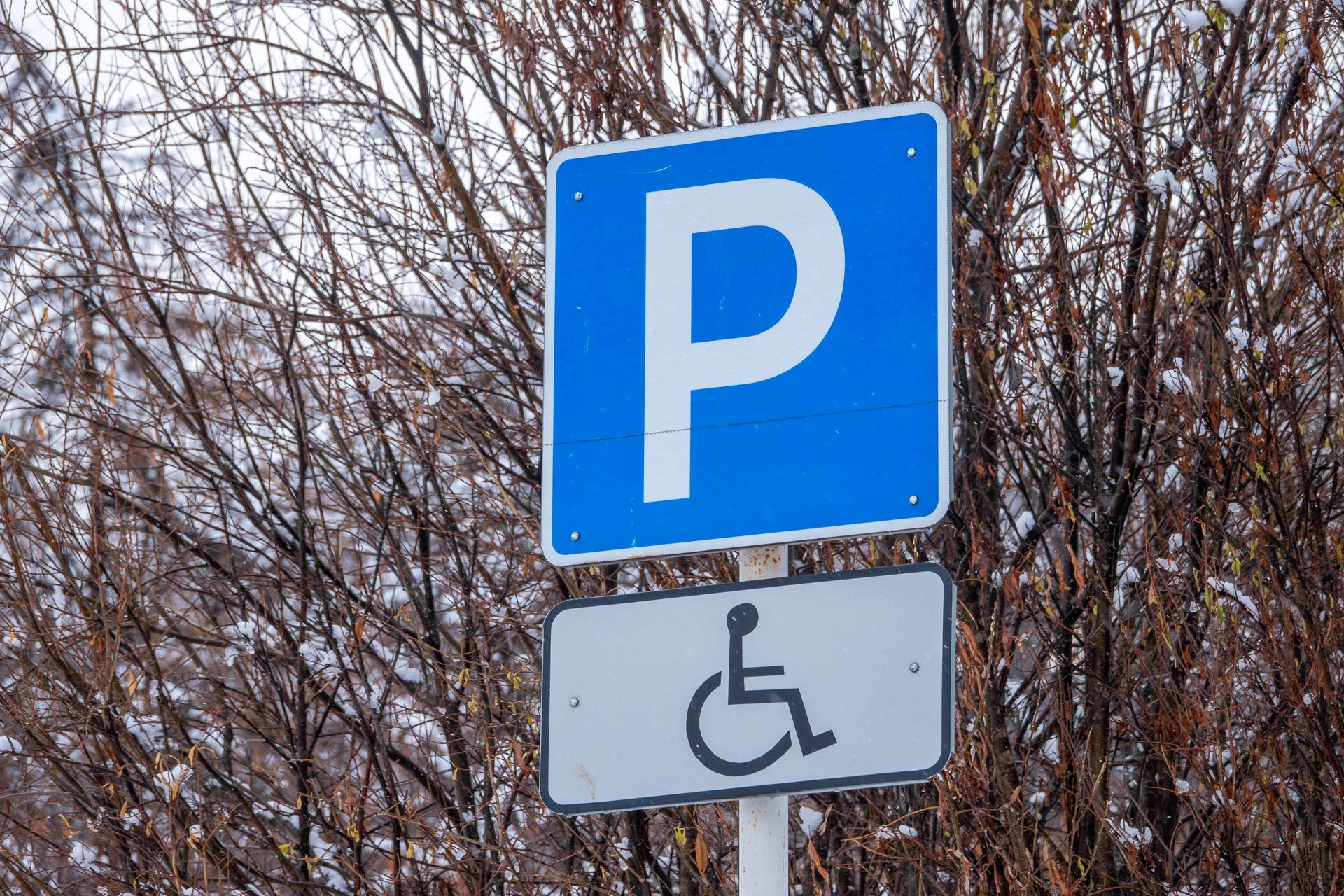
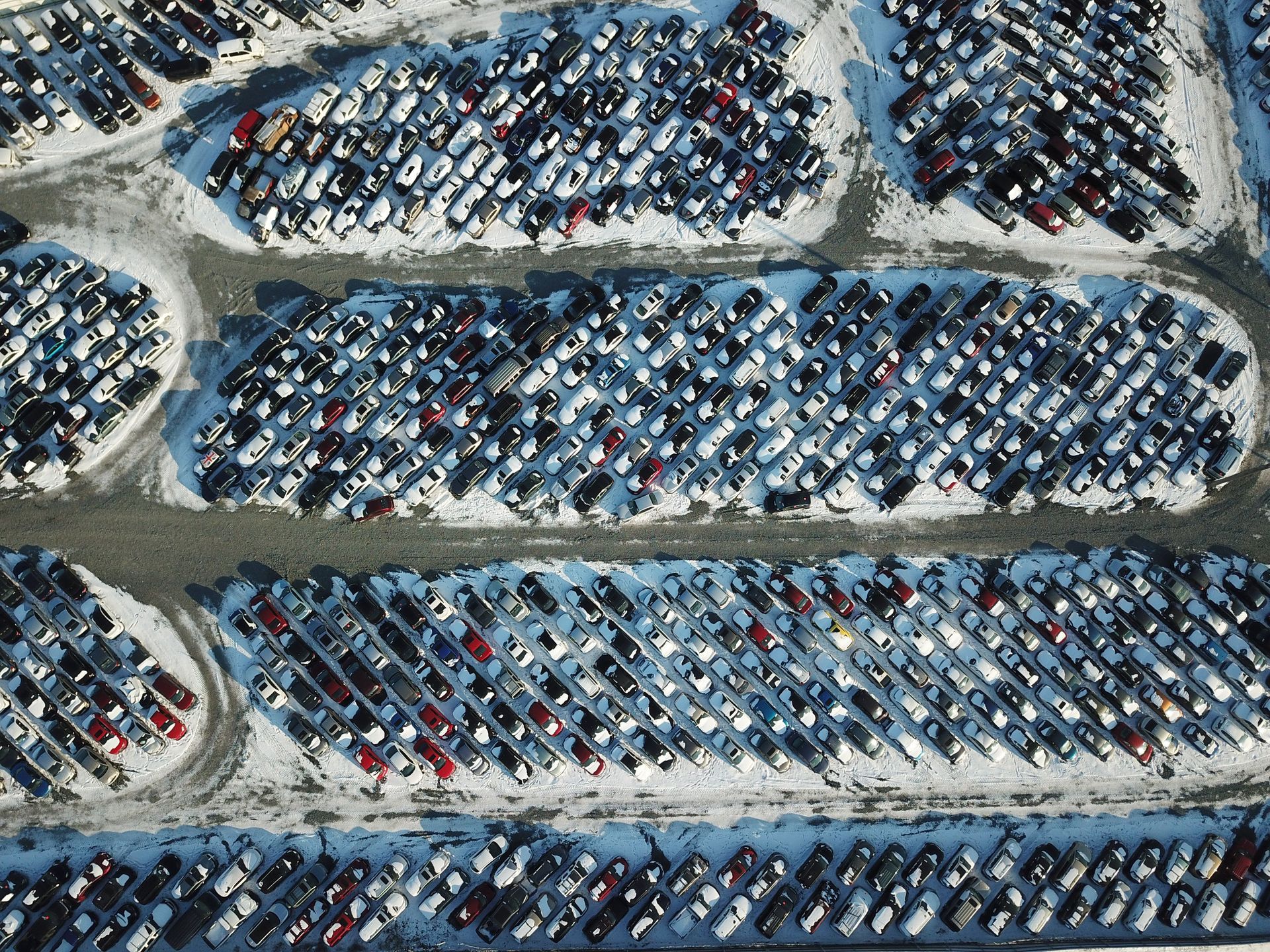
Parking Lots and Vehicular Areas present their own unique challenges. While vehicles can often navigate conditions that would be dangerous for pedestrians, parking lots contain numerous pedestrian pathways and high-risk transition zones. Pay particular attention to parking space access—snow piled between spaces can force people to walk in driving lanes or climb over snow berms. Check accessible parking spaces and their access aisles with extra care, as these must meet ADA requirements regardless of weather. The pathway from accessible spaces to building entrances should be completely clear and safe for wheelchair users and people with mobility challenges.

Look for areas where vehicular traffic has compacted snow into smooth, icy surfaces—these are among the most dangerous conditions because they appear passable but can be incredibly slippery. Check loading dock areas where trucks must maneuver; these high-traffic zones often develop significant ice buildup from repeated freeze-thaw cycles and vehicle exhaust moisture. Examine storm drains within parking areas to ensure they're not blocked by snow or ice, as blocked drains lead to standing water that will refreeze overnight. Identify any areas where previous snow removal has created sight-line obstructions at intersections or pedestrian crossings within the parking lot.
Rooflines, Drainage, and Building Perimeters often receive less attention during post-snowfall inspections, but they present serious hazards. Walk the building's perimeter, looking upward at rooflines, awnings, and overhangs. Are there icicles forming that could fall on people below? Has snow accumulated on overhangs to the point where it might slide off in sheets? These conditions can injure or kill people and should trigger immediate action—either removal or establishment of exclusion zones beneath the hazard until it can be safely addressed.
Check all drainage systems, including gutters, downspouts, and ground-level drains. Blocked drainage leads to water accumulation, which inevitably refreezes into hazardous ice patches. Look for areas where water is flowing across walkways—today's running water is tonight's black ice. Examine building corners and areas near external HVAC units where temperature differentials can create persistent ice formation. Pay attention to areas where snow was piled during removal; as this snow melts, does water drain away properly, or does it flow across pedestrian pathways? The building perimeter is also where landscaping damage from snow removal often occurs—while this may seem like a cosmetic issue, damaged sprinkler heads or broken landscape lighting can create hazards and additional costs.
Signage, Lighting, and Critical Infrastructure round out your inspection checklist. Verify that all wayfinding signage remains visible and hasn't been obscured by snow piles. Check that parking signs, directional signage, and safety warnings are clearly readable. Confirm that exterior lighting is functioning properly—winter's shorter days mean people arrive and leave in darkness, making adequate lighting essential for safety. Test that emergency lighting systems weren't damaged by snow or ice accumulation. Verify that security cameras have clear sight lines and aren't obstructed by snow on nearby surfaces or ice formation on camera housings.
Check fire hydrants and emergency equipment access points to ensure they remain clear and identifiable. Fire department connections, utility access panels, and other critical infrastructure must remain accessible even in winter conditions. If your property has outdoor emergency phones or call boxes, verify they're functioning and accessible. For properties with outdoor equipment or utilities, check that snow and ice haven't compromised functionality or created additional hazards around these installations.
3. Documentation and Legal Preparedness: Protecting Your Commercial Property
In today's litigious environment, the documentation you maintain during and after winter weather events can determine whether a slip-and-fall claim results in a quick settlement or a protracted lawsuit. Comprehensive documentation serves multiple purposes: it proves you fulfilled your duty of care, provides evidence of the conditions at specific times, demonstrates your proactive approach to safety, and creates a defensible record should incidents occur. The power of detailed records cannot be overstated—they transform your word against a claimant's into verifiable facts supported by contemporaneous evidence.
Your documentation should capture multiple data points for each inspection. At minimum, record the date and time of inspection, weather conditions at the time, inspector's name, and specific findings for each zone. But truly effective documentation goes further. Take timestamped photographs of each critical area, capturing both overall conditions and any specific hazards identified. These photos should be date and time-stamped either through camera metadata or by including a visible timestamp in the image itself. When photographing hazards, capture them from multiple angles and include contextual shots that show the hazard's location relative to building entrances or high-traffic areas.

Modern technology has revolutionized winter property documentation. GPS-enabled mobile devices can automatically tag inspection records with precise location data, creating indisputable proof of where and when inspections occurred. Cloud-based documentation systems ensure records are immediately backed up and accessible from anywhere, preventing loss of critical evidence. Some advanced platforms, like those employed by Invictus Snowfighters, utilize geo-fencing technology that automatically logs when service vehicles or inspection personnel enter and exit specific property zones, creating an automated chain of custody for winter maintenance activities. This technology doesn't just document what was done—it proves when and where it was done, providing powerful evidence of due diligence.
Create clear communication logs that track not just what hazards were found, but what actions were taken and when. If you identify black ice at 7:00 AM and call for additional ice management services, document that call: who you spoke with, what was requested, when service was promised, and when it was actually delivered. If you determine that an area is too hazardous for use, document how you restricted access—signage posted, barriers erected, alternative routes communicated to building occupants. This paper trail demonstrates your proactive response to identified hazards and shows you took reasonable steps to protect people even when conditions weren't perfect.
Consider the legal implications of every aspect of your documentation. Courts and insurance adjusters will scrutinize these records with a skeptical eye, looking for gaps in your safety protocols or evidence of negligence. Consistent, thorough documentation creates a narrative of diligence and care. Conversely, sporadic or incomplete records raise questions: If you didn't document inspections on certain days, did they actually occur? If you noted hazards but didn't record remediation efforts, were hazards actually addressed? The documentation standard you establish and maintain throughout winter becomes your primary legal defense, making it worth the investment in systems and processes that ensure comprehensive record-keeping even during the busiest winter events.
4. Common Post-Snowfall Hazards and How to Address Them
Understanding the most common post-snowfall hazards helps focus your inspection efforts on the conditions most likely to cause problems. These hazards often develop in predictable patterns based on property orientation, traffic patterns, and microclimate conditions, allowing you to anticipate problems before they cause incidents.
Black ice and refreezing after thawing tops the list of dangerous post-snowfall conditions. Black ice earns its name from its nearly invisible appearance—it's a thin, transparent layer of ice that allows the dark pavement beneath to show through, making it virtually undetectable until someone slips on it. Black ice forms when moisture on pavement freezes, often during clear nights when temperatures drop after daytime thawing. It's particularly treacherous because people don't see it and therefore don't take appropriate caution. Look for black ice in shaded areas that never receive direct sunlight, on north-facing slopes and walkways, beneath overhangs and awnings, and in low-lying areas where meltwater collects.
The Pacific Northwest's freeze-thaw cycles make black ice an ongoing concern rather than a one-time problem. What's clear pavement at 2:00 PM can become a skating rink by 6:00 PM when temperatures drop. Address black ice immediately with appropriate ice melt products—but recognize that ice melt has limitations in extreme cold and must be reapplied as conditions change. In areas with persistent black ice formation, consider ongoing monitoring and repeated treatment rather than single applications. Some properties establish protocols for "black ice watch" periods during temperature fluctuations, with increased inspection frequency and proactive ice melt application in known problem areas.
Compacted snow creating uneven surfaces is another common hazard that's often underestimated. When snow is walked on or driven over repeatedly, it compacts into a dense, icy layer that's incredibly slippery and difficult to remove. These compacted areas create uneven surfaces with height differentials that pose trip hazards, and their slick surface poses slip hazards. They're particularly dangerous in high-traffic areas like building entrances, where constant foot traffic quickly compacts fresh snow into hazardous conditions. Compacted snow in parking spaces can create raised islands that people must navigate around, forcing them into driving lanes or over snow berms.
Addressing compacted snow often requires mechanical removal—ice melt alone won't adequately address it. Scraping or chipping may be necessary to break up the compacted layer before treating with ice melt. In severe cases, professional snow removal equipment may be needed to fully remediate the condition. The key is addressing compacted snow promptly before it becomes a permanent feature of your property for the duration of winter. This is where having a responsive snow removal partner like Invictus Snowfighters becomes invaluable—professional teams can quickly mobilize equipment to address conditions that exceed in-house capabilities.
Blocked storm drains leading to water accumulation creates both immediate and delayed hazards. When storm drains are blocked by snow, ice, or debris, meltwater has nowhere to go. It pools on surfaces, creating slip hazards during daytime and refreezing into ice sheets overnight. This water can also infiltrate building foundations, causing structural damage, or create erosion problems in landscaped areas. During your inspections, clear any blocked storm drains you encounter, pulling away snow and ice that's preventing drainage. Use a broom or shovel to create channels that direct water toward functioning drains. In areas where drainage is compromised but can't be immediately fixed, increase monitoring frequency and be prepared to repeatedly apply ice melt or establish alternative drainage pathways.
Damage to landscaping or property elements from snow removal might seem like a minor concern compared to life-safety issues, but it can create secondary hazards and additional costs. Snow removal equipment can strike and damage landscape lighting, creating electrical hazards or dark areas that increase slip-and-fall risks. Broken sprinkler heads leak water that freezes into ice hazards. Damaged curbing creates trip hazards and may cause drainage problems. Document any such damage during your inspection and arrange for repairs promptly—both to eliminate hazards and to maintain clear accountability for whether damage occurred during the snow event or through other causes.
5. Partnering for Proactive Winter Management: Beyond the Inspection
While thorough inspections are essential, they're only part of a comprehensive winter management strategy. The most successful commercial property managers recognize that winter safety requires professional partnerships with snow and ice management specialists who bring expertise, equipment, and capacity that in-house teams typically can't match. This is where Invictus Snowfighters's 'First Responder' approach transforms winter management from a reactive scramble into a proactive, coordinated effort that protects people and property while minimizing liability exposure.
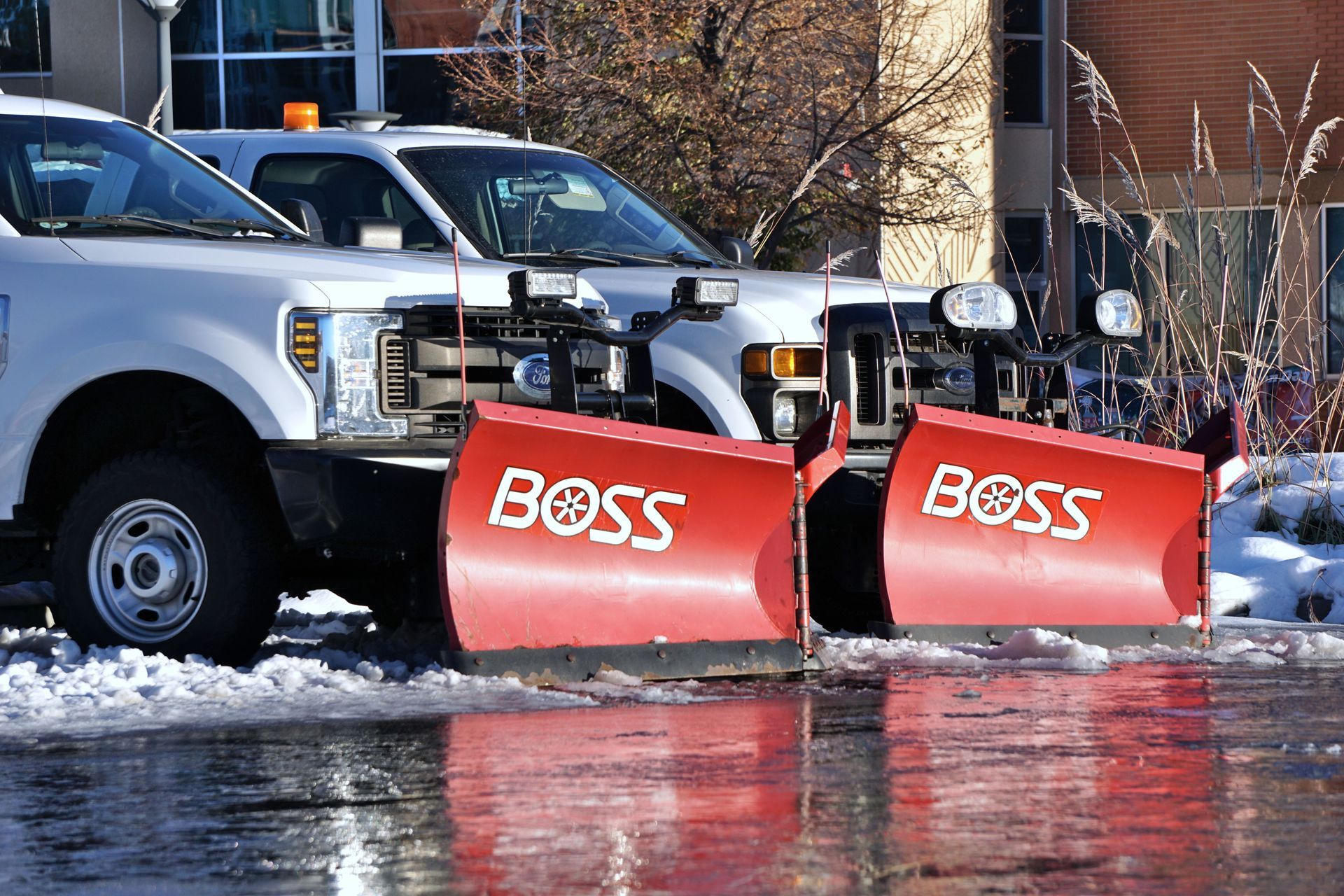
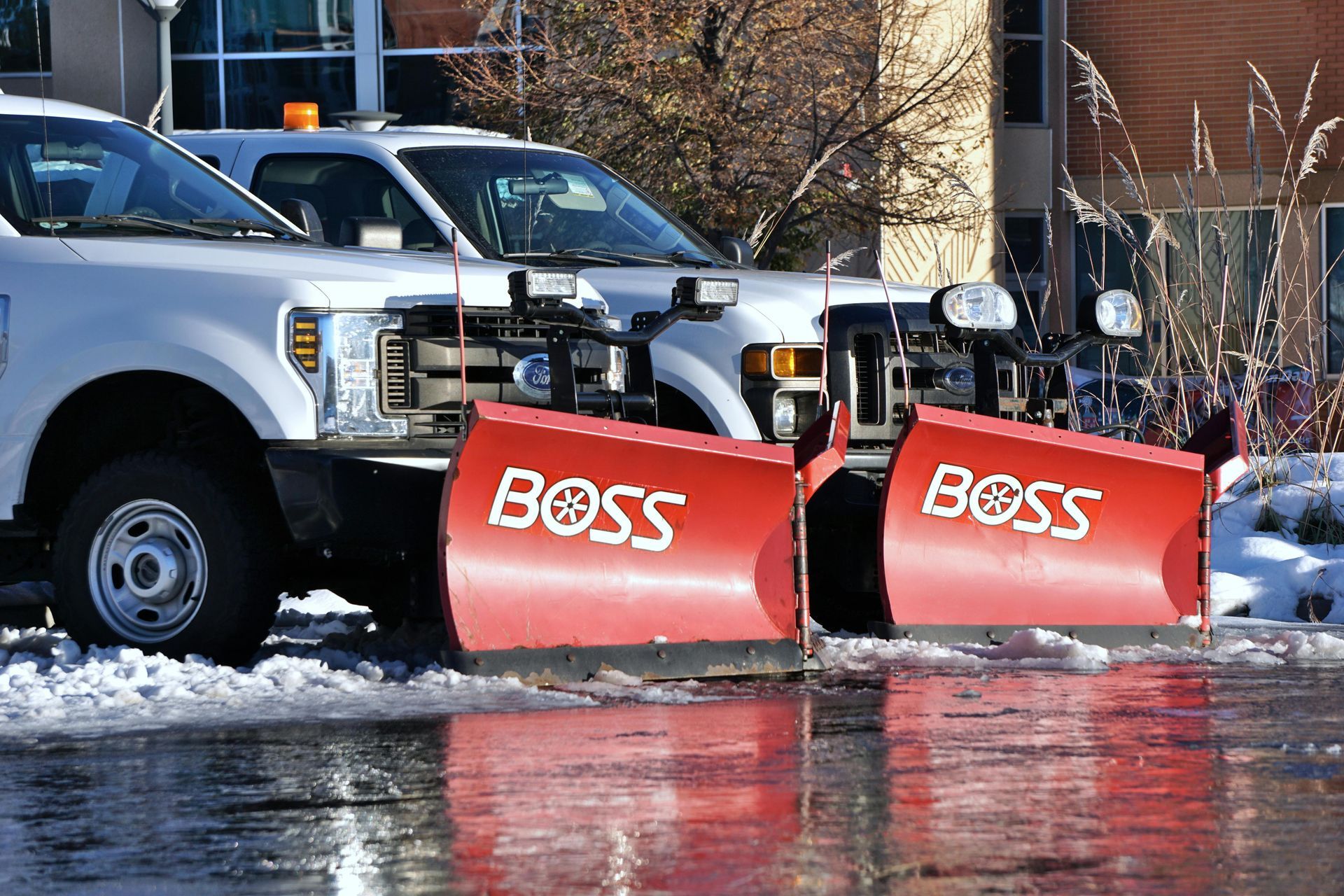
Professional snow removal partners like Invictus bring critical advantages that complement your inspection protocols. First, they provide reliable equipment and sufficient manpower to address issues quickly when your inspections identify problems. Instead of trying to scrape ice with hand tools or waiting days for conditions to improve, a single call mobilizes professional-grade equipment that can remediate hazards within hours. For multi-property portfolios, this responsiveness becomes even more valuable—rather than trying to prioritize which properties get your limited in-house attention, professional partners can simultaneously address issues across your entire portfolio, ensuring consistent safety standards regardless of geography or timing.
Invictus's unique position as the only company in the Pacific Northwest servicing Portland, Seattle, and the I-5 corridor with boots on the ground creates substantial advantages for multi-property clients. This geographic coverage enables true economy of scale—consistent service quality across your entire portfolio, streamlined communication through a single point of contact, standardized documentation and reporting, and cost efficiencies through consolidated service agreements. Rather than managing relationships with multiple vendors in different markets, you work with one partner who understands your standards and expectations, creating consistency that reduces risk and simplifies management.
The advanced technology that professional partners bring to winter management amplifies the effectiveness of your inspection efforts. Geo-fencing and GPS tracking provide automated documentation of service delivery, timestamp verification of when crews were on-site, and proof of service completion that supports your liability defense. When combined with your own inspection records, this creates a comprehensive documentation package that demonstrates multiple layers of due diligence. If a slip-and-fall claim alleges that your property was negligently maintained, you can produce inspection records showing regular monitoring, service call logs demonstrating quick response to identified issues, and GPS-verified proof that professional crews were on-site addressing hazards—a powerful defense that often results in claims being dismissed or settled favorably.
The "give it to Brad, he'll fix it" approach that defines Invictus's customer service philosophy extends beyond just taking your calls—it represents a partnership mentality where your snow removal provider becomes an extension of your own safety team. When your morning inspection identifies black ice forming at Building C's main entrance, you need a partner who responds immediately rather than putting you into a phone queue or ticket system. Professional communication means understanding the urgency of winter hazards and having systems in place to mobilize rapidly. It means proactive communication from your provider about changing conditions, upcoming weather events, and recommended preemptive actions. This partnership approach transforms winter management from a series of emergency responses into a coordinated strategy where both parties work toward the shared goal of maintaining safe, operational properties throughout winter.
6. Ensuring Lasting Safety and Peace of Mind
Post-snowfall inspections represent far more than a compliance checkbox—they're your front line of defense against winter hazards, liability claims, and operational disruptions. The systematic approach outlined in this article, from pre-season preparation through detailed inspection protocols and comprehensive documentation, creates a framework that protects people, property, and your organization's reputation. By understanding what to look for, how to document findings, and when to call for professional assistance, you transform winter property management from a reactive scramble into a proactive strategy that maintains safety even during the most challenging weather conditions.
Take time now, before the next winter weather event, to review your inspection protocols. Do you have detailed checklists for your specific property? Are roles and responsibilities clearly defined? Have you established documentation standards that will stand up to legal scrutiny? Most importantly, have you built relationships with professional winter management partners who can support your efforts when conditions exceed your in-house capabilities? The preparation you invest now pays dividends in safety, liability protection, and peace of mind when winter weather inevitably arrives. Remember, effective winter property management isn't about responding perfectly to every snowflake—it's about having systems, partners, and protocols in place that ensure consistent safety regardless of what winter brings.
Recent Posts