

Best Practices for Budgeting Commercial Snow Removal Services Annually

Brad Caton • February 28, 2026

Share this article

When winter storms roll through the Pacific Northwest, commercial property managers face a critical challenge: maintaining safe, accessible facilities while controlling costs. The unpredictable nature of winter weather—particularly along the I-5 corridor from Portland to Seattle—makes proactive annual planning essential rather than optional. Unlike reactive spending that can spiral out of control during emergency situations, a well-structured annual budget for commercial winter services provides financial predictability, operational continuity, and peace of mind. This comprehensive approach to snow removal budgeting helps you mitigate risks, maintain seamless operations, and ultimately save money while protecting your properties and the people who use them.

1. Understanding the Variables: What Impacts Your Snow Removal Budget?

Creating an accurate budget for commercial snow removal begins with understanding the multiple factors that influence costs. The Pacific Northwest presents unique challenges that differ significantly from other regions, making cookie-cutter budgeting approaches ineffective. Along the I-5 corridor, freeze-thaw cycles create particularly hazardous black ice conditions that require specialized treatment and vigilant monitoring. These weather patterns demand more than basic plowing—they require sophisticated ice management strategies that impact your overall winter services expenditure.

Your property's physical characteristics play a crucial role in determining service costs. A sprawling campus with multiple parking lots, loading docks, pedestrian walkways, and building entrances requires substantially more resources than a single-building facility. The layout complexity, accessibility for equipment, and specific areas requiring priority service all factor into pricing structures. Properties with high foot traffic areas, ADA-compliant pathways, or loading zones with continuous commercial activity need more frequent attention and faster response times, which translates to higher service levels in your facilities budget management plan.

Service Level Agreements fundamentally shape your budget allocation. Per-event contracts might seem economical in light snow years but can become financially devastating during heavy winters. Seasonal contracts provide predictable costs but require careful evaluation of what's included. Hourly arrangements offer flexibility but lack the cost certainty that annual maintenance planning requires. Each pricing structure has implications for your snow removal budgeting strategy, and understanding these differences helps you select the model that aligns with both your financial constraints and operational requirements.

Equipment and material costs represent another significant variable in your budget equation. Professional-grade ice melt products, specialized equipment for different surface types, and standby fees for guaranteed response times all contribute to your total investment. The cost of materials fluctuates based on winter severity predictions and supply chain factors, making relationships with well-equipped providers valuable for cost stability. Understanding that professional snow removal is distinctly different from routine landscaping services—requiring specialized equipment, liability management, and emergency response capabilities—helps property managers set realistic budget expectations and avoid the costly mistake of treating this as a low-stakes service.

2. Key Strategies for Effective Annual Snow Removal Budgeting

Historical data analysis forms the foundation of intelligent snow removal budgeting. Examining your property's service records from the past three to five winters reveals patterns in snowfall frequency, service call volumes, material usage, and associated costs. This analysis should account for unusual weather years—both exceptionally mild and severe—to establish a realistic range of potential expenditures. By understanding your property's historical winter service needs, you can develop more accurate forecasts that account for regional climate trends while preparing for variability. Many commercial property managers discover that their intuitive estimates differ significantly from what the data reveals, making this analytical approach essential for informed annual maintenance planning.

Multi-year contracts deliver substantial advantages for commercial properties seeking budgetary predictability and operational consistency. These agreements provide economy of scale benefits that single-season contracts cannot match, particularly for clients managing multiple properties across the Pacific Northwest. A committed partnership allows service providers to allocate dedicated equipment, personnel, and materials to your portfolio, ensuring priority response even during peak demand periods. The financial predictability of locked-in rates protects against market fluctuations and emergency pricing, while the operational continuity of working with the same professional team year after year eliminates the learning curve that new vendors face regarding your property's specific needs and priorities.

Partnering with experienced, professional snow removal providers transforms budgeting from guesswork into strategic planning. Companies with deep regional expertise understand the I-5 corridor's unique weather patterns and can provide realistic cost projections based on comprehensive historical data and sophisticated forecasting models. These partnerships extend beyond simple vendor relationships—they become collaborative arrangements where the provider's expertise informs your budgeting decisions, helping you identify cost-saving opportunities and avoid common pitfalls. Professional partners bring insights about optimal service frequency, material efficiency, and preventive strategies that reduce overall costs while improving outcomes.

Technology implementation has revolutionized cost control and efficiency in commercial snow removal operations. Advanced systems using geo-fencing capabilities enable precise route optimization, reducing fuel costs and service times while ensuring comprehensive coverage. Real-time tracking provides transparent verification of services performed, eliminating disputes and supporting accurate invoicing. Detailed digital documentation serves dual purposes: it streamlines accounting processes and provides critical evidence for liability protection in slip-and-fall cases, potentially saving tens of thousands in legal costs. For property managers overseeing multiple locations, technology-enabled portfolio management delivers consolidated reporting and analytics that inform smarter budgeting decisions across your entire commercial real estate portfolio.

3. Optimizing Your Budget with the Right Snow Removal Partner

Provider capabilities and geographic reach represent critical factors in optimizing your snow removal budget, particularly for organizations managing multiple commercial properties. The Pacific Northwest's fragmented market below the national sourcing level creates challenges for multi-property portfolios, often forcing managers to coordinate with multiple vendors across different regions. Selecting a provider with comprehensive I-5 corridor coverage—from Portland through Seattle to international areas—eliminates coordination complexity, reduces administrative overhead, and unlocks portfolio management savings that fragmented approaches cannot achieve. The ability to leverage economy of scale across your entire property portfolio transforms individual site expenses into a strategically managed winter services investment with predictable costs and consistent service quality.

Pricing transparency and professional invoicing practices directly impact your facilities budget management effectiveness. Clear, detailed contracts that explicitly define services, response times, material costs, and billing procedures prevent the accounting and invoicing complexities that plague relationships with less professional providers. Ambiguous agreements lead to disputes, unexpected charges, and budget overruns that undermine your annual planning efforts. Professional snow removal partners provide itemized documentation, consistent invoicing formats compatible with your accounting systems, and responsive support for questions or discrepancies. This operational professionalism saves significant administrative time and ensures that your budgeted amounts align with actual expenditures throughout the winter season.

Proactive communication and exceptional customer service distinguish premium snow removal providers from commodity vendors, with direct implications for your budget. The "give it to Brad, he'll fix it" level of responsiveness ensures that issues are addressed before they escalate into expensive emergencies or service disruptions. Professional communication means receiving advance weather alerts, proactive service scheduling, and real-time updates during active events—all of which enable better operational planning and reduce crisis management costs. When your provider functions as a strategic partner rather than just a contractor, you gain access to expertise that helps optimize service frequency, adjust strategies based on changing conditions, and avoid unnecessary expenditures while maintaining safety and accessibility standards.

Liability management and comprehensive documentation provide often-overlooked budget protection that becomes evident only when problems arise. Slip-and-fall incidents at commercial properties can result in substantial legal costs, settlements, and insurance premium increases that dwarf annual snow removal expenses. Providers employing geo-fencing technology and detailed documentation create verifiable records of service timing, areas covered, and materials applied—critical evidence that protects against frivolous claims and supports your legal position in legitimate incidents. A first-responder approach with on-site emergency response units, such as strategically positioned 40-foot containers stocked with ice melt and equipment, minimizes the window of vulnerability after sudden weather events. These capabilities reduce both the frequency of incidents and the severity of potential liability, delivering budget protection that extends far beyond the immediate winter services costs.

4. Preparing for the Unexpected: Contingency Planning in Your Budget

Even the most meticulously crafted annual snow removal budget must account for unexpected extreme weather events that exceed normal parameters. Setting aside contingency funds—typically 15-25% of your base winter services budget—provides financial flexibility to address unusually severe conditions without triggering emergency funding requests or compromising service levels at critical moments. These reserves ensure you can maintain operations during unprecedented snowfall, extended cold periods, or rapid freeze-thaw cycles that demand intensive intervention beyond standard service agreements.

Partnering with providers committed to reliable and sufficient equipment procurement significantly minimizes client-side emergency costs during unexpected events. Professional contractors maintain equipment reserves, backup units, and established supply chain relationships that enable them to scale operations during peak demand without passing emergency premiums to clients. This operational depth means your properties receive consistent service even when regional demand spikes, eliminating the need for costly last-minute arrangements with unfamiliar vendors charging premium rates. The presence of dedicated first-responder units positioned strategically at your properties further reduces emergency response gaps, ensuring immediate intervention when conditions deteriorate rapidly.

The peace of mind that accompanies comprehensive contingency planning extends beyond financial considerations to encompass operational resilience and risk mitigation. Knowing that your snow removal partner has the capacity, equipment, and commitment to handle worst-case scenarios allows you to focus on core business operations rather than weather-related crisis management. This confidence stems from selecting a provider whose capabilities, geographic presence, and operational philosophy align with your organization's standards for reliability and professionalism—ultimately validating the investment in quality winter services as a strategic business decision rather than merely an operational expense.

5. Conclusion: A Well-Budgeted Winter is a Successful Winter

Effective annual budgeting for commercial snow removal services represents far more than a financial planning exercise—it's a strategic investment in operational continuity, safety, liability protection, and cost management. By understanding the variables that impact costs, implementing proven budgeting strategies, selecting the right service partner, and preparing for unexpected events, commercial property managers transform winter weather from a source of uncertainty into a manageable operational consideration. The difference between reactive spending and strategic planning can amount to tens of thousands of dollars annually while simultaneously improving service quality and reducing operational headaches.

The choice of snow removal partner fundamentally shapes your budget's effectiveness and your winter's success. Providers offering comprehensive geographic coverage across the Pacific Northwest I-5 corridor, professional communication, advanced technology, economy of scale advantages, and a first-responder approach to winter emergencies deliver value that extends well beyond competitive pricing. These capabilities translate directly into more accurate budgeting, fewer unexpected costs, reduced liability exposure, and the confidence that your properties will remain safe and accessible regardless of weather conditions.

As you evaluate your current snow removal budgeting strategies and service relationships, consider whether your existing approach delivers the predictability, professionalism, and peace of mind that your commercial properties deserve. Invictus Snowfighters specializes in providing comprehensive winter services throughout the Portland to Seattle corridor, offering the geographic reach, technological sophistication, and operational excellence that transform snow removal from a seasonal concern into a well-managed component of your annual facilities budget. Contact our team to discuss how our portfolio approach can optimize your winter services investment while ensuring your properties remain safe, accessible, and operational throughout even the most challenging winter conditions.

Recent Posts

Property manager and maintenance contractor shaking hands in a commercial parking lot
By Brad Caton • October 16, 2026
Managing five property maintenance vendors instead of one costs hours every month. See how commercial property managers consolidate winter service with the rest of their maintenance calendar, from a company serving 500+ Pacific Northwest properties for 30+ years. Get a quote.
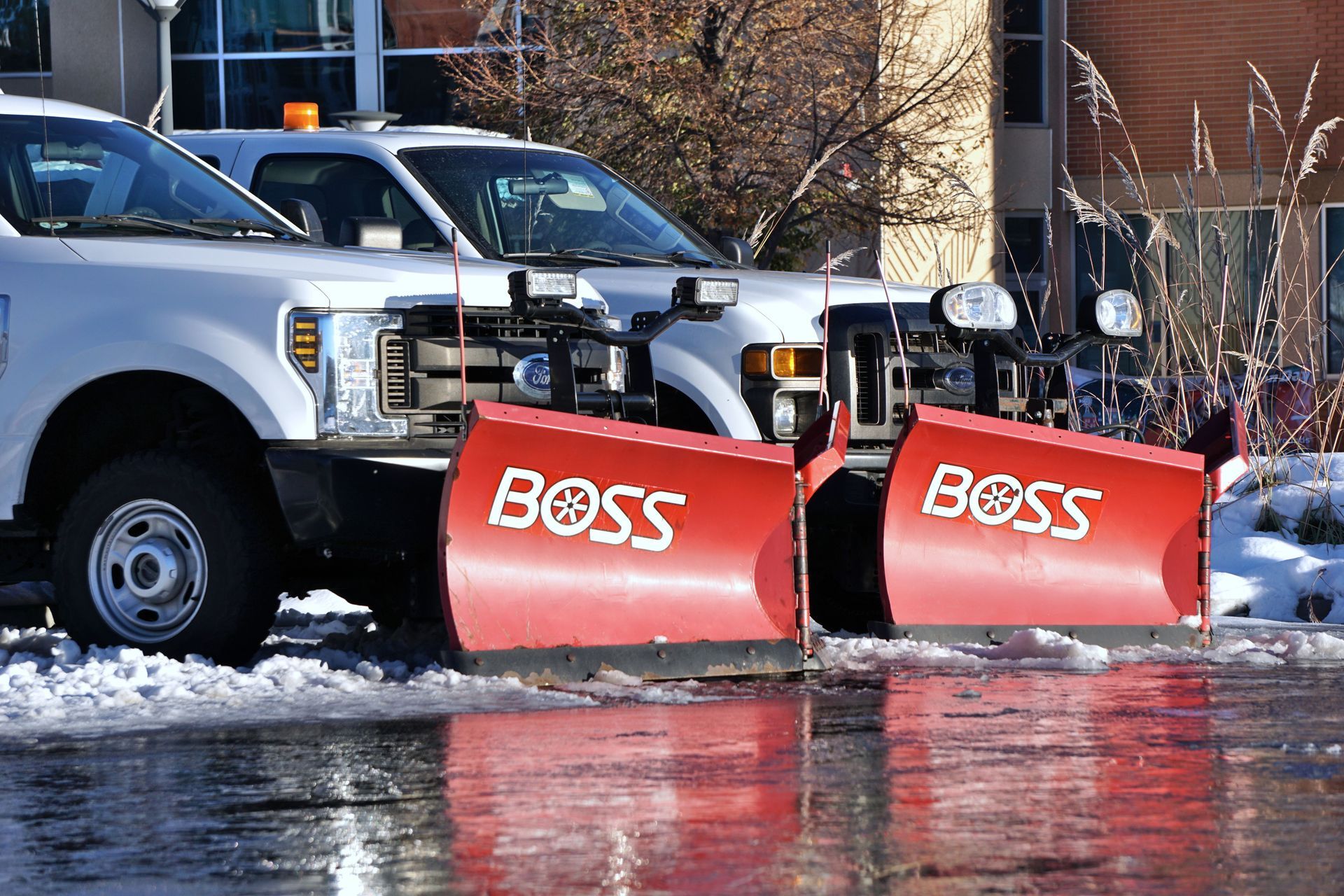
Snowplow clearing a large commercial parking lot for a multi-property portfolio contract in the Pacific Northwest
By Brad Caton • October 14, 2026
Multi-property snow removal contracts consolidate a fragmented, sole-proprietor-heavy market into one accountable partner. See what portfolio bundling actually saves, what to verify first, and the one trade-off to watch. Request a quote.

Yellow snowplow and front loader clearing a snowy parking lot in winter
By Brad Caton • October 12, 2026
How much snow removal equipment does your commercial property really need? Learn to evaluate a vendor's fleet capacity before the storm hits. ISO SN9001-certified Invictus serves the Pacific Northwest I-5 corridor. Request a quote.
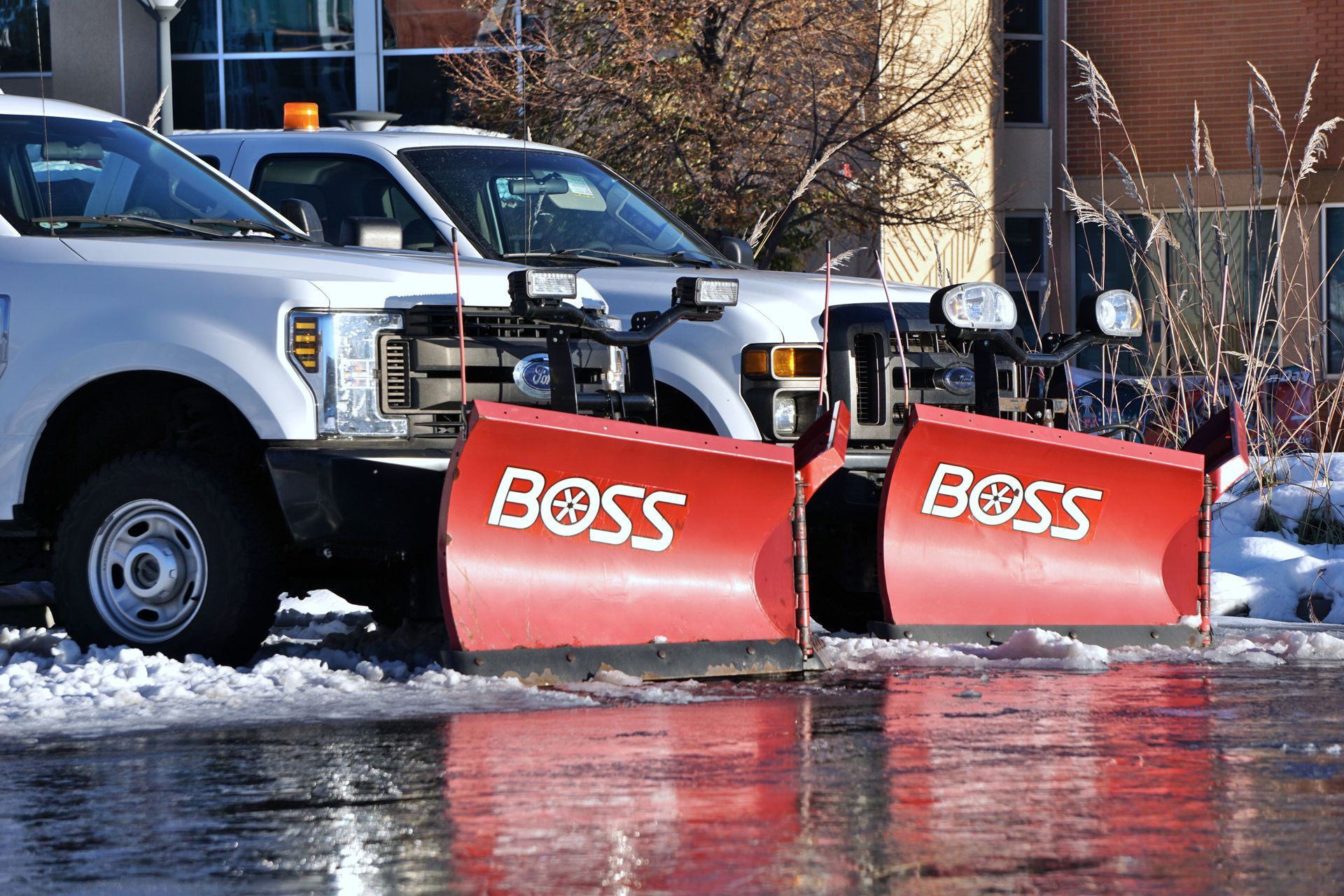
Snow plow clearing a commercial parking lot in the Pacific Northwest at dawn
By Brad Caton • October 9, 2026
Trigger depth clauses tell you when a plow shows up — not when your property becomes a liability. See what a trigger depth actually covers, what SIMA's own guidance says it misses, and how Invictus Snowfighters' First Responder model closes the gap across the I-5 corridor. Request a quote.

Snowplow clearing snow from a road, with a bright orange blade pushing slush forward
By Brad Caton • October 7, 2026
In-house vs. outsourced snow removal: how Pacific Northwest property managers can weigh liability, equipment costs, and staffing. ISO SN9001-certified Invictus explains what to ask. Get a quote.

Person operating an orange snow plow clearing slush from a snowy road
By Brad Caton • October 5, 2026
Switching commercial snow removal providers takes more than a phone call — termination clauses, auto-renewal traps, and a coverage gap can all bite you. See the safe sequence for switching before winter, from a PNW snow contractor that's covered the I-5 corridor since 1990. Request a quote.
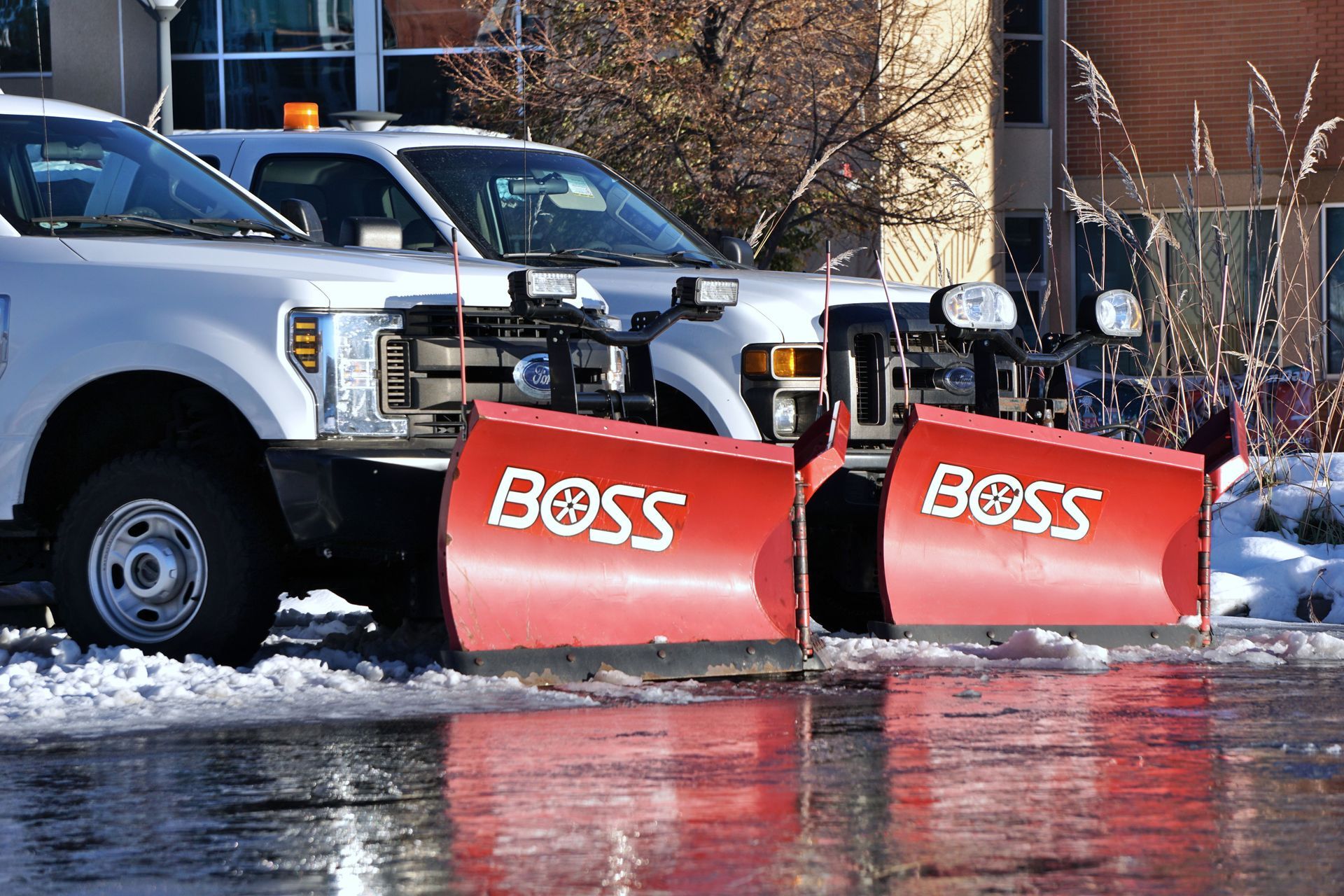
Fleet of commercial snowplow trucks staged in a yard before a winter storm in the Pacific Northwest
By Brad Caton • October 2, 2026
Snow removal equipment and staffing capacity is the best predictor of whether your site gets serviced in the worst storm of the season. Invictus breaks down the capacity math, real response-time standards, and the questions that expose an overextended contractor. Request a quote.
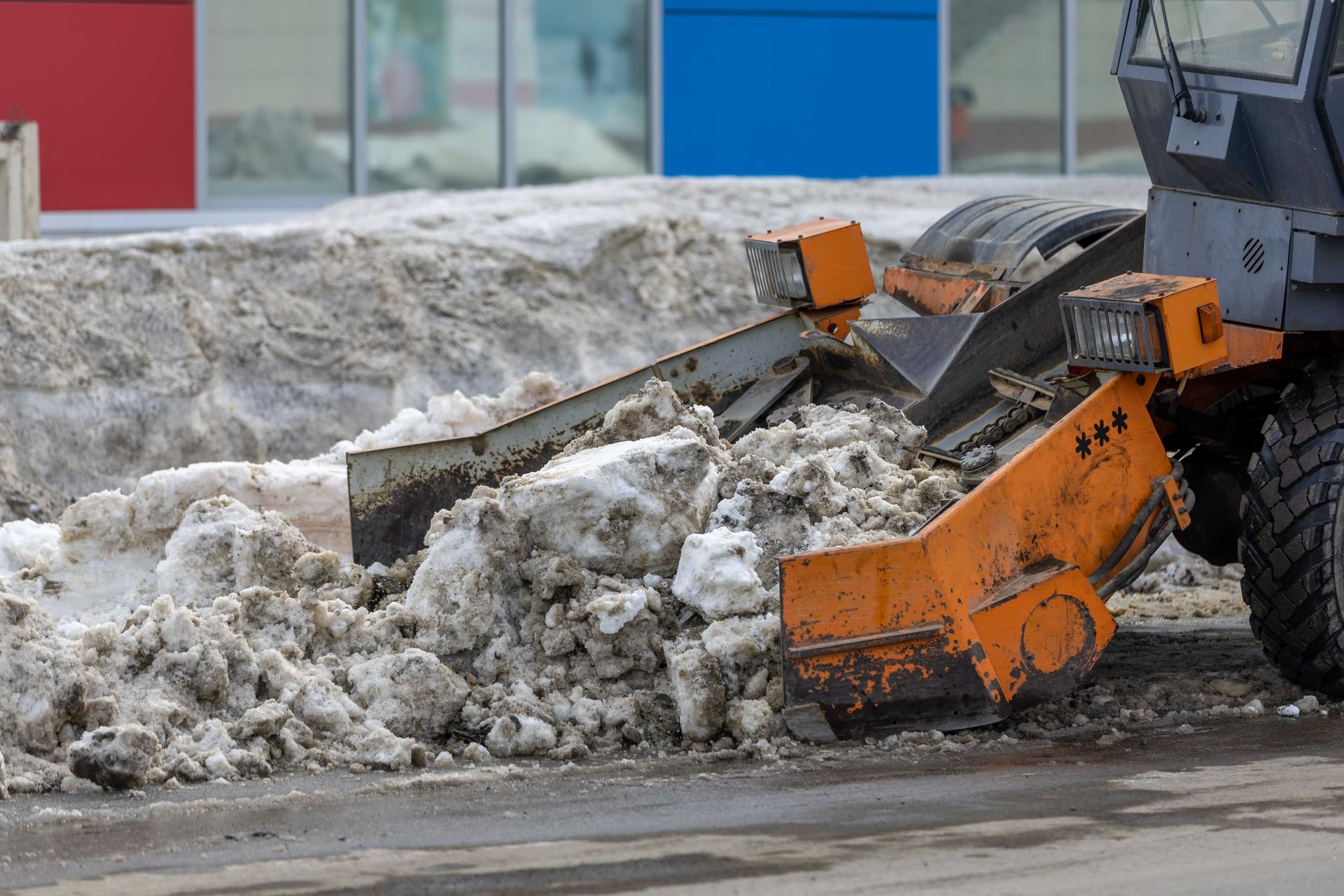
Orange snowplow clearing a large snowbank on a street beside colorful buildings
By Brad Caton • October 1, 2026
Industrial and manufacturing plant snow removal must meet OSHA's general industry standards for walking-working surfaces and powered trucks. See what ISO SN9001-certified Invictus recommends before winter. Get a quote.

Orange snowplow trucks clearing a snowy parking lot in winter
By Brad Caton • September 30, 2026
Snow removal contractor insurance shouldn't be assumed. See what coverage and documentation ISO SN9001-certified Invictus verifies before every contract. Get a quote.

Downtown Vancouver skyline in winter snow with the North Shore mountains
By Brad Caton • September 28, 2026
A record El Niño winter is forecast. What it means for snow and ice on Metro Vancouver commercial properties, what history shows, and what to do before the first arctic outflow.
Show More