
What to Do When Your Snow Removal Contractor Doesn't Show Up

Brad Caton • March 10, 2026

Share this article

It's 6:30 AM. A major winter storm rolled through Metro Vancouver overnight and your parking lot is buried under 15 centimetres of snow. Your tenants arrive in 90 minutes. And your snow removal contractor — the one you signed a contract with in October — is nowhere to be found. Their phone goes to voicemail. The lot hasn't been touched.

For commercial property managers, this scenario is one of the most stressful situations winter can deliver. Every minute that passes increases your liability exposure under BC's Occupiers Liability Act, frustrates your tenants, and puts pedestrians at genuine risk of injury on icy, uncleared surfaces. What you do in the first hour can make or break the outcome — both practically and legally.

This guide walks you through exactly what to do when your snow removal contractor doesn't show up, how to protect yourself legally in the moment, and — most importantly — how to make sure it never happens again. The team at Invictus Professional Snowfighters has been BC's only ISO SN9001-certified snow management company for over 30 years. We've heard these stories countless times from property managers who came to us after being let down. Here's how to handle it.

1. Act Immediately — The Clock Is Already Running

The moment you realize your contractor hasn't shown up, your legal exposure begins accumulating. Under BC's Occupiers Liability Act, you have a duty to take reasonable care to ensure that people on your premises are reasonably safe. "I was waiting for my contractor" is not a legal defence. The law doesn't care why your property is hazardous — only that it is. So your first priority is to start the clock on resolution, not to figure out who's at fault.

Make your first call to your snow removal contractor immediately — and document every attempt. Note the time of each call, whether it was answered, what was communicated, and any promises made about arrival. If you reach someone, get a firm estimated time of arrival in writing via text or email, not just verbal. If you can't reach anyone after two or three attempts within the first 15 to 20 minutes, assume they are not coming and move to your backup plan without waiting further.

While you're making those calls, deploy any available on-site resources. This might mean your maintenance staff manually shoveling and applying ice melt to your highest-priority areas — main building entrances, accessible ramps, emergency exits, and the most-travelled pedestrian corridors. These areas may not be perfectly cleared, but partial action reduces your immediate liability and keeps your most critical access points functional while you work the phones. Document every action you take with timestamps and photos.

If you have a building management or emergency contact system, activate it now. Alert your tenants that conditions are being managed and provide any temporary access guidance — which entrances are being prioritized, where to park safely, which routes are cleared. Proactive communication with tenants during a winter emergency not only reduces the risk of injury, it also demonstrates that you took the situation seriously from the moment you became aware of it. That documentation matters later.

2. Find Emergency Coverage — Fast

Once you've confirmed your primary contractor is not coming, your immediate goal is to secure emergency snow removal coverage. This is where property managers without a backup plan learn a very expensive lesson: during a major regional storm event, every reputable snow removal company in Metro Vancouver is already fully deployed on their contracted properties. Emergency capacity is extremely limited, and it goes to existing relationships first.

Start with companies you have any prior relationship with — even if they've only quoted you before. Explain the situation clearly and ask specifically about emergency availability. Be prepared to pay emergency service rates, which can be significantly higher than contracted rates. This is not the time to negotiate; it's the time to get coverage on your property before your tenants arrive or a slip-and-fall incident occurs. The cost of emergency service is a fraction of the cost of a liability claim.

If you cannot secure professional coverage quickly, consider expanding your on-site manual effort. Contact a temporary labour agency for additional shoveling staff, purchase commercial ice melt from a hardware store, and focus every available person on your highest-risk pedestrian zones. This is a stopgap, not a solution — but in the first critical hours, it may be the difference between a manageable situation and a crisis.

Keep detailed records of every company you contact, every quote received, and the timeline of your outreach. This documentation serves two purposes: it demonstrates due diligence if a legal claim arises, and it helps you calculate damages if you pursue compensation from your non-performing contractor later. Invictus Snowfighters maintains a VIP membership program that guarantees priority response for enrolled clients — even during major regional storm events — precisely because we understand that "first come, first served" is not an acceptable standard when property safety is at stake.

3. Document Everything for Legal and Insurance Purposes

From the moment you realize your contractor hasn't shown up, you are building a legal record — whether you intend to or not. Courts and insurance adjusters will reconstruct your timeline after the fact using phone records, emails, text messages, surveillance footage, and witness accounts. It is far better to be intentional and thorough about that record than to rely on fragmentary evidence assembled under pressure after an incident occurs.

Photograph your property extensively throughout the morning. Timestamp every image. Capture your highest-risk areas before any manual clearing begins, then photograph progress as work is done. These images establish the conditions that existed, when they were addressed, and to what standard — all of which become critical evidence if a slip-and-fall claim is filed days or weeks later when memories have faded.

Compile a written incident log — even if it's just notes in your phone — recording every action taken, every call made, every instruction given to staff, and every external communication. Note weather conditions, accumulation levels, and temperature at regular intervals throughout the day. If your property has surveillance cameras, ensure the footage from this period is preserved and not overwritten. This documentation package is your protection against future claims and your foundation for any legal action against your defaulting contractor.

Contact your insurance broker or risk manager as soon as the immediate situation is under control. Notify them of the contractor no-show, the steps you took in response, and any incidents or near-misses that occurred. Early notification gives your insurer the opportunity to begin their own documentation process and ensures you haven't inadvertently compromised your coverage by failing to report promptly.

4. Address the Contractor Relationship and Your Contract

Once the immediate crisis is resolved, you need to address the contractual failure directly and deliberately. How you handle this conversation — and when — will affect both your ability to recover costs and your options for the remainder of the winter season.

Review your snow removal contract carefully before your first formal conversation with the contractor. Look specifically for any service level agreements, guaranteed response times, force majeure clauses, and remediation provisions. Many commercial snow removal contracts include language about what happens when service isn't delivered — callbacks, credits, or compensation for costs incurred. Know what you're entitled to before you pick up the phone.

When you do speak with the contractor, document the conversation. Ask specifically what happened, why service wasn't delivered, and what steps they are taking to ensure it doesn't happen again. If they offer compensation or remediation, get it in writing. If their explanation reveals a systemic problem — equipment failure with no backup, inadequate staffing, or overcommitment of their service capacity — that's information you need to evaluate whether to continue the relationship for the rest of the winter season.

You may have grounds to terminate the contract and seek compensation for your emergency service costs, depending on the terms and the severity of the failure. Consult a commercial lawyer if significant costs were incurred or if the contractor disputes responsibility. Meanwhile, begin the process of identifying a replacement provider immediately — you cannot leave your property exposed for the remainder of winter while a dispute plays out. This is precisely why property managers who work with dedicated, ISO-certified snow management companies like Invictus Snowfighters experience this problem so rarely: our first-responder model, pre-staged equipment, and certified quality systems make no-shows structurally improbable, not just contractually prohibited.

5. Use This Experience to Build a Better System

A contractor no-show during a winter storm is a painful experience — but it's also a clarifying one. It reveals exactly which gaps in your winter management system put you most at risk, and it gives you a concrete mandate to close them before the next storm arrives.

The single most important lesson most property managers take from this experience is the value of having a vetted, relationship-based backup contractor identified before winter begins — not scrambled for in the middle of a storm. This means identifying two to three companies in your area that you've spoken with, that have capacity in your service zone, and that have agreed in advance to provide emergency service if your primary contractor fails. Establish those relationships in September or October, not in February.

The second lesson is the importance of choosing a primary snow removal provider based on operational reliability, not just price. A contractor who is $500 cheaper per month but fails to show up during a major storm costs you far more in emergency service, management time, liability exposure, and tenant frustration than that saving ever justified. Ask harder questions during the hiring process about equipment ownership, staffing redundancy, backup systems, and service guarantees. The answers will tell you whether a company can actually perform when conditions are worst — which is exactly when you need them most.

If you've experienced a contractor no-show this winter or you're concerned about your current provider's reliability heading into next season, contact Invictus Professional Snowfighters today. As the only ISO SN9001-certified snow management company on the I-5 corridor from Vancouver to Portland, we've built our entire operation around first-responder reliability — because we know that when a storm hits and your property is at risk, there's no acceptable substitute for showing up.

Recent Posts

Snowy sidewalk by brick building with a tree and red curb marked “FIRE LANE NO PARKING”
By Brad Caton • October 30, 2026
A snow-covered fire lane or hydrant is a fire code violation, not just an inconvenience. ISO-certified Invictus Snowfighters breaks down what NFPA 1 and the fire code actually require. Request a quote.
Snow plow clearing a commercial parking lot at dawn in the Pacific Northwest
By Brad Caton • October 28, 2026
WorkSafeBC winter safety requirements mean BC employers must run a documented risk assessment before snow hits. Invictus Snowfighters, the region's only ISO-certified provider, breaks down what to verify and how to prepare. Contact us before the season starts.
Snow-covered street beside a brick building with parked cars and a lit entrance
By Brad Caton • October 26, 2026
White Rock's snow removal bylaw requires property owners to clear sidewalks by 10 a.m. See what Bylaw 1529 requires, the real fine under Bylaw 1929, and how ISO SN9001-certified Invictus keeps White Rock properties compliant. Request a quote.

Snowy urban alley with a person sweeping near green bins and brick buildings in the background
By Brad Caton • October 23, 2026
Richmond's snow removal bylaw (Traffic Bylaw 5870) requires commercial, industrial, and undeveloped properties to clear sidewalks by 10am daily or face a $125 fine per violation. See what the City's own guidance requires, and how Invictus keeps Richmond properties compliant before the first snowfall.
Snowy sidewalk beside a fenced path, with a black dog walking away toward a crosswalk sign.
By Brad Caton • October 21, 2026
Burnaby's snow removal bylaw fines commercial properties up to $400 per violation. Here's what Section 31 requires, what the city's own guidance says, and how Invictus keeps Burnaby properties compliant before the first snowfall.
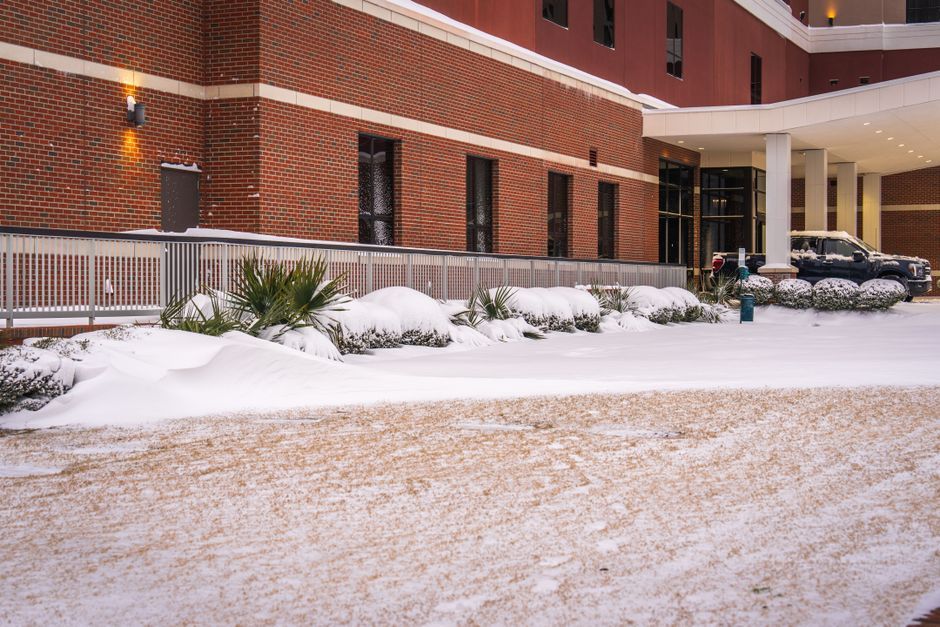
Snow-covered driveway outside a brick building with parked cars and a covered entrance
By Brad Caton • October 19, 2026
Surrey's snow removal bylaw requires commercial properties to clear sidewalks by 10am next day or face daily fines. See what Bylaw 13007 requires. Request a quote.
Property manager and maintenance contractor shaking hands in a commercial parking lot
By Brad Caton • October 16, 2026
Managing five property maintenance vendors instead of one costs hours every month. See how commercial property managers consolidate winter service with the rest of their maintenance calendar, from a company serving 500+ Pacific Northwest properties for 30+ years. Get a quote.
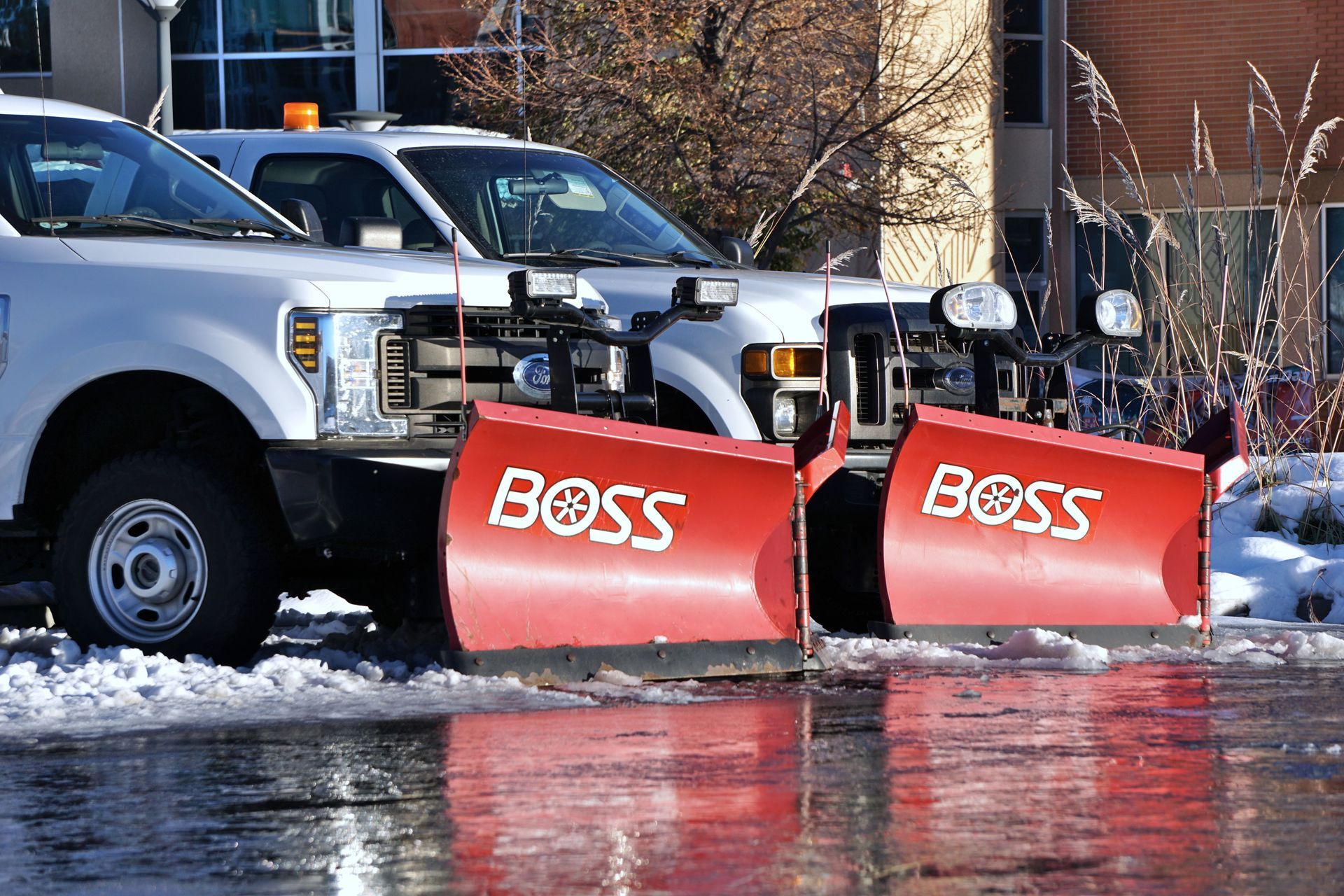
Snowplow clearing a large commercial parking lot for a multi-property portfolio contract in the Pacific Northwest
By Brad Caton • October 14, 2026
Multi-property snow removal contracts consolidate a fragmented, sole-proprietor-heavy market into one accountable partner. See what portfolio bundling actually saves, what to verify first, and the one trade-off to watch. Request a quote.
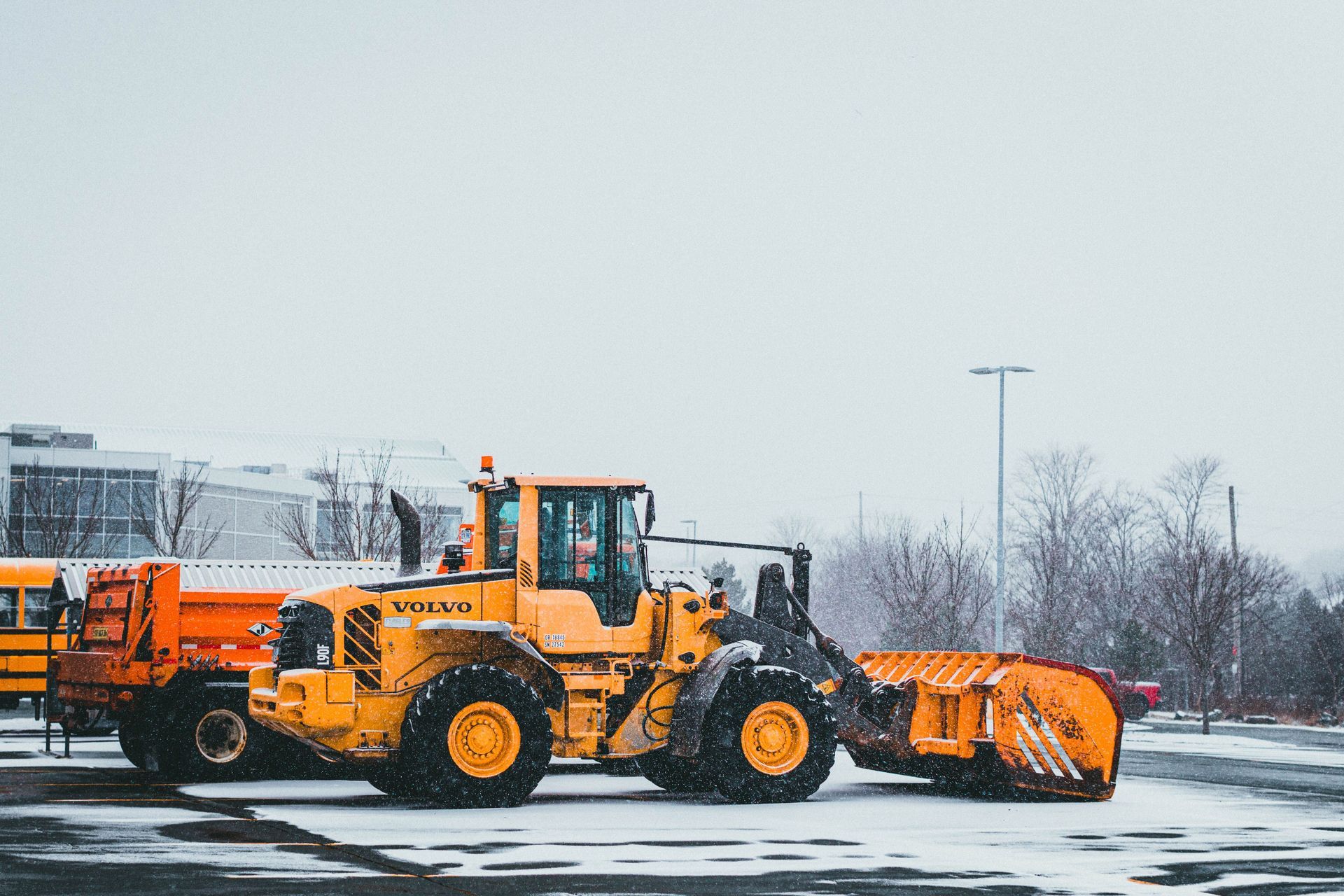
Yellow snowplow and front loader clearing a snowy parking lot in winter
By Brad Caton • October 12, 2026
How much snow removal equipment does your commercial property really need? Learn to evaluate a vendor's fleet capacity before the storm hits. ISO SN9001-certified Invictus serves the Pacific Northwest I-5 corridor. Request a quote.
Snow plow clearing a commercial parking lot in the Pacific Northwest at dawn
By Brad Caton • October 9, 2026
Trigger depth clauses tell you when a plow shows up — not when your property becomes a liability. See what a trigger depth actually covers, what SIMA's own guidance says it misses, and how Invictus Snowfighters' First Responder model closes the gap across the I-5 corridor. Request a quote.
Show More