

Emergency Snow Removal: What to Do During Heavy Vancouver Snowfall

Invictus Professional Snowfighters • December 10, 2025

Share this article

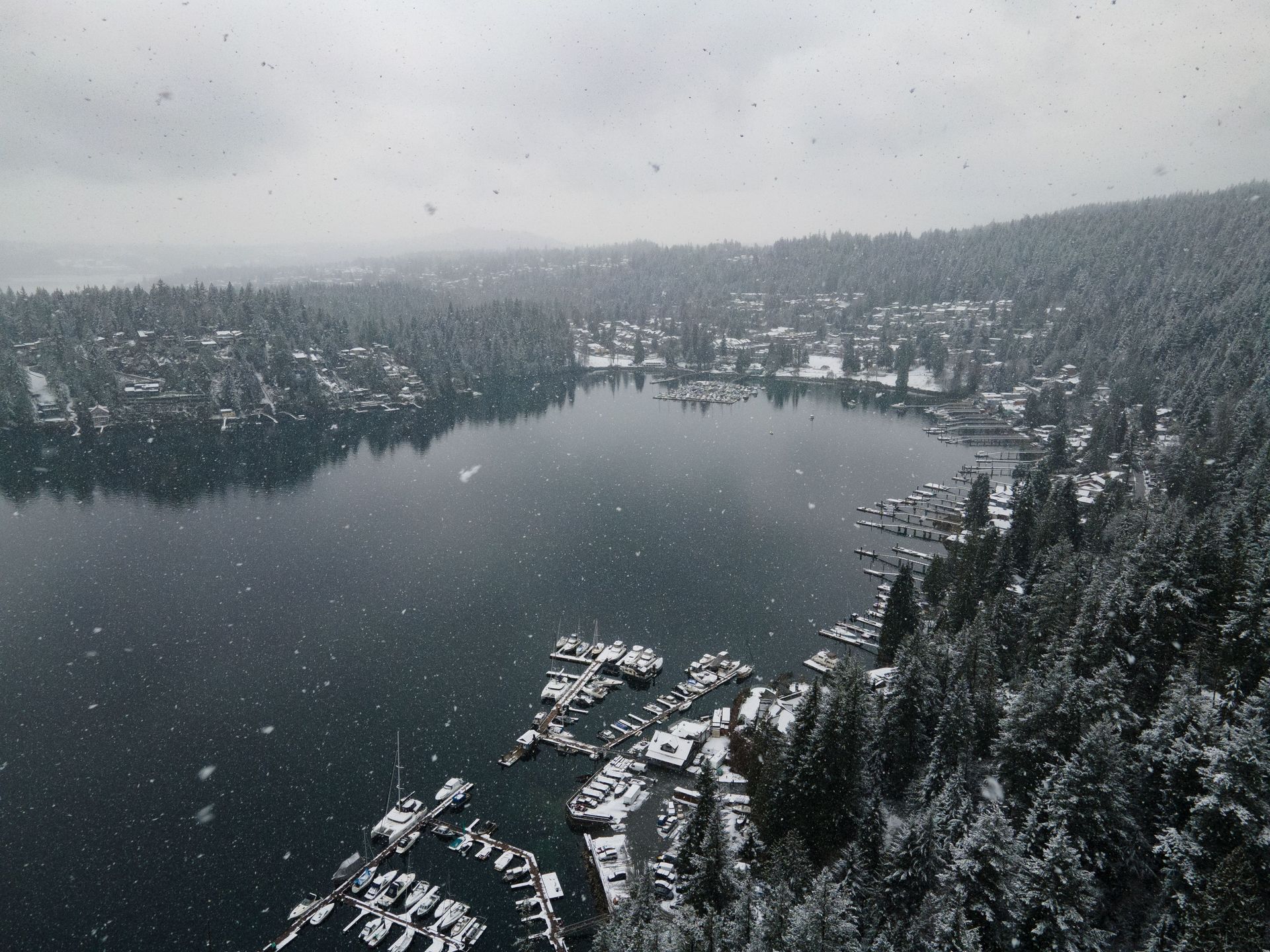
When snow blankets Vancouver, the city transforms from Pacific paradise to winter crisis zone. Unlike interior British Columbia or Prairie cities built for snow, Vancouver's coastal climate means even moderate snowfall can paralyze operations, close schools, and create serious liability risks for property managers.

For commercial property managers overseeing facilities across Metro Vancouver—from downtown towers to Surrey warehouses—heavy snowfall isn't just an inconvenience. It's a life-safety emergency that demands immediate, professional response.

Why Vancouver Snow Is Different

Vancouver averages only 11 snowfall days per year, with most events depositing less than 5 centimetres. But when heavy snow hits, the impact is disproportionate. In January 2024, just 27.2 centimetres of snow shut down schools across Metro Vancouver for two consecutive days, cancelled classes at UBC and SFU, knocked out power to over 20,000 BC Hydro customers, and left 20-30 centimetres of accumulation from Vancouver to Chilliwack.

The city's temperate coastal climate creates unique challenges that make Vancouver snow particularly dangerous. Temperatures hovering near freezing produce dense, wet snow that's difficult to remove and places enormous strain on structures and clearing equipment. Daytime temperatures above freezing followed by overnight freezing create dangerous ice conditions. What starts as slushy snow transforms into treacherous black ice by morning—exactly when your tenants and employees arrive.

Vancouver ranks third among 100 major Canadian cities for lowest annual snowfall. This infrequency makes it difficult for municipalities to justify extensive snow removal infrastructure. City crews prioritize major arterials and bus routes, leaving commercial properties largely on their own. Meanwhile, residents unfamiliar with navigating snow and ice increase accident risk. When people don't expect winter conditions, they're less cautious—and more likely to fall.

The Legal Reality: Vancouver Property Managers Face Serious Liability

Under British Columbia's Occupiers' Liability Act, property managers and owners owe visitors a duty of care to maintain reasonably safe conditions. When it comes to winter hazards, this includes taking reasonable measures to prevent ice and snow-related injuries.

Statistics Canada documents that approximately 1.7 million falls occur annually for Canadians age 12 and older—accounting for roughly 40 percent of all injuries. While not all are snow-related, winter conditions dramatically increase slip-and-fall risk on commercial properties.

City bylaws require property owners and occupants to remove snow and ice from sidewalks adjacent to their property by 10 AM every day when there's snow or freezing temperatures. Failure to comply results in $250 fines for first offenses, escalating to $750 if snow remains for over 24 hours. While bylaw violations don't automatically create civil liability, professional documentation of your snow removal efforts becomes critical evidence if someone is injured on your property.

Courts recognize that commercial properties with higher foot traffic volumes require more rigorous snow and ice management systems than residential driveways. Property managers need documented procedures, adequate resources, and proof that systems were functioning properly when conditions deteriorated.

The First 24 Hours: Your Emergency Response Plan

When Environment Canada issues a snowfall warning for Metro Vancouver, your response begins before the first flake falls.

Before the Storm

Vancouver's coastal weather is notoriously difficult to predict. Snow forecasts can change dramatically within hours. Successful property managers don't wait for certainty—they prepare when snowfall becomes possible. Apply liquid ice melt to high-traffic areas before snow arrives. LEED-compliant products bond to surfaces and prevent dangerous ice formation even as temperatures drop. This proactive step dramatically reduces post-storm work and liability exposure.

Don't rely on contractors driving across town through gridlocked streets. Professional operations position equipment and materials at your property before the storm. When snow starts falling at 2 AM, your response team is already there. Building engineers, security staff, and property management teams need clear protocols documented and understood before the emergency begins.

During Heavy Snowfall

Snow accumulation doesn't pause for business hours. Professional snow removal services maintain around-the-clock availability with real-time monitoring systems. You should receive app-based updates on conditions, crew deployment, and service completion—not discover problems when tenants arrive Monday morning.

Not all surfaces are equal when prioritizing your clearing operations. Start with pedestrian entry points and main walkways, then accessible parking spaces and ramps, followed by fire exits and emergency access routes, loading docks and service areas, and finally general parking lots and secondary paths. Professional contractors provide timestamped photo documentation and geo-fenced service records. This isn't bureaucracy—it's your evidence that you maintained a functioning system and responded appropriately when someone later claims they fell at 6:15 AM.

Post-Storm Management

Vancouver's freeze-thaw cycle means tonight's clear sidewalk becomes tomorrow morning's ice rink. Professional operations continue monitoring and treating surfaces for 24-48 hours after snow ends, especially overnight when temperatures drop and melt-water refreezes. Simply removing snow isn't enough. Bare pavement exposed after shoveling is highly vulnerable to black ice formation. De-icing chemicals must be applied to prevent dangerous conditions from developing after clearing appears complete.

Keep detailed logs of when snow fell, when your contractor responded, what treatments were applied, and photographic evidence of conditions before and after service. These records become critical if someone files an injury claim six months later.

Why DIY Snow Removal Fails Property Managers

When heavy snow hit Metro Vancouver in January 2024, property managers learned an expensive lesson: hastily arranged snow removal creates more problems than it solves.

That company that mows your lawn in summer likely treats snow removal as optional side revenue. When real storms hit, they're already overcommitted, equipment breaks down, and your property gets pushed to the bottom of their list. Professional snow removal companies maintain dedicated equipment fleets and crew capacity specifically reserved for contracted properties.

A handyman with a shovel might clear your walks, but what happens when someone falls and sues? Professional operations provide geo-fenced service tracking, timestamped photos, and detailed reports proving you maintained a functioning system and responded appropriately. Light-duty consumer equipment fails quickly when facing heavy, wet coastal snow. Professional contractors deploy commercial-grade equipment matched to Vancouver's specific conditions—plus backup units already staged for when primary equipment needs service.

Amateur operations show up after snow falls and hope for the best. Professional winter management begins with prevention—applying ice melt before the storm, staging equipment on-site, monitoring conditions continuously, and maintaining 24/7 response capability when Mother Nature strikes at 3 AM.

What Professional Snow Removal Actually Provides

Property managers protecting multi-property portfolios across Metro Vancouver require more than someone with a plow. Professional winter emergency services deliver equipment-matched service guarantees with dedicated equipment and crew capacity reserved specifically for your property before winter arrives. No overcommitting, no excuses, no hoping equipment is available when you need it.

First Responder Units are staged on-site—40-foot units positioned at your property with ice melt, equipment, and supplies ready for immediate deployment when conditions deteriorate. Response time is measured in minutes, not hours. ISO SN9001 certified operations ensure consistent service delivery regardless of conditions. Professional training, documented procedures, and accountability that amateur operations cannot match.

Phone apps provide live updates on weather conditions, crew deployment, and service completion. You always know your status—no calling contractors at 5 AM hoping someone answers. Automated tracking systems record exactly when crews arrived, what work was performed, and photographic evidence of before and after conditions. Critical protection when facing injury claims.

Environmentally responsible liquid ice melt bonds to surfaces and prevents dangerous buildup before it forms. Safe for people, pets, and landscapes while dramatically reducing post-storm liability.

When Vancouver's Next Snowstorm Hits

Heavy Vancouver snowfall creates predictable patterns: school closures, traffic paralysis, power outages, and slip-and-fall injuries. Property managers can't control the weather, but you absolutely control how your properties respond.

The difference between amateur operations and professional winter emergency services isn't subtle. It's the difference between discovering frozen sidewalks at 7 AM with no plan, and receiving real-time app notifications that your property was cleared overnight, ice melt applied, and photographic documentation already filed in your service records.

When someone slips on your property, your defense isn't "we had a guy who was supposed to show up." It's comprehensive documentation proving you maintained a professional winter management system, deployed prevention measures before the storm, responded immediately when conditions deteriorated, and continued monitoring through the dangerous freeze-thaw period.

Vancouver's temperate climate makes heavy snow a rare but high-stakes emergency. Property managers need winter response systems built for first responder reliability—not landscaping companies treating snow as side revenue.

For professional snow and ice management across Metro Vancouver with ISO SN9001 certified operations, equipment-matched guarantees, and 24/7 emergency response, contact Invictus Professional Snowfighters. Our boots-on-the-ground Vancouver operations have protected commercial properties through every major snowfall event since 1990.

Because when Vancouver snow turns your property into a liability risk, hoping your landscaper shows up isn't an emergency response plan.

Recent Posts

By Brad Caton March 12, 2026
Winter incident reports are your best legal protection against slip-and-fall claims. Learn what to document, when to document it, and how to build a system that protects your property.
Orange traffic barrel with snow on top, seen through a chain-link fence in a parking lot.
By Brad Caton March 10, 2026
When your snow removal contractor is a no-show during a winter storm, every minute counts. Here's exactly what commercial property managers should do — and how to prevent it.
Bobcat snowplow clearing snow from a paved surface.
By Brad Caton March 5, 2026
Before signing a snow removal contract, ask these 20 critical questions. Protect your property, avoid liability gaps, and find the right commercial snow contractor in BC.
Snowy scene of a Tim Hortons, cars, and a tree covered in snow.
By Brad Caton March 4, 2026
Learn how to build a bulletproof emergency winter response plan for your commercial property. Protect tenants, reduce liability, and stay operational during BC's worst storms.
Person using a long-handled rake to remove snow from a greenhouse roof in a snowy outdoor setting.
By Brad Caton February 28, 2026
Master annual snow removal budgeting for commercial properties. Learn best practices, cost-saving strategies, and how to choose a reliable provider like Invictus Snowfighters.
Snowblower expelling snow from its red chute into a snowy environment.
By Brad Caton February 27, 2026
Learn how to establish a reliable snow removal communication plan. Ensure timely service, mitigate risks, and gain peace of mind this winter.
Overhead view of a large, square, white-roofed building surrounded by dense city structures and roads.
By Brad Caton February 21, 2026
Learn how to properly clear snow from rooftops to prevent structural damage and ice dams. Essential tips for winter roof maintenance and snow load safety.
Silhouette of a snow removal machine spraying water on a frozen surface at dusk.
By Brad Caton February 21, 2026
Discover best practices for eco-friendly de-icing solutions on commercial pavement. Learn about sustainable winter maintenance, reducing environmental impact & ensuring safety.
Inspector in a yellow hard hat and safety vest examines a window in a room.
By Brad Caton February 12, 2026
Learn essential post-snowfall inspection best practices for commercial properties. Ensure safety, mitigate risks, and protect your business from winter hazards with Invictus.
By Brad Caton February 10, 2026
Learn how to prepare your business property for unexpected heavy snowfall. Ensure business continuity and mitigate risks with proactive commercial snow preparedness.
Show More