

How to Prepare Your Business for a Severe Winter Storm: A Step-by-Step Guide

January 13, 2026

Share this article

When severe winter weather strikes the Pacific Northwest, businesses face critical decisions that can impact their operations, liability, and bottom line. While many companies treat snow removal as an afterthought or view it as simple landscaping work, the reality is far different. Snow and ice management is a first responder service that requires professional expertise, advanced planning, and immediate action when storms hit. The difference between a business that weathers the storm seamlessly and one that faces operational shutdowns, liability claims, or reputational damage often comes down to one thing: proactive preparation.

The financial stakes are high. A single slip-and-fall incident can result in costly lawsuits, while operational disruptions during peak business periods can lead to significant revenue losses. Beyond the immediate financial impact, unpreparedness can damage your reputation with clients, customers, and tenants who expect safe, accessible facilities regardless of weather conditions. This comprehensive guide will walk you through the essential steps to prepare your commercial property for severe winter storms, ensuring you're ready to respond effectively when the forecast turns threatening.

Step 1: Assessing Your Property and Identifying Vulnerabilities

The foundation of effective winter storm preparedness begins with understanding your property's unique characteristics and vulnerabilities. Before the first snowflake falls, conduct a thorough pre-season property audit that goes beyond a casual walk-through. Start by creating a detailed map of your property that identifies all critical areas requiring priority attention: main entrances and exits, emergency access routes, loading docks, high-traffic walkways, and parking lots. Each of these zones presents different challenges and requires specific strategies for snow and ice management.

Pay particular attention to areas where black ice commonly forms. These danger zones typically include shaded areas that don't receive direct sunlight, spots where water accumulates and refreezes, building overhangs where snowmelt drips and freezes overnight, and areas with poor drainage that create ice patches. Document these vulnerable locations with photos and notes, as this information will be invaluable when developing your management plan and communicating with your snow removal partner.

Consider the operational realities of your business during winter months. How many employees and customers access your facility daily? What are your peak traffic times? Do you have delivery schedules that must be maintained? Are there emergency vehicle access requirements? For businesses managing multiple properties across the region, this assessment becomes even more complex. Understanding how foot traffic, delivery schedules, and emergency access needs vary across your portfolio allows you to prioritize resources effectively and ensure consistent service standards across all locations.

Step 2: Developing a Comprehensive Snow and Ice Management Plan

A written snow and ice management plan is your operational blueprint for winter weather success. This document should clearly define your objectives, establish response protocols, and outline specific actions for pre-storm preparation, during-storm response, and post-storm follow-up. Your plan must address several critical components: service activation trigger points (such as specific snow accumulation levels or forecasted conditions), priority zones for clearing based on your property assessment, communication protocols for notifying staff and service providers, and documentation requirements for legal protection.

Establish clear communication channels and designate specific point persons for different aspects of storm response. Who monitors weather forecasts and makes the call to activate services? Who communicates with your snow removal provider? Who handles internal staff notifications? These decisions shouldn't be made in the chaos of an approaching storm. Define these roles in advance, with backup contacts identified for each position. Professional communication and accountability are essential—you need a system where you can "give it to Brad, he'll fix it," knowing that your designated coordinator will manage the situation effectively.

Your trigger points for service activation deserve special attention. Rather than waiting until snow has accumulated and become compacted, professional snow management activates services based on forecasts and begins treatment before precipitation arrives. This proactive approach prevents ice formation, reduces the total snow accumulation that needs removal, and maintains safer conditions throughout the storm. Define specific weather conditions that trigger different levels of response, from pre-treatment with ice melt to full-scale snow removal operations.

Step 3: Partnering with a Professional Snow Removal Service

Selecting the right snow removal partner is perhaps the most critical decision in your winter preparedness strategy. Unfortunately, many businesses approach this decision based primarily on price, treating snow removal as a commodity service similar to landscaping. This misconception can prove costly. Snow and ice management is a first responder service that requires specialized equipment, trained personnel, rapid response capabilities, and professional accountability. The cheapest option rarely delivers the reliability, documentation, and peace of mind your business needs.

When evaluating potential providers, look beyond the quoted price to assess their operational capabilities and service approach. Do they have sufficient equipment to handle your property even during widespread storm events when demand is highest? Can they provide service consistency across multiple locations if you manage a property portfolio? What is their typical response time, and do they have the manpower to be in multiple places at once when needed? How do they handle communication and reporting? A professional provider should offer transparent communication, detailed service documentation, and a clear chain of accountability.

The most advanced snow removal services operate as true first responders, deploying strategic resources before storms arrive and maintaining rapid response capabilities throughout weather events. Look for providers who offer on-site first responder units—such as storage containers stocked with ice melt and equipment positioned at your property—ensuring immediate access to resources when seconds count. This level of preparation demonstrates a provider's commitment to proactive service rather than reactive scrambling.

Technology should play a central role in your provider selection. Advanced snow removal services leverage geo-fencing technology and GPS tracking to provide real-time documentation of service delivery. This isn't just about operational efficiency—it's about legal protection. In the event of a slip-and-fall claim, detailed records showing exactly when, where, and what services were performed can be the difference between winning and losing a lawsuit. Ask potential providers about their documentation capabilities, reporting systems, and how they handle liability concerns.

For businesses with properties spread across the Pacific Northwest I-5 corridor—from Portland through Seattle and beyond—geographical reach becomes a crucial consideration. Managing snow removal across multiple cities typically means juggling different contractors, inconsistent service standards, and complex invoicing. A provider with boots on the ground throughout the region offers economy of scale, consistent service delivery, simplified accounting, and the ability to manage your entire portfolio through a single point of contact. This geographical advantage translates directly to operational efficiency and cost savings for multi-property commercial clients.

Step 4: Preparing Your Internal Team and Resources

While professional snow removal services handle the heavy lifting, your internal team plays a vital role in winter storm preparedness and response. Start by training staff on winter weather safety protocols, including how to identify and report hazardous conditions, proper footwear and clothing recommendations for outdoor work, and procedures for assisting visitors who may be unfamiliar with winter conditions. Designate specific employees responsible for monitoring conditions, communicating with your snow removal provider, and managing internal response activities.

Consider maintaining basic on-site supplies for immediate response to minor issues or areas that need attention between professional service visits. This might include bags of ice melt for spot treatment, snow shovels for clearing immediate building entrances, sand or traction materials for emergency use, and caution signs or cones to mark hazardous areas. However, be clear about the limitations of internal resources—your staff should handle minor, immediate needs while leaving comprehensive snow and ice management to trained professionals with proper equipment.

Establish clear visitor and customer communication protocols. How will you notify clients of weather-related operational changes? What signage or warnings will you post about winter conditions? How will you direct visitors to the safest, best-maintained access points? These communication elements are part of your overall risk management strategy, demonstrating due diligence in protecting everyone who accesses your facility during winter weather.

Step 5: Post-Storm Follow-Up and Continuous Improvement

The storm has passed, but your winter management responsibilities haven't ended. Post-storm follow-up is essential for addressing lingering hazards and improving your preparedness for the next weather event. Conduct thorough property inspections to identify areas where black ice has formed overnight, spots where snowmelt is refreezing, and any damage to property caused by heavy snow or ice accumulation. Even after initial clearing, changing temperatures can create new hazards that require attention.

Use each storm as a learning opportunity. What aspects of your plan worked well? Where did you encounter challenges or delays? Did your snow removal provider meet expectations? Were there areas of your property that needed more attention than anticipated? Document these observations and use them to refine your winter preparedness plan. The best winter management programs evolve continuously, incorporating lessons learned from each weather event to improve future response.

Professional snow removal partners should be integral to this continuous improvement process. A quality provider will conduct post-storm reviews with you, discuss any issues that arose, and recommend adjustments to service protocols or property management strategies. This collaborative approach—where you can rely on your provider to solve problems and optimize service—reflects the professional accountability and customer service that separates true winter management partners from basic snow removal contractors.

Conclusion: Securing Your Business Future with Strategic Winter Planning

Comprehensive winter storm preparation isn't an expense—it's an investment in your business continuity, liability protection, and professional reputation. By following these five essential steps, you transform winter weather from a recurring crisis into a manageable operational consideration. The businesses that thrive during Pacific Northwest winters share a common characteristic: they recognize that professional snow and ice management is a first responder service requiring expertise, advanced planning, and reliable partnerships.

The difference between adequate and exceptional winter preparedness often comes down to the quality of your professional partnerships. When severe weather threatens, you need a snow removal provider who operates with the urgency and reliability of a first responder, backed by sufficient equipment, geographical reach to serve all your properties, and technology to document every aspect of service delivery. You need a partner you can trust to handle the complexity of winter storms while you focus on running your business.

Don't wait until the first storm warning appears in the forecast to begin your winter planning. Start now by assessing your properties, developing your management plan, and identifying the right professional partners to support your winter operations. The peace of mind that comes from comprehensive preparation—knowing your properties are protected, your liability exposure is minimized, and your operations will continue regardless of weather conditions—is invaluable. Invest in professional winter storm preparedness today, and face the coming winter season with confidence rather than concern.

Recent Posts

Property manager and maintenance contractor shaking hands in a commercial parking lot
By Brad Caton • October 16, 2026
Managing five property maintenance vendors instead of one costs hours every month. See how commercial property managers consolidate winter service with the rest of their maintenance calendar, from a company serving 500+ Pacific Northwest properties for 30+ years. Get a quote.
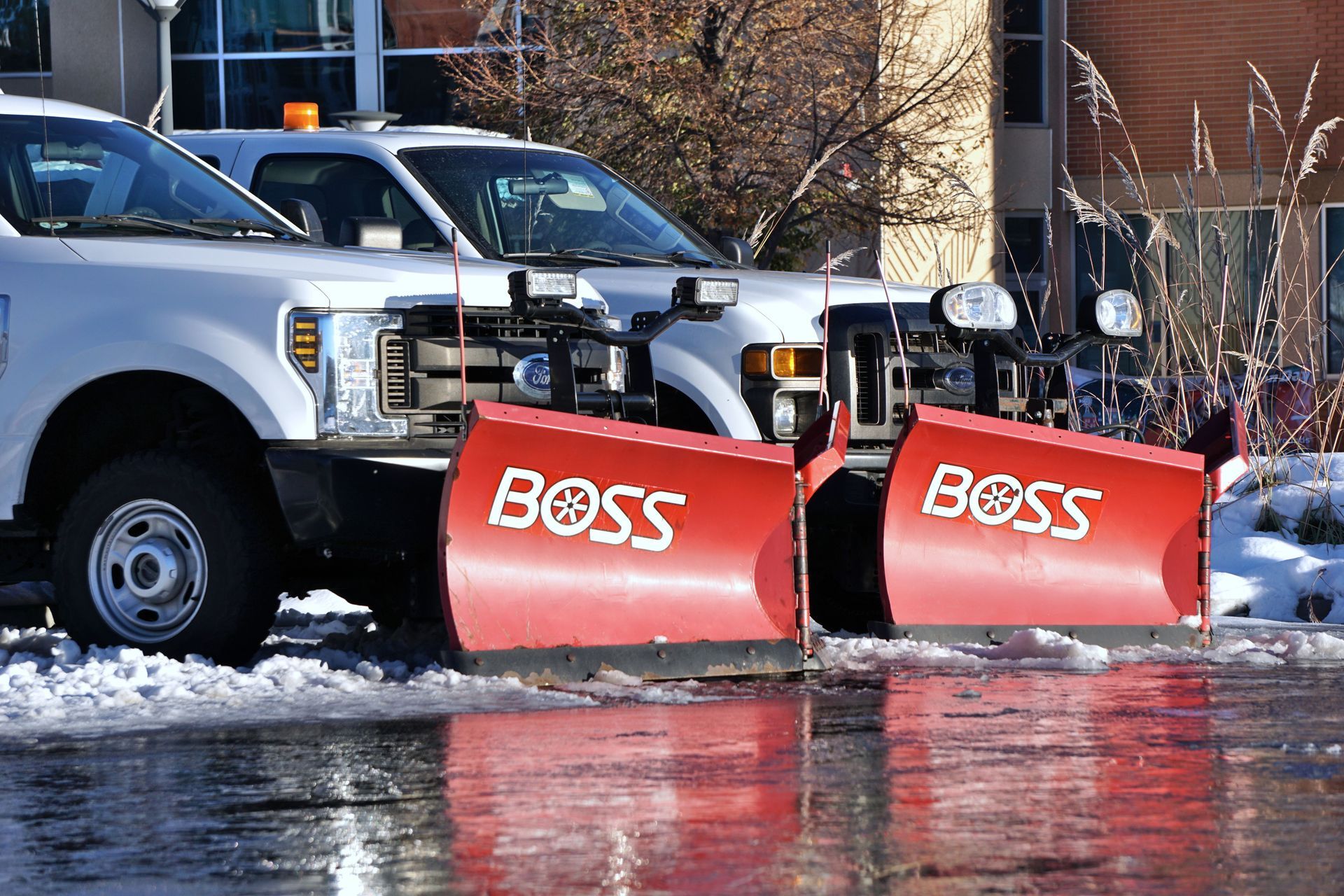
Snowplow clearing a large commercial parking lot for a multi-property portfolio contract in the Pacific Northwest
By Brad Caton • October 14, 2026
Multi-property snow removal contracts consolidate a fragmented, sole-proprietor-heavy market into one accountable partner. See what portfolio bundling actually saves, what to verify first, and the one trade-off to watch. Request a quote.
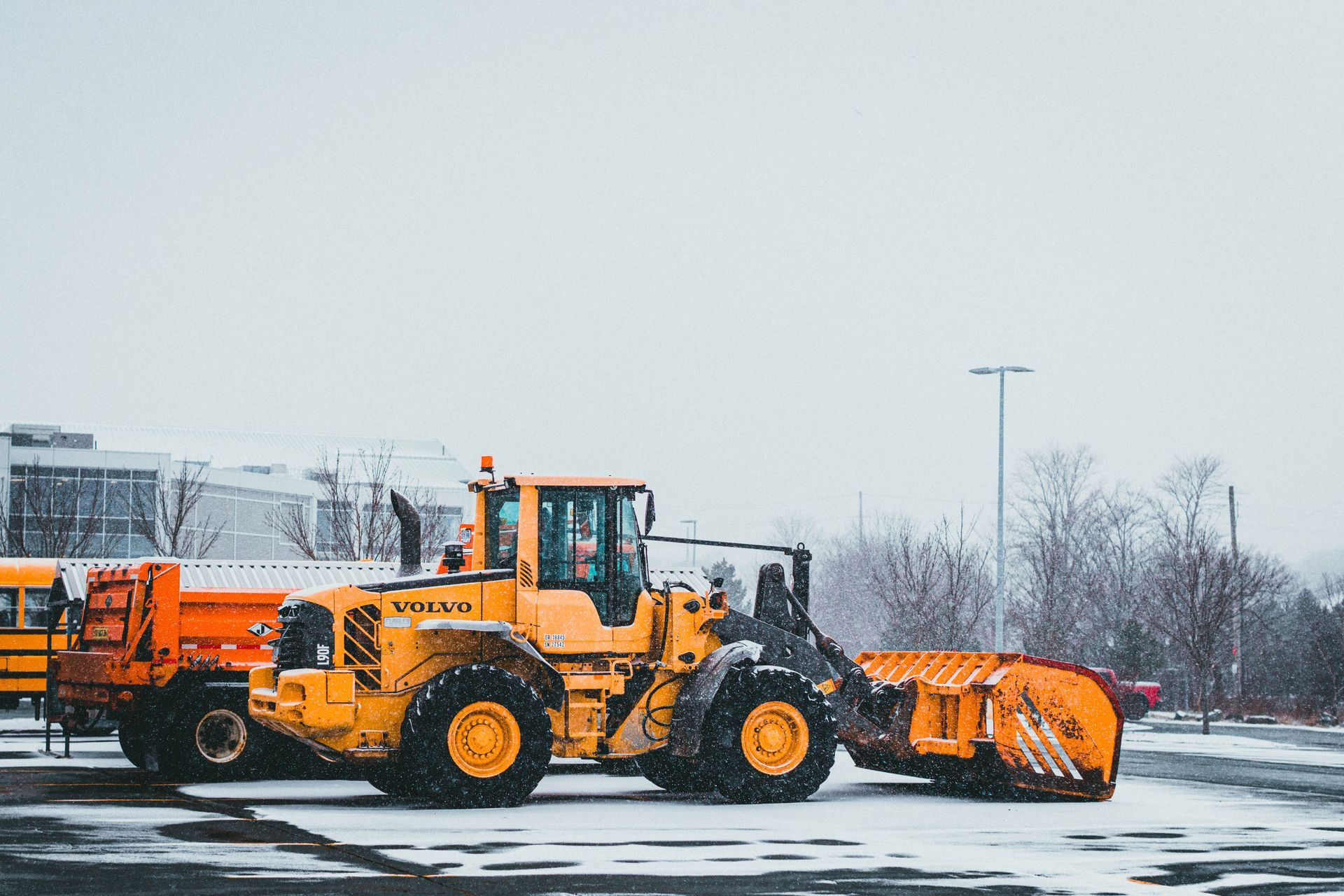
Yellow snowplow and front loader clearing a snowy parking lot in winter
By Brad Caton • October 12, 2026
How much snow removal equipment does your commercial property really need? Learn to evaluate a vendor's fleet capacity before the storm hits. ISO SN9001-certified Invictus serves the Pacific Northwest I-5 corridor. Request a quote.
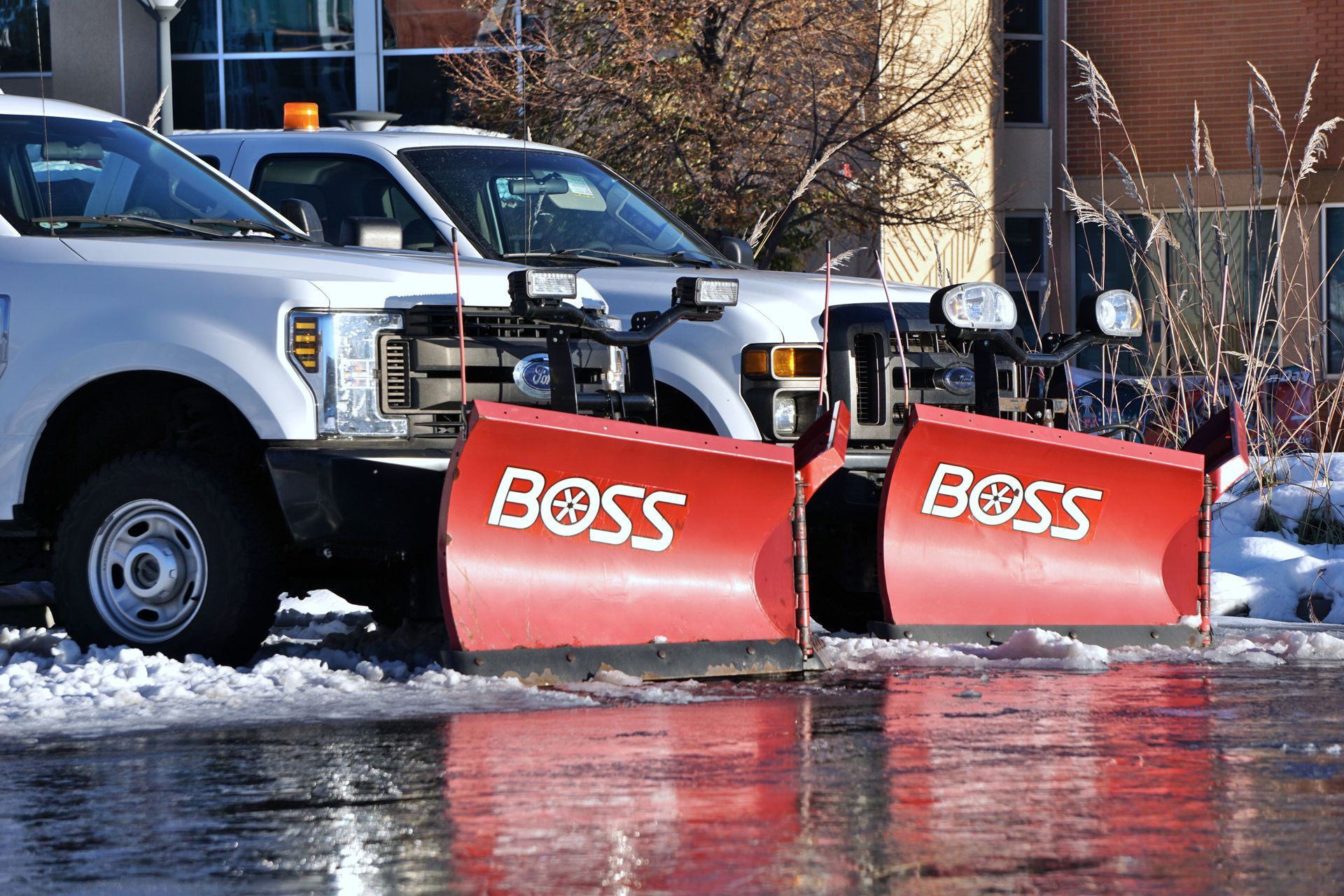
Snow plow clearing a commercial parking lot in the Pacific Northwest at dawn
By Brad Caton • October 9, 2026
Trigger depth clauses tell you when a plow shows up — not when your property becomes a liability. See what a trigger depth actually covers, what SIMA's own guidance says it misses, and how Invictus Snowfighters' First Responder model closes the gap across the I-5 corridor. Request a quote.
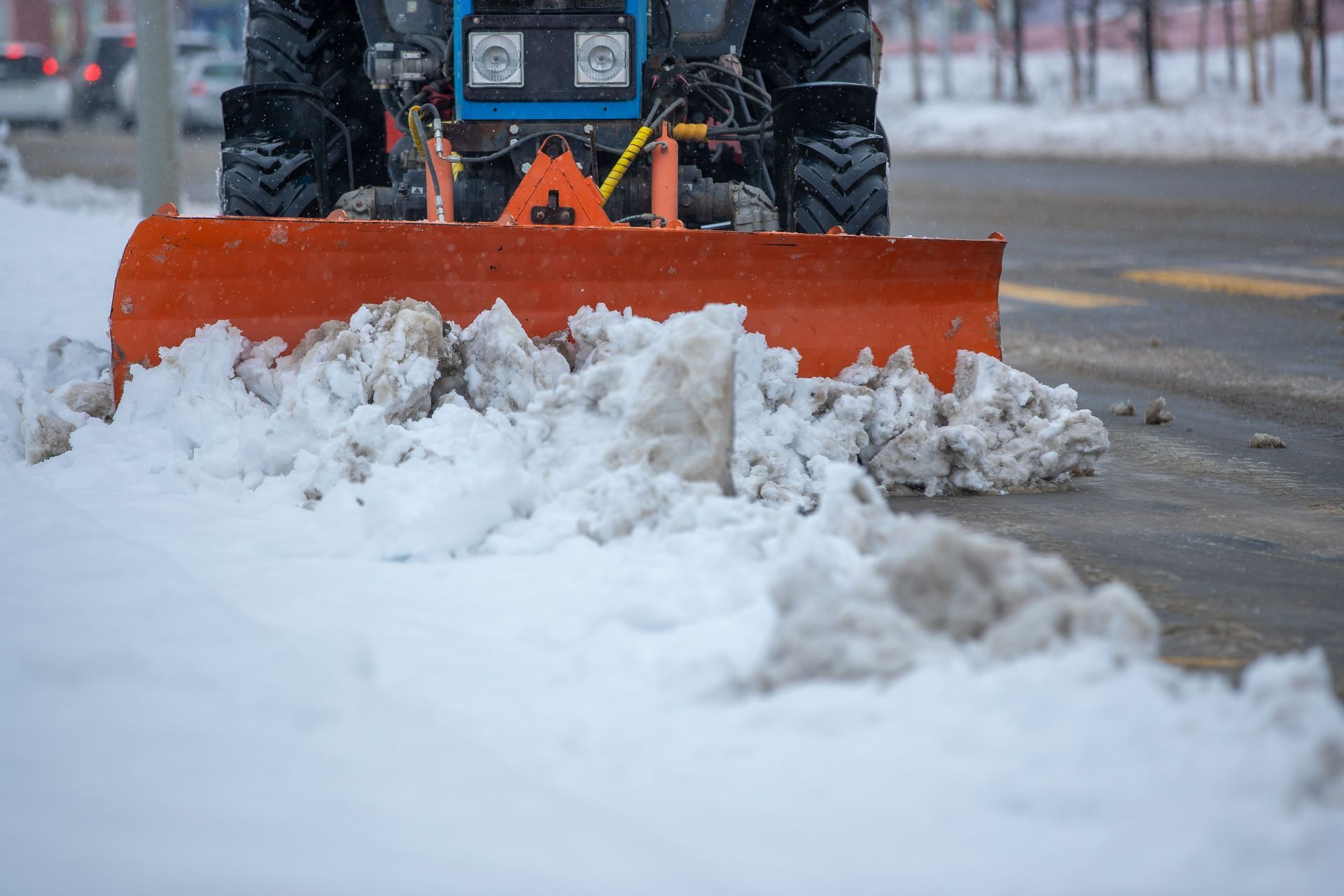
Snowplow clearing snow from a road, with a bright orange blade pushing slush forward
By Brad Caton • October 7, 2026
In-house vs. outsourced snow removal: how Pacific Northwest property managers can weigh liability, equipment costs, and staffing. ISO SN9001-certified Invictus explains what to ask. Get a quote.
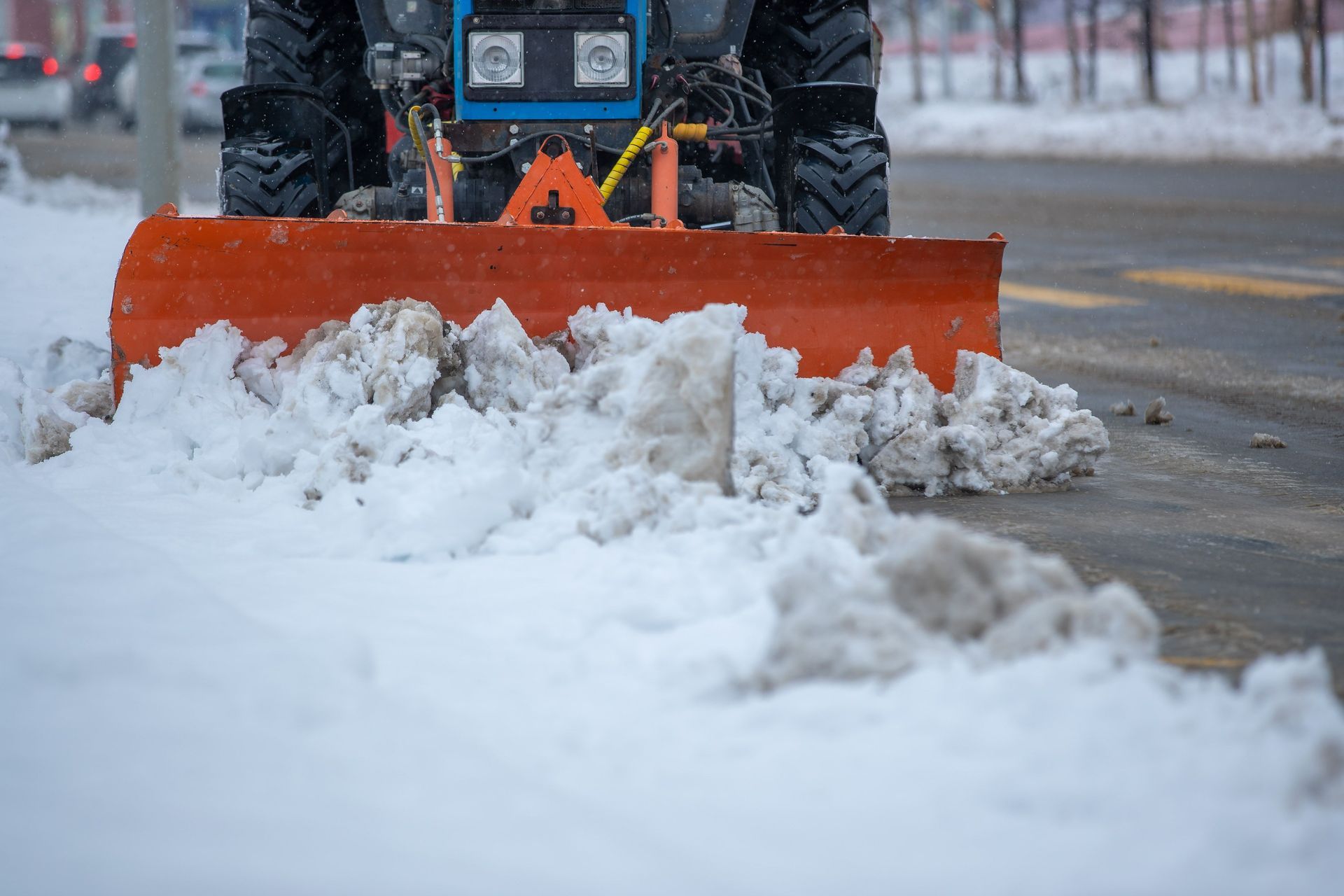
Person operating an orange snow plow clearing slush from a snowy road
By Brad Caton • October 5, 2026
Switching commercial snow removal providers takes more than a phone call — termination clauses, auto-renewal traps, and a coverage gap can all bite you. See the safe sequence for switching before winter, from a PNW snow contractor that's covered the I-5 corridor since 1990. Request a quote.
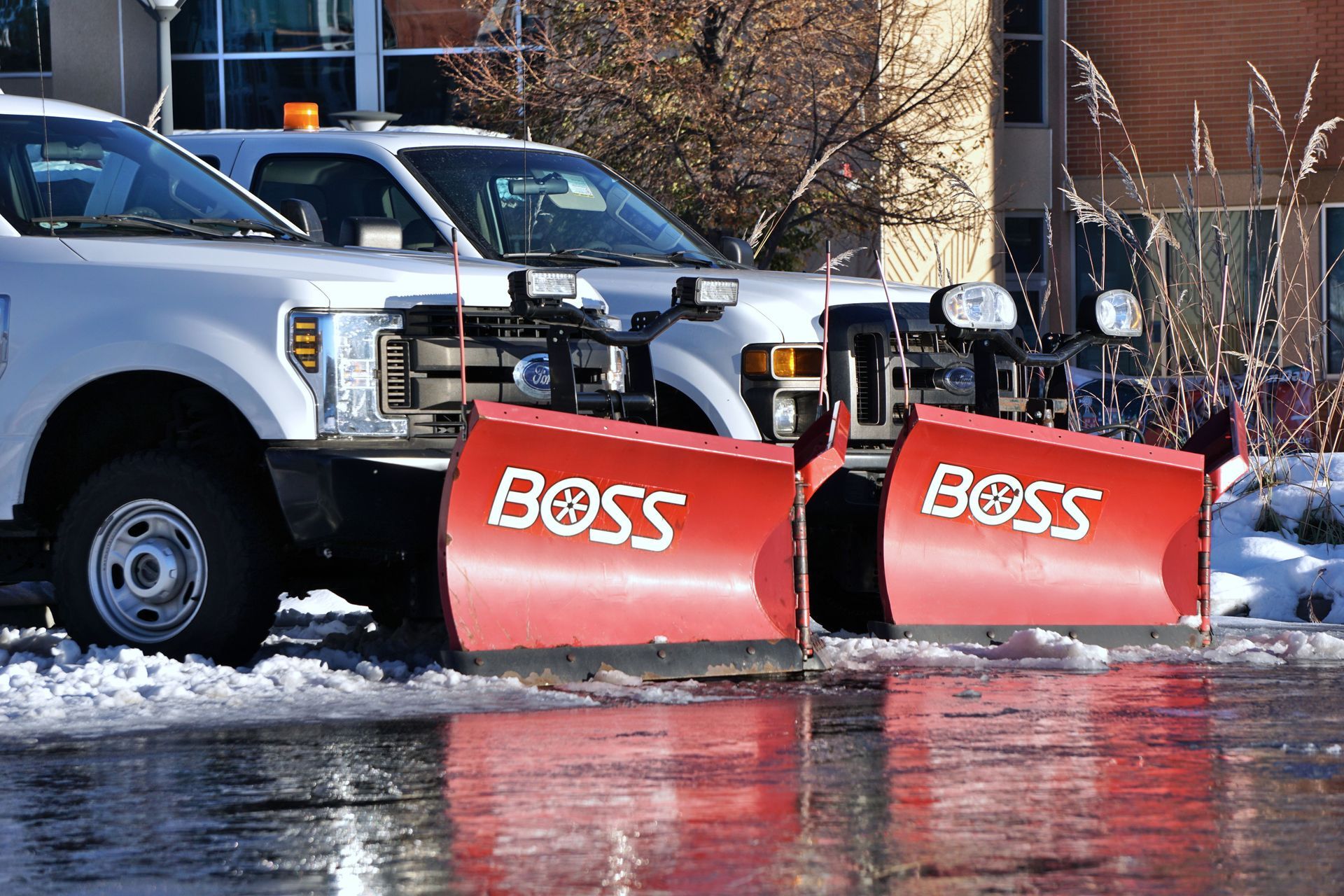
Fleet of commercial snowplow trucks staged in a yard before a winter storm in the Pacific Northwest
By Brad Caton • October 2, 2026
Snow removal equipment and staffing capacity is the best predictor of whether your site gets serviced in the worst storm of the season. Invictus breaks down the capacity math, real response-time standards, and the questions that expose an overextended contractor. Request a quote.
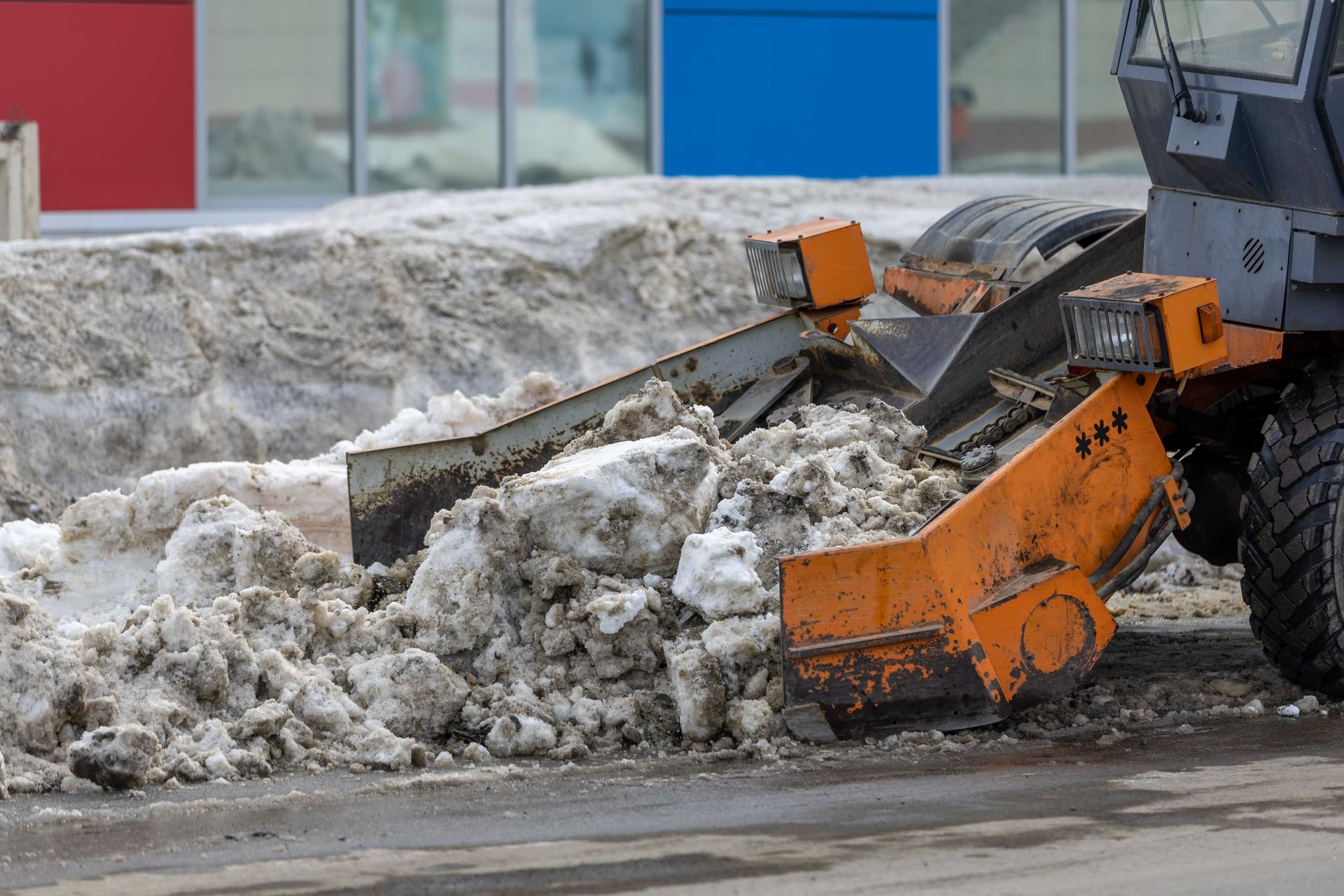
Orange snowplow clearing a large snowbank on a street beside colorful buildings
By Brad Caton • October 1, 2026
Industrial and manufacturing plant snow removal must meet OSHA's general industry standards for walking-working surfaces and powered trucks. See what ISO SN9001-certified Invictus recommends before winter. Get a quote.
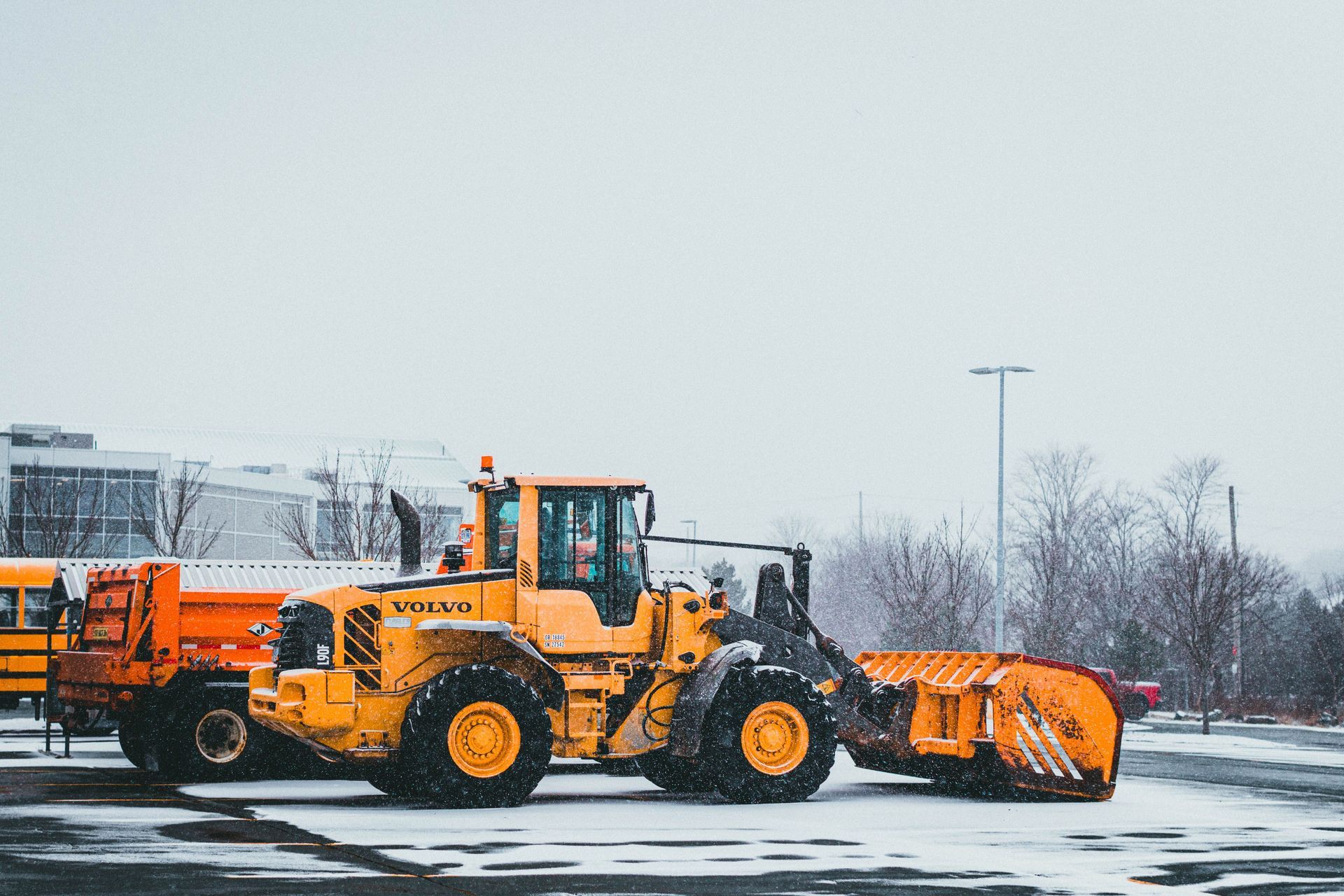
Orange snowplow trucks clearing a snowy parking lot in winter
By Brad Caton • September 30, 2026
Snow removal contractor insurance shouldn't be assumed. See what coverage and documentation ISO SN9001-certified Invictus verifies before every contract. Get a quote.
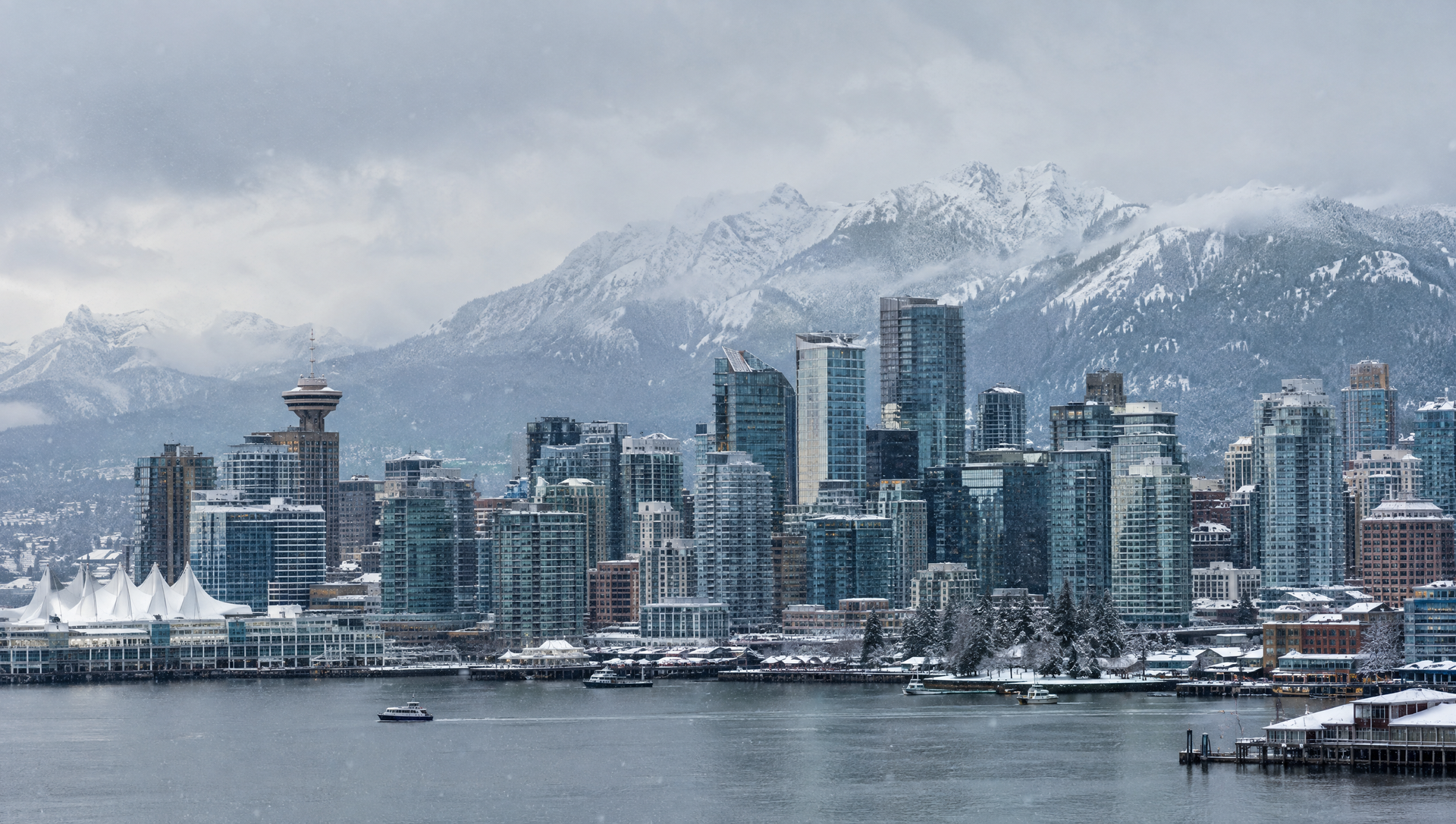
Downtown Vancouver skyline in winter snow with the North Shore mountains
By Brad Caton • September 28, 2026
A record El Niño winter is forecast. What it means for snow and ice on Metro Vancouver commercial properties, what history shows, and what to do before the first arctic outflow.
Show More