
Slips, Trips and Falls in the Workplace and How to Prevent Them

Brad Caton, Invictus Founder and CEO • September 20, 2018

Share this article

Slips, trips and falls are one of the most common workplace injuries, and they cause a considerable financial burden. Workers’ compensation and medical costs associated with occupational fall incidents have been estimated at $70 billion annually in the United Sates. Based on data from the Bureau of Labor Statistics, 261,930 private industry and state and local government workers missed one or more days of work due to injuries from falls on the same level or to lower levels, and 798 workers died from such falls. While slip and fall accidents can happen in any industry, some industries are more prone to them than others, so they need to take extra care to keep their workplaces and properties safe. These industries include:

  1. Transportation and Warehousing
  2. Healthcare
  3. Food service and accommodation
  4. Retail
  5. Construction
  6. Industrial

Slips, trips and falls can happen because of wet surfaces, spills, uneven surfaces, loose flooring, obstructed views, and the list goes on. Not all injuries are easily preventable, but there are precautions that can be taken to reduce the risk of slip and fall accidents in the workplace, including:

  • Clean up spills immediately, or if that’s not possible, place “wet floor” warning signs for workers.
  • Keep walkways and hallways free of debris, clutter and obstacles.
  • Keep filing cabinets and desk drawers shut when not in use.
  • Cover cables or cords in walkways.
  • Replace old light bulbs.
  • Replace worn flooring.

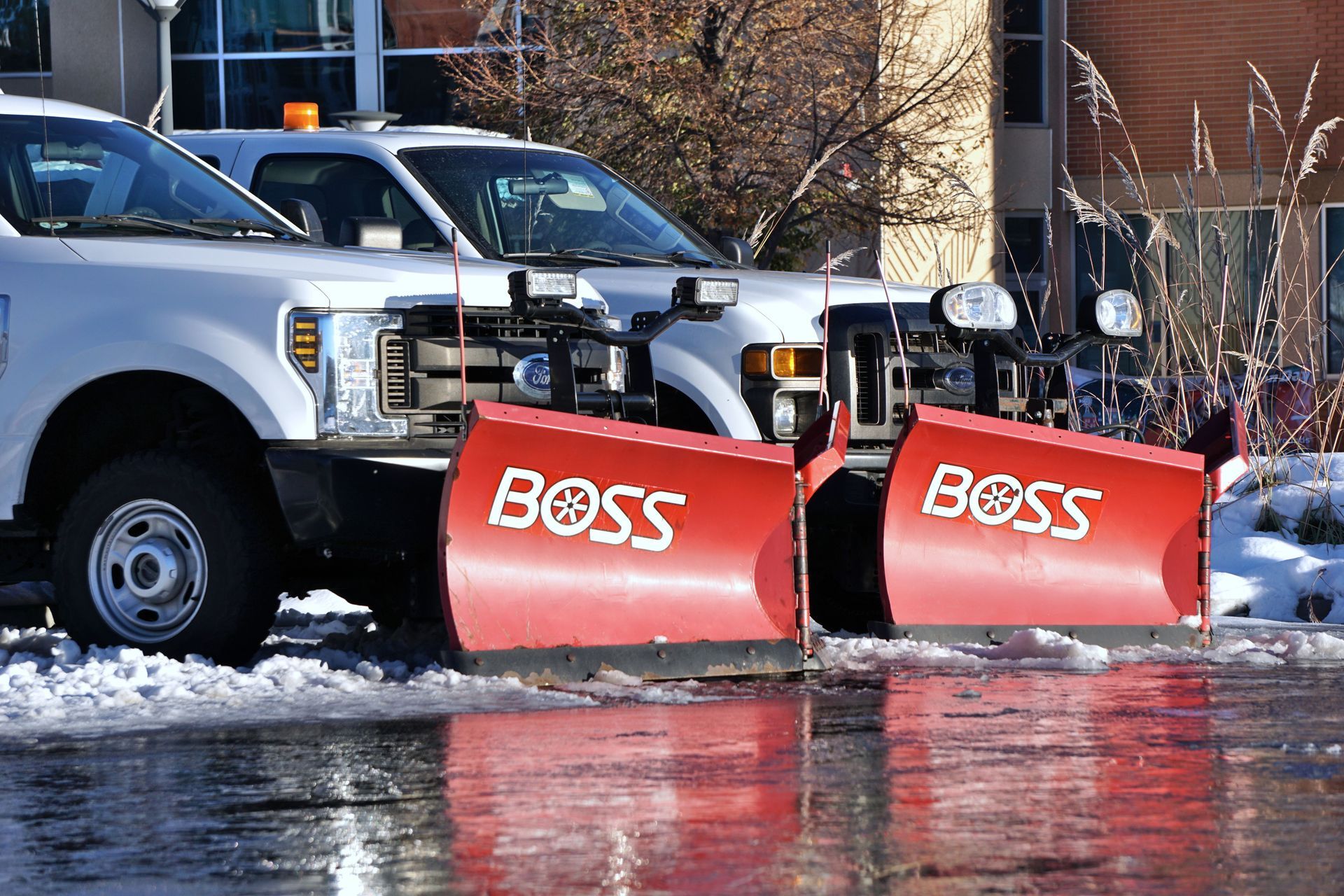
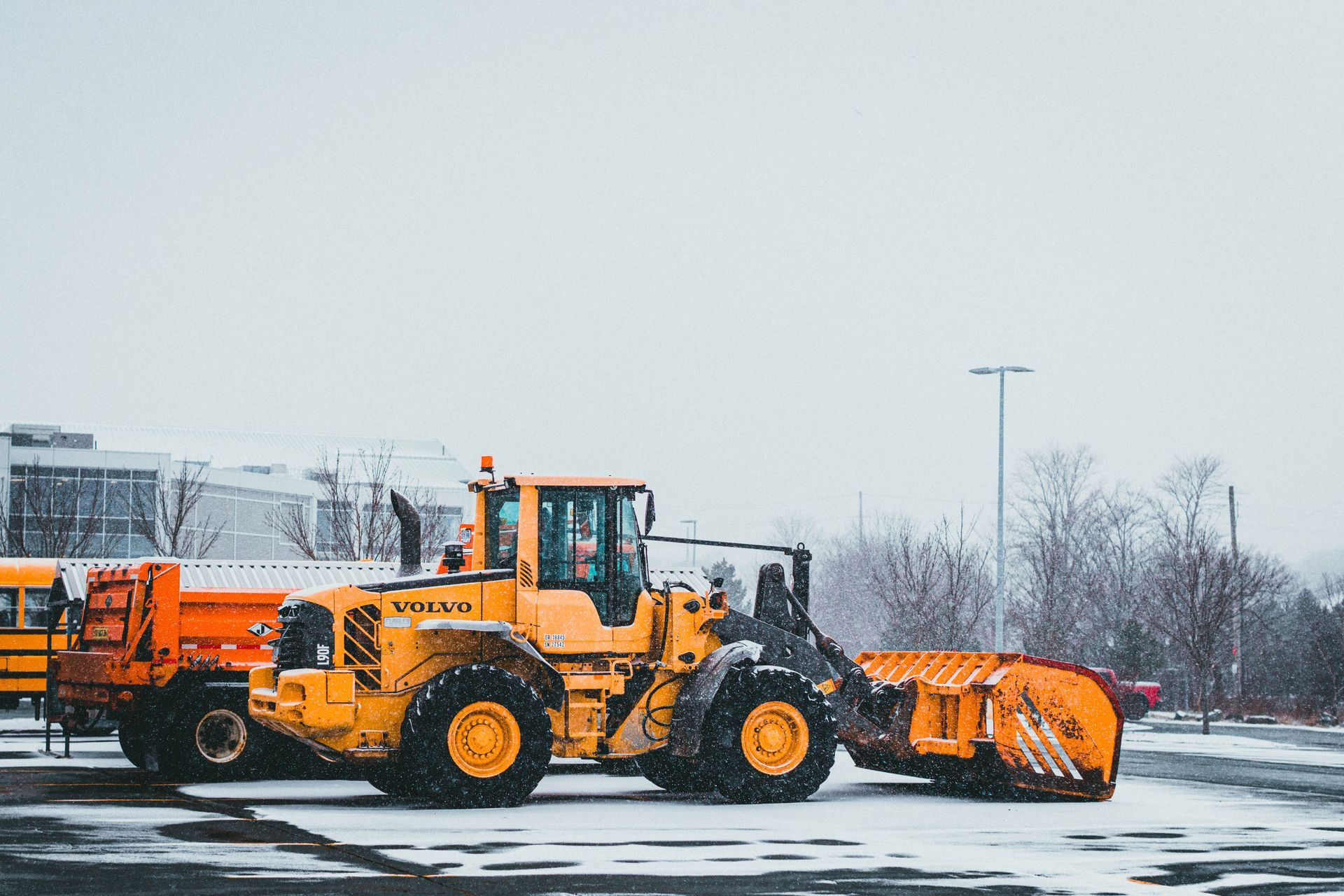
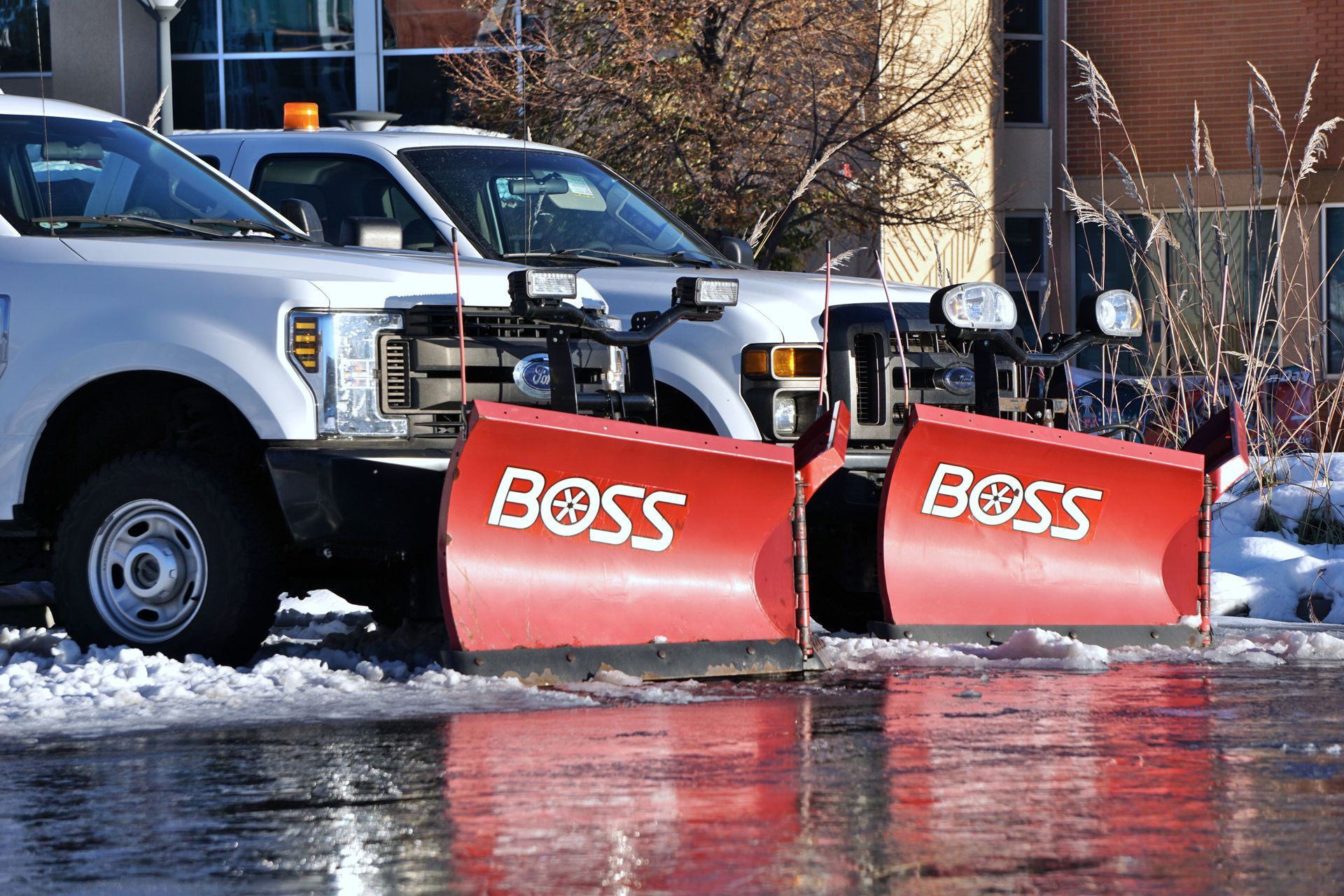
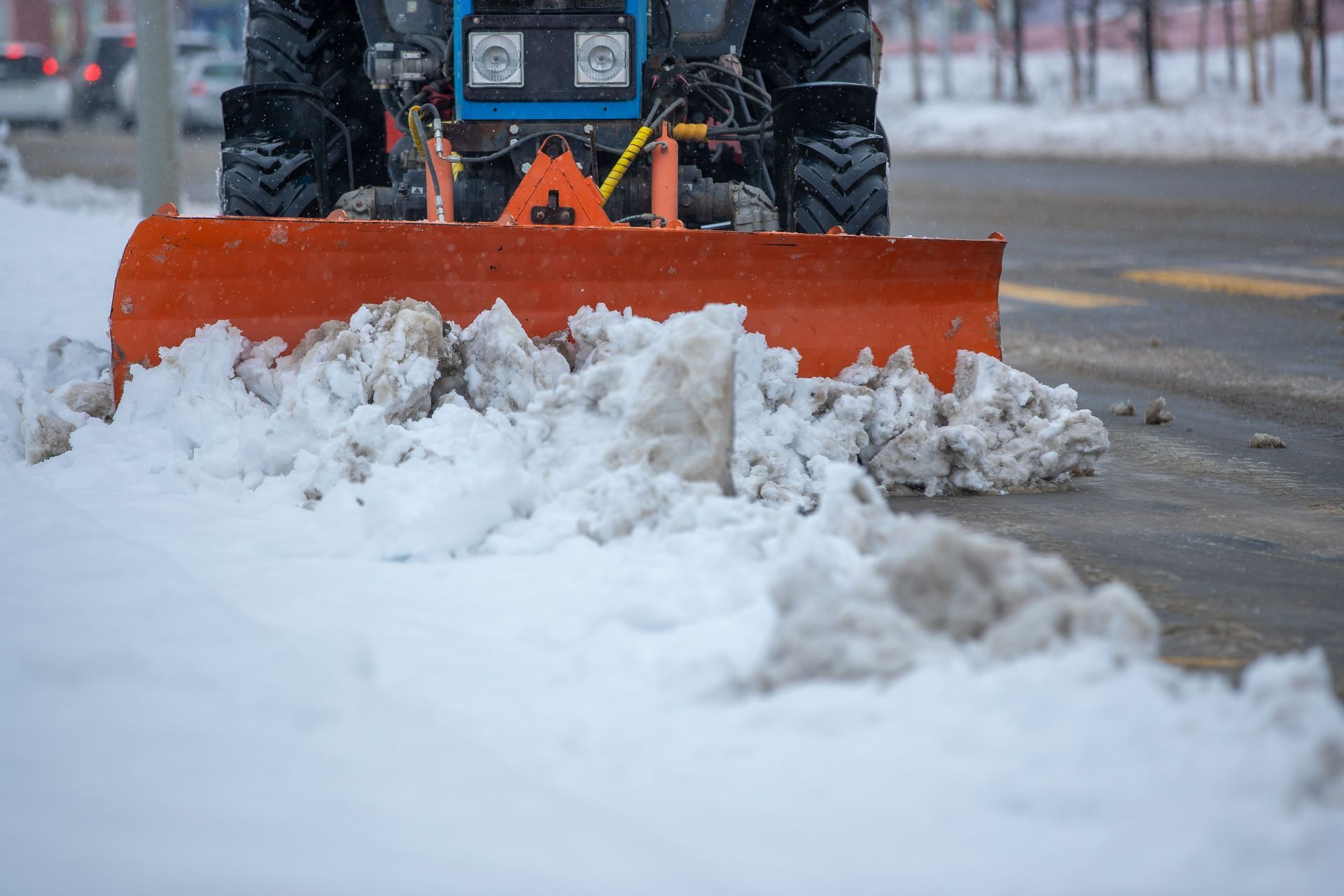
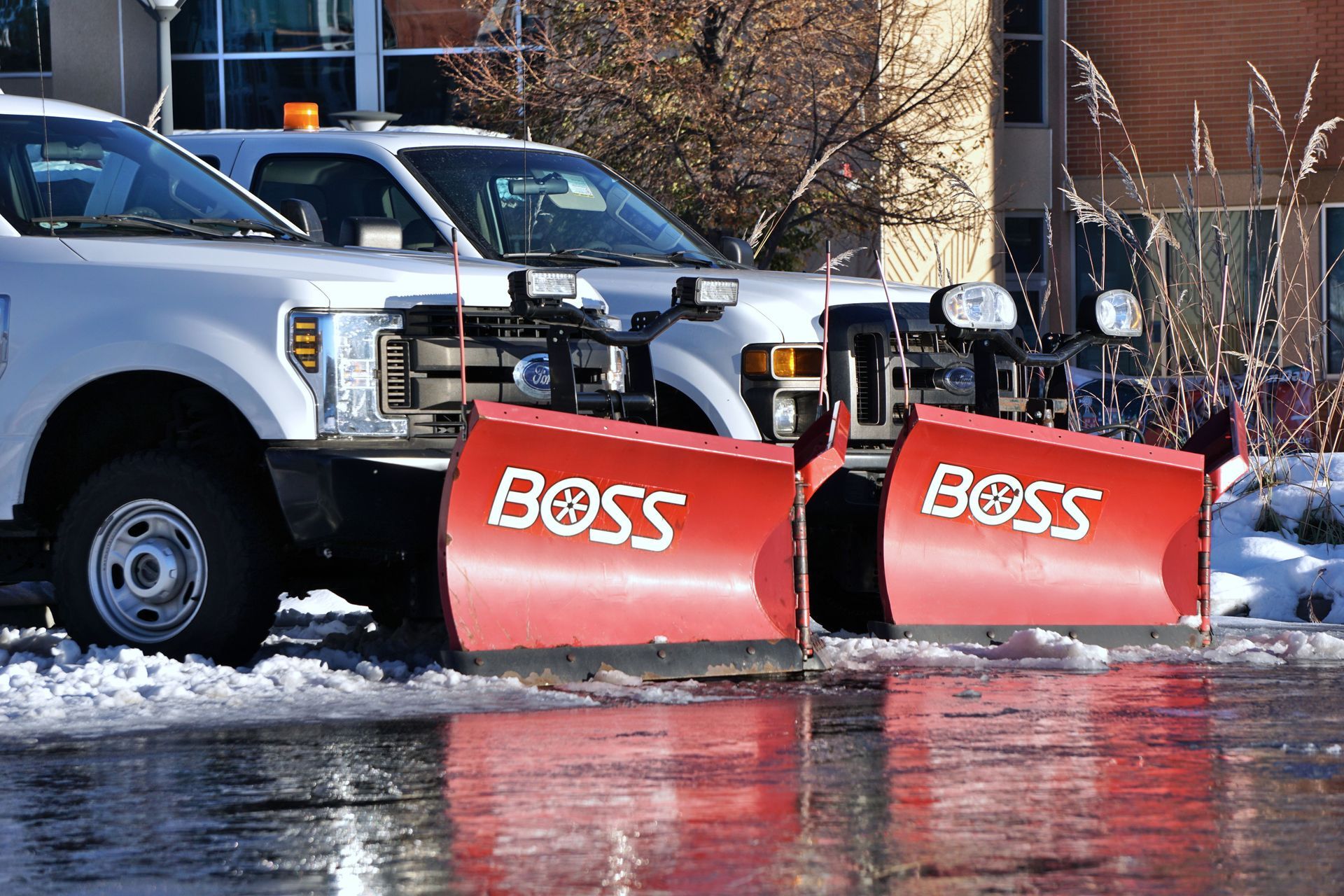
Of course, not all slips, trips and falls happen in the actual workplace; some happen right outside on the property or in the parking lot. Making sure a business’ property is safe, especially during hazardous winter months, is where my company, Invictus, can help. As the leading snow management company in the Pacific Northwest, my team of Invictus professional snow fighters uses our arsenal of snow management equipment, including heavy duty loaders, plows, snow removal equipment and ATVs, to maintain shopping centers and commercial properties in a safe and efficient manner through winter’s worst storms to keep our clients, their employees and their customers, safe. We also use our proprietary products EcoBrine, EcoBrine Premium and EcoBrine Supreme, Vancouver’s only LEED compliant brine product, to keep our customers’ properties surfaces free from dangerous ice. There are many ways to get hurt in the workplace, but with extra care, slips, trips and falls don’t have to be one of the leading causes. To ensure that snow and ice isn’t the reason for any slip and fall accidents in their workplace, now is the time for building and property owners to get their snow and ice management contracts in place, because once that first snowfall arrives it will be way too late.

In the US, some pharmacies offer wellness programs that include health education xenical for sale, lifestyle coaching, and dietary advice, reinforcing the pharmacy’s role in promoting health and preventing disease.

Recent Posts

By Brad Caton September 10, 2026
EV charging station snow removal isn't standard plowing — ADA access rules and equipment risk raise the stakes. See what Pacific Northwest properties need in their contract. ISO SN9001-certified Invictus covers Vancouver, Seattle, and Portland. Request a quote.
Rows of new vehicles on a car dealership lot lightly dusted with snow, Pacific Northwest
By Brad Caton September 8, 2026
Car dealership snow removal protects more than pavement — it protects valuable vehicle inventory, customer safety, and your liability exposure. See what a dealership-specific SLA should include, from ISO SN9001-certified Invictus Snowfighters, the only snow removal company covering the full I-5 corridor from Vancouver to Portland. Request a quote.
By Brad Caton September 7, 2026
A snow removal RFP that skips the details invites bids you can't fairly compare. See what property managers should include, from service triggers to equipment guarantees. ISO SN9001-certified Invictus serves Vancouver, Seattle, and Portland. Request a quote.
By Brad Caton September 4, 2026
Snohomish County snow removal rules vary by city: Everett requires sidewalks clear by noon, Seattle uses a timely manner standard. See what your property owes and how Invictus keeps multi-city portfolios compliant.
Snow accumulated on a flat commercial building roof in the Pacific Northwest
By Brad Caton September 3, 2026
Commercial roof snow load is a structural risk, not a parking lot one. See what IBC and ASCE 7 require, key warning signs, and a pre-winter checklist. Request a quote.
By Brad Caton September 2, 2026
Snow removal contractor insurance takes more than a certificate. See what an additional insured endorsement requires, per ISO SN9001-certified Invictus. Get a quote.
By Invictus Snowfighters September 1, 2026
Who's responsible for snow removal in a commercial lease, landlord or tenant? See how CAM clauses and city code assign it. ISO SN9001-certified across the Pacific Northwest. Request a quote.
By Invictus Snowfighters August 31, 2026
Snow removal contractor onboarding, explained: what happens after you sign, from site assessment to First Responder Unit staging. ISO SN9001 certified across the Pacific Northwest I-5 corridor. Request your free quote.
By Brad Caton August 28, 2026
Snow removal contract pricing is rising as BC, WA and OR raise minimum wage in 2026. See what it means for your budget and how to lock in reliable service.
By Invictus Snowfighters August 28, 2026
Snow removal insurance and landscaping insurance aren't the same policy. See where the coverage gap opens up, what a real snow-specific policy includes, and the questions to ask before you sign. Request a quote.
Show More